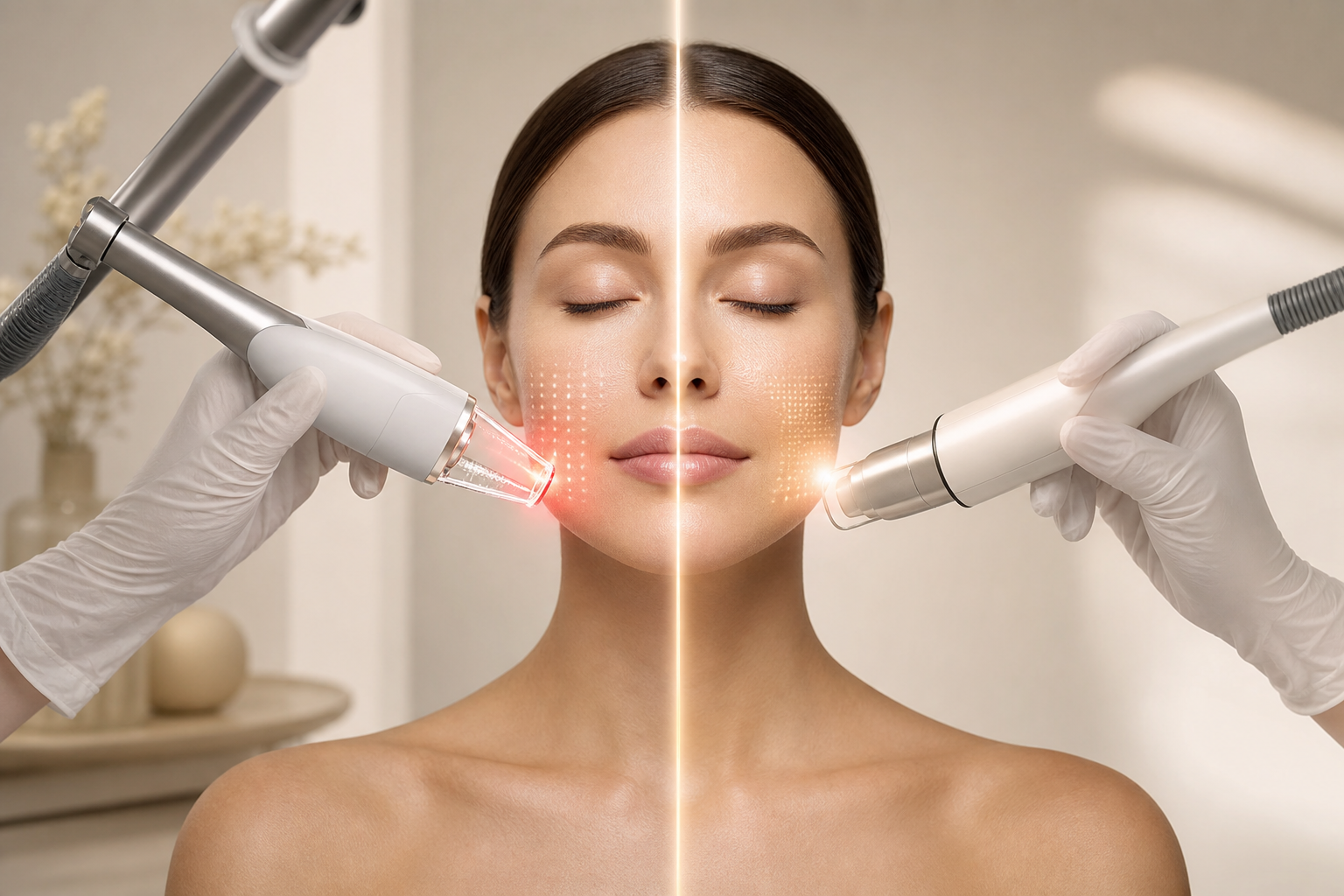
In the realm of aesthetic medicine and skin care, laser technologies have emerged as pivotal tools in the pursuit of youthful, radiant skin. Among the numerous innovations available, ablative and non-ablative lasers stand out as two of the most effective options in the battle against the visible signs of aging. These technologies are frequently discussed in conversations about anti-aging facial treatments, yet the distinctions between them—regarding their mechanisms, benefits, risks, and ideal candidates—are not always clearly understood by consumers. Such knowledge is crucial for individuals contemplating laser procedures to ensure they make informed choices that align with their skin needs and lifestyle.
This comprehensive analysis is intended for those exploring laser-based anti-aging solutions, skincare professionals, and anyone seeking a deeper understanding of how ablative and non-ablative lasers differ in application and outcome. By dissecting the operational principles, indications, expected results, safety profiles, and potential drawbacks of each laser type, the article endeavors to clarify the decision-making process. Empowering readers with expert insights will facilitate meaningful dialogues with qualified specialists and help optimize the benefits of laser therapy within a personalized skincare regimen.
Ultimately, understanding the nuances between ablative and non-ablative lasers is not merely academic—this knowledge directly influences treatment success, patient satisfaction, and long-term skin health. This exploration is particularly relevant in the context of anti-aging facial rituals, where effective interventions can significantly enhance skin texture, tone, and overall appearance.
What Distinguishes Ablative from Non-Ablative Lasers in Skin Treatments?
At the core of aesthetic laser technology lies the differentiation in how lasers interact with the skin. Ablative lasers remove the outermost layers of the skin—typically the epidermis and sometimes part of the dermis—in a controlled manner. This removal stimulates the skin's natural healing processes, prompting the generation of fresh, more youthful skin cells and increased collagen and elastin production, which are fundamental proteins that maintain skin firmness and elasticity.
In contrast, non-ablative lasers do not eliminate any skin surface layers. Instead, they deliver focused heat energy into the deeper layers of the dermis, sparing the epidermis. This heat stimulates cellular activity beneath the skin’s surface, promoting collagen remodeling and tightening without causing an open wound. As a result, non-ablative treatments provide rejuvenation with considerably less downtime.
Both laser types contribute to skin revitalization but differ substantially in immediacy and intensity of results, recovery time, and the degree of skin concern they can effectively address.
Who Benefits Most from Ablative and Non-Ablative Laser Treatments?
Choosing between ablative and non-ablative laser treatments depends primarily on the individual's skin condition, aging severity, medical history, and treatment goals. Ablative lasers are considered the more aggressive option, suited for individuals exhibiting advanced signs of aging such as deep wrinkles, pronounced skin laxity, visible scars, and significant pigmentation irregularities. Patients prepared to undergo a more extended healing phase and who desire dramatic improvements often opt for ablative treatments.
Conversely, non-ablative lasers are optimal for younger adults or those with mild to moderate skin aging who seek gradual enhancements. This treatment suits people aiming to maintain skin health, minimize fine lines, and prevent further deterioration with minimal interruption to daily routines. Its gentler nature also makes it appropriate for those with sensitive skin or low tolerance for post-treatment redness and peeling.
Ultimately, proper patient selection is critical, and a thorough assessment by an experienced provider can ensure the chosen laser modality aligns well with a patient’s unique requirements.
What Are the Main Benefits of Ablative Versus Non-Ablative Laser Therapy for Anti-Aging?
The appeal of ablative laser treatment lies in its capacity to effect profound skin transformation. By resurfacing damaged skin layers, it significantly diminishes deep wrinkles and scars while enhancing skin smoothness and elasticity. The simultaneous reduction in hyperpigmentation contributes to a more uniform complexion. These robust changes are often long-lasting, thanks to sustained collagen stimulation.
Non-ablative laser therapy, while delivering subtler improvements, is prized for enhancing skin firmness, hydration, and overall tone without substantial side effects. It promotes cellular regeneration gently and serves as a preferred strategy for fortifying skin against early signs of aging. The minimal recovery time is another considerable advantage, making it a convenient option for routine skin maintenance or post-procedure care.
Both methods complement one another in modern anti-aging facial rituals, with ablative lasers addressing more severe issues and non-ablative lasers providing ongoing care and prevention.
How Are Ablative and Non-Ablative Laser Treatments Administered and What Recovery Can Patients Expect?
Ablative laser sessions typically involve a meticulous pre-treatment protocol to prepare the skin, sometimes using topical or local anesthesia due to potential discomfort during the procedure. The laser precisely removes skin layers in a controlled fashion, exposing sensitive tissue that requires diligent post-care. Following treatment, redness, swelling, and peeling are common and can persist from several days to multiple weeks, varying by the extent of skin resurfacing performed.
Patients undergoing ablative procedures must adhere closely to aftercare instructions, including sun avoidance, moisturizing, and wound care, to prevent complications and optimize results. Follow-up visits often monitor healing progress.
Non-ablative laser treatments are markedly less invasive, typically completed within 20-30 minutes sessions that produce mild warmth but minimal discomfort. Post-treatment effects are generally limited to transient redness or slight swelling, with patients resuming normal activities almost immediately. Multiple sessions spaced over weeks may be recommended to achieve cumulative benefits.
What Limitations and Risks Are Associated with Ablative and Non-Ablative Lasers?
While laser therapies offer significant advantages, acknowledging their limitations and possible adverse effects is essential. Ablative lasers carry a higher risk profile, including prolonged redness, risk of pigmentation disturbances, infection, scarring, and potential textural skin changes if post-care is improper. These factors necessitate selecting candidates carefully and performing treatments in controlled, sterile environments.
Non-ablative lasers, though safer regarding side effects, are less impactful on deeply entrenched skin issues and require patience for gradual improvement. Possible minor side effects include temporary redness, sensitivity, or dryness. Unrealistic expectations about efficacy can lead to dissatisfaction despite safety.
Risks also hinge on patient factors such as skin type, medical history, and compliance with care protocols, underscoring the importance of professional guidance.
When Should One Consult a Specialist Before Opting for Laser Anti-Aging Treatments?
Before initiating any laser-based anti-aging treatment, consulting with a qualified dermatologist or aesthetic medicine professional is paramount. Such experts conduct comprehensive skin evaluations, assess medical history, and discuss the patient’s aesthetic goals and lifestyle. This consultation helps ascertain candidacy, tailor treatment plans, and identify any contraindications, such as certain skin conditions, medications, or sensitivities.
Specialists also provide preparative instructions and post-treatment care strategies to ensure safety and optimize results. In some cases, alternative therapies may be recommended if laser treatment is deemed unsuitable.
Engaging in open dialogue with practitioners fosters realistic expectations and enhances overall satisfaction with the chosen approach.


