Sunbeds have emerged as widely used devices for achieving a tanned appearance, particularly in regions with limited natural sunlight during parts of the year. This method of artificial tanning involves exposure to ultraviolet (UV) radiation, which stimulates melanin production in the skin. While many seek sunbeds for cosmetic reasons, especially to obtain a bronzed glow safely year-round, it is crucial to understand that this practice carries significant health implications. Concerns surrounding sunbeds primarily revolve around their potential to cause skin burns, accelerate photoaging, and increase the risk of various skin cancers. This article serves as an evidence-based, non-commercial guide for individuals considering or currently using sunbeds, emphasizing the science behind UV exposure, inherent risks, and recommendations endorsed by leading health organizations.
The significance of this topic transcends cosmetic preferences; it holds vital importance for skin health and cancer prevention. Individuals in their teens to older adults who are contemplating sunbed use need reliable information rooted in medical research and public health consensus to make informed decisions. With the International Agency for Research on Cancer (IARC) classifying UV radiation from sunbeds as a Group 1 carcinogen—meaning it is definitively carcinogenic to humans—there is no known safe threshold for UV exposure via these devices. Moreover, epidemiological data consistently link early and frequent sunbed use with heightened melanoma risk, alongside associations with other skin malignancies and chronic skin damage.
In what follows, we delve into the mechanisms by which sunbed UV exposure affects the skin, identify vulnerable populations, explore the development of burns and photoaging resulting from artificial UV exposure, and review the types of skin cancer related to sunbed use. We also discuss clinical guidelines emphasizing the avoidance of sunbeds among those under 18 years of age and advocate for consultation with healthcare professionals to address personal health conditions or medications that may modify risks linked to UV treatments. This comprehensive review aims to support readers in navigating the complexities of artificial tanning while prioritizing skin safety and long-term wellbeing.
What Are Sunbeds and How Does UV Radiation Affect the Skin?
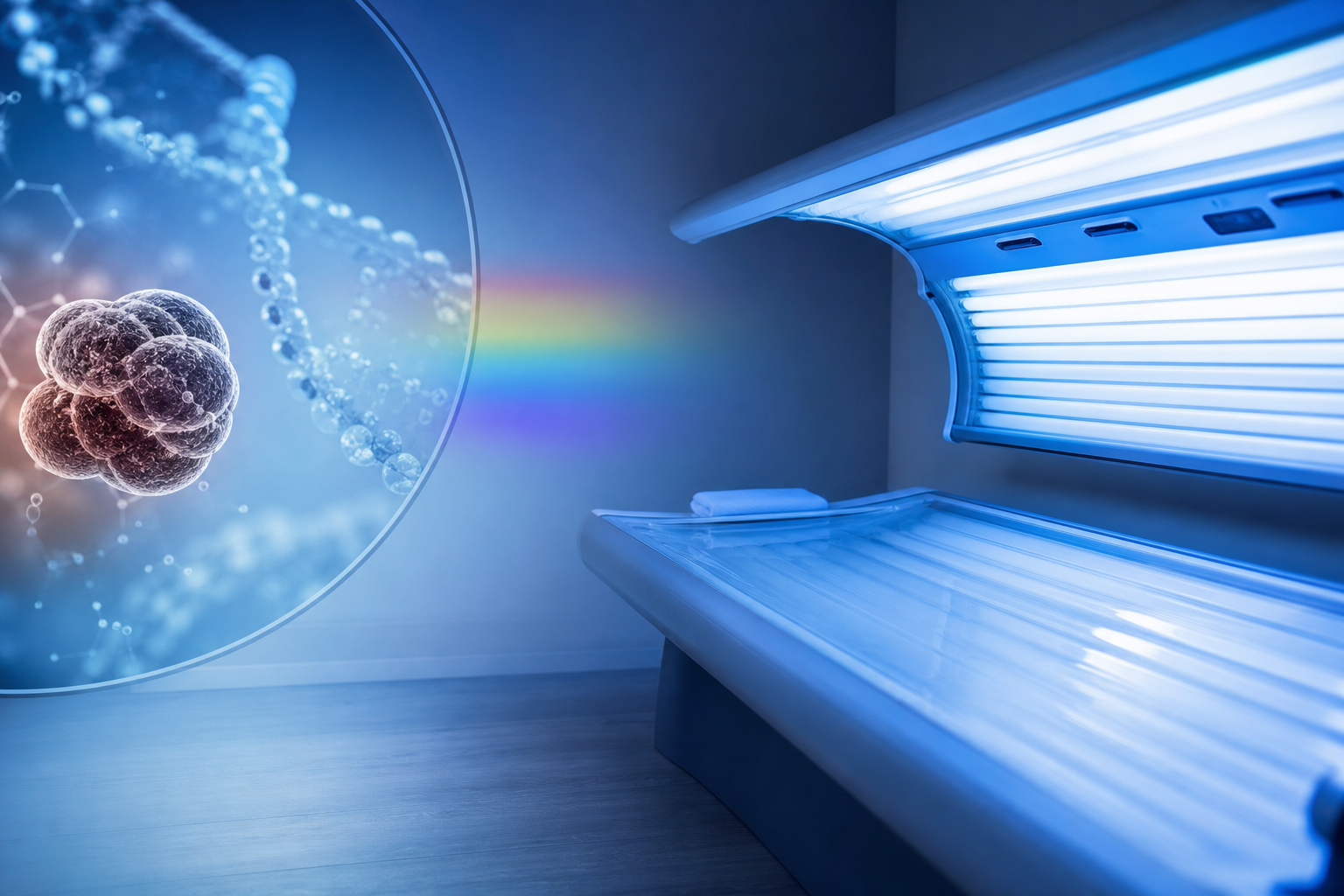
Sunbeds are devices designed to emit ultraviolet radiation to induce tanning by stimulating melanocytes, the pigment-producing cells in the epidermis. Typically, sunbeds emit a controlled spectrum of UVA and UVB rays, with the former penetrating deeper into the skin and the latter responsible for superficial changes including sunburn. The purpose is to mimic the tanning effects of natural sunlight, enhancing melanin synthesis to impart a darker skin tone.
However, UV exposure—even artificial—results in complex photochemical reactions within skin cells, including direct DNA damage and the generation of reactive oxygen species. This can lead to mutagenesis, which compromises cellular integrity and triggers apoptotic pathways or malignant transformation. The IARC categorizes UV radiation from sunbeds as Group 1 carcinogenic, indicating incontrovertible evidence linking these exposures to skin cancers. Importantly, unlike the sun whose intensity can fluctuate due to atmospheric conditions, sunbeds often deliver consistent UV doses, sometimes at levels several times stronger than midday sun, escalating the potential for harm.
Understanding the cellular impact of sunbed UV rays is essential: Ultraviolet B (UVB) primarily damages DNA directly, causing cyclobutane pyrimidine dimers, while Ultraviolet A (UVA) contributes more to oxidative stress and indirect DNA damage. Both pathways can contribute to carcinogenesis and other pathological skin changes, underscoring the significance of UV protection and avoidance of unnecessary exposure.
Who Is Particularly Vulnerable to the Risks of Sunbed Use?
While UV radiation from sunbeds poses risks to all users, certain groups carry heightened vulnerability. Under-18 individuals are especially susceptible, owing to their developing skin and longer post-exposure lifespan, which allows more time for UV-induced mutations to manifest as malignancies. Consequently, many countries enforce strict regulations prohibiting sunbed use by minors to mitigate these risks.
Adults with lighter skin phototypes, characterized by less melanin and a propensity to burn easily rather than tan, are at increased risk of both acute and chronic damage. Personal or family histories of skin cancer further amplify susceptibility, as do conditions and medications that increase photosensitivity. For instance, some antibiotics, non-steroidal anti-inflammatory drugs, and immunosuppressants can sensitize skin cells, lowering the threshold for UV injury.
Individuals with preexisting dermatological disorders or those undergoing cosmetic treatments that affect skin integrity should consult dermatologists or pharmacists before using sunbeds. Their recommendations help determine whether UV exposure would exacerbate underlying conditions or interfere with ongoing therapies.
How Does Sunbed Use Lead to Skin Burns and What Are the Associated Health Risks?
Sunburn—a type of acute skin injury—is a prominent risk associated with sunbed exposure. It results from excessive UV radiation causing direct DNA damage and triggering inflammatory responses in the epidermis. Unlike natural sunlight, sunbeds emit controlled, yet often intense UV doses without the individual's usual environmental cues, such as heat or brightness, which may lead to unintentional overexposure.
The manifestations of sunburn include redness, pain, edema, and in severe cases, blistering. Importantly, burns are not mere transient annoyances but signals of damaged keratinocytes and the activation of pro-inflammatory pathways. This damage can accumulate over time, weakening the skin’s immune defenses and elevating carcinogenic risk. Moreover, sunburn-associated inflammation accelerates the generation of free radicals, exacerbating oxidative stress and fostering conditions favorable to premature skin aging.
Furthermore, repeated burns from artificial UV exposure can impair the skin barrier and delay repair mechanisms. This vulnerability heightens the chance of infections, pigmentary alterations, and chronic dermatoses, emphasizing the importance of cautious UV radiation management and seeking medical advice when burns occur.
What Is Photoaging and In What Ways Do Sunbeds Accelerate Skin Aging?
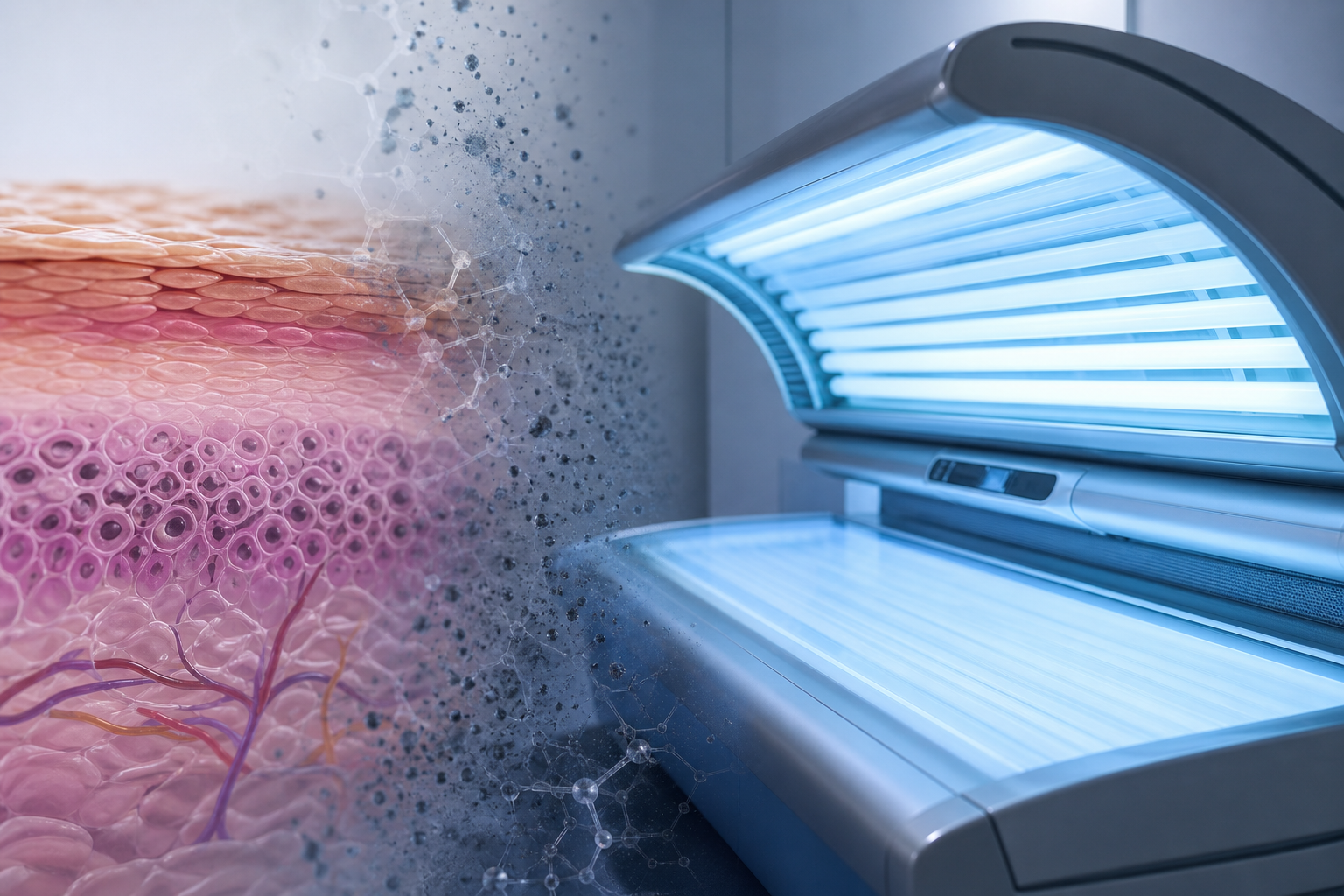
Photoaging describes the premature aging of the skin caused predominantly by chronic exposure to UV radiation. It manifests clinically as wrinkles, loss of skin elasticity, uneven pigmentation, rough texture, and telangiectasia. At the molecular level, UV radiation degrades collagen and elastin fibers within the dermis, stimulating matrix metalloproteinases that break down these structural proteins and inhibit their synthesis.
Sunbeds, delivering concentrated UVA and UVB rays, mimic and intensify these processes. The sustained UVA exposure from sunbeds penetrates deeply to affect dermal connective tissue, hastening the degradation of supporting matrix components. Repeated sessions contribute to cumulative damage, resulting in visible signs of aging not commonly seen due to chronological aging alone.
Additionally, photoaged skin exhibits compromised barrier function and diminished capacity to respond to environmental challenges. These changes may perpetuate a cycle of increased UV sensitivity and further aging, underscoring the irreversible consequences of frequent sunbed use on skin health.
Which Skin Cancers Are Most Commonly Linked to Sunbed Exposure?
Sunbed UV exposure is conclusively associated with an increased incidence of various skin cancers, the most dangerous being melanoma. Melanoma originates from melanocytes and is noted for its aggressive behavior and potential to metastasize. Studies corroborate that early and regular use of sunbeds substantially elevates melanoma risk, with younger users demonstrating particularly alarming statistics.
Aside from melanoma, non-melanoma skin cancers (NMSC)—including basal cell carcinoma (BCC) and squamous cell carcinoma (SCC)—are prevalent and also linked to UV radiation. BCC tends to manifest as localized tumors rarely metastasizing but posing considerable morbidity when neglected. SCC carries a somewhat higher metastatic risk compared to BCC. Both NMSCs serve as indicators of cumulative UV injury and share etiological pathways involving DNA damage and immune modulation.
For a comprehensive understanding of how sunbed use affects melanoma and non-melanoma skin cancer risks, readers are encouraged to consult the dedicated articles: "Sunbeds and Melanoma Risk" and "Sunbeds and Non-Melanoma Skin Cancers," which provide nuanced insights into pathogenesis, statistics, and preventive strategies.
Why Is Initiating Sunbed Use at an Earlier Age Especially Hazardous?
The initiation of sunbed tanning during childhood or adolescence is linked to a disproportionately high increase in skin cancer risk relative to starting in adulthood. Young skin is more susceptible to UV-induced DNA damage because cellular repair mechanisms are not fully mature, and the cumulative effects of UV exposure have a longer timeframe to influence mutagenesis.
Moreover, early exposure may sensitize skin cells, making later UV encounters more prone to generating harmful mutations. Due to these critical considerations, global health authorities recommend legal restrictions limiting sunbed access for those under 18 years. Public health campaigns emphasize education to dissuade underage use and advocate for alternatives that do not involve UV radiation.
Can Burns from Sunbeds Be Treated and How Can Their Harmful Effects Be Minimized?
Burns induced by sunbed exposure warrant prompt and appropriate care to facilitate skin recovery and prevent complications. Treatment generally involves the use of topical emollients and anti-inflammatory agents to soothe irritation and promote healing. Over-the-counter analgesics can alleviate discomfort, while cool compresses may reduce inflammation.
Importantly, consultation with healthcare professionals—dermatologists or pharmacists—is advisable to tailor management based on burn severity and individual health profiles. Avoiding additional UV exposure during healing is essential, as ongoing damage can exacerbate outcomes.
Preventative strategies remain paramount: employing measured exposure times, adhering to recommended intervals, and recognizing personal skin responses to UV radiation can reduce the likelihood of burns. Nevertheless, given the cumulative risk of even subclinical damage from sunbeds, minimizing or foregoing their use altogether aligns with safer skin practices.
How Does Sunbed Use Contribute to Uneven Skin Pigmentation and What Are the Recommended Approaches?
Uneven pigmentation, including hyperpigmented patches and age spots, frequently arises from prolonged UV exposure affecting melanocyte distribution and activity. Sunbeds can trigger localized overproduction of melanin, resulting in blotchy or irregular coloration. These pigmentary changes, besides being cosmetically undesirable, indicate underlying dermal and epidermal alterations susceptible to pathological progression.
Addressing uneven pigmentation involves both preventive and corrective measures. Preventive tactics emphasize limiting UV exposure and consistently applying sun protection. Corrective approaches often require professional evaluation, with options spanning topical depigmenting agents, chemical peels, and laser therapies tailored to lesion characteristics.
Given the complexity of pigmentation disorders, individuals experiencing such changes after sunbed use are advised to seek dermatological advice for accurate diagnosis and personalized treatment plans For further insight, the article "Sunbeds and Uneven Pigmentation" presents comprehensive information on mechanisms and management.
What Are Expert Recommendations Regarding Sunbed Use and UV Exposure?
Medical consensus uniformly highlights the lack of a safe exposure threshold to UV radiation from sunbeds. Major institutions, including the World Health Organization and dermatological societies worldwide, advocate against recreational use of sunbeds. They emphasize that any artificial UV exposure increases cumulative skin damage and lifetime cancer risk.
Alternatives to UV tanning such as topical bronzers and spray tans provide cosmetic options without compromising skin integrity. Additionally, recommendations underscore the importance of medical screening and consultation before any UV treatment, especially for those with photosensitive conditions or on photosensitizing medications.
These expert guidelines serve not only to protect individual health but also to inform public policy and consumer awareness urban myths and misinformation about tanning safety often obscure. Informed adherence to these recommendations is a critical component of comprehensive skin cancer prevention strategies.