Classic deep facial cleansing is a foundational skincare treatment that has endured through decades for its effectiveness in revitalizing the skin. Designed to meticulously remove deeply lodged impurities, excess sebum, and blackheads, this professional procedure goes beyond the surface to target the underlying causes of clogged pores and dull complexions. It is an essential resource for individuals who seek not only clearer, smoother skin but also a preventative measure against acne and other common skin concerns.
This editorial aims to demystify the classic deep facial cleansing process, directly addressing those considering it as part of their skincare routine. Whether you struggle with oily or combination skin, persistent blackheads, or just want to maintain a healthy glow as you age, this treatment can be a transformative step. Understanding the procedure, expected results, and recovery will empower you to make informed decisions and optimize your skin health.
By examining what classic deep facial cleansing entails, who can benefit the most, and how it compares with other skincare options, this article will serve as a comprehensive guide. It incorporates insights relevant to the Facial Rituals category, emphasizing non-invasive yet impactful treatments that respect the skin's natural barrier while delivering visible improvements.
What Is Classic Deep Facial Cleansing and How Does It Work?
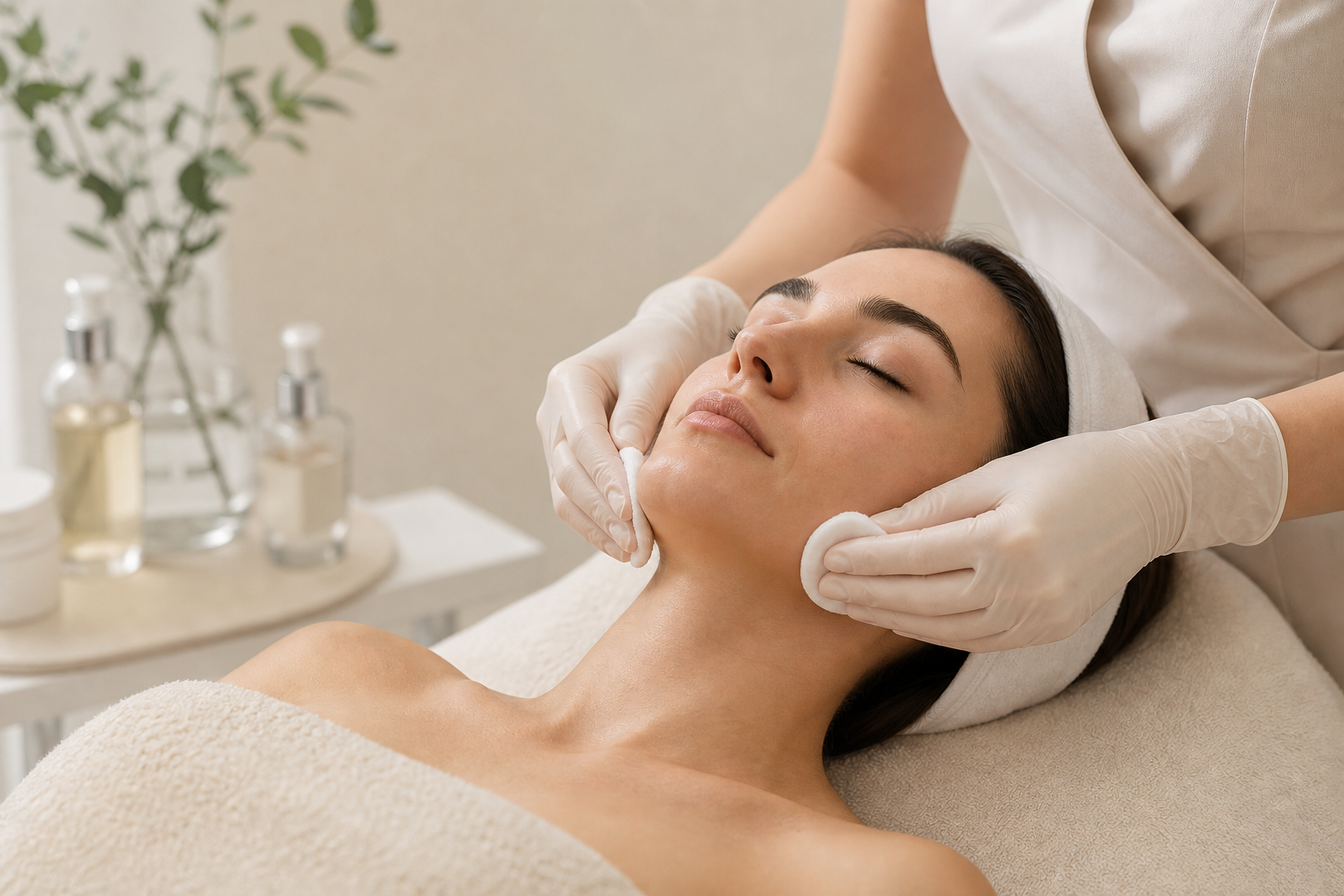
Classic deep facial cleansing is a meticulous skincare procedure usually performed by trained cosmetologists or dermatologists within a salon or clinical setting. Unlike everyday cleansing routines, which primarily remove surface dirt and oils, this treatment aims to penetrate deep into the pores to eliminate residual contaminants invisible to the naked eye.
The process unfolds through several carefully coordinated steps. Initially, surface makeup and superficial impurities are removed using specialized cleansers to prepare the skin. Following this, the skin undergoes a gentle exfoliation—either mechanical with fine granules or chemical via mild acids—that dissolves dead skin cells and primes the pores for deeper cleaning.
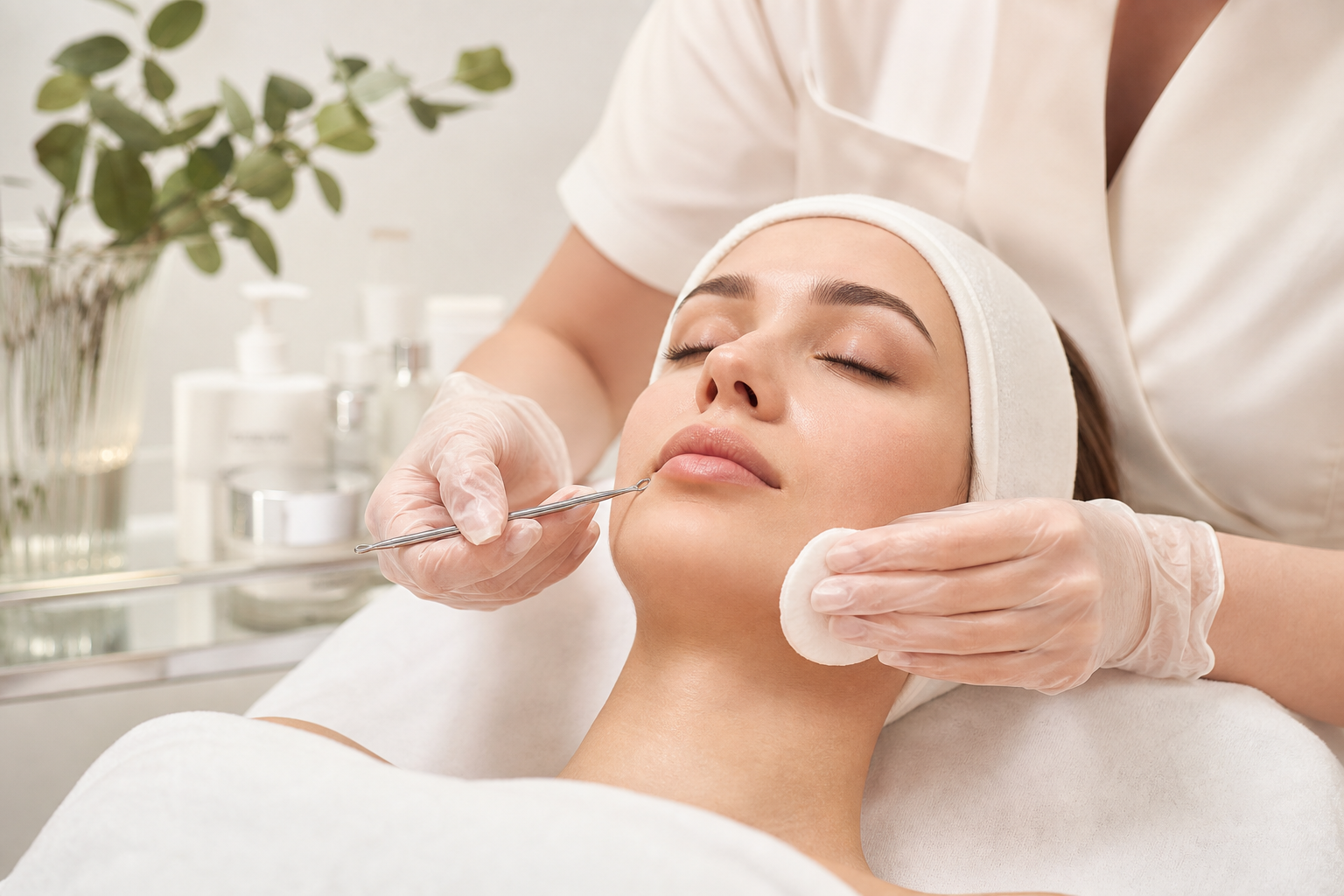
Next, the application of steam or a warm lamp softens the skin, opening up pores and facilitating the extraction of sebum plugs and blackheads. This manual extraction phase demands precision and skill, as improper techniques can cause irritation or even scarring.
To conclude, aftercare involves disinfecting the treated areas, toning to restore pH balance, and applying nourishing creams or serums to soothe and hydrate the skin. This sequence not only cleanses but also supports the skin’s natural regenerative processes.
Who Benefits Most From Classic Deep Facial Cleansing?
This treatment is particularly advantageous for individuals with oily or combination skin types, prone to excess sebum production and clogged pores. Acne sufferers often find relief through deeper cleansing that minimizes the build-up of comedones and reduces inflammation.
However, its utility is not confined to those facing active skin problems. Even people with normal skin who desire a fresh, luminous complexion and wish to prevent future issues may incorporate this cleansing into their routine.
Conversely, individuals with highly sensitive skin, active dermatitis, rosacea, or open wounds should approach the treatment cautiously. Consulting a dermatologist prior to the procedure is advised to determine whether classic deep cleansing suits their skin condition.
What Are the Benefits of Classic Deep Facial Cleansing?
The primary benefit is the thorough removal of dirt, oils, and dead skin cells lodged deep within pores. This level of cleansing reduces the visibility of blackheads and supports clearer, more even-toned skin.
Moreover, by stimulating skin turnover through exfoliation and subsequent nutrients absorption, the treatment enhances skin texture and radiance. Regular sessions may regulate sebum production, thus helping to prevent future acne flare-ups and maintain a balanced complexion.
Additionally, the enhanced penetration of moisturizers and serums post-treatment nourishes the skin deeply, assisting in hydration and repair. Overall, classic deep facial cleansing sets a strong foundation for long-term skin health and youthful appearance.
Step-by-Step Procedure of Classic Deep Facial Cleansing
The procedure typically spans 60 to 90 minutes, with the following key steps:
1. Makeup and Surface Impurity Removal: The skin is thoroughly cleansed using gentle lotions or gels to remove oil, dirt, and makeup residues.
2. Exfoliation: A mechanical scrub or mild chemical peel is applied to slough off dead skin cells and prep the skin for deeper cleansing.
3. Pore Opening via Steam or Lamp: Warm steam softens the skin and opens pores, easing the forthcoming extraction process.
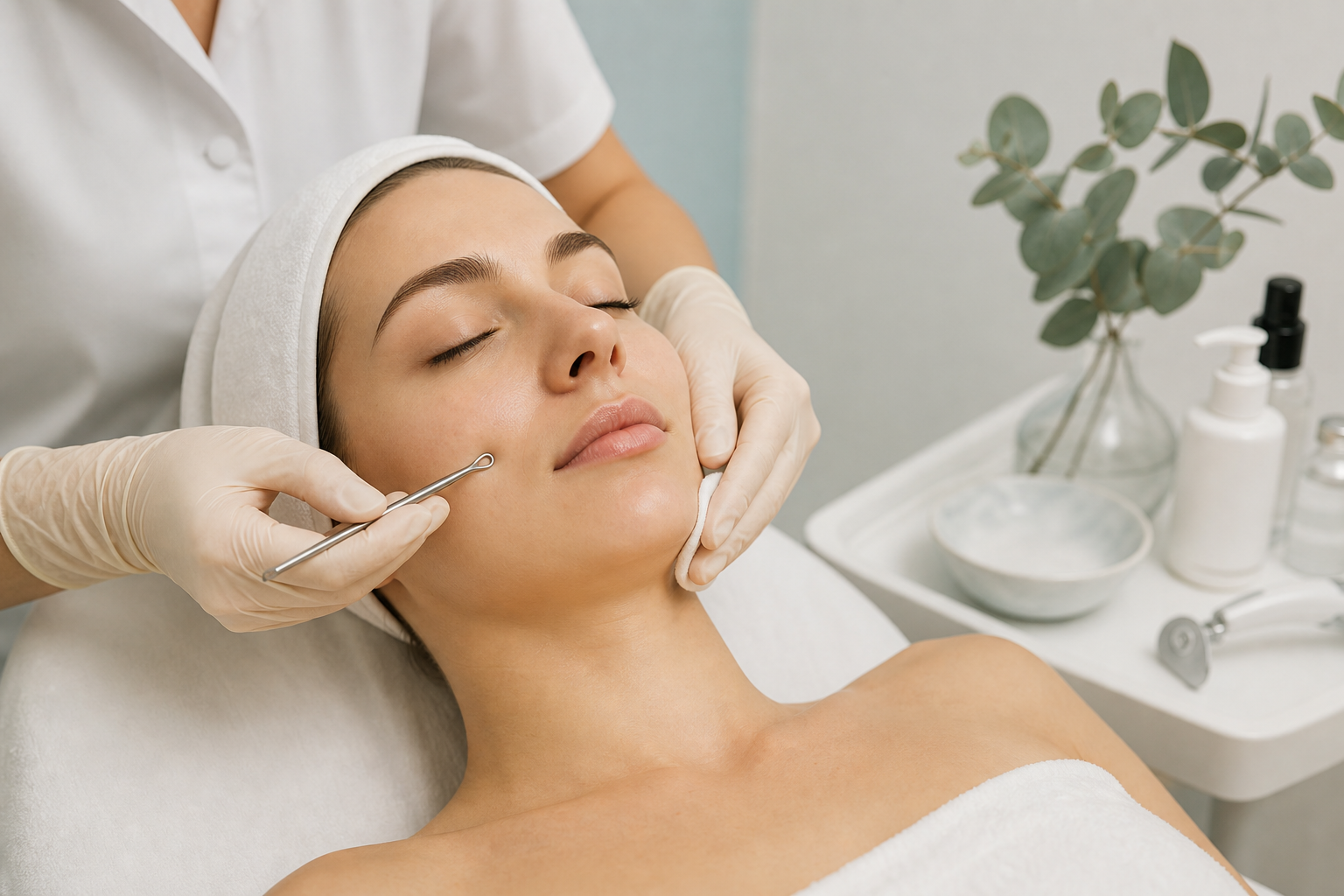
4. Manual Extraction: Skilled cosmetologists carefully remove comedones and blockages using sanitized tools and techniques that minimize trauma.
5. Disinfection and Toning: Antiseptic solutions and toners close pores and reduce the risk of infection and irritation post-extraction.
6. Hydration and Protection: Application of moisturizing creams or serums completes the treatment, supporting skin recovery and defense against environmental stressors.
What Results Can Be Expected and When Do They Appear?
Immediately after the session, many people notice a cleaner, brighter complexion with reduced blackhead visibility and a more even skin texture. Mild redness or slight swelling may appear temporarily but typically subsides within hours.
Optimal results generally emerge after several treatments spaced according to professional advice, commonly once a month. This consistency allows the skin to rebalance, heal, and strengthen naturally.
Long-term benefits include sustained pore refinement, increased skin smoothness, decreased breakouts, and an overall healthier appearance. It is important to maintain proper home care and sun protection to preserve these effects.
Understanding Recovery and Post-Treatment Care
Recovery from classic deep facial cleansing is generally swift and uncomplicated. Patients might experience slight skin sensitivity or redness for a day following treatment. These symptoms are typical and indicate that the skin is responding to the cleansing process.
It is advisable to avoid harsh skincare products, exfoliants, and heavy makeup for at least 24 hours to allow the skin to recover fully. Using gentle moisturizers and sunscreen with high SPF is crucial to protect the skin from UV damage during its vulnerable phase.
If swelling or inflammation persists beyond a reasonable timeframe, or if any unusual discomfort arises, consulting the skincare professional or a dermatologist is recommended.
Safety Considerations and Limitations
Given that manual extraction carries a risk of skin injury if improperly performed, entrusting the procedure to certified skin specialists is imperative. Sterile tools and hygienic environments are essential to prevent infections.
Certain medical and dermatological conditions may contraindicate this treatment, including active acne cysts, open wounds, or chronic inflammations. It is important for candidates to disclose their full skin history to the professional before undergoing any treatment.
Additionally, classic deep facial cleansing should not replace prescribed medical acne therapies or treatments requiring clinical intervention but rather serve as a supportive care method within a comprehensive skincare strategy.
Comparing Classic Deep Facial Cleansing With Other Facial Treatments
Classic deep facial cleansing stands out due to its traditional, hands-on approach that combines manual extractions with thorough cleansing and nourishment steps. Alternatives such as ultrasonic cleansing, laser treatments, or chemical peels vary in invasiveness, efficacy, and suitability based on skin type and condition.
Individuals with sensitive or compromised skin may prefer gentler or more advanced modalities, as recommended by skin health professionals. Meanwhile, those with stubborn blackheads and oily skin often benefit from the balanced intensity offered by classic deep cleansing without resorting to more aggressive measures.
In summary, selecting the appropriate facial treatment depends on personal skin goals, current skin issues, and professional advice. Classic deep facial cleansing remains a versatile and valuable option within this spectrum.
Frequently Asked Questions About Classic Deep Facial Cleansing
Does the procedure hurt? Most find the treatment comfortable, though some pressure during extractions may cause minor discomfort. Skilled practitioners work to minimize pain.
How often should I have the treatment? Typically every 3 to 4 weeks, depending on skin type and condition, to maintain results without over-stressing the skin.
Can I apply makeup immediately after? It is best to wait a few hours to let the skin calm down and reduce the risk of irritation or clogged pores.
Is it suitable for all skin types? While beneficial for many, those with sensitive or inflamed skin should seek professional evaluation before proceeding.