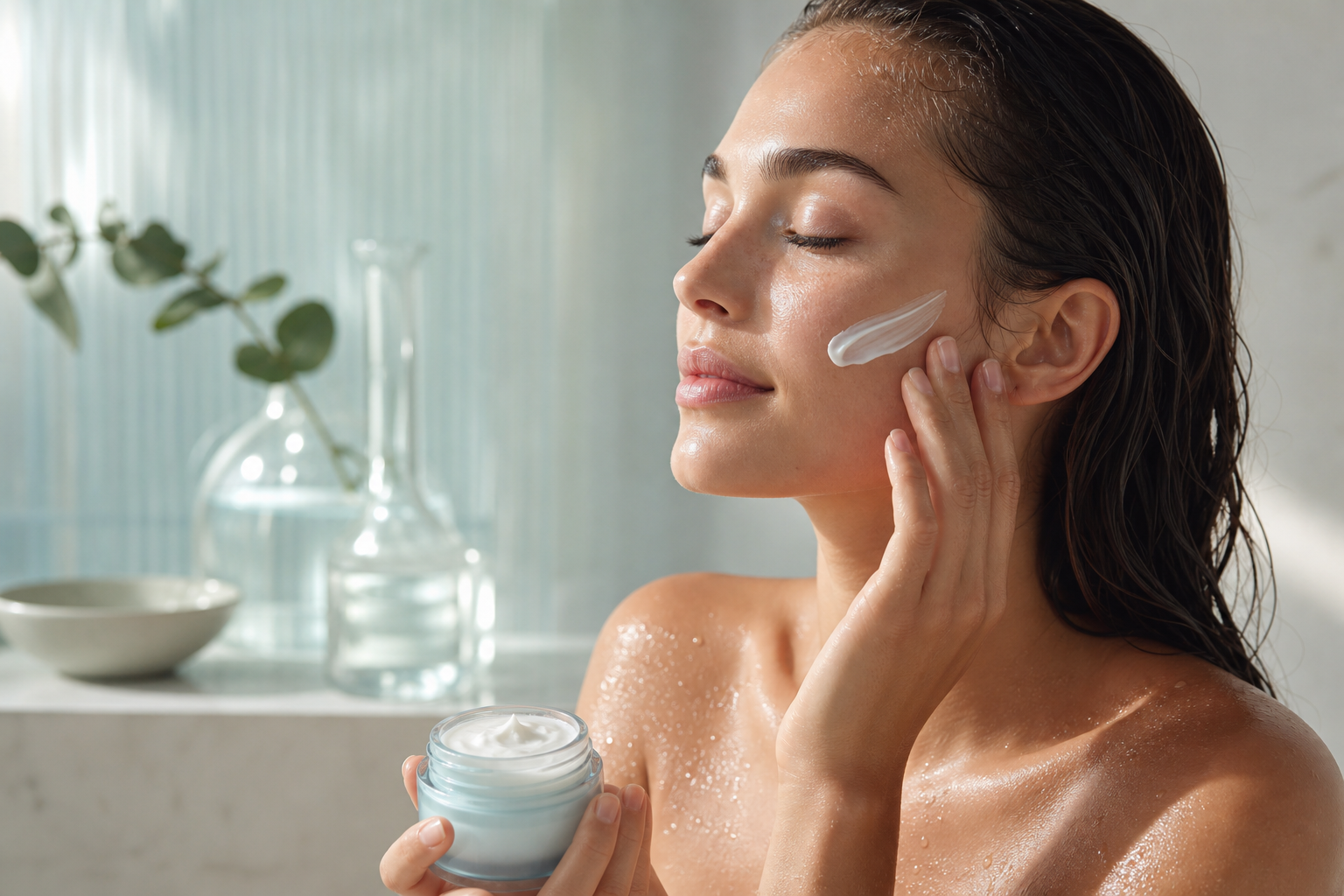
Acne is a common and often frustrating skin condition affecting millions worldwide, particularly during adolescence but also extending into adulthood. Those struggling with acne frequently seek effective treatments to manage blemishes, blackheads, and excess oil production. One such treatment that garners considerable attention is deep facial cleansing. This procedure promises to purify the skin by thoroughly removing impurities and excess sebum, potentially aiding in acne control. But does deep cleansing truly help with acne, or are there limitations to its effectiveness?
This article explores the role of deep facial cleansing within the broader context of acne care. We will delve into what constitutes deep cleansing, who may benefit from it, and how it interacts with the complex physiology of acne-prone skin. Understanding its benefits and constraints is essential for anyone seeking to improve their complexion safely and sensibly. Particularly important is distinguishing between mild to moderate acne forms suitable for cleansing interventions and more severe cases that require specialized dermatological treatment.
By providing a nuanced perspective grounded in dermatological principles and skin care expertise, this editorial aims to help readers make informed decisions about incorporating deep cleansing into their acne management routines.
What Is Deep Cleansing and How Does It Work on Acne-Prone Skin?
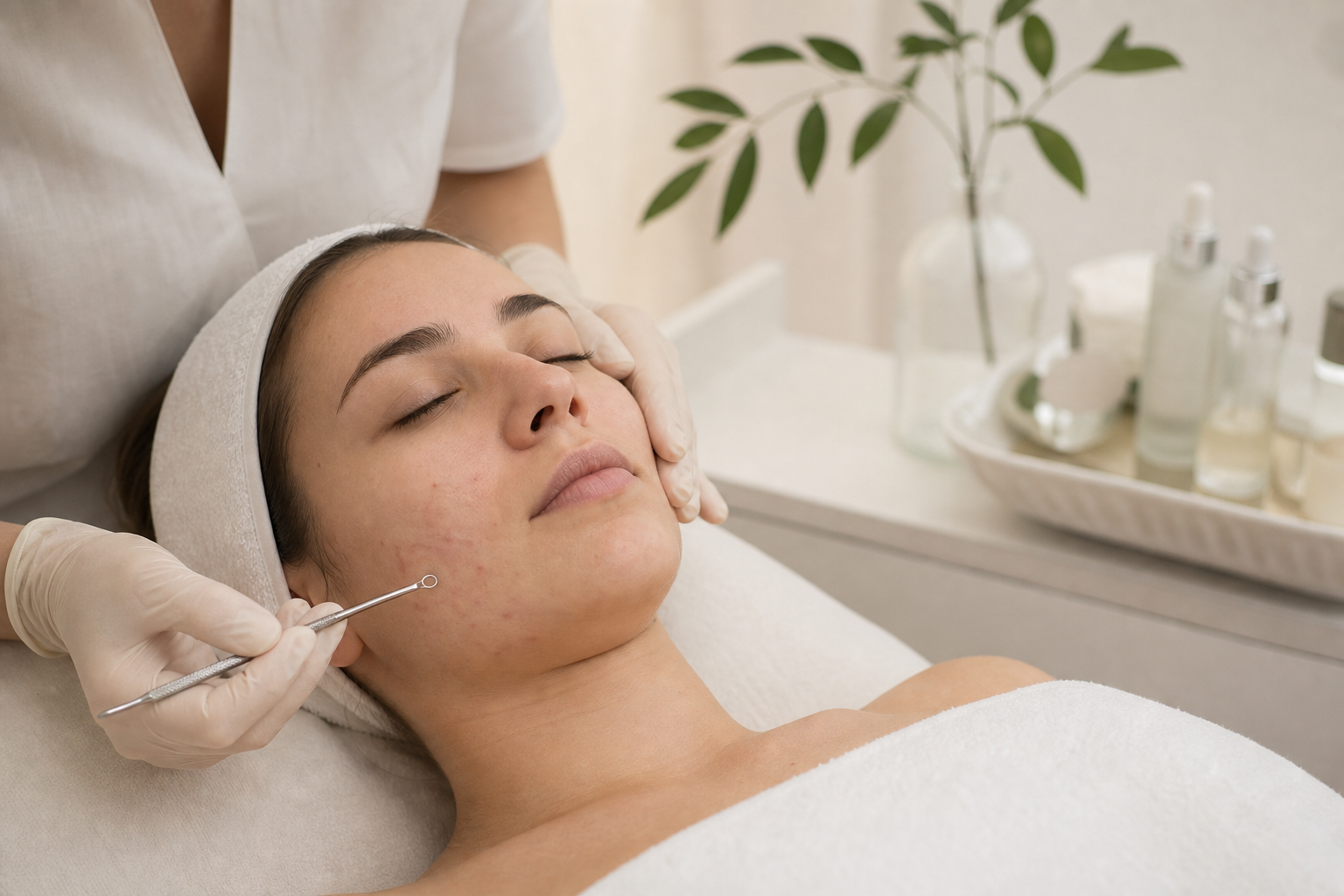
Deep cleansing refers to a multi-step facial treatment designed to thoroughly cleanse the skin by removing accumulated dirt, oil, dead skin cells, and blackheads from the pores. Unlike standard cleansing routines that primarily remove surface impurities, deep cleansing aims at unclogging pores and refining skin texture through a combination of techniques. These may include a gentle double cleanse, exfoliation via chemical or mechanical means, steaming to open pores, manual or mechanical extraction of comedones, soothing tonics or anti-inflammatory masks, and targeted moisturization.
When performed correctly, deep cleansing helps reduce pore congestion, a key factor in the genesis of acne lesions, particularly non-inflammatory comedones (blackheads and whiteheads). By clearing blockages, it creates a more receptive canvas for active acne treatments and daily skin care products, potentially enhancing their efficacy. However, it is crucial to recognize that deep cleansing is not an invasive nor curative procedure for active inflammatory acne.
The effectiveness of deep cleansing depends significantly on individual skin type, the nature and severity of acne, and the method used during the treatment. Overzealous or inappropriate cleansing can disrupt the skin barrier, causing irritation and exacerbation of acne symptoms.
Who Should Consider Deep Cleansing for Acne Management?
Deep cleansing tends to benefit individuals with oily or combination skin displaying mild to moderate acne characterized mainly by comedones and minimal inflammation. Such skin types often exhibit sebaceous gland hyperactivity leading to excessive sebum production, which can be managed in part through regular cleansing aimed at preventing pore blockages.
Those experiencing inflammatory acne, including pustules, nodules, cysts, or severe redness, should approach deep cleansing with caution and under professional guidance. In these cases, manual extraction or aggressive treatments could worsen inflammation, increase the risk of infection, or lead to scarring.
It is advised that individuals with moderate to severe acne consult a board-certified dermatologist before initiating any deep cleansing procedures. This consultation helps ensure that treatment approaches are appropriately matched to skin condition severity, combining clinical therapies when necessary.
Benefits of Deep Cleansing in Acne-Prone Skin Care
When applied appropriately, deep cleansing offers several advantages for managing acne-prone skin. Primarily, it facilitates the removal of excess sebum and dead skin cells that contribute to clogged pores and blackhead formation. Clearing these blockages addresses an initial step in the acne development pathway.
Furthermore, deep cleansing allows for better penetration and activity of subsequent topical treatments, both over-the-counter and prescription. The skin's surface becomes more permeable to acne-fighting ingredients, potentially increasing their effectiveness.
Additionally, exfoliation included in deep cleansing helps smooth the skin's texture, reducing rough patches and improving overall skin appearance. The process often incorporates calming and hydrating components that aid in soothing the skin, minimizing irritation often associated with acne.
Beyond the physical benefits, there is a psychological positive impact; individuals frequently report a renewed sense of skin freshness and confidence after deep cleansing sessions, which can motivate more consistent and careful daily skin care practices.
Limitations and Risks of Deep Cleansing for Acne
Despite its benefits, deep cleansing is not a standalone cure for acne, especially in cases involving significant inflammation or cystic lesions. It cannot address the hormonal, bacterial, or immune response factors that underpin many acne presentations. Importantly, aggressive extraction or exfoliation without professional supervision risks mechanical injury to the skin, leading to microtears, irritation, and even post-inflammatory hyperpigmentation.
For inflamed and sensitive skin, deep cleansing procedures can sometimes exacerbate redness and swelling, paradoxically worsening symptoms. Inappropriate frequency or technique can impair the skin's barrier function, resulting in increased susceptibility to irritation and secondary infection.
Another limitation is that improvements from deep cleansing are generally temporary and require repeated treatments combined with comprehensive skin care and lifestyle adjustments to maintain results. Without addressing underlying causes such as hormonal imbalance or diet, deep cleansing alone is insufficient for long-term acne remission.
Comparing Home-Based Deep Cleansing and Professional Treatments
Deep cleansing can be performed at home using suitable products formulated for acne-prone skin, such as gentle cleansers, chemical exfoliants (like salicylic acid), and non-comedogenic moisturizers. These routines offer convenience and cost-effectiveness and may suffice for individuals with mild skin concerns.
Professional treatments conducted by licensed aestheticians or dermatologists bring a higher level of control and efficacy. They can incorporate techniques such as steam therapy, precision extraction of comedones, medical-grade peels, and advanced laser or light-based therapies tailored specifically to the patient's skin condition and acne type.
Medical supervision also ensures that extractions or exfoliations are performed safely, minimizing the risk of adverse effects. Professionals can provide personalized recommendations integrating topical or systemic acne treatments alongside cleansing procedures, optimizing overall management.
Preparing for and Aftercare Following Deep Cleansing
Proper preparation enhances the safety and effectiveness of deep cleansing treatments. This involves maintaining a gentle daily cleansing routine prior to the session, avoiding use of harsh exfoliants, retinoids, or other sensitizing agents for several days beforehand to reduce irritation risk. Patients should also communicate any active skin conditions, allergies, or sensitivities to their skincare professional.
Post-cleansing care is equally critical. The skin requires soothing and hydration using products free from fragrance and irritating ingredients. Sun protection is essential to prevent post-inflammatory hyperpigmentation since the skin may be more vulnerable after exfoliation or extraction. Avoiding makeup, excessive touching, or picking at the skin after cleansing supports optimal healing and prevents new breakouts.
Following these guidelines helps sustain the benefits of the treatment while protecting against complications.
What Results Can Be Expected from Deep Cleansing in Acne Care?
Realistically, deep cleansing can lead to a clearer skin appearance by reducing blackheads, controlling excess oiliness, and improving texture. Patients often notice an immediate feeling of skin freshness and clarity, along with gradual reduction in pore congestion with consistent treatment.
However, it is less effective for resolving active inflammatory acne lesions such as pustules or nodules. Improvements in acne severity depend on integration with a comprehensive skin care regimen and, when necessary, appropriate medical therapies.
The timeline for noticeable results varies based on acne type, treatment frequency, and individual skin characteristics. Regular and tailored deep cleansing, combined with proper aftercare and medical advice, generally yields the best outcomes in acne management.
Frequently Asked Questions About Deep Cleansing and Acne
Can manual extraction during deep cleansing worsen acne? If performed improperly or on inflamed lesions, manual extraction can damage the skin, spreading bacteria and triggering further inflammation. Extractions should only be conducted by trained professionals on appropriate lesions.
Which types of pimples should never be squeezed or extracted? Deep cysts, nodules, and inflamed pustules should never be squeezed due to high risk of scarring and infection. These lesions require dermatological treatment.
What differentiates medical-grade deep cleansing from cosmetic treatments? Medical deep cleansing involves clinical assessment, use of antiseptics, specialized peels, and device-assisted pore cleansing procedures prescribed and performed under dermatological supervision, often combined with pharmacological acne therapy.