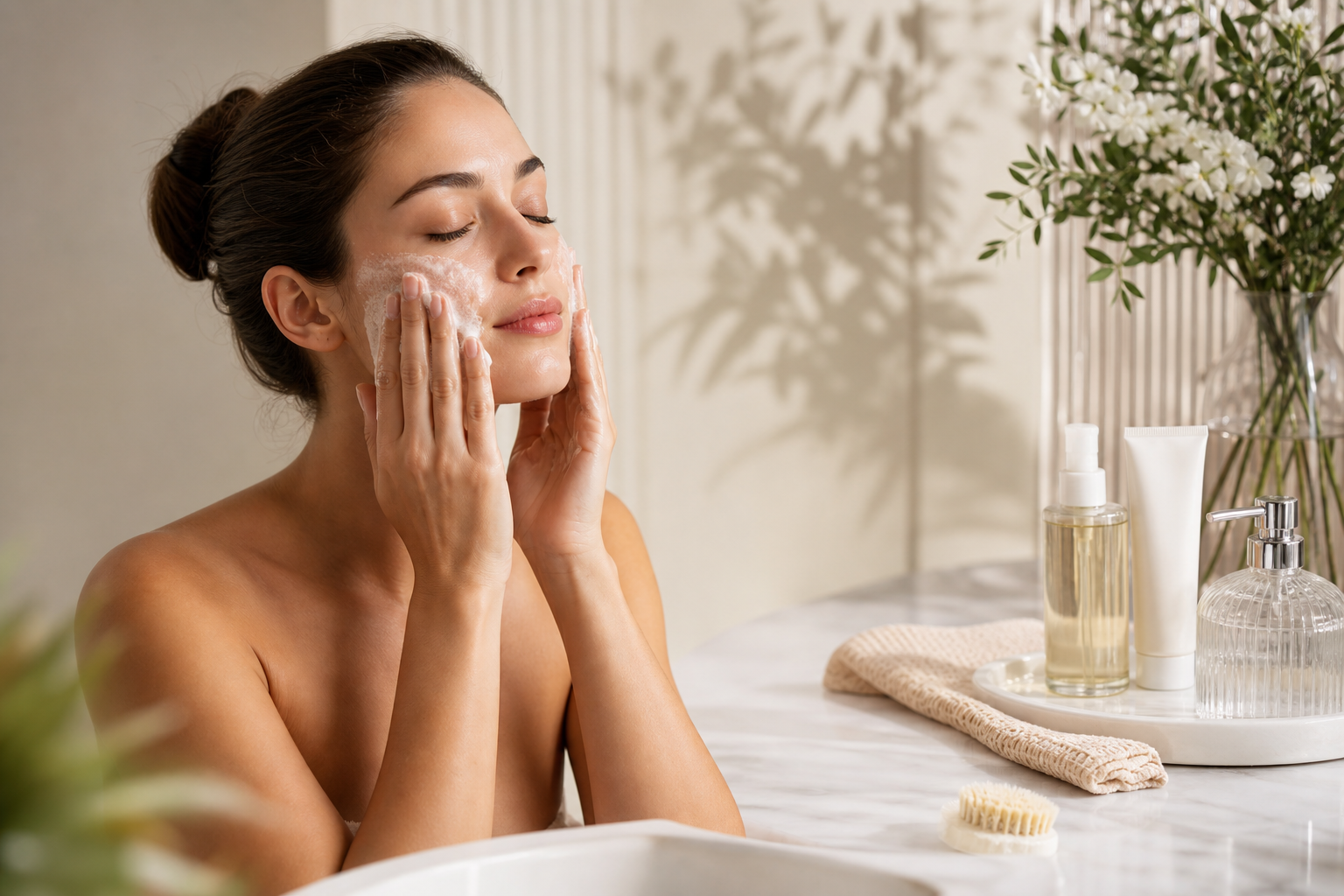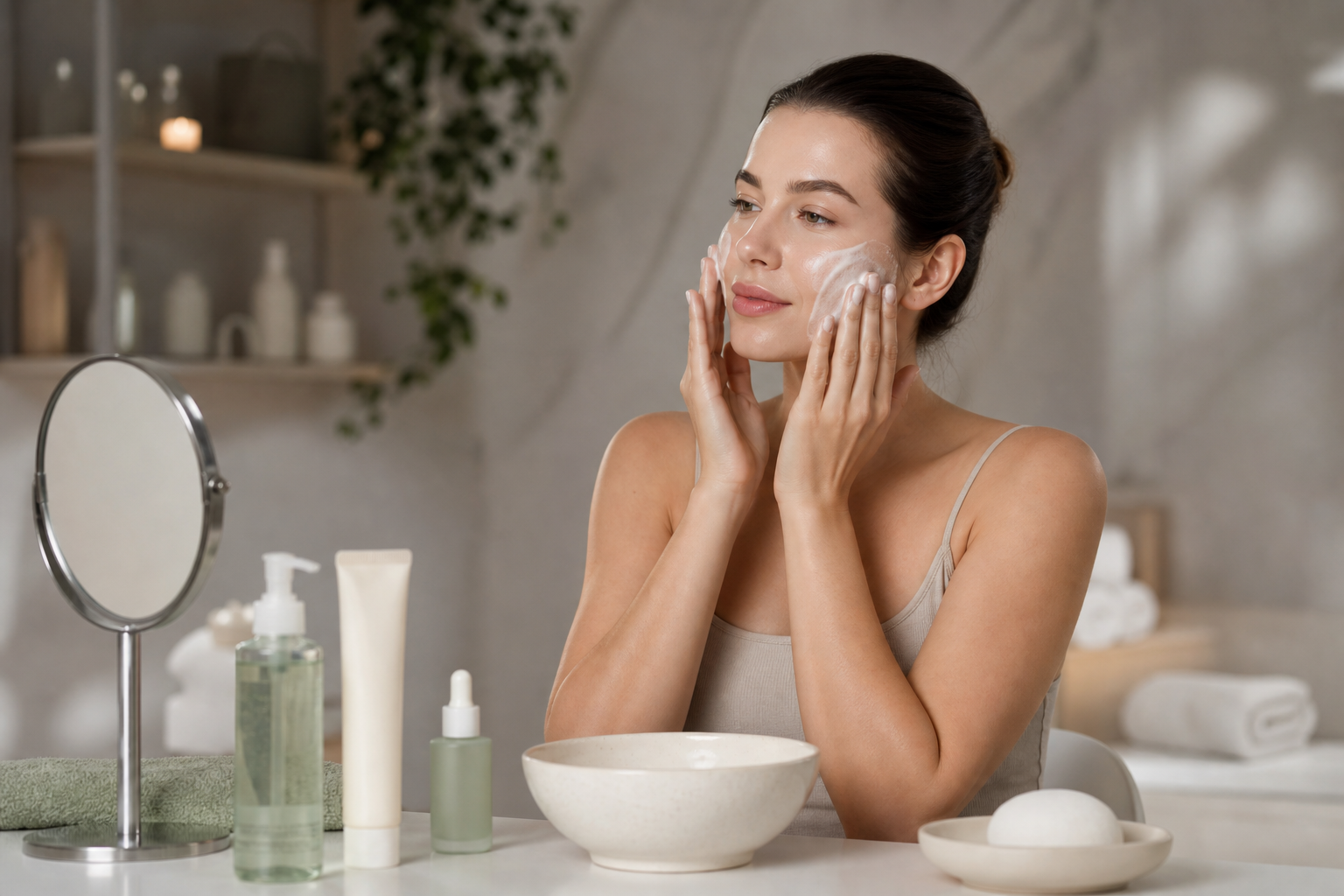
Properly cleansing your face at home is a foundational practice for maintaining radiant, healthy skin. It involves more than a simple splash of water or casual wipe with a cloth. Proper face cleansing is a thoughtful, deliberate process designed to remove dirt, excess oils, makeup residues, and environmental pollutants without compromising the skin’s delicate balance. This ritual is essential for anyone seeking to enhance their complexion, prevent common skin issues, and prepare the skin for effective absorption of serums and moisturizers.
This comprehensive guide is intended for a broad audience: whether you are a skincare novice wanting to establish a reliable face-cleansing routine or an experienced enthusiast aiming to refine techniques and adopt deeper cleansing methods. In today’s environment, where pollution, prolonged mask use, and widespread makeup and SPF application are commonplace, learning to cleanse your face properly at home is more important than ever. It helps to maintain skin integrity, reduce the risk of clogged pores and acne, and supports your skin’s ability to rejuvenate naturally.
Throughout this article, we will explore the nuances of proper face cleansing, tailor advice for different skin types, and introduce complementary deep cleansing facial techniques that can elevate your home skincare ritual. You will also find practical tips and product recommendations aimed at achieving a clear, glowing complexion in the comfort of your home.
What Does Proper Face Cleansing Entail?
Face cleansing is not merely a routine task; it is a precise skincare step aimed at clearing the skin surface and pores of impurities while safeguarding its natural defenses. Proper cleansing involves gentle but effective removal of dead skin cells, oils, makeup residues, and environmental pollutants that accumulate throughout the day.
True cleansing respects the skin's pH and moisture barrier, which are critical for preventing dryness, irritation, or excessive oil production. Using overly harsh soaps, hot water, or abrasive scrubbing methods can undermine this barrier, causing unwanted sensitivity or imbalance. Instead, a well-conceived cleansing method combines suitable products with gentle techniques to maintain skin health.
The essential components of proper cleansing include selecting a cleanser compatible with your skin type, applying it with gentle circular motions to lift impurities, rinsing thoroughly with lukewarm water, and drying the face carefully without harsh rubbing. Consistent daily cleansing sets the foundation for optimal skin condition and enhances the effectiveness of subsequent skincare steps.
Who Should Prioritize Learning Proper Face Cleansing at Home?
While everyone can benefit from an effective face cleansing routine, certain groups may experience particularly noticeable improvements. For individuals with oily or acne-prone skin, regular cleansing helps to minimize pore congestion and reduce breakouts. Those with dry or sensitive skin gain from gentle cleansing that supports hydration and prevents irritation.
Additionally, makeup users and those applying sunscreens daily face the challenge of removing layered residues that can clog pores or dull the complexion. Urban dwellers exposed to pollution likewise require thorough cleansing to prevent environmental damage. Teenagers beginning to explore skin care are well-advised to establish proper cleansing habits early to build a healthful foundation.
Beyond daily benefits, individuals interested in complementing their routine with deep cleansing facials or non-invasive treatments will find that mastering home cleansing maximizes results and helps maintain skin clarity between professional appointments.
How Does Deep Cleansing Facial Fit into Your At-Home Routine?
Daily cleansing maintains skin hygiene on the surface, but deep cleansing facials address buildup lodged within pores that can contribute to blackheads, dullness, and uneven texture. These intensive treatments remove impurities that daily routines may not fully eliminate, promoting clearer and smoother skin.
In professional settings, deep cleansing facials often incorporate steam, gentle exfoliation, extraction, and detoxifying products. At home, you can approximate many of these benefits using carefully chosen exfoliants, facial steamers, and purifying masks designed for safe self-application.
Incorporating a deep cleansing facial once a week or every two weeks can accelerate detoxification, support skin renewal, and sustain pore clarity. This enhanced cleansing practice is especially valuable for those contending with blackheads, enlarged pores, or dull tone, while also delivering a relaxing spa-like ritual for skin and mind.
What Are the Essential Steps for Properly Cleansing Your Face at Home?
Remove Makeup and Sunscreen First: Begin with an oil-based cleanser or micellar water. These products effectively dissolve makeup, sunscreen, and surface grime, allowing your primary cleanser to penetrate pores more deeply.
Choose the Right Cleanser: Select a cleanser matched to your skin type. Foaming or gel cleansers benefit oily skin, creamy and hydrating formulas favor dry skin, and fragrance-free, gentle cleansers suit sensitive skin best.
Use Lukewarm Water: Water that is too hot can strip essential oils and sensitize the skin, while cold water may not break down impurities effectively. Lukewarm water strikes the optimal balance.
Gentle Application: Apply cleanser in soft, circular motions using fingertips to gently lift away dirt without rough friction that could damage the skin.
Rinse Thoroughly: Avoid leaving any product residue, as it can contribute to clogged pores or irritation.
Pat Dry, Don’t Rub: Use a soft, clean towel to gently pat the skin dry, minimizing abrasion and preserving skin integrity.
Follow with Toner and Moisturizer: After cleansing, toners help restore pH balance, and moisturizers lock in hydration, completing an effective cleansing ritual.
How to Select Cleansing Products Suitable for Your Skin Type?
Recognizing your skin’s unique characteristics is crucial for choosing effective cleansing products that support rather than hinder your skin’s health.
Oily or acne-prone skin benefits from cleansers containing salicylic acid or tea tree oil because they remove excess sebum and prevent pore blockage without over-drying. These formulas are often gel-based or foaming.
Dry skin requires rich, creamy cleansers with moisturizing ingredients such as glycerin, ceramides, or hyaluronic acid, which help maintain barrier function and prevent moisture loss during cleansing.
Sensitive skin needs fragrance-free, hypoallergenic cleansers containing soothing botanical extracts like chamomile or aloe vera to minimize irritation. Avoid cleansers with harsh surfactants or exfoliants.
Combination skin may necessitate balanced or nuanced approaches, such as using different products for oily and dry zones or selecting gentle cleansers that maintain equilibrium across skin areas.
What Role Does Frequency and Timing Play in Face Cleansing?
The frequency and timing of cleansing directly influence skin condition. Twice daily cleansing—in the morning and evening—is generally recommended to address overnight oil build-up and daily accumulation of dirt and makeup.
However, individuals with very dry or sensitive skin might prefer a gentler approach, cleansing thoroughly in the evening while opting for a mild rinse or light cleanse in the morning to avoid over-drying.
Evening cleansing is particularly important as it removes the day’s pollutants and makeup, fostering better skin regeneration during sleep. Morning cleansing refreshes the skin, removes excess oils produced overnight, and prepares the face for moisturizers and makeup application.
How to Incorporate Deep Cleansing Facials into Your Skin Care Routine?
Introducing deep cleansing facials once or twice a month enhances skin clarity and texture beyond daily cleansing. Employ gentle exfoliating masks with enzymes or alpha hydroxy acids (AHAs) to break down dead skin cells and clear blocked pores.
Facial steaming softens impurities, making extractions easier and less irritating when done carefully. Following this, calming masks rich in antioxidants and hydrating agents soothe any inflammation.
Modern at-home devices like sonic facial brushes or pore vacuums can replicate professional treatments safely with proper use. After deep cleansing, prioritize hydration and consistent sun protection to reinforce the skin’s barrier and prevent sensitivity.
What Are Common Mistakes to Avoid While Cleansing Your Face?
Several mistakes regularly undermine the effectiveness of face cleansing. Over-cleansing or frequent use of abrasive scrubs can damage the skin barrier, increasing sensitivity and dryness. On the other hand, inadequate cleansing leaves residue that clogs pores and dulls the complexion.
Using water that is too hot harms natural oils and can provoke irritation, while failing to rinse fully leaves cleansing products on the skin that may cause sensitivity or congestion. Applying cleansers roughly or using towels or nails aggressively can also create microtraumas.
A frequent oversight is neglecting cleansing before serum or moisturizer application, which limits product absorption and efficacy. Always begin with a clean face to maximize the benefits of your skincare products.
What Results Can You Expect from a Consistent and Proper Face Cleansing Regimen?
With steady, thoughtful cleansing adapted to your skin type, you can expect improved pore clarity, smoother texture, and fewer breakouts. Over time, the skin appears more radiant and soft, responding better to treatments like serums and moisturizers.
Those incorporating weekly deep cleansing facials may notice diminished blackheads and more even tone, along with a refined surface. A skin free of impurities also regenerates more effectively, supporting lasting health and visual vitality.
How to Adapt Your Cleansing Routine for Seasonal and Lifestyle Changes?
Skin is dynamic, altering its needs according to weather, humidity, diet, stress, and lifestyle factors. In colder months, your routine should shift toward richer, more hydrating cleansers and reduced exfoliation to prevent dryness.
During warmer seasons, a gentle, clarifying cleanser might be preferable, with more frequent rinsing to manage increased perspiration and oil production. Travel, exercise, and new environments also require flexibility, such as using travel-sized cleansers and maintaining consistency amid changing schedules.