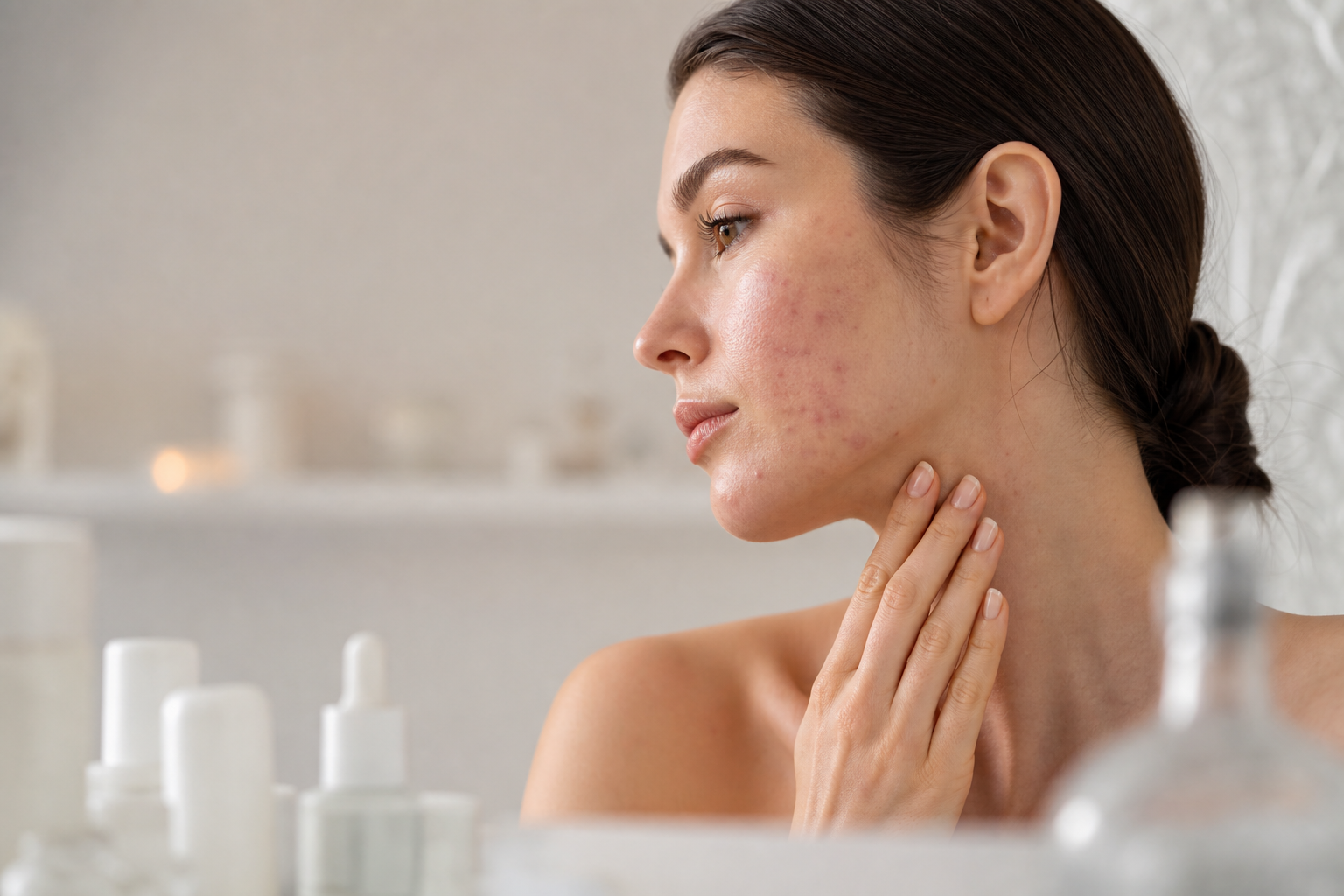
Hormonal acne represents a distinctive form of acne that is intricately linked to fluctuations in the body’s hormonal balance. Unlike common acne, which can often be attributed to external factors such as skin care routines or environmental influences, hormonal acne is rooted in internal physiological changes. It predominantly affects adults, particularly women, during periods of hormonal upheaval such as puberty, menstrual cycles, pregnancy, and menopause. Recognizing this kind of acne is essential not only for patients but also for skincare professionals, especially those engaged in anti-aging facial treatments, as it requires a nuanced approach to management and care.
This comprehensive editorial aims to elucidate how to identify hormonal acne effectively, distinguishing it from other acne types, exploring its characteristic signs and symptoms, and outlining when professional consultation is necessary. It will also provide insights into appropriate skincare strategies, discuss safety considerations in treatment, and clarify realistic expectations. This knowledge is crucial for individuals struggling with persistent acne and for experts who devise anti-aging facial protocols that accommodate the unique needs of hormonally influenced skin conditions.
Understanding hormonal acne is of significant importance as it directly impacts the quality of life and self-esteem. Misdiagnosis or inadequate treatment can exacerbate skin issues and lead to lasting damage. Through precise identification and careful therapeutic intervention, it is possible to restore skin health, improve appearance, and reduce the psychological burden associated with this persistent condition.
What Defines Hormonal Acne and Who Is Most Affected?
Hormonal acne arises primarily due to imbalances in hormones such as androgens, estrogens, and progesterone. These hormonal shifts stimulate excess sebum production and promote inflammation within the hair follicles and pores. Typically, this condition manifests in adults, with a higher prevalence among women navigating reproductive years when hormonal fluctuations are most pronounced.
Unlike other forms of acne that may be triggered by clogged pores or bacterial colonization due to external factors, hormonal acne presents with distinct localization and timing. Characteristically, lesions appear around the lower face, including the chin, jawline, and neck areas. The cyclical nature of hormonal changes, influenced by menstrual cycles, pregnancy, polycystic ovary syndrome (PCOS), or cessation of contraceptives, frequently precipitates flare-ups in these regions. This pattern provides notable clues for clinicians and patients alike.
Men and adolescents may also experience hormonal acne, particularly during puberty, but the typical adult presentation requires particular attention as it often coexists with more complex systemic issues. Recognizing hormonal acne as a multisystemic condition rather than merely a skin surface problem underscores the necessity of integrating dermatological and endocrinological perspectives for optimal care.
How to Recognize Hormonal Acne: Key Signs and Patterns
Hormonal acne is most readily identified by its clinical features and temporal association with hormone cycles. Patients often notice recurring outbreaks of inflammatory papules, pustules, and nodules localized predominantly on the lower third of the face. Painful cystic lesions are common and may be accompanied by redness and swelling, distinguishing them from milder comedonal acne.
Lesions tend not to be diffusely scattered across the face but cluster in areas sensitive to hormonal activity, such as the jawline and chin. Another hallmark is their timing—flare-ups frequently coincide with the premenstrual phase, implicating hormonal triggers. This cyclical nature is a critical diagnostic clue that differentiates hormonal acne from acne driven by stress, diet, or environmental factors, which typically have irregular or constant presentations without a clear pattern.
Patients often report resistance to conventional skincare products or treatments aimed at typical acne blemishes. Persistent or worsening outbreaks despite adherence to standard regimens should prompt consideration of a hormonal etiology. Additionally, hormonal acne may coincide with other systemic symptoms like irregular menstrual cycles or increased hair growth, further signaling an underlying endocrine component.
When to Seek Dermatological or Endocrinological Expertise
Prompt consultation with healthcare professionals is essential when acne persists beyond several weeks, fails to respond to over-the-counter treatments, or is accompanied by systemic symptoms suggesting hormonal imbalance. Dermatologists possess the clinical expertise to differentiate hormonal acne from other dermatological conditions and advise on tailored topical or systemic therapies.
Given that hormonal acne is often a manifestation of underlying endocrine disturbances, referral to an endocrinologist is recommended when patients exhibit symptoms such as menstrual irregularity, unexplained weight changes, or signs of polycystic ovary syndrome (PCOS). A collaborative approach between dermatologists and endocrinologists ensures comprehensive evaluation and management of both dermatological and hormonal aspects.
Self-medicating with hormone supplements without professional guidance is discouraged due to potential adverse effects, including exacerbation of acne and systemic complications. Therefore, individualized diagnosis and treatment planning under medical supervision are paramount to achieving favorable outcomes safely.
What Therapeutic Approaches Are Recommended for Hormonal Acne?
Treatment of hormonal acne requires an integrative approach aligned with the patient’s hormonal profile, skin condition, and overall health. Initial evaluation often includes assessing hormonal status through laboratory investigations to inform therapeutic decisions.
Skincare interventions frequently incorporate non-invasive, gentle anti-aging facial treatments that promote skin regeneration and hydration without exacerbating inflammatory lesions. Such treatments may include mild chemical peels, low-level light therapy, or specialized facials formulated with calming and antioxidant ingredients. These modalities support skin barrier repair and reduce inflammatory processes essential for managing acne sequelae.
Pharmacological options may involve topical agents like retinoids, which normalize follicular epithelial turnover and reduce comedone formation, as well as anti-androgen therapies or oral contraceptives that modulate hormone levels. Prescription of these agents necessitates medical oversight to monitor efficacy and safety.
Lifestyle modifications play a complementary role; dietary adjustments to minimize high glycemic load foods, adequate sleep hygiene, and stress management are instrumental in mitigating hormonal fluctuations and reducing acne severity. These holistic components are integral to sustainable treatment plans.
Understanding the Limitations and Setting Realistic Expectations
It is imperative to acknowledge that hormonal acne does not resolve instantaneously and may require prolonged, consistent treatment. Patients should be prepared for a gradual improvement trajectory, often spanning several months, with intermittent flare-ups possibly occurring during hormonal transitions.
No single treatment guarantees complete clearing, and individualized regimens often need adjustment over time. Recognizing the chronic and multifactorial nature of hormonal acne helps manage expectations and encourages adherence to therapy.
Moreover, while anti-age facial treatments can improve skin texture and reduce post-inflammatory hyperpigmentation or scarring, they are adjunctive rather than definitive cures for active hormonal acne. The collaboration between patients and practitioners to tailor approaches and maintain follow-ups is essential for optimizing results and minimizing frustration.
Safety Considerations in Anti-Aging Facial Treatments for Hormonal Acne
Anti-aging facial treatments recommended for individuals with hormonal acne should be carefully selected to avoid aggravating sensitive, inflamed skin. Procedures that rely on non-invasive technologies and avoid mechanical trauma or excessive chemical exfoliation tend to have better safety profiles in this population.
These treatments aim to enhance collagen synthesis, improve skin hydration, and support barrier integrity without inciting further inflammation. Clinicians must customize protocols based on the severity and activity of acne lesions, avoiding interventions that may disrupt the skin’s microbiome or provoke irritation.
When performed under expert supervision, such anti-aging facial therapies serve as valuable adjuncts, complementing medical treatments while improving skin resilience and aesthetic appearance. Ensuring patient education about proper aftercare and potential reactions reinforces safety and effectiveness.
Influence of Internal and External Factors on Hormonal Acne Development
Hormonal acne results from a complex interplay between endogenous hormone fluctuations and external environmental factors. Internal elements such as chronic stress, sleep deprivation, and imbalanced nutrition contribute significantly to hormonal dysregulation and subsequent skin inflammation.
Externally, exposure to pollutants, harsh skincare chemicals, and inappropriate cosmetic products can exacerbate acne by irritating the skin or disrupting its natural barrier. Understanding the role of these factors highlights the necessity of comprehensive management strategies that extend beyond mere topical treatment to include lifestyle and environmental modifications.
A multidisciplinary approach incorporating dermatological care, hormonal evaluation, stress reduction techniques, and lifestyle counseling is paramount in addressing the multifaceted etiology of hormonal acne effectively.
Frequently Asked Questions About Hormonal Acne
Can hormonal acne resolve without treatment?
In some cases, particularly following puberty or after hormonal stabilization, hormonal acne may diminish spontaneously. However, many individuals experience persistent or recurrent lesions that benefit from targeted therapy.
How can I differentiate hormonal acne from other types?
Hormonal acne predominantly affects the lower facial region, with flare-ups linked to hormonal cycles, and often presents as inflammatory cysts. Other acne types may have broader distribution and different triggers such as stress or environmental factors.
Does diet impact hormonal acne?
Diet can influence hormonal balance and inflammatory responses; reducing intake of refined sugars and dairy while increasing antioxidants from fruits and vegetables may help control acne severity.
Is it safe to treat hormonal acne during pregnancy?
Treatment options during pregnancy are limited to ensure fetal safety; consultation with healthcare providers is essential to select appropriate and safe interventions.


