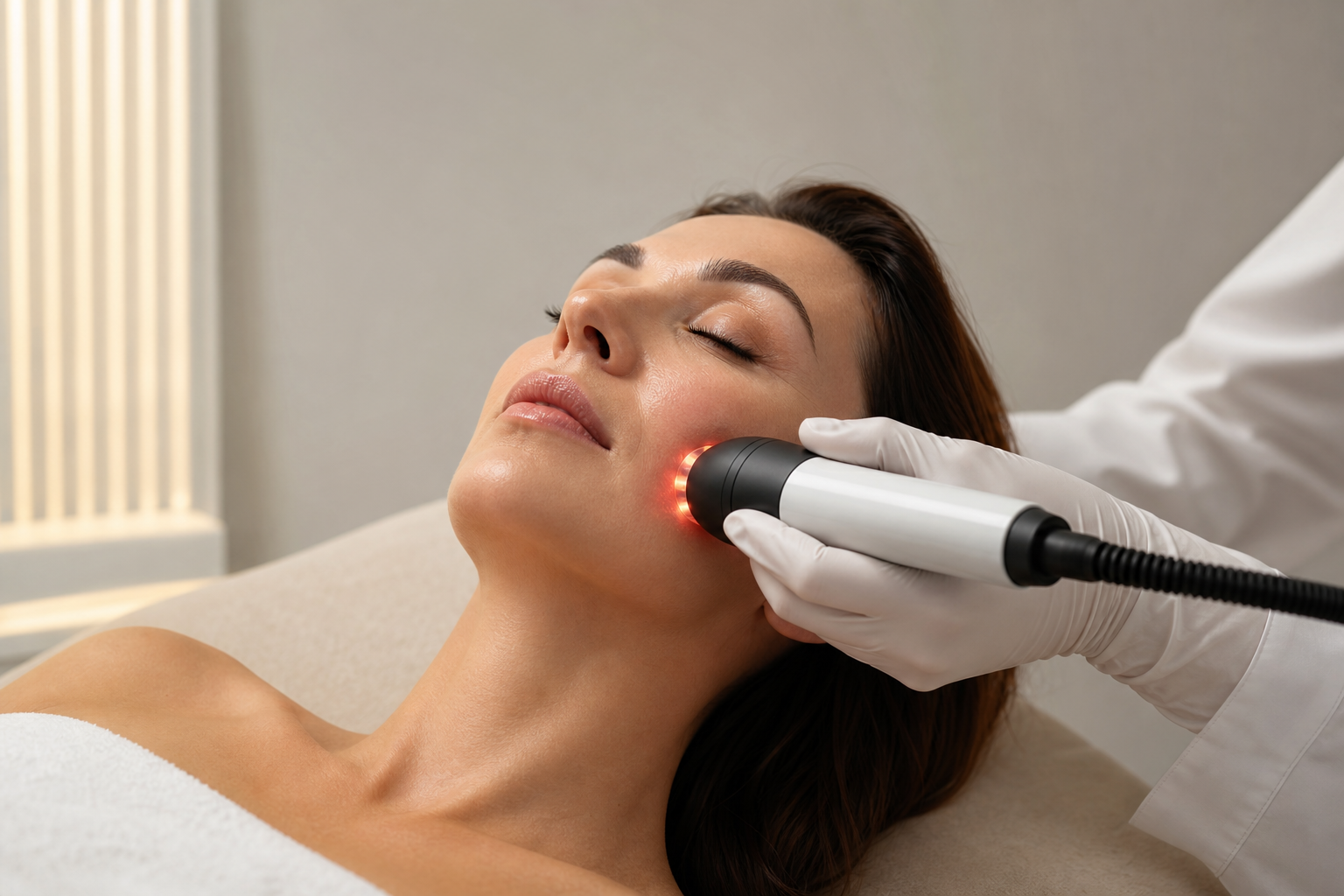
In the realm of contemporary skincare and aesthetic medicine, the pursuit of youthful, resilient skin remains a priority for many. Among the advanced techniques applied for facial rejuvenation, radiofrequency (RF) emerges as a pivotal non-invasive treatment known for its ability to stimulate collagen production effectively. Collagen, the vital protein responsible for skin’s firmness and elasticity, naturally diminishes as we age, contributing to wrinkles, sagging, and loss of tone. This article aims to elucidate how radiofrequency technology works to stimulate collagen synthesis, highlighting its mechanism, who it benefits most, expected outcomes, safety considerations, and when professional consultation is recommended.
Radiofrequency treatments offer a method that harnesses electromagnetic energy to gently heat the deeper layers of the skin without damaging the surface, triggering biological processes that promote collagen remodeling and renewal. For individuals seeking to combat the visible signs of aging with minimal downtime and risk, understanding the science and practical aspects of RF treatments is essential. Whether you are a skincare professional, an informed consumer, or someone curious about effective anti-aging modalities, this detailed exploration will provide clarity on the role of radiofrequency in collagen stimulation.
What Is Radiofrequency and How Does It Function in Collagen Stimulation?
Radiofrequency refers to the use of controlled electromagnetic waves within a medium frequency range to generate heat in targeted skin tissues. Unlike laser or intense pulsed light treatments, RF energy penetrates through the skin’s surface (epidermis) without causing direct damage, concentrating heat specifically within the dermal layers where collagen fibers reside.
The applied thermal energy causes a controlled denaturation of existing collagen fibers, which may seem counterintuitive, but this microscopic injury is precisely what kickstarts the body's natural wound-healing response. In response, fibroblasts—the specialized cells responsible for producing collagen and elastin—are activated. This activation results in increased synthesis and remodeling of collagen fibers, leading to greater skin density, improved elasticity, and a visibly firmer texture.
This mechanism delineates RF as a bio-stimulatory treatment, emphasizing not merely skin tightening through immediate contraction but a gradual, sustained renewal of the skin's structural framework. Its non-ablative nature translates to minimal discomfort and negligible recovery period, making it an attractive option for a broad audience.
Who Is the Ideal Candidate for Radiofrequency Collagen Stimulation Treatments?
Radiofrequency therapy suits a wide demographic, particularly adults exhibiting early to moderate signs of skin aging—such as mild laxity, fine wrinkles, subtle textural irregularities, and decreased firmness—across the face, neck, and décolletage. Individuals seeking anti-aging solutions without the trauma of invasive surgery or the risks associated with injectable treatments often find RF a compelling alternative.
Those with lifestyles that preclude long recovery periods, or who have sensitivities to chemical peels or other aggressive treatments, may also benefit from RF, as it presents a gentle yet effective approach. Furthermore, patients aspiring to enhance skin hydration and overall radiance alongside structural improvements can see additional advantages from adjunctive RF therapies.
However, ideal candidates must be evaluated on a case-by-case basis. Patients with advanced skin laxity or deep wrinkles may achieve limited benefits from RF alone and might require combination treatments or surgical intervention for optimal results. Contraindications include individuals with pacemakers, active skin infections, certain chronic illnesses, or those who are pregnant or breastfeeding, underscoring the need for professional medical assessment prior to initiation.
What Are the Expected Benefits and Limitations of Radiofrequency in Anti-Aging Regimens?
The primary benefit of RF treatments lies in their ability to evoke natural collagen regeneration, which gently lifts and tightens the skin. Patients often observe a gradual smoothing of fine lines and a firming effect noted in treated regions, accompanied by improved skin tone and texture. Beyond aesthetics, enhanced skin hydration and a reduction in pigmentation irregularities are sometimes observed, contributing to a refreshed and youthful appearance.
These results emerge progressively over a span of weeks to months post-treatment, reflecting the biological timelines of collagen synthesis and maturation. Consequently, treatment protocols typically consist of 4 to 6 sessions spaced one to two weeks apart, with maintenance treatments advised annually to preserve outcomes.
Despite these advantages, limitations include the variable efficacy based on individual skin conditions, age, and treatment parameters. Deep wrinkles or significant sagging generally do not resolve completely with RF alone. Furthermore, patient expectations must be properly managed to reflect that RF produces natural, subtle rejuvenation rather than dramatic, surgical-like transformations.
How Is a Radiofrequency Treatment Performed, and What Safety Measures Are Involved?
RF treatments are conducted using devices equipped with electrodes delivering electromagnetic waves into the skin. Sessions last approximately 20 to 60 minutes, depending on the area of focus. The device is methodically moved in circular or linear motions over the skin, while integrated cooling systems protect the epidermis and enhance comfort.
Patients typically experience a mild warming sensation without significant pain or discomfort. The non-invasive nature ensures minimal risk of side effects, usually limited to transient redness or mild swelling that subsides within hours.
Safety hinges on appropriate patient selection, correct device usage, and operator expertise. Licensed dermatologists or certified medical aestheticians are best positioned to perform RF treatments, as they can customize energy levels and treatment depth according to the patient's unique skin characteristics, reducing the risk of burns, pigmentary changes, or other complications.
When Is a Consultation with a Specialist Necessary Before Radiofrequency Treatment?
Pre-treatment consultation serves as a foundation for effective and safe radiofrequency therapy. A comprehensive skin assessment enables the identification of candidate suitability, specific concerns, and realistic goals. Patients with underlying conditions such as autoimmune disorders, skin infections, or cardiovascular implants require thorough evaluation to rule out contraindications.
Moreover, a specialist can advise on integrating RF with complementary treatments like microneedling, chemical peels, or dermal fillers when appropriate, optimizing the overall anti-aging strategy. This discussion also includes addressing concerns about the expected timeline of improvement, number of sessions required, and home care post-procedure.
How Does Radiofrequency Compare and Complement Other Anti-Age Facial Treatments?
Radiofrequency stands out among non-invasive techniques by directly targeting collagen remodeling through thermal stimulation without disrupting the skin's surface. Unlike superficial treatments that primarily improve hydration or pigmentation, RF addresses the deeper dermal layer, providing long-term enhancements in structure and elasticity.
For patients desiring amplified results, RF can be combined with microneedling—a procedure that mechanically stimulates collagen through controlled micro-injuries augmented by RF energy for enhanced collagen production. Alternatively, pairing RF with topical applications like hyaluronic acid or growth factors can improve skin moisture and overall vitality.
This synergy underscores RF's role as a cornerstone in modern anti-aging regimens, adaptable to individual skin needs and conducive to comprehensive rejuvenation plans without resorting immediately to invasive surgery.
What Can Patients Expect After Completing a Series of Radiofrequency Treatments?
Clients generally notice progressive improvements, with skin becoming noticeably firmer, smoother, and more luminous. Fine lines diminish in visibility, and the complexion takes on a renewed, healthy glow. These benefits align with natural collagen maturation and cross-linking that continue over months post-treatment.
Since RF induces subtle yet cumulative changes, patients appreciate the naturalness of their enhanced appearance, free from the artificial or overtly altered looks sometimes associated with more aggressive interventions. Maintenance sessions once or twice yearly help sustain these benefits in the long term.
Common Questions Regarding Radiofrequency Collagen Stimulation
Is radiofrequency treatment painful? Most individuals find treatments comfortable, describing sensations of warmth without sharp pain. Cooling technologies further enhance tolerance.
How many sessions are necessary to see visible results? Typically, a course of 4 to 6 treatments spaced biweekly yields noticeable improvements, though individual responses vary.
Are there any post-treatment restrictions? No significant downtime is required, but sun exposure should be minimized and SPF applied diligently to protect renewed skin.
Can radiofrequency be performed year-round? Yes, RF treatments are safe in all seasons with appropriate skin protection.
Who should avoid radiofrequency treatments? Pregnant women, individuals with pacemakers, active skin diseases, or severe systemic illnesses should refrain unless cleared by a physician.


