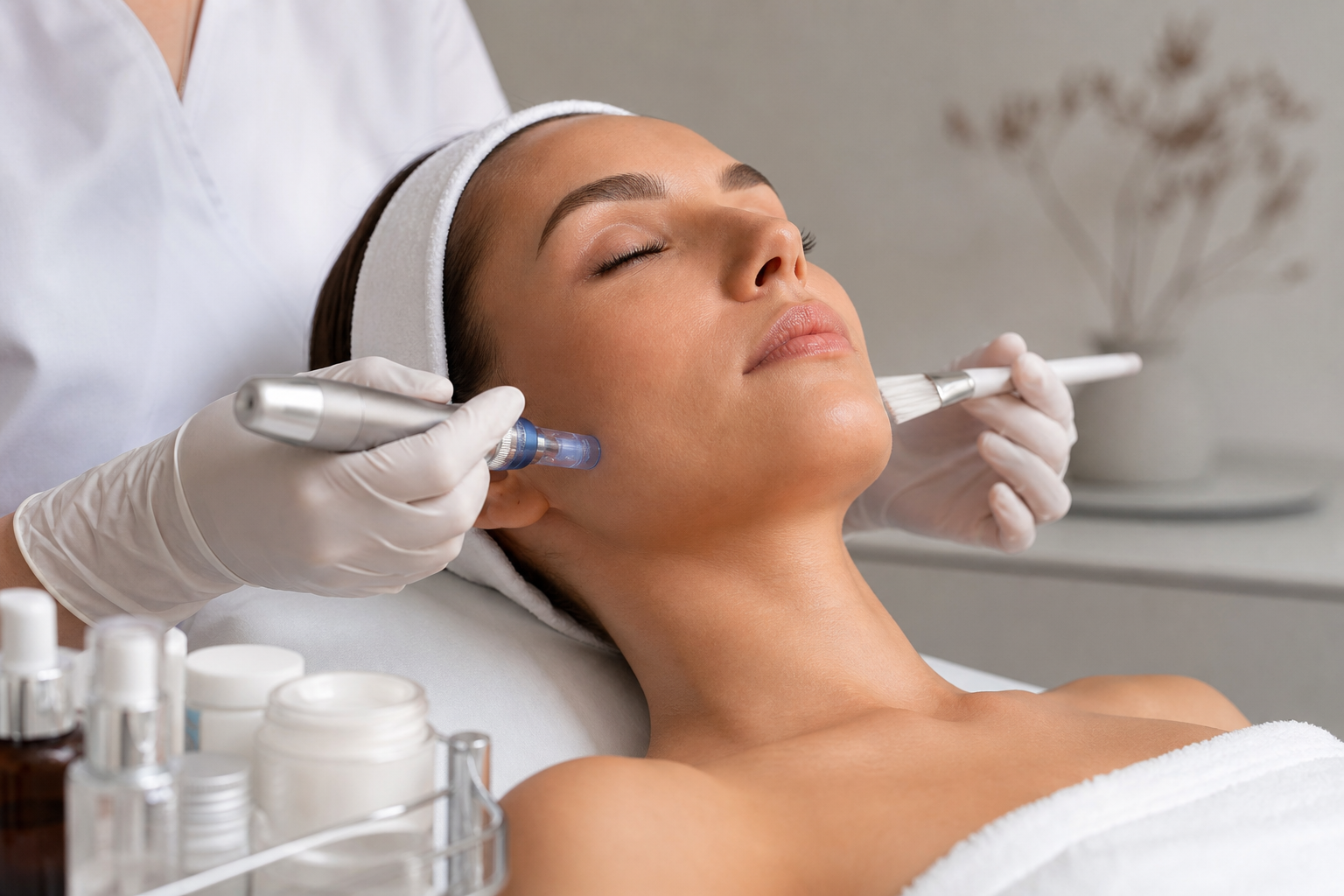
In the realm of contemporary facial skincare, microneedling and chemical peeling stand out as two of the most effective and widely embraced non-invasive anti-aging treatments. Both procedures aim to rejuvenate the skin by stimulating its natural repair mechanisms, enhancing texture, promoting collagen synthesis, and reducing visible signs of aging such as wrinkles and pigmentation irregularities. For individuals seeking to optimize their skin health and appearance, understanding how to combine these treatments effectively is of paramount importance.
This article addresses the intricacies surrounding the sequence and timing of microneedling and chemical peeling when applied as part of a combined facial rejuvenation protocol. It is crafted for both skincare professionals—including dermatologists, aestheticians, and cosmetic clinicians—and well-informed individuals considering or undergoing anti-aging treatments. Grasping the optimal order and appropriate intervals between these procedures is crucial for maximizing benefits while minimizing risks such as irritation, prolonged recovery, or unwanted skin damage.
Clarifying indications, safety considerations, realistic expectations, and limitations facilitates more informed decisions and enhances treatment outcomes. By delving into the principles governing both microneedling and chemical peeling, and exploring their synergistic potential when combined judiciously, this comprehensive editorial sheds light on a sophisticated approach to anti-aging skincare that meets modern demands for efficacy and safety.
What Is Microneedling and How Does It Promote Skin Rejuvenation?
Microneedling, also known as collagen induction therapy, involves the controlled creation of microchannels in the skin using an array of fine needles. These micro-injuries trigger the body's wound healing cascade, stimulating fibroblasts to produce new collagen and elastin fibers—key structural proteins responsible for skin firmness and elasticity. As a consequence, microneedling can improve skin texture, diminish fine lines and wrinkles, reduce acne scars, and even out hyperpigmentation.
This minimally invasive procedure offers several advantages, including relatively short downtime and versatility. It can be performed alone or in combination with topical serums specifically formulated to penetrate deeper through the microchannels, thereby enhancing their efficacy. However, it is important to note that visible rejuvenation results emerge cumulatively after multiple sessions spaced over several weeks or months, depending on individual skin conditions and treatment goals.
Microneedling is particularly suitable for individuals exhibiting mild to moderate photoaging, early wrinkles, enlarged pores, and superficial scarring. Nevertheless, contraindications such as active skin infections, inflammatory dermatoses, or bleeding disorders should be thoroughly evaluated to ensure patient safety.
Understanding Chemical Peeling: Types and Mechanisms of Action
Chemical peeling comprises the topical application of chemical agents to induce controlled exfoliation of the epidermis and, in some cases, portions of the dermis. This process accelerates the shedding of damaged or dead skin layers and promotes cellular turnover, leading to the regeneration of a fresher, more evenly toned epidermis with improved texture.
Chemical peels are categorized into superficial, medium, and deep peels based on the penetration depth of the peeling agents. Superficial peels primarily affect the epidermis, utilizing milder acids such as alpha-hydroxy acids (glycolic or lactic acid). Medium-depth peels reach the upper dermis often employing trichloroacetic acid at intermediate concentrations, whereas deep peels penetrate into the lower dermis and typically require clinical settings due to higher risks and extended recovery periods.
The indications for chemical peeling include treatment of fine wrinkles, photodamage, melasma, dyschromias, and scarring. While peeling can offer visible improvements, it also produces transient side effects such as redness, scaling, and a sensation of tightness, underscoring the need for meticulous post-procedural skin care and sun protection.
Why Is the Sequence and Timing of Microneedling and Chemical Peeling Critical?
Combining microneedling and chemical peeling can amplify the benefits of both treatments when executed with precision. Nevertheless, improper sequencing or inadequate intervals may exacerbate skin sensitivity, prolong downtime, or trigger adverse events like hyperpigmentation or infections. The two treatments catalyze skin remodeling through distinct but potentially overlapping mechanisms, and their interplay must be carefully balanced.
For example, performing a chemical peel immediately following microneedling may expose the freshly created microchannels to strong chemical agents before the skin's barrier is restored, increasing irritation or damage. Conversely, conducting microneedling too soon after a peel can also complicate healing due to residual epidermal vulnerability. Therefore, the skin’s readiness and regenerative capacity must be factored into treatment planning.
These considerations illustrate why personalized timing and order guidelines tailored to the patient’s skin type, treatment intensity, and overall goals are essential. A qualified practitioner’s assessment ensures both efficacy and safety, reducing the risk of complications.
What Is the Recommended Order and Interval Between Microneedling and Chemical Peeling?
Clinical experience supports initiating combined treatment protocols with microneedling followed by chemical peeling after an adequate healing interval. Microneedling first induces collagen synthesis and primes the skin by stimulating deeper dermal remodeling. Allowing 7 to 14 days—or even longer if necessary—for the microinjuries to heal ensures the skin barrier is sufficiently restored before introducing a chemical peel.
Superficial or mild medium peels can then be safely applied to exfoliate the superficial layers that the microneedling has conditioned. This sequential approach optimizes collagen stimulation from microneedling and facilitates epidermal renewal via peeling. If a deeper peel is indicated, the interval should be extended further to mitigate risks.
Performing chemical peeling before microneedling is generally less advisable, as residual sensitivity and exfoliation effects on the epidermis may predispose the skin to excessive trauma during needling. In certain customized protocols, however, a practitioner might consider this order with careful patient selection and timing.
Ultimately, timing must be individualized; factors such as skin reactivity, treatment depth, and concurrent skin conditions dictate precise scheduling. Patients should adhere strictly to professional guidance about recovery periods and their skin’s responses.
Who Should Consider Combining Microneedling and Chemical Peeling, and What Are the Limitations?
The combined use of microneedling and chemical peeling targets individuals with complex skin concerns such as pronounced photodamage, moderate to severe wrinkles, noticeable textural irregularities, acne scars, and persistent hyperpigmentation. Together, these treatments offer a comprehensive approach that enhances dermal and epidermal rejuvenation beyond the capability of either procedure alone.
Despite these benefits, this approach is not universally suitable. Patients with active skin infections, inflammatory conditions like eczema or psoriasis, compromised wound healing, or history of hypertrophic scarring should avoid or approach combination treatments with caution. Additionally, pregnant or breastfeeding women, and individuals on immunosuppressant or blood-thinning medications, require thorough medical evaluation prior to treatment initiation.
Recognizing these limitations underscores the importance of thorough skin assessment and medical history review before recommending combined protocols.
What Safety Considerations and Potential Side Effects Should Be Monitored?
Ensuring safety when combining microneedling and chemical peels revolves around preventing excessive inflammation, maintaining skin barrier integrity, and minimizing infection risks. Potential side effects include prolonged redness, dryness, edema, pigmentary changes, and, rarely, scarring or exacerbation of pre-existing skin conditions.
Adherence to recommended post-treatment care—including sun avoidance, use of gentle moisturizers, and avoidance of irritants—is vital to minimize adverse reactions. Monitoring for unusual or severe symptoms enables timely intervention if complications arise.
Practitioners often adopt a conservative progression, beginning with lower-intensity treatments and closely observing outcomes before increasing aggressiveness. This protocol reflects a commitment to patient safety and personalized care.
When Is Professional Consultation Essential Prior to Combining These Treatments?
Consultation with an experienced dermatologist or licensed aesthetic practitioner is indispensable before embarking on combined microneedling and chemical peeling regimens. Such evaluation ensures accurate diagnosis of skin type and conditions, identification of contraindications, and personalized treatment planning that optimizes results and safety.
Special attention is warranted if patients have previous adverse reactions to aesthetic procedures, complex medical histories, or concurrent medication use. Only a suitable professional can integrate these factors holistically to devise an individualized, evidence-based protocol.
Ongoing communication between practitioner and patient throughout the treatment course further supports adaptation based on skin responses and evolving needs.
How to Optimize Results When Combining Microneedling and Chemical Peeling?
Achieving optimal outcomes from the combined use of microneedling and chemical peeling involves strategic planning and meticulous aftercare. The following practices are advisable:
1. Initiate with microneedling: Select needle lengths and session frequency appropriate for skin condition and tolerance, focusing on collagen induction and skin preparation.
2. Allow adequate healing: Ensure complete re-epithelialization and resolution of post-needling erythema before proceeding.
3. Apply superficial chemical peels: Opt for mild agents that complement microneedling effects without overwhelming the skin.
4. Maintain skin hydration and sun protection: Use gentle cleansers, moisturizers, and broad-spectrum sunscreens to protect the recovering skin and prolong results.
5. Monitor and adjust: Reassess skin status after treatments to tailor future sessions for continued improvement while minimizing risks.
By integrating these considerations with professional oversight, patients and practitioners can harness the synergistic benefits of these modalities effectively.


