In the quest for a radiant, sun-kissed complexion without the hazards of ultraviolet (UV) exposure, spray tanning has emerged as one of the most popular cosmetic procedures worldwide. People seek that healthy glow while safeguarding their skin against premature aging and potential UV-related damage. However, as with many beauty treatments, questions about the side effects and skin health implications often arise. A particularly common concern is whether spray tans clog pores, potentially exacerbating skin issues like acne or irritation. Understanding the relationship between spray tanning and pores is essential for those who want to enjoy the benefits of a beautiful tan without compromising their skin's wellbeing.
Spray tan involves applying a bronzing agent, predominantly dihydroxyacetone (DHA), to the skin’s surface to produce a temporary darkening effect. While lauded for its convenience and safety compared to natural sunbathing or tanning beds, misconceptions about its impact on the skin persist. These misunderstandings can lead to hesitation or incorrect aftercare, which may inadvertently affect skin health.
This in-depth editorial aims to address the question: Does spray tan clog pores? We will explore how spray tanning works, its interaction with skin pores, the critical role of proper skincare after application, and the realistic expectations individuals should maintain. We will also distinguish facts from myths, shine light on safety considerations, and provide guidance on integrating spray tanning into a holistic skincare routine. This piece is designed for anyone curious about spray tanning's effects—whether a first-timer, regular user, or skincare enthusiast—and highlights the importance of informed choices for lasting skin health and beauty.
What Is Spray Tan and How Does It Affect the Skin's Surface?
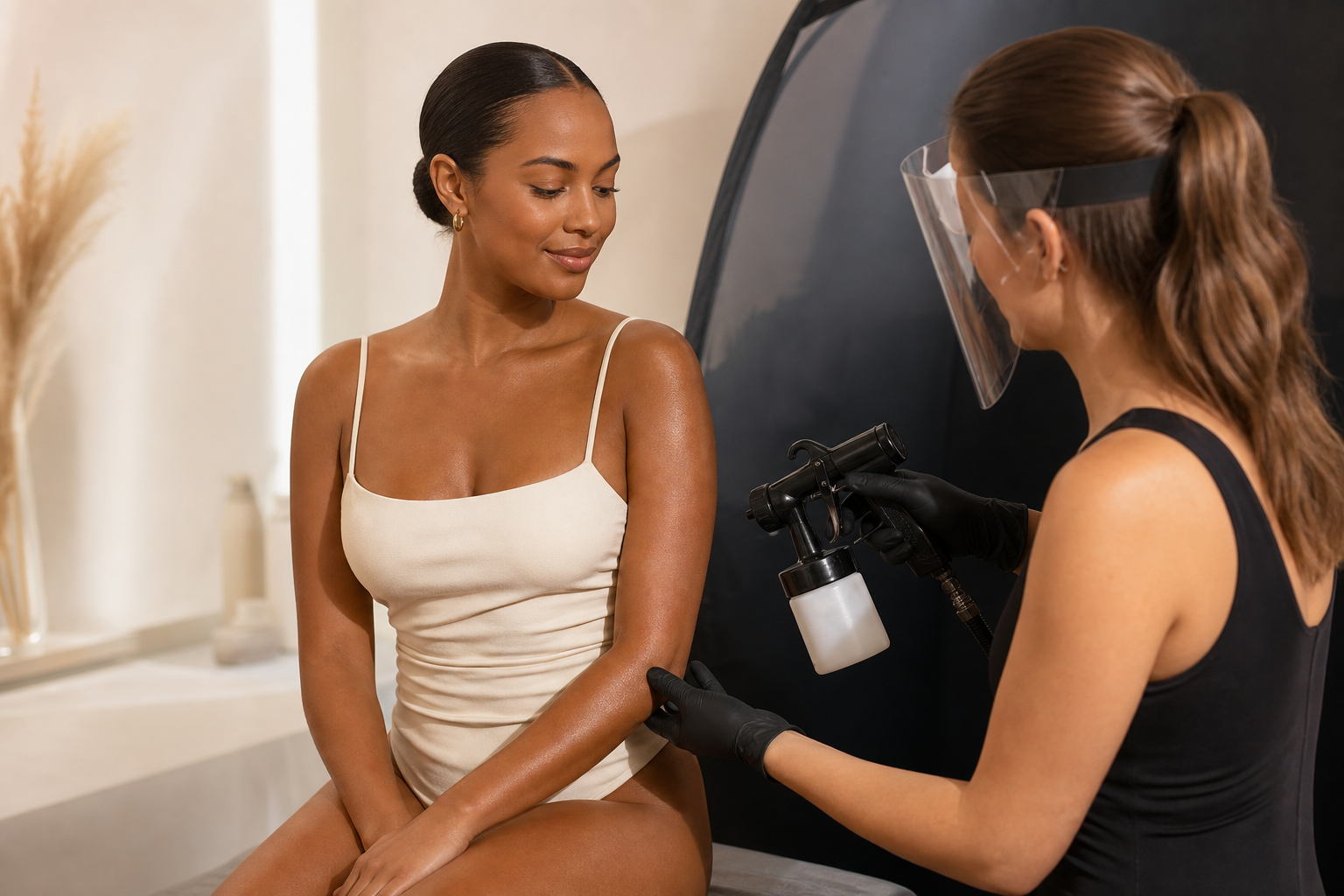
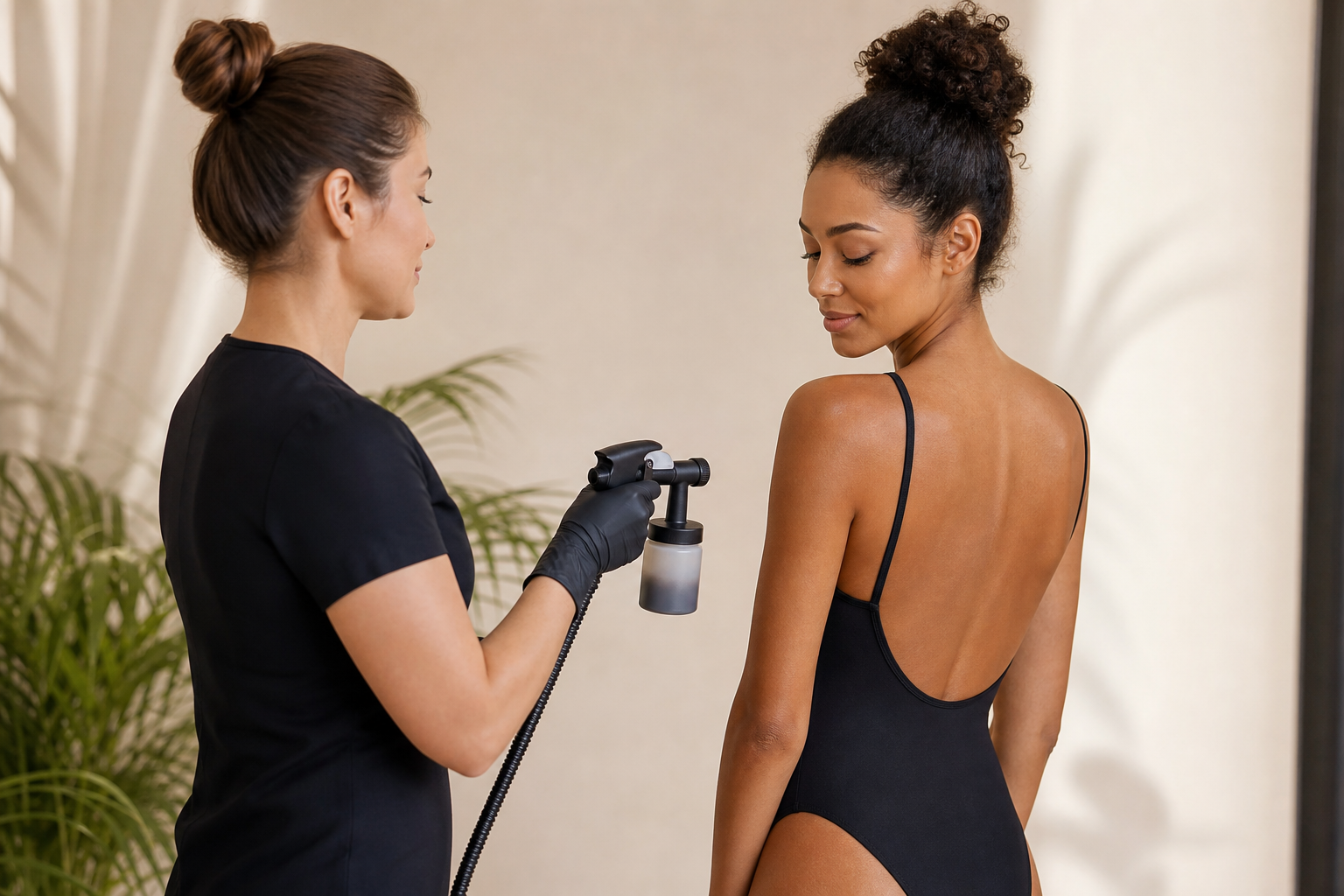
Spray tanning is a cosmetic technique that produces a temporary bronzed look by applying a fine mist containing DHA on the skin. DHA is a colorless sugar that reacts chemically with amino acids in the skin’s outermost layer—the stratum corneum—resulting in a brownish pigment formation commonly described as a 'tan.'
It is important to understand that DHA does not penetrate beyond the superficial dead skin cells and does not enter living tissues. Consequently, it does not interfere with the skin’s vital functions, including sebum production or pore activity. The color develops only on the surface and fades as dead skin naturally exfoliates over days.
Spray tanning is favored by those seeking to avoid UV-related skin damage, people who have photosensitivity or certain medical conditions that limit sun exposure, and anyone wanting a controlled, even tone that avoids tan lines. While it enhances skin appearance temporarily, spray tan is purely cosmetic and offers no therapeutic benefits.
Understanding Skin Pores: Their Function and What Causes Blockages
Pores are tiny openings on the skin that house hair follicles and sebaceous glands. Their primary role is allowing the secretion of sebum, an oily substance that lubricates and protects the skin and hair. Healthy pores facilitate natural skin function and are essential for maintaining a balanced, hydrated epidermis.
Clogged pores result when sebum combines with dead skin cells and other debris, leading to the formation of comedones (blackheads and whiteheads), which can progress to acne or inflammation. External factors such as heavy or comedogenic skincare products, excessive dirt accumulation, and improper hygiene habits can contribute to pore blockage.
Not all topical products cause clogged pores. Non-comedogenic ingredients and proper skincare regimens help maintain clean pores. Individuals with oily or acne-prone skin often have to exercise greater care to avoid pore blockage and resultant blemishes.
Does Spray Tan Clog Pores? What Do Experts Say?
Directly addressing the question: No, spray tan itself does not clog pores. The chemical reaction of DHA occurs on the dead skin cells' surface and does not accumulate within pores or impair their function. Scientific and dermatological sources confirm that the components of standard spray tanning solutions are formulated to avoid heavy or occlusive effects that lead to pore blockage.
However, it is important to differentiate the effect of the spray tan product from other factors that may affect pore health. For example, if an individual applies additional skincare products afterward that contain comedogenic ingredients or does not cleanse the skin properly, pores can become clogged independent of the spray tan itself.
In professional spray tanning sessions, the products used are typically lightweight and designed to dry quickly, preventing buildup that could interfere with skin pores. The application technique also minimizes the risk of product gathering in pore openings.
Proper Skincare After Spray Tan: Maintaining Healthy, Glowing Skin
The key to enjoying a long-lasting, even spray tan without pore irritation lies in diligent post-tan skincare. After the application, the skin's surface color is vulnerable to abrasion, dryness, and product interference. Maintaining balance in skin moisture and cleanliness supports the tan’s integrity and skin health.
Experts recommend gentle cleansing routines using sulfate-free, mild cleansers that do not strip natural oils or irritate the skin. Hydration with non-comedogenic moisturizers helps preserve the skin barrier, prevent dryness, and avoid compensatory excess sebum production, which can trigger pore congestion.
Avoiding heavy creams, occlusive oils, and makeup immediately after a spray tan minimizes the chance of clogged pores or uneven color development. Equally, exfoliating should be done sparingly and only after the tan fades, to avoid premature removal of the artificial pigment and skin irritation.
Consumers should be attentive to their skin’s response and discontinue products that cause redness, itching, or breakouts. Consultation with skincare professionals can aid in selecting appropriate products to complement spray tanning.
Spray Tan Versus Skin Treatments: Clarifying Misconceptions
There is a common misconception that spray tanning acts as a skincare treatment or can conceal skin imperfections permanently. In reality, spray tan does not heal conditions like acne, eczema, or pigmentation disorders, nor does it alter skin texture or physiology beyond surface coloration.
The tan’s color can temporarily mask some discolorations or uneven tone, but it is not a substitute for dermatological therapies or medical skincare products. Users should not expect spray tan to reduce pore size, adjust oiliness, or treat dermal conditions.
For those with sensitive or problematic skin, or seeking anti-aging effects, professional advice and appropriate treatments remain essential. Spray tanning can be a cosmetic enhancement but should be viewed as complementary rather than curative.
Safety and Limitations of Spray Tan: What You Need to Know
When performed correctly, spray tanning is considered safe. However, potential risks include allergic reactions, skin irritation, or respiratory issues if inhaled excessively during application. It is crucial that spray tans are carried out in well-ventilated environments by trained personnel using approved products.
Individuals with open wounds, rashes, or active skin infections should postpone spray tanning until skin health is restored. Similarly, misuse of products, especially those purchased for home use without professional guidance, can lead to uneven color or skin problems.
Spray tan does not provide any protection against the sun. Despite the bronzed appearance, broad-spectrum SPF 30+ sunscreen remains indispensable to guard against UV damage. Users must maintain sun safety practices consistently regardless of their spray tan status.
What to Expect from a Spray Tan Session: Realistic Outcomes and Aftercare
A professional spray tan session typically lasts 15 to 30 minutes with results visible within a few hours. The color deepens over 6 to 8 hours and generally lasts 5 to 10 days, depending on skin type, hydration, and exfoliation rate. Users often notice gradual fading as the skin naturally sheds dead cells.
Results can vary depending on the formula used and individual skin characteristics; darker formulas might offer longer-lasting tones but do not inherently affect pore function or skin health. Proper preparation—including exfoliation and moisturizing before the session—facilitates even application and optimizes results.
Aftercare involves maintaining hydration, avoiding excessive sweating or swimming in the first 24 hours, and refraining from harsh exfoliants. Individuals with oily or acne-prone skin should monitor their skin closely and adapt products to prevent breakouts.