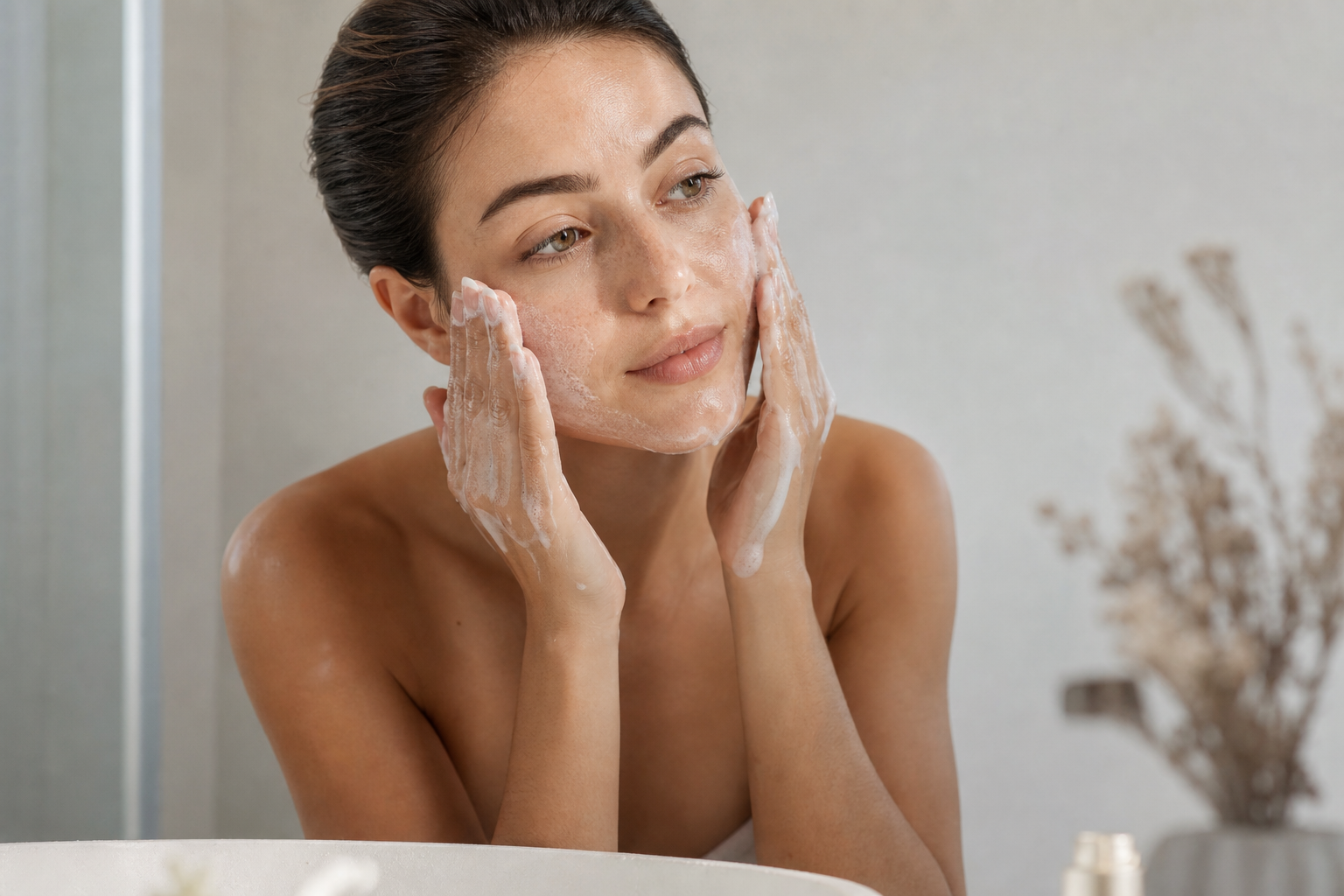
Properly cleansing acne-prone skin stands as a foundational yet intricate step within any skin care regimen. Far beyond a simple routine of washing away dirt and oil, this process requires a precise understanding of acne's complexities and the skin's unique responses to treatment. For individuals affected by acne, from mild comedones to more severe inflammatory or cystic lesions, an effective cleansing strategy can be transformative, improving not only the skin’s appearance but also its overall health and resilience.
This topic is especially salient for adults navigating the dual challenges of aging and acne, as the skin’s needs evolve over time. Those seeking to incorporate anti-aging facial treatments alongside acne management must balance active, healing-prone skin with rejuvenation goals—ensuring that cleansing protocols support rather than undermine this delicate equilibrium. The importance of mastering proper cleansing techniques lies in the ability to reduce inflammation, prevent new breakout formation, and create a clean canvas receptive to further therapeutic interventions.
In this detailed editorial, we explore how to properly cleanse acne-prone skin with a professional and practical lens, particularly in the context of anti-aging facial care. Understanding the indications for specific cleansing approaches, setting accurate expectations about what these treatments can achieve, recognizing their limitations, and appreciating essential safety considerations are crucial. Additionally, knowing when to consult a qualified skincare specialist elevates the potential for successful outcomes. This comprehensive perspective offers insight to anyone committed to managing acne effectively while preserving a youthful, healthy complexion.
Defining Proper Cleansing for Acne-Prone Skin: Beyond Basic Hygiene
At its core, cleansing acne-prone skin is more than mere hygiene—it is a targeted therapeutic step. Acne results from a multifaceted interaction of excess sebum production, follicular hyperkeratinization, bacterial colonization (primarily Cutibacterium acnes), and inflammatory responses. Effective cleansing must gently but thoroughly remove surface impurities, excess oils, and dead skin cells that could clog pores and trigger or exacerbate breakouts.
Unlike typical skin cleansing, which might prioritize freshness or superficial cleanliness, cleansing acne-prone skin requires formulations and techniques that balance sebum control with the preservation of the skin barrier. Overly harsh cleansing agents or mechanical irritation can disrupt this equilibrium, potentially leading to increased irritation, compromised barrier function, and paradoxical worsening of acne symptoms.
For individuals combining acne care with anti-aging objectives, cleansing serves as the preparatory stage for subsequent treatments that may include exfoliants, serums, and moisturizers designed to stimulate collagen production and skin renewal. Optimizing this initial cleansing step ensures enhanced penetration and efficacy of such products while minimizing risks of irritation or adverse reactions.
Who Should Prioritize Professional Acne-Prone Skin Cleansing and Why?
While anyone with acne can benefit from an informed and appropriate cleansing routine, those with persistent or moderate-to-severe acne, oily and combination skin types, and adults experiencing adult-onset acne or acne in combination with visible signs of aging should especially consider professional guidance. The intersection of aging skin changes such as decreased elasticity, hydration deficiencies, and slower cell turnover with active acne lesions creates a complex therapeutic challenge.
Professional cleansing protocols offer structured, evidence-based methods tailored to individual skin conditions. Individuals who have struggled with ineffective over-the-counter treatments, or those wary of aggressive approaches that risk further irritation, will find value in accessing treatments designed for delicate, inflamed skin. Moreover, professional oversight helps to prevent common mistakes, such as squeezing lesions prematurely or using incompatible products, that can lead to scarring or prolonged inflammation.
By prioritizing professional cleansing as a component within a holistic acne and anti-aging skincare strategy, patients can aim not only to reduce active blemishes but also to maintain or restore skin’s youthful vitality through appropriate stimulation of cellular regeneration and barrier function support.
The Step-by-Step Process of Cleansing Acne-Prone Skin with Professional Care
The process of professionally cleansing acne-prone skin typically involves several methodical phases designed to respect skin sensitivity while maximizing cleansing efficacy.
Initially, a thorough skin analysis is conducted using visual examination, and sometimes dermatoscopic tools, to assess acne type, skin texture, hydration levels, pore status, and signs of inflammation or sensitivity. This diagnostic step is critical for customizing the subsequent cleansing approach and determining suitably gentle or potent intervention levels.
The cleansing itself begins with a gentle removal of surface dirt, makeup, and excess sebum using mild, non-comedogenic cleansers tailored for acne-prone skin. This is followed by the application of specialized exfoliants, such as enzymatic peels or low-concentration chemical exfoliants like salicylic acid, which target follicular buildup and enhance skin cell renewal without provoking irritation.
Once the skin is prepped, careful manual extraction may be performed on comedones that are mature and non-inflamed. Extraction must be executed by trained professionals to prevent tissue damage and post-inflammatory hyperpigmentation, underscoring the importance of clinical oversight in these procedures.
Subsequently, anti-inflammatory and soothing masks are applied to calm skin, reduce redness, and support barrier repair. The final steps often include the application of serums and moisturizers rich in antioxidants and anti-aging compounds like peptides and hyaluronic acid—formulated exclusively to suit acne-prone skin without clogging pores.
Addressing Common Misconceptions About Cleaning Acne-Prone Skin
Several myths pervade public understanding regarding the cleansing of acne-prone skin, which can misdirect treatment decisions. One widespread fallacy is that aggressive scrubbing and frequent washing are beneficial; in reality, excessive mechanical force and overwashing can strip natural oils, increase irritation, and provoke rebound oil production.
Another misconception is that all acne lesions should be manually popped to expedite healing. This practice can often worsen inflammation, lead to scarring, and cause infections, particularly if done without professional sterilization and technique.
Furthermore, some individuals believe that cleansing alone will cure acne. While it is a fundamental component, acne is a multifactorial disease often necessitating adjunctive topical or systemic treatments. Properly calibrated cleansing enhances the skin environment but rarely suffices as a standalone solution.
Understanding these distinctions empowers individuals to critically assess skincare advice and seek personalized care that balances efficacy with safety.
Safety Considerations and When to Seek Expert Consultation
Safety is paramount when managing acne-prone skin, especially within anti-aging treatment frameworks that involve active biological modulation of skin cells. Before initiating cleansing treatments, consultation with a licensed dermatologist or a certified skincare professional is strongly advised. They can evaluate if underlying conditions such as rosacea, eczema, or infection might contraindicate certain cleansing methods or products.
Individuals should disclose all relevant medical history, current medications, and known allergies to ensure treatments are tailored to minimize risks. Those with active cystic acne or severe inflammatory lesions may require medical therapies prior to or alongside cleansing regimens.
Adherence to recommended post-cleansing care instructions, including sun protection and avoidance of irritants, supports skin recovery and enhances overall treatment success.
Expected Outcomes and Long-Term Maintenance Strategies
Engaging in professionally guided cleansing for acne-prone skin can yield notable improvements: reduced severity and frequency of breakouts, smoother and more even skin texture, diminished redness, and a brighter complexion. When integrated with anti-aging products and treatments, it can also enhance firmness and elasticity, helping maintain a youthful appearance.
However, these results depend on consistent care and realistic expectations. Acne may not be eradicated entirely, but managed effectively to minimize impact and prevent scarring. Ongoing maintenance includes gentle cleansing routines adapted to skin changes over time, judicious use of acne-fighting and anti-aging products, and routine professional assessments to adjust treatment plans as needed.
Cultivating patience and discipline within this regimen fosters enduring skin health and beauty.
Integrating Cleansing into a Holistic Facial Skincare Ritual for Acne and Aging
Proper cleansing functions as the gateway to a comprehensive skincare ritual addressing both acne and aging concerns. It prepares the skin to absorb complementary treatments such as serums containing retinoids, antioxidants, and hydrating agents, which can stimulate collagen synthesis and counteract environmental damage.
Additionally, regular cleansing can be paired with periodic professional treatments—chemical peels, microdermabrasion, or light therapies—potentially enhancing outcomes when carefully selected for skin tolerance and condition.
Understanding how cleansing fits within this larger ecosystem is vital for maximizing benefits while safeguarding skin integrity.


