The health and appearance of our skin are profoundly influenced by the environment we inhabit. Among the many factors shaping skin condition, weather and environmental elements stand out due to their persistent and dynamic nature. Particularly, skin hydration—a cornerstone of maintaining skin elasticity, barrier function, and overall radiance—is highly sensitive to external climatic variations and environmental exposures. Understanding how weather patterns and different surroundings affect skin hydration is essential for anyone seeking to optimize their skincare regimen and maintain resilient, glowing skin throughout the changing seasons.
This exploration is relevant to a diverse audience: from individuals living in areas with extreme seasonal shifts, to urban dwellers contending with pollution and indoor climate control, and even those with sensitive or compromised skin barriers. With rising awareness of the interplay between environment and skin biology, tailoring skincare to adapt to external stressors becomes not only beneficial but necessary. This article delves into the mechanisms through which weather and environment impact skin hydration and offers practical advice on adjusting skin care routines to meet these challenges effectively.
By integrating scientific principles with accessible recommendations, the following sections examine which weather conditions and environmental factors play significant roles, how these influence the skin’s moisture balance, signs that indicate hydration distress, and strategies to preserve skin’s integrity year-round. This guide also addresses common misconceptions and highlights when professional dermatological advice is warranted, ensuring readers are empowered to make informed decisions about their skin health.
How Do Weather Conditions Directly Influence Skin Hydration?
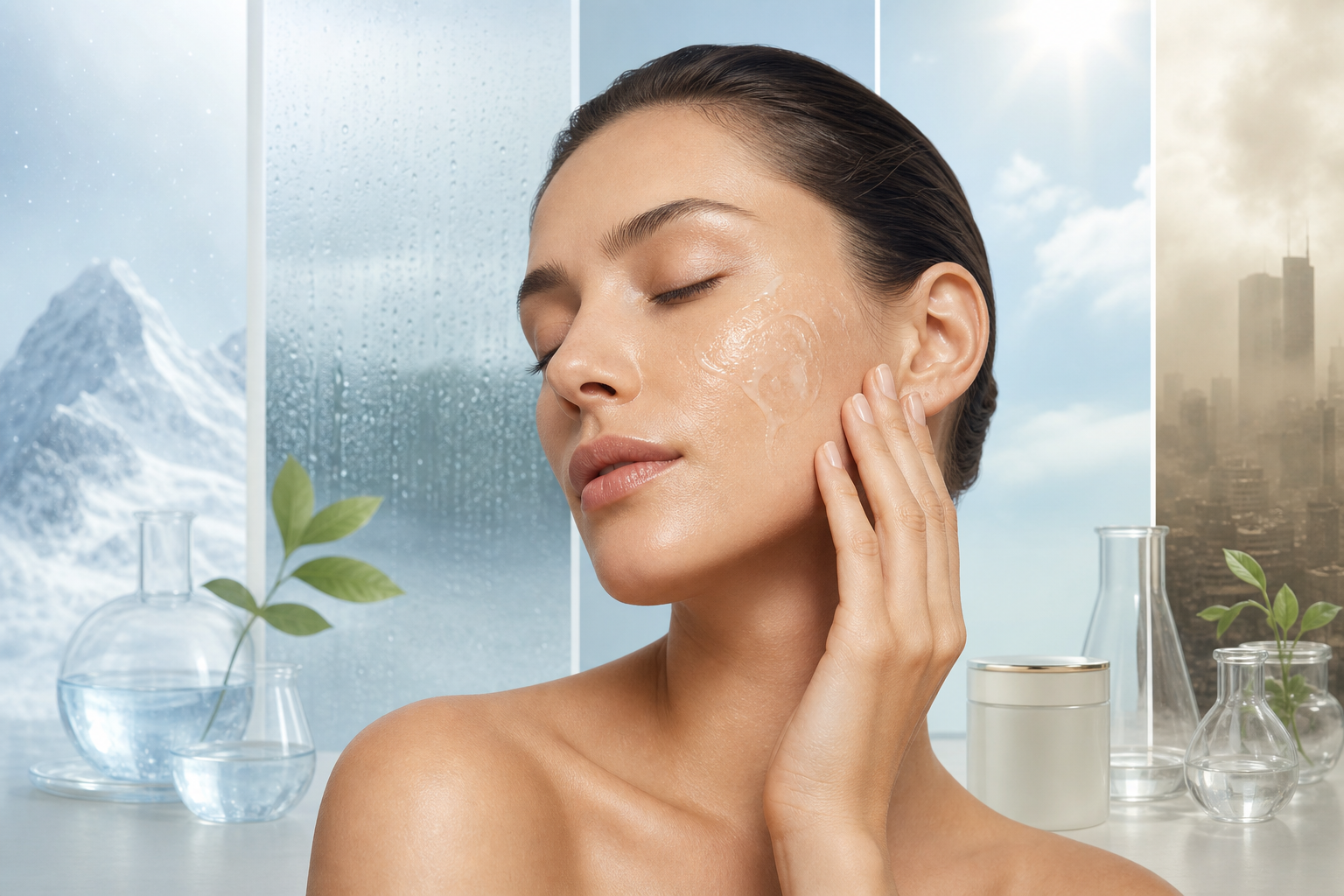
Skin hydration fundamentally depends on the delicate balance between water retention within the epidermis and the external environment's influence on water loss. Weather elements such as temperature, humidity, wind, and sunlight directly modulate this balance, impacting the skin’s moisture content and barrier function.
During cold seasons, particularly in regions with harsh winters, air humidity plummets. Dry air rapidly accelerates transepidermal water loss (TEWL), a process wherein moisture evaporates from the skin’s surface. Simultaneously, cold temperatures cause peripheral blood vessels to constrict, reducing nutrient and moisture delivery to the skin. The combination of low humidity and cold leads to skin that feels tight, flaky, and prone to irritation.
Wind acts as a mechanical force stripping away the skin’s protective lipid layer that helps trap moisture, further intensifying dryness. Conversely, in hot and humid climates, although the ambient moisture is higher, elevated temperatures drive sweating and increase the rate of evaporation from the skin's surface. This can dehydrate the skin if fluid loss is not adequately replenished. The presence of UV radiation also exacerbates damage to the skin barrier, promoting oxidative stress and reducing its ability to retain moisture.
Moreover, rapid transitions between indoor heated environments during winter and cold outdoor air can shock the skin, disrupting its homeostasis. In warmer months, air conditioning systems create artificially dry indoor atmospheres, mimicking the skin-depleting conditions winter air produces. These examples illustrate how weather conditions intricately and continuously influence skin hydration, necessitating adaptive skincare responses.
Which Environmental Factors Beyond Weather Contribute to Skin Dryness and Dehydration?
Beyond natural weather elements, everyday environmental factors play substantial roles in modulating skin hydration. Modern living exposes skin to artificial indoor climates, pollutants, and irritants that compound or mirror the dehydrating effects of seasonal changes.
Central heating is a notable contributor to indoor air dryness during cold months. Heating systems reduce relative humidity indoors, increasing TEWL and contributing to diminished skin moisture. People spending long hours in such environments often experience exacerbated skin dryness and sensitivity.
Air conditioners, prevalent during warm seasons, similarly reduce indoor humidity. Continuous exposure to these climate-controlled environments without compensatory hydration measures can impair the skin’s moisture barrier. Furthermore, pollutants common in urban settings—such as particulate matter, volatile organic compounds, and nitrogen oxides—disrupt the lipid layer protecting skin and provoke an inflammatory state. This inflammation weakens the skin’s defense against dehydration and accelerates barrier degradation.
Exposure to harsh chemicals or allergens, whether from occupational settings or lifestyle products, can irritate skin, diminishing its resilience and moisture-retention capacity. Additionally, frequent use of hot water for cleansing—although not a factor of external environment per se—interacts with environmental dryness to strip the skin of essential oils, compromising hydration.
How Should Skincare Be Adapted to Different Weather and Environmental Conditions?
Recognizing the impact of the environment on skin hydration is only the first step; active adaptation of skincare routines is pivotal to maintaining skin health and comfort. There is no one-size-fits-all approach, as effective care depends on the specific climatic context and individual skin characteristics.
In cold, dry weather, richer formulations are advisable. Emollients containing ceramides, hyaluronic acid, and plant-derived sterols reinforce the skin’s lipid barrier and augment moisture retention. Incorporating nourishing oils can provide an additional occlusive layer, reducing TEWL. It is advisable to avoid prolonged exposure to very hot water during cleansing and limit exfoliation, as these accelerate dryness. Consistency in moisturizing routines is essential to counteract relentless environmental moisture loss.
Warm weather demands lighter, non-comedogenic, and fast-absorbing moisturizers such as gels or lotions enriched with antioxidants that combat environmental oxidative damage. Hydration should remain continuous to compensate for sweat-induced dehydration, with the addition of broad-spectrum ultraviolet (UV) protection to shield from sun-induced barrier depletion. Using water-based serums containing ingredients like sodium hyaluronate can provide effective hydration without excess heaviness.
Indoor environments controlled by heating or air conditioning call for using humidifiers where possible, adjusting moisturizer texture to a richer profile during winter months, and applying barrier-repair products. Cleansing should be gentle and carried out with pH-balanced products that preserve the natural skin microbiome and prevent disruption of moisture.
Understanding and implementing these targeted adjustments are crucial components of a successful skin hydration strategy tailored to external conditions and internal skin needs. For those interested in comprehensive skincare modifications, exploring resources like the "Hydration and Skin Renewal: The Complete Guide" offers detailed guidance on matching products to skin status and environmental factors.
What Are the Telltale Signs of Skin Dehydration or Damage From Environmental Exposure?
Identifying early indicators of skin dehydration and environmentally induced damage allows for timely intervention and prevents progression to more severe conditions. Common symptoms include a persistent feeling of tightness, rough texture, visible flakiness, dullness, and accentuated fine lines due to loss of skin plumpness and elasticity.
Visually, dehydrated skin may appear lackluster and uneven, with subtle scaling or cracking. The affected skin may also be more prone to redness, sensitivity, and irritation. A precise understanding involves differentiating dehydration (loss of water content) from dryness (deficiency of skin lipids). This distinction guides the choice of skincare products—hydrating agents replenish water, whereas emollients restore lipids.
In some cases, chronic exposure to unfavorable environments can lead to a compromised skin barrier, resulting in symptoms such as inflammation, itching, and increased acneiform eruptions. Exploring topics like "Dry vs. Dehydrated Skin: How to Tell the Difference" and "Compromised Skin Barrier: Symptoms, Causes, and Recovery" provides deeper insights into these distinctions and remediation strategies.
When Is Professional Dermatological Consultation Essential for Environment-Related Skin Issues?
While many hydration concerns respond well to routine care modifications, certain scenarios necessitate the expertise of a dermatologist. Persistent redness, severe irritation, scaling that worsens despite diligent skincare, or the emergence of dermatitis-like symptoms indicate skin barrier damage beyond simple dehydration.
Chronic conditions such as eczema or psoriasis can be exacerbated by weather changes and environmental stressors, requiring specialized management. Individuals with sensitive or reactive skin who experience strong responses to even mild environmental alterations benefit greatly from professional assessment to customize therapeutic approaches.
Moreover, dermatologists can recommend and supervise advanced interventions such as prescription barrier repair treatments or professional skin hydration therapies, particularly when standard over-the-counter products fail. Detailed guidance on "Professional Skin Hydration Treatments: Options and Outcomes" elucidates possibilities for those confronting resistant issues.
How Does Understanding Environmental Effects Integrate With Broader Skin Hydration and Care Practices?
Environmental influences on skin hydration cannot be viewed in isolation but rather as integral to the broader framework of skin health maintenance and renewal. Knowledge of how external conditions affect skin moisture levels naturally leads to comprehensive skin care strategies that encompass daily hygiene, product selection, lifestyle habits, and seasonal adjustments.
Exploring advanced guides like the "Step-by-Step Hydration and Skin Renewal Routine" or understanding "Top Ingredients for Skin Hydration and Renewal" empowers individuals to make informed choices that optimize their skin’s resilience. These resources also bridge the gap between addressing immediate environmental challenges and fostering long-term skin robustness through nutrition, hydration, and protective measures.
Furthermore, familiarity with topics such as "How to Tailor Hydration to Your Skin Type" ensures that interventions are not only environment-appropriate but also compatible with individual skin physiology, amplifying efficacy and comfort. Recognizing the importance of holistic approaches, including recovery after aesthetic or dermatological treatments (covered in "Skin Recovery After Aesthetic and Dermatological Treatments"), ensures that skin can overcome acute insults while maintaining balanced hydration despite fluctuating external factors.