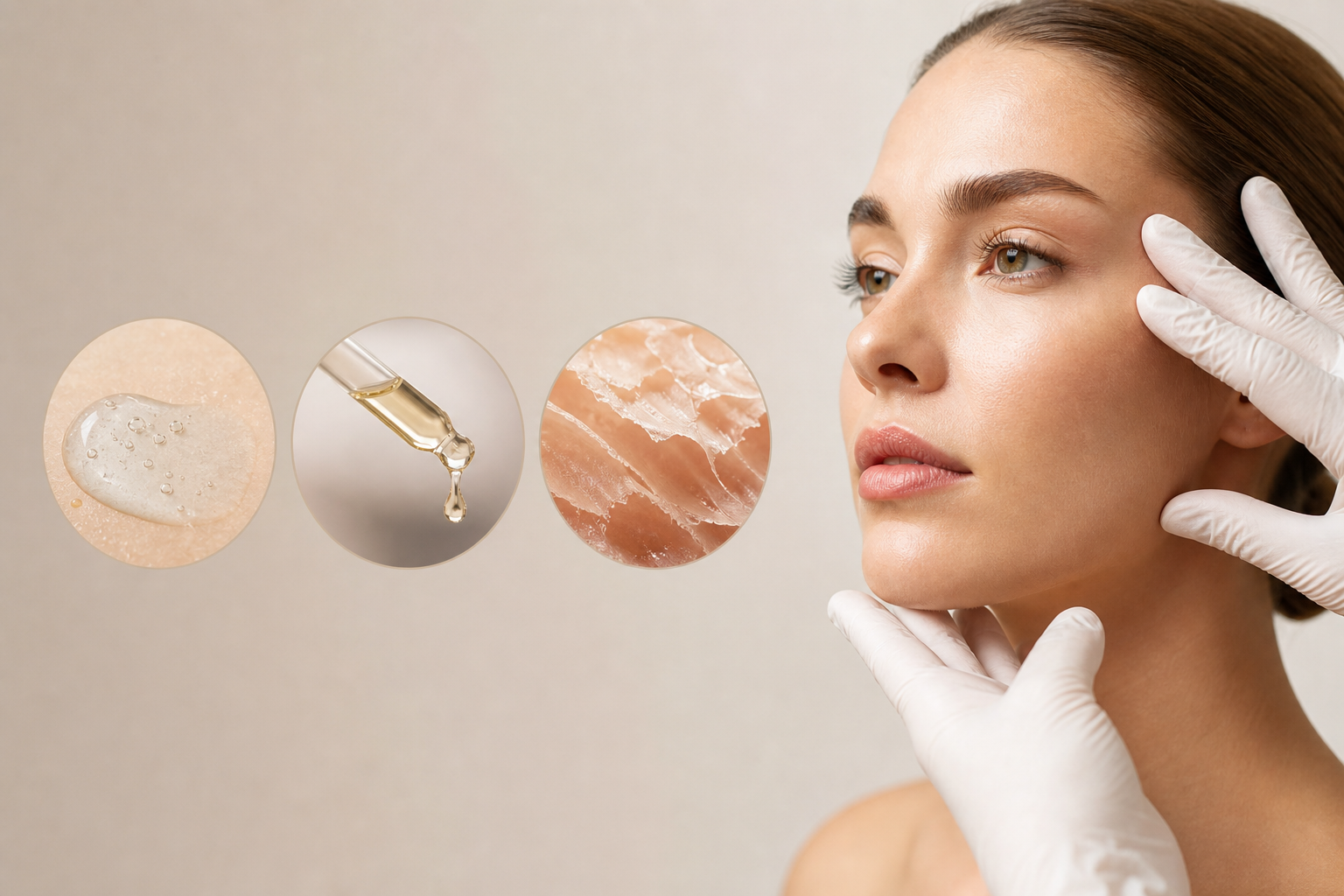
Chemical peels have become a cornerstone in the realm of anti-aging facial treatments due to their ability to rejuvenate the skin, address various dermatological concerns, and enhance overall complexion. Within this diverse category, superficial, medium-depth, and deep peels represent distinct modalities differing primarily by their depth of action, indications, expected outcomes, and safety profiles. Understanding these differences is essential for individuals considering chemical peels as part of their skincare regimen, as well as for practitioners aiming to deliver optimal results tailored to each patient's unique needs.
This article is intended for those contemplating chemical peel treatments for the first time, seasoned users seeking to deepen their knowledge, and anyone interested in effective, non-invasive anti-aging strategies. We will elucidate how these peel types function, when each is appropriate, the anticipated improvements as well as the limitations, and the importance of professional consultation for safe and satisfying outcomes.
With a clear grasp of superficial, medium-depth, and deep chemical peels, readers can make informed decisions aligned with their skin type, concerns, and cosmetic goals. This knowledge not only sets realistic expectations but also enhances safety by highlighting potential risks and post-procedure care requirements, especially within the nuanced field of anti-aging facial treatments.
What Defines Superficial, Medium-Depth, and Deep Chemical Peels?
Chemical peeling involves the controlled application of chemical agents to the skin to induce exfoliation and stimulate regeneration. The depth to which these agents penetrate the skin layers determines the classification of the peel and directs the therapeutic effects.
Superficial peels act primarily on the epidermis, the outermost skin layer. They remove dead surface cells, encouraging shedding and renewal, which results in improved texture and radiance. These peels are suitable for mild skin discolorations, fine lines, and overall brightness maintenance.
Medium-depth peels extend their action beyond the epidermis, reaching the papillary dermis. By doing so, they provoke a more substantial regenerative response, stimulating collagen production that helps reduce moderate wrinkles, pigmentation irregularities, and some scarring.
Deep peels penetrate into the reticular dermis, the skin’s deeper layer, offering the most dramatic transformations. These are reserved for pronounced photoaging, deep wrinkles, significant sun damage, and severe scarring. Due to their intensity, they involve more extensive recovery and carry higher risk profiles.
Who Can Benefit From Each Type of Peel?
The appropriate choice of peel depends on individual skin health, aesthetic objectives, and tolerance for downtime. Superficial peels suit individuals seeking gentle exfoliation and refreshment of dull skin. They are often recommended as maintenance treatments post more aggressive interventions or for people with sensitive skin.
Medium-depth peels attract those addressing moderate signs of aging, such as uneven pigmentation, early wrinkles, and textural changes. They offer noticeable improvements without the prolonged recovery required by deeper peels.
For patients with substantial sun damage, deep wrinkles, or significant photoaging, deep peels may be advisable under expert supervision. However, they necessitate comprehensive pre-treatment assessments to ensure safety and suitability.
What Are the Key Benefits and Expected Outcomes of Each Peel Depth?
Each peel category offers distinctive advantages that cater to different skin issues and desired results.
Superficial peels primarily improve skin brightness, smooth minor roughness, clear clogged pores, and mildly reduce pigmentation anomalies. Improvements are generally subtle but cumulative with repeated sessions.
Medium-depth peels can effectively diminish moderate wrinkles, reduce age spots and melasma, improve skin texture, and enhance collagen remodeling, resulting in firmer, more youthful skin.
Deep peels yield substantial rejuvenation by smoothing deep wrinkles, eradicating extensive sun damage, and significantly refining skin structure. The collagen stimulation is more profound, leading to long-lasting and transformative effects.
How Do Chemical Peels Work Mechanistically?
Chemical peels utilize acids or other chemical agents to induce controlled injury to skin layers, prompting a natural healing cascade. This injury triggers keratocyte turnover and stimulates fibroblasts within the dermis to produce collagen and elastin, crucial proteins for skin strength and elasticity.
The peeling agents disrupt the cohesion of dead skin cells, causing exfoliation and revealing underlying younger skin. The repair process gradually replenishes the skin’s structure and improves its appearance.
The depth of the peel determines the extent of damage and subsequent regeneration. Mild acids like alpha hydroxy acids (AHAs) are common in superficial peels, trichloroacetic acid (TCA) is often used for medium-depth peels, and phenol solutions or combined modalities characterize deep peels due to their potent action.
When Should One Consult a Qualified Specialist Before Considering a Chemical Peel?
Given the spectrum of chemical peel strengths and risks, seeking expert advice is crucial to tailor treatments safely and effectively. Individuals with active acne, dermatitis, rosacea, or other inflammatory skin conditions require careful evaluation to avoid exacerbation.
Those with darker skin tones should consult a dermatologist experienced in chemical peeling due to heightened risks of post-inflammatory hyperpigmentation or hypopigmentation, particularly with medium and deep peels.
Medical history, current medications, and prior skin reactions must be reviewed to prevent complications. Additionally, deep peels demand assessment for cardiovascular or systemic conditions, as phenol-based peels can have systemic absorption risks.
What Are the Safety Considerations and Potential Side Effects?
While chemical peels are generally safe when performed by trained professionals, each type carries inherent risks.
Superficial peels entail minimal downtime and side effects, such as transient redness or dryness. Post-treatment sun protection is critical to protect the newly exposed skin.
Medium-depth peels may cause redness, swelling, peeling, and temporary pigment changes. Recovery can last several days to a week. Strict adherence to post-peel care reduces complications.
Deep peels have the highest risk profile, involving pronounced redness, swelling, crusting, and longer healing times. Potential side effects include scarring, infection, and significant pigment changes. They require close medical supervision throughout the treatment and healing process.
How to Prepare and What to Expect After a Chemical Peel?
Preparation includes avoiding sun exposure, certain skincare products, and medications as advised by the practitioner to minimize adverse effects. In some cases, pre-treatment regimens consisting of skin priming agents accelerate healing and enhance peel uniformity.
Post-peel, the skin’s barrier is vulnerable, necessitating diligent moisturizing and sun protection habits. Recovery varies with peel depth — superficial peels often allow immediate resumption of normal activities, whereas medium and deep peels require extended downtime and possibly supplemental therapies to aid healing.
Patients may experience shedding, redness, and sensitivity, which are expected phases in skin regeneration after a peel.
How Do Chemical Peels Compare to Other Anti-Aging Facial Treatments?
Unlike injectables or lasers, chemical peels offer a unique combination of exfoliation and collagen stimulation through chemical exfoliation. Peels can address surface irregularities, pigmentation issues, and textural refinements while complementing other modalities.
They can be integrated into comprehensive anti-aging plans such as those outlined in Chemical Peels for Skin Rejuvenation and detailed in guides like Anti-Aging Facial Treatments: A Complete Guide to Skin Rejuvenation. This holistic approach enhances skin quality and longevity of outcomes.
What Limitations Should One Recognize When Opting for Chemical Peels?
Chemical peels, especially superficial and medium-depth types, may require repeated sessions to maintain effects. They are less suited for severe skin laxity or deep wrinkles where surgical interventions might be more appropriate.
Results can vary based on individual skin physiology, adherence to post-care, and the skill of the practitioner. Unrealistic expectations can lead to dissatisfaction; thus, comprehensive consultations are vital.


