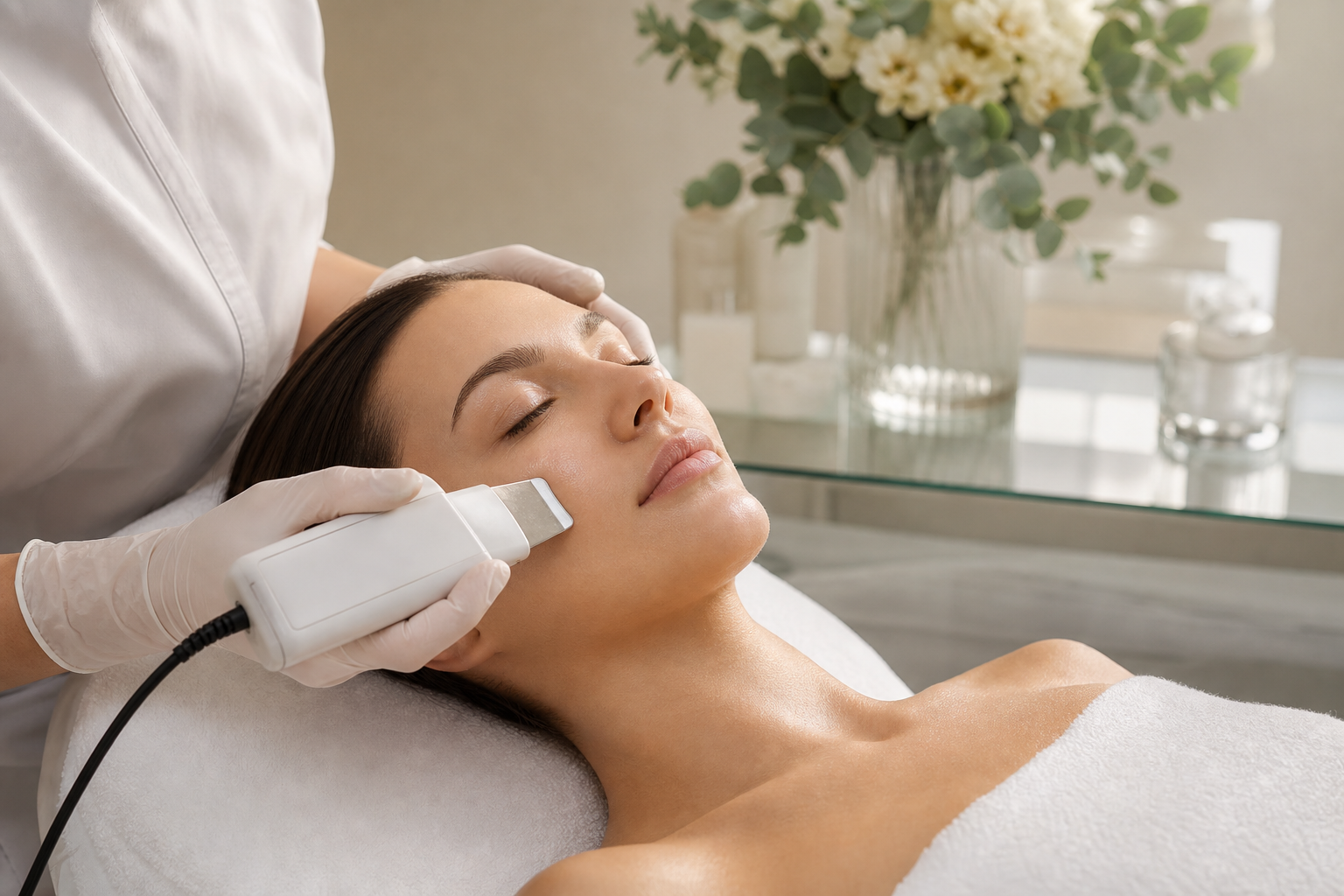
Ultrasonic facial cleansing has emerged as a sophisticated skincare treatment that combines gentle technology with profound efficacy. Utilizing high-frequency sound waves, this non-invasive procedure penetrates the skin to expel impurities, excess sebum, and dead skin cells without the discomfort or irritation associated with traditional cleansing methods. For individuals seeking a thorough yet delicate approach to facial cleansing, especially those with oily, combination, or sensitive skin types, ultrasonic facial cleansing offers a compelling alternative.
This technique is particularly valued for its ability to deep-clean the complexion while stimulating the skin’s natural regeneration processes, resulting in a refreshed, luminous appearance. As more people look for treatments that avoid aggressive extractions or harsh chemicals, ultrasonic cleansing fits neatly into modern beauty regimes emphasizing skin health and balanced maintenance.
Understanding how ultrasonic facial cleansing works, identifying who is best suited for it, and knowing what to expect before, during, and after the treatment can empower consumers to make informed decisions about their skincare choices. This article explores these aspects in detail, clarifying the benefits, safety considerations, and place of ultrasonic cleansing within the broader scope of deep cleansing facial therapies.
What is Ultrasonic Facial Cleansing and How Does It Work?
Ultrasonic facial cleansing is an advanced skin care procedure that employs ultrasonic waves—sound waves at frequencies beyond human hearing—to mechanically exfoliate the skin and clear pores. A handheld device equipped with a fine metal spatula or probe emits rapid, microscopic vibrations onto the skin’s surface, creating mechanical agitation and cavitation bubbles that loosen impurities and debris lodged within pores.
Unlike traditional manual extractions or abrasive exfoliants, ultrasonic cleansing is contactless aside from the gentle glide of the device, minimizing physical irritation and pigmentary changes often caused by harsh treatments. The process efficiently dislodges blackheads, sebum buildup, dead skin cells, and environmental pollutants while simultaneously stimulating microcirculation and lymphatic drainage. This dual action not only cleanses but revitalizes skin tissue, promoting enhanced oxygenation and nutrient delivery.
During treatment, a conductive gel or tonic is usually applied to optimize the transmission of ultrasonic energy and improve glide. The device is then moved systematically over moist skin areas, focusing on common zones prone to congestion such as the forehead, nose, chin, and cheeks. Sessions typically last between 30 to 60 minutes depending on the client’s skin condition and cleansing objectives.
Who Benefits the Most from Ultrasonic Facial Cleansing?
This treatment suits a variety of skin types and concerns but is exceptionally beneficial for individuals with oily or combination skin that is susceptible to clogged pores, blackheads, and mild acne. For people with sensitive skin, the gentle nature of ultrasonic waves presents an advantageous alternative to chemical peels or aggressive extractions that can provoke redness and irritation.
Moreover, those with dry or mature skin can gain from the treatment's ability to stimulate cellular turnover and improve the absorption of hydrating and nourishing skincare products applied post-treatment. The enhanced permeability of the skin barrier following ultrasonic cleansing facilitates deeper penetration of active ingredients, amplifying their efficacy.
However, it is crucial to note that ultrasonic facial cleansing is not universally appropriate. Individuals experiencing active inflammatory conditions such as severe acne with cysts, rosacea flare-ups, eczema, open wounds, or skin infections should avoid this treatment or proceed only under medical supervision. A qualified dermatologist or licensed skincare professional can perform a thorough assessment to determine suitability, tailoring treatment to individual skin needs and sensitivities.
What Are the Key Advantages of Ultrasonic Cleansing Compared to Other Facial Treatments?
One of the most prominent benefits of ultrasonic facial cleansing is its painless and non-invasive character. Unlike manual extraction or abrasive scrubs, this method does not traumatize the epidermis or tenderize the skin, significantly reducing the risk of inflammation, microtears, or post-inflammatory hyperpigmentation. This makes it an excellent option for those with delicate or reactive skin.
The treatment effectively removes dead skin cells and unclogs pores, leading to a refined skin texture and decreased incidence of breakouts. Furthermore, by stimulating microcirculation and lymphatic flow, ultrasonic cleansing enhances skin tone and reduces puffiness, lending a natural radiance and a firmer appearance.
Another advantage is convenience. Ultrasonic facial cleansing sessions are relatively quick and comfortable, requiring minimal downtime. Many clients notice immediate improvements in skin brightness and clarity, which can encourage regular maintenance without disruption to daily activities.
How Should One Prepare for Ultrasonic Facial Cleansing?
Preparation for an ultrasonic facial treatment involves straightforward yet important steps to ensure safety and optimize results. It is advisable to avoid strong exfoliants, retinoids, and sun exposure for at least 24 to 48 hours prior to the procedure, as these can sensitize the skin and increase the likelihood of irritation.
Clients should arrive with clean skin free of makeup, oils, and creams to allow the ultrasonic device to work effectively. Consultation with a skincare professional beforehand can help address any concerns, review medical history, and tailor the procedure according to skin type and condition.
Those on medications affecting photosensitivity or with specific dermatological conditions should disclose this information to the provider. Such transparency ensures that the treatment plan prioritizes skin health and minimizes adverse effects.
What Happens During and After an Ultrasonic Facial Cleansing Session?
A typical ultrasonic facial cleansing session begins with a gentle cleansing step to remove surface contaminants. A conductive gel is then applied to assist the ultrasonic probe’s movement and penetration. The practitioner carefully glides the device over the face, focusing on congested regions but covering the entire facial area.
Patients usually experience a subtle tingling or vibration from the ultrasonic waves, which is generally comfortable and non-painful. The procedure is designed to be soothing and relaxing rather than invasive.
Post-treatment, skin may exhibit slight redness or warmth due to increased circulation, which usually subsides within hours. Hydrating serums or soothing masks often follow, capitalizing on the heightened absorption benefits.
Clients are typically advised to maintain gentle skincare routines, avoid sun exposure without protection, and possibly schedule follow-up sessions for sustained skin improvement. Mild peeling might occur as part of the natural renewal process stimulated by the treatment.
What Are the Safety Considerations and Limitations of Ultrasonic Facial Cleansing?
While generally considered safe, ultrasonic facial cleansing has contraindications and requires adherence to professional guidelines. Not recommended for individuals with implanted electronic devices like pacemakers due to interference risks, the procedure must also be avoided during pregnancy unless specifically cleared by a healthcare provider.
Active infections, open wounds, or inflamed skin lesions preclude treatment to prevent exacerbation or slowed healing. Professional execution of the procedure ensures correct device settings and hygiene standards to reduce risks of irritation or infection.
At-home ultrasonic devices may offer supplementary care but lack the power and precision of professional instruments. Improper at-home usage can lead to uneven treatment or skin irritation, underscoring the importance of expert supervision for optimal safety and outcomes.
How Does Ultrasonic Facial Cleansing Fit into the Broader Spectrum of Facial Cleansing Techniques?
Within the landscape of facial cleansing modalities, ultrasonic treatment occupies a distinctive niche characterized by its blend of mechanical precision and gentle skin stimulation. Compared to traditional manual cleansing, it delivers a more profound pore purification without the mechanical stress. Facial Cleansing Techniques: How to Choose the Right Treatment offers a broader context for understanding how ultrasonic cleansing compares and complements other methods such as vacuum suction, microdermabrasion, or chemical peels.
While chemical peels rely on acid-based exfoliation, ultrasonic cleansing achieves exfoliation through physical vibration, potentially appealing to those seeking a less chemically intensive option. Furthermore, unlike abrasive devices that can cause microtrauma, ultrasonic waves offer a non-abrasive solution that supports skin barrier integrity.
Integrating ultrasonic facial cleansing into comprehensive skincare regimens can enhance the effectiveness of serums and moisturizers, thereby elevating overall skin health and aesthetic results when used alongside treatments like hydration therapy and sun protection. Deep Facial Cleansing: A Comprehensive Guide discusses how such multi-modal approaches can be tailored for individual skin profiles.


