Deep cleansing for acne-prone skin represents a pivotal component in the ongoing quest for healthier, clearer complexion for many individuals. Acne, a condition affecting millions worldwide across varied ages and severities, often demands a nuanced approach to skin care that balances effective cleansing with the preservation of the skin’s delicate barrier. Unlike routine home care, deep cleansing involves professional-grade procedures designed to thoroughly address clogged pores, excess sebum, and inflammatory lesions, thereby reducing the visibility and frequency of breakouts.
This article is intended for people who struggle with mild to moderate acne and seek a scientifically grounded understanding of deep cleansing techniques specifically tailored for problematic skin. It is also a valuable resource for those exploring professional treatments, as well as individuals simply aiming to deepen their knowledge of safe, effective skincare practices amidst acne challenges. Given the sensitive nature of acne-prone skin and the spectrum of treatment options from cosmetic care to dermatological therapies, this discussion will not offer diagnosis or individualized prescriptions but instead will provide clarity in distinguishing between approaches, highlighting considerations for safety, indications, contraindications, and realistic outcomes.
Understanding the principles and procedures of deep cleansing is essential because it empowers individuals to make informed choices about managing their acne-prone skin while avoiding potential complications. With the ever-expanding array of treatments and products, clarity about what deep cleansing entails, the scope of professional interventions, and when to seek specialized dermatological advice can significantly improve skin health and patient satisfaction.
What Is Deep Cleansing for Acne-Prone Skin and How Does It Differ from Regular Skincare?
Deep cleansing refers to a set of professional skin care procedures aimed at thoroughly removing impurities that accumulate beneath the skin’s surface, particularly within clogged pores. In the context of acne-prone skin, this process focuses on eliminating excess sebum, dead skin cells, blackheads, whiteheads, and other debris that contribute to pore blockage and subsequent inflammation.
Unlike standard daily face washing routines which generally cleanse the skin’s surface, deep cleansing seeks to penetrate more deeply to unclog pores and restore the skin’s natural clarity. The techniques used in deep cleansing vary from mechanical extraction methods to chemical exfoliation with active ingredients such as alpha-hydroxy acids (AHAs) or beta-hydroxy acids (BHAs), chosen depending on skin type, acne severity, and individual tolerance.
Importantly, deep cleansing is not a one-size-fits-all service and varies greatly between cosmetic care, salon treatments, and dermatologically supervised interventions. Cosmetic deep cleansing may involve manual extractions and enzymatic peels performed by trained aestheticians, while dermatological care could incorporate medical-grade chemical peels, prescription medication applications, and adjunctive methods such as laser therapy — always under clinical supervision to minimize risks.
Who Should Consider Deep Cleansing for Acne-Prone Skin?
Deep cleansing is predominantly recommended for individuals experiencing mild to moderate acne, particularly those with comedonal acne manifesting as blackheads and whiteheads. These patients often benefit from professional pore unclogging and sebum control, which can reduce the frequency of inflammatory lesions and improve skin texture.
Moreover, those facing oily skin with congested pores may observe improvements in skin clarity and pore size with regular deep cleansing protocols. Patients interested in enhancing the overall appearance of their skin, including reduction of minor post-acne discoloration and uneven surface, can also consider this as part of a broader skincare regimen.
However, deep cleansing is not universally suitable for all acne presentations. Individuals with severe inflammatory acne, cystic lesions, active skin infections, or those undergoing systemic treatments such as isotretinoin must avoid certain procedures or seek tailored medical guidance. Additionally, pregnant or breastfeeding individuals should consult healthcare providers before undertaking any intensive skin treatments due to potential contraindications related to chemical agents or procedures.
What Are the Core Steps and Techniques Involved in Deep Cleansing for Acne?
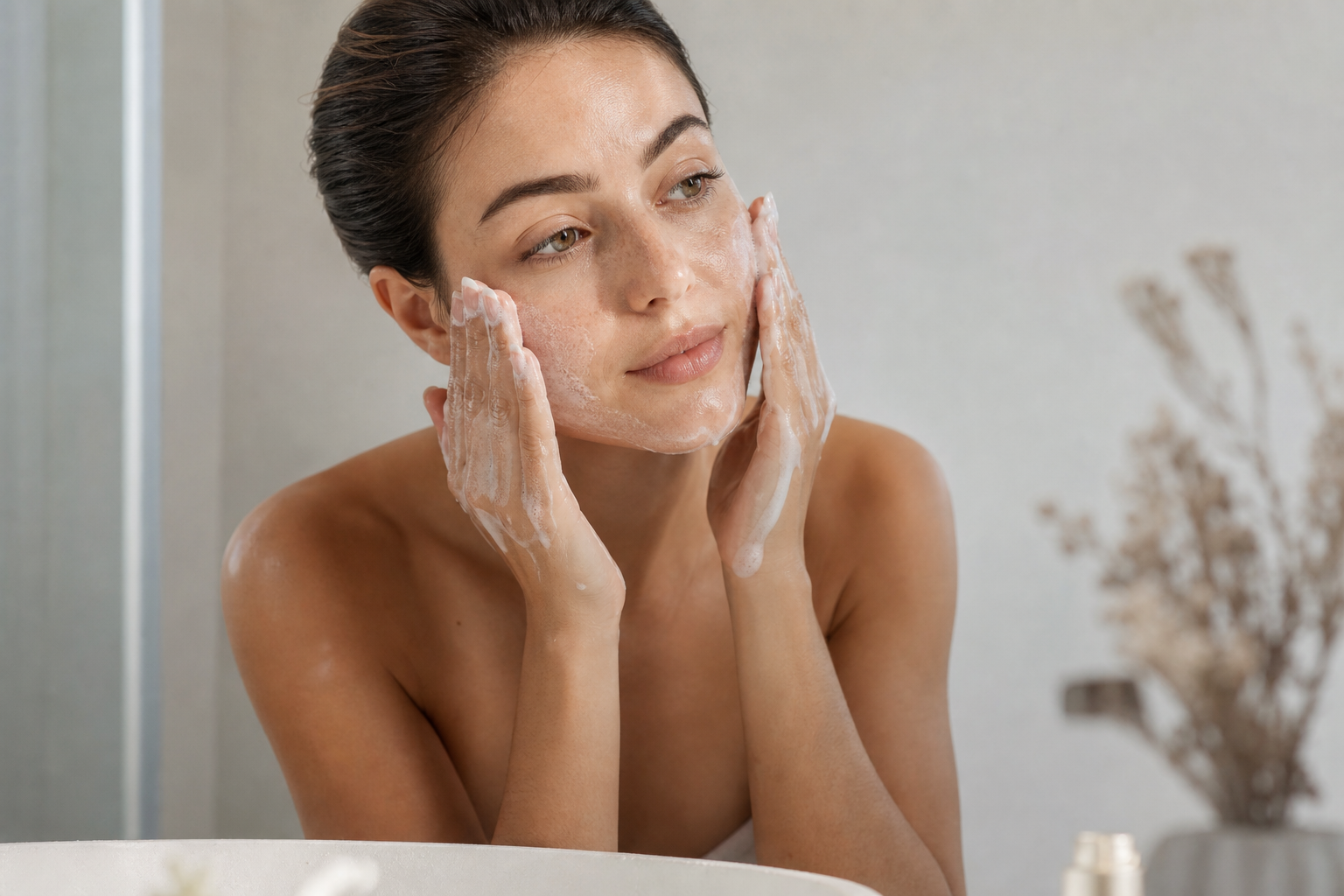
A standard deep cleansing session typically unfolds in several meticulously executed stages, each designed to maximize efficacy while maintaining skin safety. The process begins with a gentle cleansing to remove surface impurities and makeup, often utilizing products formulated for acne-prone skin to avoid irritation.
Following cleansing, a warming phase such as steam or application of warm compresses facilitates the softening of encrusted debris and opens the pores. This step is crucial to ensure painless and effective extraction, as open pores make it easier to dislodge clogged material.
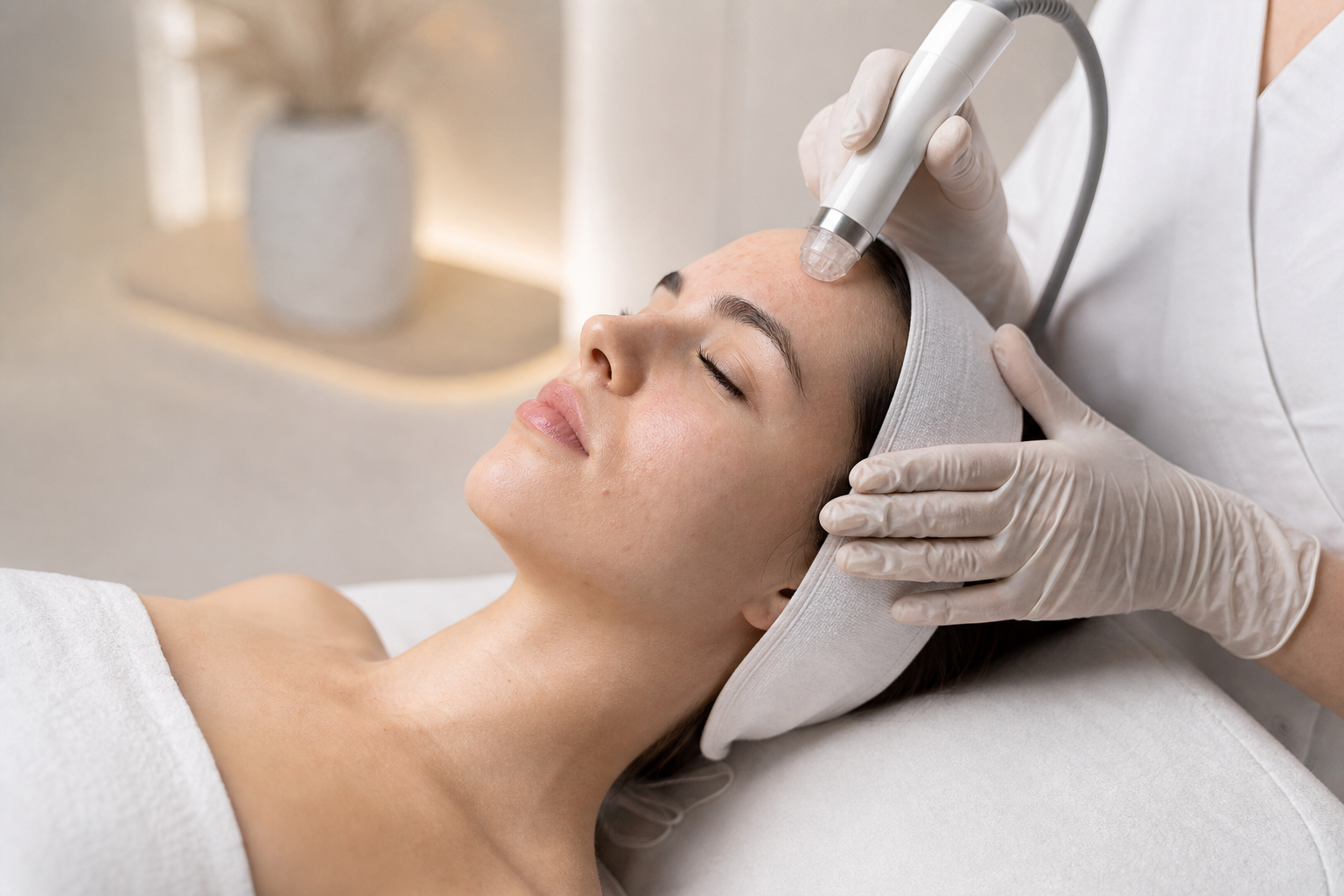
The extraction phase involves the controlled removal of comedones and superficial blockages. This can be performed manually by trained professionals using sterile tools or through mechanical devices designed for gentle suction. Precision and hygiene are paramount at this stage to avoid trauma or secondary infections.
After extraction, calming and disinfecting agents are applied to soothe the skin and reduce inflammation risk. These may include toners with anti-inflammatory properties, soothing masks, or serums rich in antioxidants and hydrating ingredients.
Finally, the treatment concludes with the application of moisturizers and broad-spectrum sunscreens, as post-cleansing skin can be particularly sensitive and vulnerable to environmental stressors. When indicated, chemical exfoliants such as low concentration AHAs or BHAs may be introduced gradually over subsequent sessions to support regeneration and prevent recurrent blockage.
When Is Extraction Appropriate, and What Lesions Should Be Avoided?
Extracting pore contents is a delicate task that must be approached with judicious selectivity. Ideal candidates for extraction include open comedones (blackheads) and closed comedones (whiteheads) that are not acutely inflamed. Proper extraction can facilitate pore clearance and reduce comedone formation without causing significant trauma.
Conversely, extractions should be avoided on inflammatory pustules, nodules, cysts, and other deeply inflamed lesions. Attempting to extract these can rupture the skin barrier, exacerbate inflammation, spread bacteria, and increase the likelihood of scarring. Similarly, skin areas affected by active infections like herpes simplex or eczema require special consideration and usually contraindicate manual extraction.
Professional discretion is essential; an experienced practitioner recognizes when to forgo extraction to protect skin integrity. Untrained or unsupervised extractions risk worsening acne severity and should be discouraged.
How Are Hygiene and Safety Maintained During and After Deep Cleansing?
Hygiene is the cornerstone of safe and effective deep cleansing treatments. Sterile instruments, disposable gloves, and sanitized treatment environments minimize contamination risk and protect against infection. Practitioners must adhere to rigorous aseptic protocols, including thorough hand hygiene and surface disinfection.
Post-treatment care is equally vital because the skin is more susceptible to environmental aggressors and microbial invasion after cleansing. Patients are typically advised to avoid touching their faces with unwashed hands, refrain from using harsh skincare products, and apply recommended moisturizers and sunscreens diligently.
Any signs of infection such as increasing redness, swelling, pain, or discharge warrant prompt consultation with a dermatologist. Patients should also be counseled about temporary skin reactions that can naturally follow deep cleansing, such as mild redness or dryness, and how to address them appropriately.
When Is Dermatological Consultation Essential Prior to Deep Cleansing?
A professional dermatological assessment is indispensable before commencing any deep cleansing procedure, especially for individuals with moderate to severe acne or complicating factors. Conditions that necessitate medical evaluation include the presence of cystic or nodular acne, active skin infections, scarring history, systemic medication usage (e.g., isotretinoin, antibiotics, hormonal treatments), pregnancy, and complex dermatological diseases.
A dermatologist assesses skin condition, medical history, and treatment goals to recommend appropriate care — which may range from modifying the cleansing approach to initiating medical therapies. Such supervision minimizes risks, tailors treatments for maximal benefit, and ensures that deep cleansing integrates harmoniously into the patient’s broader acne management plan.
What Risks and Side Effects May Occur and How Should They Be Managed?
Deep cleansing, while generally safe when performed professionally, carries potential risks including skin irritation, redness, dryness, petechiae (small pinpoint bleeding), bruising, and rarely, secondary infections. Incorrect extraction techniques notably increase these risks.
Most side effects are transient and resolve with appropriate skincare and avoidance of irritants. However, patients must be educated on recognizing warning signs such as severe pain, swelling, persistent worsening, or pus formation, which require discontinuing the procedure and consulting a dermatologist promptly.
Informed consent and clear communication about realistic outcomes and possible adverse effects help align patient expectations and promote adherence to post-treatment care protocols.
How Does Deep Cleansing Complement Overall Acne Management and Skin Care?
Regular deep cleansing can effectively complement comprehensive acne management by helping maintain pore clarity, controlling sebum levels, and preventing new comedone formation. These effects often result in smoother skin texture, decreased inflammatory episodes, and improved skin tone.
However, deep cleansing alone is not a cure for acne. It should be considered part of an integrated strategy that includes appropriate topical or systemic therapies, consistent daily skincare routines, lifestyle modifications, and ongoing dermatological support.
When combined thoughtfully, these approaches can achieve better control over acne progression, minimize scarring, and enhance skin resilience. Additionally, by improving skin hygiene and reducing oxidative stress through cleansing and exfoliation, patients may experience greater satisfaction with their skin’s overall health and appearance.
Frequently Asked Questions About Deep Cleansing for Acne-Prone Skin
Can deep cleansing cure acne? Deep cleansing is not a standalone cure but a supportive care measure that assists in managing acne by removing pore blockages and reducing sebum accumulation.
Is extraction safe for all acne types? No, extraction should only be performed on non-inflamed comedones. Inflamed or cystic lesions should not be extracted to avoid complications.
How often should one undergo deep cleansing? Frequency depends on skin type and acne severity, typically ranging from monthly sessions to intervals determined by a skincare professional.
Can deep cleansing lead to scarring? Improper techniques or aggressive extraction can increase scarring risk; therefore, treatments should be conducted by trained professionals.