In the evolving field of skincare, particularly in the domain of anti-aging, a significant trend has emerged: the strategic combination of different treatments to amplify skin rejuvenation and achieve superior results. Combining anti-aging treatments goes beyond single interventions to address the complex, multifaceted nature of skin aging. This approach appeals not only to dermatologists and aesthetic specialists but also to individuals keen to revitalize their skin optimally. Understanding the nuances of how various procedures can complement one another is essential for maximizing benefits while minimizing risks, thereby ensuring a youthful, radiant appearance that maintains natural expression and skin integrity.
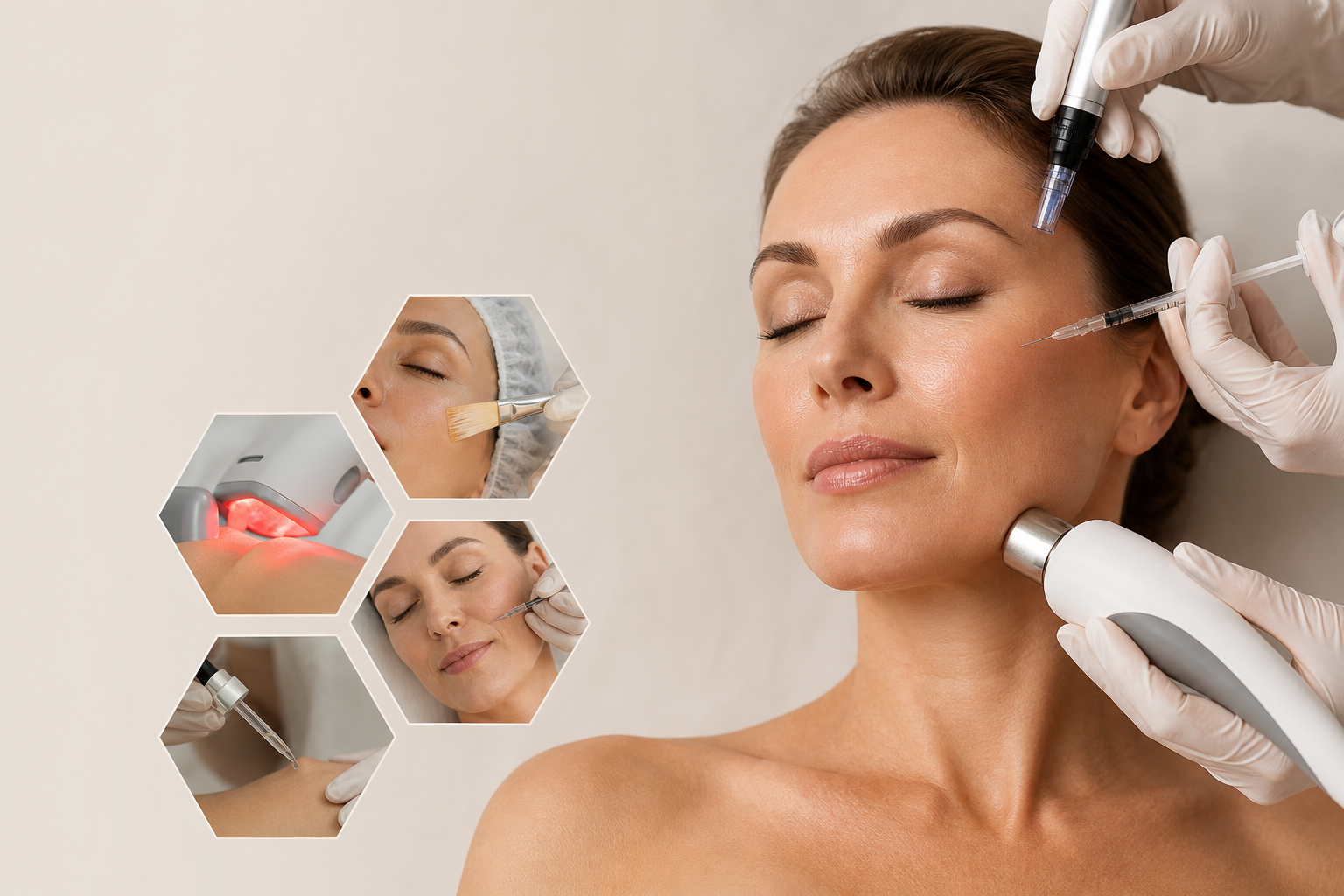
Anti-aging treatments target diverse aspects of the skin's aging process, including wrinkle reduction, improvement in skin tone and texture, contouring, and boosting overall skin health. By integrating multiple modalities, each working on different skin layers or mechanisms, one can tackle the signs of aging more holistically. This editorial explores effective strategies for combining popular anti-aging procedures—such as microneedling paired with chemical peels, radiofrequency lifting alongside botulinum toxin, or high-intensity focused ultrasound combined with dermal fillers—to empower readers with a knowledgeable framework for their skincare journey.
Who benefits from these combined treatments? Primarily, anyone seeking comprehensive yet non-invasive methods to prevent or reverse aging signs will find tailored combination therapies advantageous. Whether one is just starting to notice fine lines or dealing with pronounced sagging and volume loss, a customized regimen carefully balancing synergistic treatments can provide more profound and longer-lasting results compared to isolated procedures. As we delve deeper, this article will unfold the reasoning behind treatment combinations, best practices, timing and sequencing, anticipated outcomes, and common concerns, ultimately enhancing decision-making for practitioners and skincare enthusiasts alike.
Why Is Combining Anti-Aging Treatments an Effective Strategy?
The process of aging affects skin on multiple fronts: collagen and elastin degradation, slowed cell turnover, diminished hydration, dynamic muscular activity causing expression lines, and changes in facial volume. Single treatments often focus on one or two of these factors, whereas combination therapies intentionally target several simultaneously, creating a comprehensive rejuvenation effect. For instance, while microneedling promotes collagen remodeling and enhances product absorption, a chemical peel exfoliates dead cells and improves pigmentation, together renewing skin texture and tone more effectively than either alone.
This multifaceted attack on aging signs is crucial because skin aging is not caused by one isolated factor but by an interplay of biological changes and external influences such as sun exposure and lifestyle. By leveraging the varied mechanisms each treatment employs—cellular stimulation, muscle relaxation, volumization, and surface resurfacing—combined approaches address both the cause and visible consequences of aging. This synergy often results in enhanced efficacy, smoother contours, and a more radiant complexion that retains a natural look and feel.
Moreover, combining treatments can lead to more efficient use of time and resources. Patients may require fewer sessions overall when modalities complement each other, and maintenance schedules can be better optimized. Importantly, any combination plan should be personalized, taking into account skin type, sensitivity, depth of aging concerns, and individual goals, thereby avoiding over-aggressive protocols that could compromise skin health.
Which Anti-Aging Treatments Are Most Effective When Combined?
Choosing the right treatment pairings depends largely on the patient’s skin condition and desired outcomes. However, several combinations have demonstrated notable synergistic effects and safety profiles in clinical and aesthetic practice.
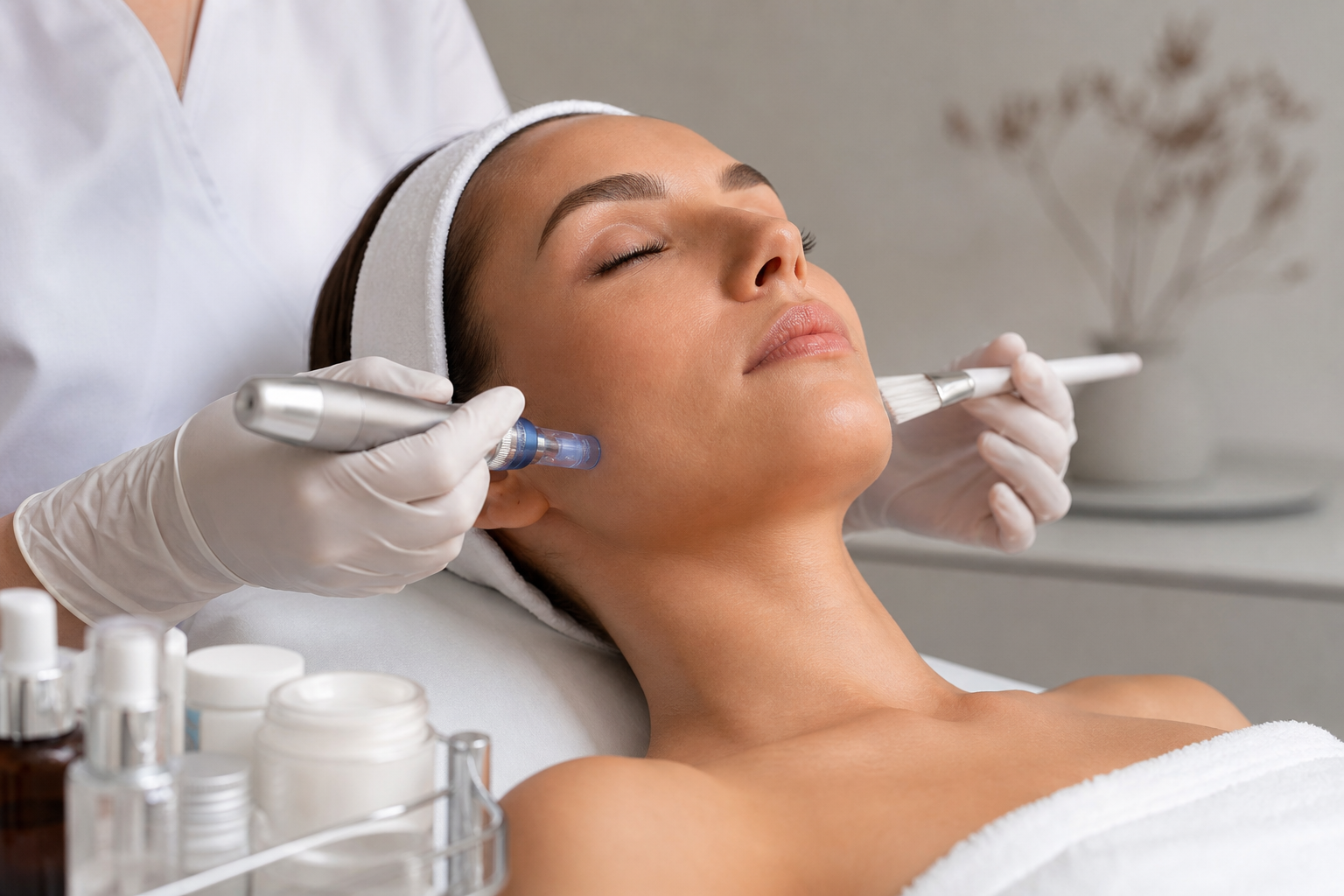
Microneedling and Chemical Peels: Microneedling involves creating micro-injuries in the skin to stimulate collagen and elastin production while enhancing transdermal absorption of topical agents. When paired with chemical peels—using agents like glycolic acid or TCA—the skin surface is renewed through controlled exfoliation. This combination improves texture, pigmentation irregularities, and fine lines, yielding a smoother and more luminous complexion. Typically, chemical peeling is performed first to eliminate dead cells and prep the skin, followed by microneedling after an appropriate recovery period.
Radiofrequency (RF) Lifting and Botulinum Toxin (Botox): RF lifting delivers controlled heat energy to deep skin layers, promoting collagen contraction and neocollagenesis, which tightens and firms tissue. Botulinum toxin relaxes dynamic muscles responsible for expression wrinkles, thereby smoothing the overlying skin. Administering botox after RF treatments allows muscle relaxation to consolidate the tightening, balancing volume and movement for a youthful but natural facial expression. This pairing addresses both skin laxity and rhytides from different aging mechanisms.
High-Intensity Focused Ultrasound (HIFU) and Dermal Fillers: HIFU penetrates the deep dermis and superficial muscle layers, inducing thermal coagulation points that instigate collagen regeneration and skin lifting without incisions. Dermal fillers restore volume loss and contour, often affected by aging fat pad atrophy. Sequentially applying HIFU to lift and firm the skin, followed by carefully placed fillers to restore youthful fullness, can dramatically enhance facial harmony. Timing between treatments is critical to allow tissue recovery and optimal filler integration.
Other promising combinations include IPL (Intense Pulsed Light) with chemical peels for pigmentation and vascular concerns, as well as tailored multitreatment protocols incorporating antioxidants and growth factors to support cellular health. Ultimately, the most effective pairings depend on careful skin analysis and professional evaluation.
How Should the Sequence and Timing of Combined Treatments Be Managed?
The success of combining anti-aging treatments hinges not only on which procedures are selected but also on their sequencing and interval scheduling. Skin needs time to recover from one modality before undergoing the next to mitigate inflammation risks and maximize cumulative benefits.
For microneedling and chemical peels, a common approach is to perform the peel first; this removes stratum corneum layers and prepares the skin to better absorb serums and benefit from subsequent microneedling. Following the peel, a waiting period of roughly 2 to 4 weeks is advised, allowing the skin barrier to restore before initiating microneedling sessions. This interval supports optimal healing while reducing the risk of over-exfoliation and sensitivity.
In the case of RF lifting combined with botulinum toxin, botox injections are generally scheduled after the RF procedures are completed. RF treatment can cause temporary skin tightening and mild redness, so allowing this to subside ensures a more accurate botox administration focused on muscle relaxation without interference. A typical waiting period ranges from one to two weeks post-RF treatment.
When pairing HIFU with dermal fillers, clinical consensus often recommends performing HIFU first. The ultrasound energy penetrates deeper tissues, and following up shortly after with fillers could potentially displace the product. Waiting approximately four weeks after HIFU before injecting fillers permits the skin to respond adequately to the lifting effects, enabling a more precise volumization where needed.
Beyond these examples, laser treatments and intense pulsed light therapies require careful recovery intervals before succeeding interventions to prevent cumulative side effects such as hyperpigmentation or prolonged erythema. In all cases, comprehensive consultation with a trained aesthetic provider is vital to designing a timeline tailored to the individual’s skin response and goals.
What Are the Distinct Benefits of Utilizing Combined Anti-Aging Therapies?
The holistic advantages of combining treatments span multiple dimensions of skin health and cosmetic outcome. By targeting different pathways of aging, patients can expect:
Enhanced Collagen Stimulation and Skin Firmness: Treatments like microneedling, RF, and HIFU induce collagen neogenesis at varying dermal depths. When combined, they provide a layered stimulation that effectively tightens and rejuvenates skin resilience.
Improved Surface Texture and Complexion Uniformity: Chemical peels and IPL therapies address superficial imperfections such as dullness, pigmentation irregularities, and minor scarring. Their effects synergize with deep remodeling treatments for comprehensive renewal.
Smoother Dynamic Lines and Reduced Wrinkles: Botulinum toxin complements structural improvements by reducing muscular activity that contributes to expression lines, especially around the eyes and forehead.
Restored Facial Volume and Contour: Dermal fillers add volume where lost due to aging-related fat redistribution and bone resorption, restoring youthful fullness, and seamlessly working alongside lifting modalities.
Additionally, combined approaches often allow for reduced frequency of maintenance sessions, as synergistic effects sustain improvements longer. This can lessen cumulative skin stress and offer convenience and cost-effectiveness. Individualized combinations also allow practitioners to modulate intensity and risk, making them safer for sensitive skin types or complex concerns.
Who Is the Ideal Candidate for Combined Anti-Aging Treatment Plans?
Combination anti-aging protocols are broadly suitable for adults seeking effective yet non-invasive skin rejuvenation. Early-stage candidates may include those noticing initial fine lines, mild skin laxity, or uneven tone who wish to prevent further aging signs. More advanced patients with deeper wrinkles, volume loss, and sagging can also benefit by layering treatments to comprehensively address multiple concerns.
Ideal candidates are typically those with realistic expectations, good overall skin health, and a commitment to following professional recommendations including sun protection and post-treatment care. Individuals with certain skin conditions such as active infections, uncontrolled chronic diseases, or hypersensitivity to treatment components might require alternative approaches or more cautious protocols.
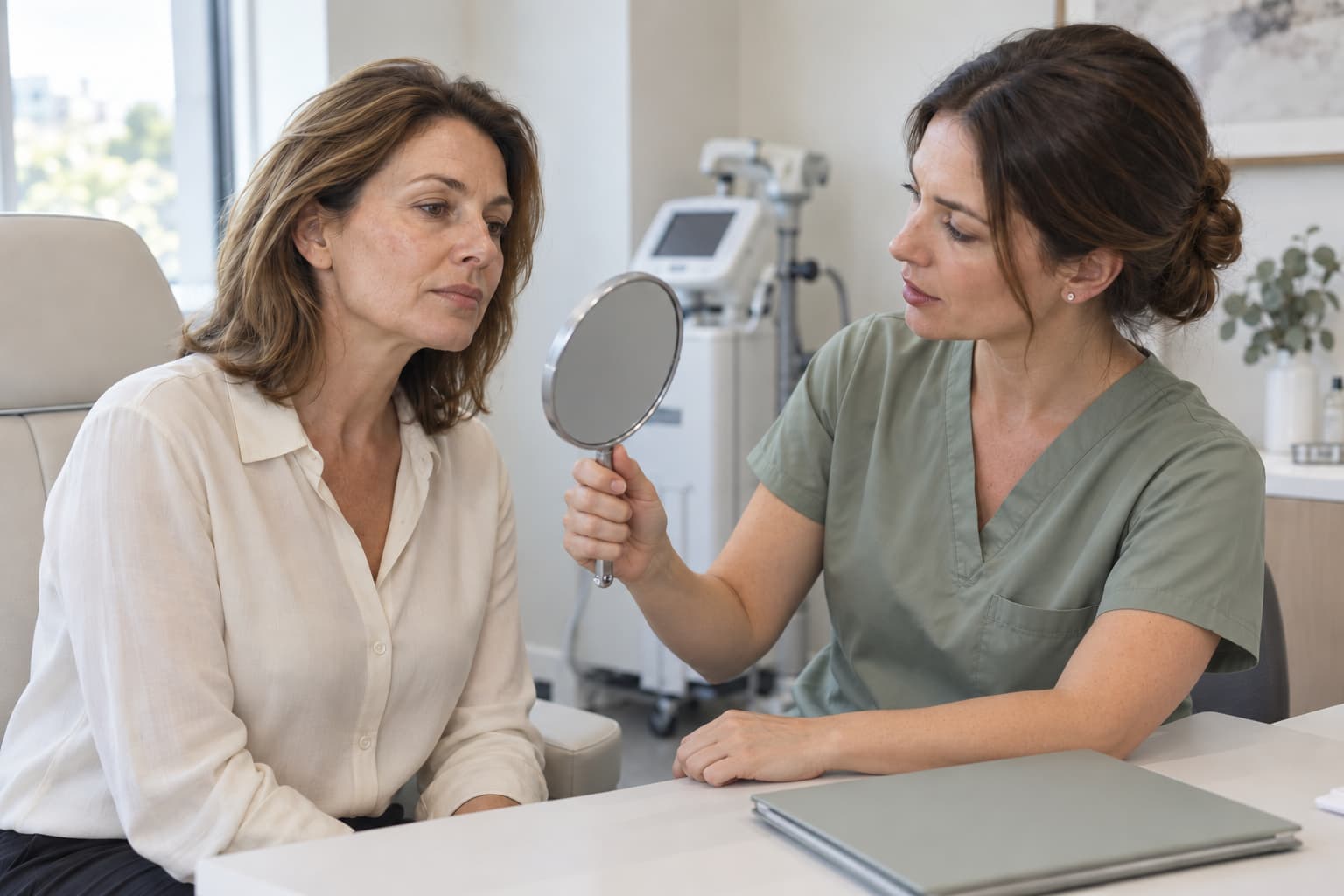
The versatility of treatment combinations allows customization based on skin type, ethnicity, and sensitivity, making these strategies accessible to a wide demographic. Consulting a board-certified dermatologist or experienced aesthetician is essential to determine precise suitability and develop a personalized regimen aligned with the patient’s aging profile and lifestyle.
What Can Patients Expect During and After Combined Treatments?
Each treatment modality comes with its own immediate sensations and recovery timeline, which cumulatively affect patient experience. Generally, patients may notice mild redness, slight swelling, or tingling during and immediately after sessions, which typically resolve within hours to a few days. When treatments are properly spaced, the skin is better able to heal, minimizing prolonged sensitivity or adverse reactions.
Over the course of treatment cycles, incremental improvements in texture, tone, firmness, and volume become apparent. These changes result not only from procedural effects but also from enhanced skin function and health. Maintaining a tailored skincare routine, including moisturization, sun protection, and possibly topical antioxidants or peptides, greatly supports sustained outcomes.
Clients should anticipate a gradual transformation rather than instant dramatic alteration, with the peak results often visible several weeks to months following the completion of combined sessions. The natural look achieved through synergistic modalities tends to avoid the 'overdone' appearance sometimes associated with singular high-intensity interventions.
Common Questions Regarding the Combination of Anti-Aging Treatments
Do combination treatments increase the risk of skin irritation? When planned and administered correctly by a trained professional, combination treatments do not inherently increase irritation risk. Adhering to recommended intervals and customizing therapy based on skin tolerance ensures safety. Overlapping aggressive procedures without sufficient recovery, however, may heighten side effects.
How often should combined treatments be repeated? The frequency depends on the specific modalities combined, treatment intensity, and individual skin response. Typically, cycles occur every four to twelve weeks, with maintenance sessions potentially scheduled semi-annually or annually. Professional guidance is crucial to optimize timing.
Can combined treatments replace surgical procedures? While combination therapies provide significant improvement in skin quality and facial contour, they may not substitute surgical options for very advanced laxity or structural changes. Nonetheless, many patients prefer these less invasive alternatives for their reduced downtime and natural outcome.
How do I maintain results after combined treatments? Consistent skincare, sun protection, healthy lifestyle choices, and adherence to scheduled maintenance visits help prolong benefits. Collaboration with your provider to adjust the regimen as your skin evolves ensures continuing efficacy.