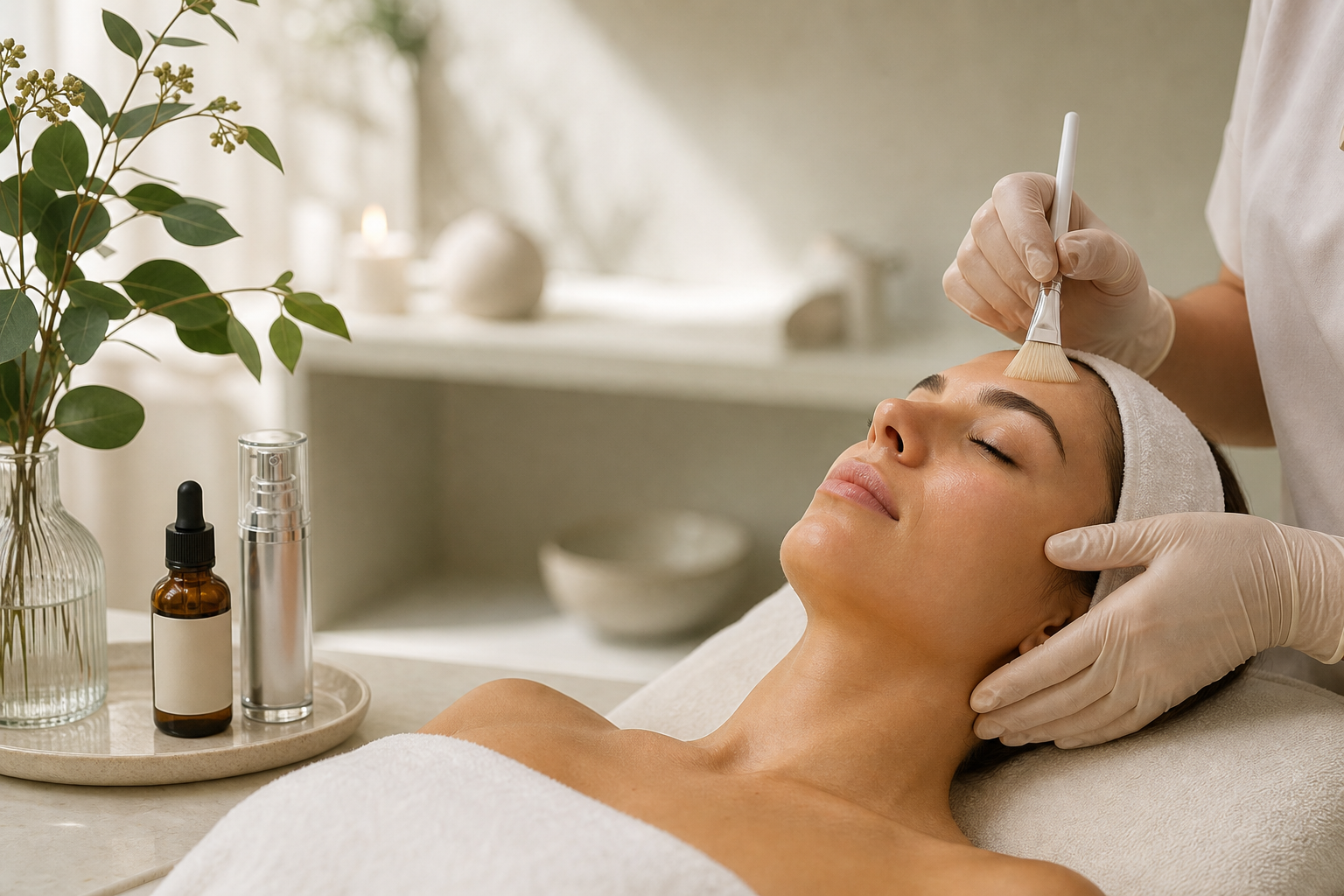
Retinol, a potent derivative of vitamin A, has earned its place as a cornerstone ingredient in skin care, celebrated for its remarkable abilities to promote cellular renewal, diminish the signs of aging, and combat acne and pigmentation. However, its powerful biological activity also means the skin can become more delicate and reactive. This characteristic becomes particularly important when considering professional facial treatments, especially deep cleansing facials, which involve mechanical and chemical interventions that may amplify skin sensitivity.
Many individuals who actively use retinol in their daily regimen often wonder whether they should pause usage before undergoing facial treatments. Understanding the interaction between retinol and professional procedures is critical for anyone seeking to safeguard their skin's health while maximizing the efficacy of these deep cleansing sessions. This article will explore in depth whether you should stop using retinol before facial treatments, the rationale behind such guidance, timing considerations, potential risks, and how to smartly integrate retinol into your skincare routine around treatments.
This discussion is particularly relevant for those who plan to receive deep cleansing facials or similar cosmetic procedures and currently incorporate retinol in their skin care regimen. It also serves as a valuable resource for cosmetic professionals and dermatologists who guide clients on optimal skin preparation to reduce irritation risks and ensure effective treatment outcomes. By the end of this article, readers will be equipped with practical knowledge to confidently navigate the relationship between retinol usage and facial treatments.
What Is Retinol and How Does It Affect the Skin?
Retinol is a form of vitamin A renowned for its role in enhancing skin texture and appearance. Its primary mode of action involves accelerating the epidermal turnover process—shedding old, dead skin cells and encouraging the generation of fresh, healthy ones. This renewal stimulates collagen synthesis, which is essential for maintaining skin firmness and elasticity.
Through these mechanisms, retinol helps reduce fine lines, smooths uneven skin texture, fades hyperpigmentation, and controls blemishes by keeping pores clear. Its versatility has made it a staple in anti-aging and acne treatments worldwide.
Yet, the rejuvenation process prompted by retinol can sometimes cause the skin’s outer layer to become thinner and more sensitive. This increased susceptibility may manifest as dryness, irritation, redness, or peeling, especially if retinol is used in high concentrations or without appropriate moisturization and sun protection. Understanding these effects lays the foundation for why the timing of retinol discontinuation before facial treatments is often scrutinized.
Why Consider Discontinuing Retinol Ahead of Facial Treatments?
The core reason for advising a pause in retinol usage prior to receiving professional facial treatments like deep cleansing lies in the prevention of unwanted skin irritation and inflammation. Deep cleansing facials typically involve manual extraction of impurities, exfoliation, and sometimes the application of potent serums or chemical agents that affect the skin barrier.
When retinol is actively stimulating cell turnover, the skin is in a more sensitive state. Coupling this already heightened sensitivity with the physical and chemical stimuli of a facial can overwhelm the skin’s defenses, resulting in heightened redness, stinging sensations, and even temporary damage such as over-exfoliation.
Therefore, halting retinol use temporarily allows the skin to regain its natural barrier strength and resilience, reducing the likelihood of adverse responses during treatment. By approaching the facial on calmer, less reactive skin, clients are better positioned to enjoy the cosmetic and therapeutic benefits the procedure offers.
How Long Before a Facial Treatment Should Retinol Be Stopped?
The recommended cessation period varies depending on factors such as the strength of the retinol formulation, the individual’s skin sensitivity, and the specific facial treatment planned. Typically, dermatologists and skin care professionals advise stopping retinol use approximately 5 to 7 days before undergoing a deep cleansing facial.
This window provides sufficient time for the skin to reduce turnover activity and restore a thicker, more robust surface layer capable of withstanding the treatment. For individuals with very sensitive or reactive skin, or those preparing for more intensive procedures like chemical peels or laser therapy, this pause may extend to 10-14 days.
It is crucial to approach this timing on a case-by-case basis, consulting with your esthetician or dermatologist who can tailor recommendations according to your skin type and the nature of the treatment.
What Happens to the Skin When Retinol Is Discontinued Before and After Treatment?
Halting retinol beforehand helps mellow the accelerated skin cell turnover, allowing the skin surface to thicken and reduce baseline sensitivity. This, in turn, strengthens the skin’s protective barrier, making it less prone to irritation stemming from physical exfoliation and chemical agents used in facials.
Following the treatment, the skin typically undergoes a healing phase where barrier repair is vital. Resuming retinol immediately in this delicate window can interfere with the recovery process, exacerbating irritation or prolonging redness. Consequently, specialists recommend waiting until the skin heals fully—often a period ranging from several days up to two weeks—before reintroducing retinol gradually.
A gradual reintroduction involving lower concentrations and less frequent application can help the skin adjust safely. During this time, hydrating and barrier-supportive products play a fundamental role, alongside strict sun protection to guard against UV damage.
Differences in Retinol Management Between At-Home Care, Salons, and Dermatological Procedures
Retinol’s usage considerations differ significantly depending on the context of the skin care routine and professional procedures involved. At-home, retinol is typically incorporated regularly, often several times a week, to maintain consistent benefits.
In contrast, cosmetic salons that offer deep cleansing facials may recommend a temporary pause to mitigate irritation but generally do not require extended discontinuations as seen with more aggressive treatments. Their procedures are designed to be gentle, enhancing skin health without extensive downtime.
Dermatological interventions such as chemical peels, microdermabrasion, or laser resurfacing are substantially more invasive. In these settings, practitioners often advise a longer retinol-free period both before and after treatments to minimize risks of complications. Understanding these distinctions helps individuals prepare adequately for their particular procedure.
How to Prepare Your Skin for a Deep Cleansing Facial When Using Retinol
Preparation is key to ensuring the safety and effectiveness of deep cleansing facials when you are an active retinol user. The process begins by planning a stop to retinol applications approximately one week before the session. During this period, avoid other potentially irritating agents such as alpha and beta hydroxy acids, potent exfoliants, and other retinoids.
Focusing on gentle hydration is essential to strengthen the skin barrier. Employ soothing moisturizers containing ingredients like ceramides, hyaluronic acid, or niacinamide, which support moisture retention and calm inflammation. Additionally, minimize sun exposure and use broad-spectrum sunscreens daily since retinol can increase UV sensitivity.
Ensure your skin is free from any active irritation or open wounds before your appointment, as compromised skin may suffer exacerbated reactions following the facial. Transparency with your skincare professional about your retinol usage and general skin condition empowers them to tailor their approach appropriately.
Potential Adverse Effects of Continuing Retinol Use Before Facial Treatments
Neglecting to pause retinol before facial treatments, particularly those involving exfoliation or extraction, can lead to several unfavorable outcomes. The most common complaints include marked irritation characterized by redness, stinging, burning sensations, and tightness. Such responses may manifest immediately or develop over subsequent days.
More severe consequences might involve excessive peeling, swelling, or even inflammation that impairs the natural healing process, resulting in prolonged recovery times and potentially less satisfactory treatment results. In rare cases, disruption of the skin barrier could predispose to infections or hyperpigmentation.
Understanding these risks emphasizes the importance of heeding professional advice about retinol discontinuation to maintain both skin health and treatment efficacy.
When Is It Safe to Resume Retinol After a Facial Treatment?
Resuming retinol post-treatment hinges on your individual healing progress and the specific facial procedure you received. It is advisable to wait until your skin has completely calmed, typically after redness, dryness, or peeling have resolved, a period that can range from a few days to two weeks.
Starting back with a low concentration formula applied sparingly allows your skin to reacclimate without undue stress. Monitoring your skin’s response carefully during reintroduction is critical; any signs of irritation should prompt a pause or adjustment of frequency.
Throughout this period, maintaining robust hydration and diligent sun protection remains paramount, as the skin’s vulnerability to external aggressors often persists beyond visible recovery.
Does Skin Type Influence Retinol Cessation Guidelines Before Facial Procedures?
Indeed, skin type greatly impacts how soon retinol should be paused ahead of treatments and the manner of its reintroduction afterward. Individuals with sensitive, dry, or compromised skin generally require a longer discontinuation phase and more cautious approaches since their barrier is more susceptible to irritation.
Conversely, those with oily or more resilient skin types might tolerate shorter breaks with fewer adverse events. Nonetheless, even oily skin can overreact when retinol and mechanical facials combine, so professional assessment remains vital.
In all cases, personal consultation with a dermatologist or experienced esthetician enables tailored advice that considers your unique skin characteristics and treatment goals.
How to Integrate Retinol Responsibly Within a Broader Skin Care and Facial Treatment Schedule
Optimally integrating retinol into your skincare routine alongside professional facial treatments requires strategic planning and ongoing communication with your skincare provider. Establishing a schedule that accommodates necessary retinol-free periods before and after treatments helps safeguard skin integrity and allows maximal benefit from both modalities.
Complementary products aimed at hydration, barrier repair, and sun protection should anchor your daily routine, especially during retinol hiatuses. Regular check-ins with your dermatologist or esthetician ensure that adjustments are made based on your skin’s evolving needs and treatment responses.
Through mindful coordination, retinol use and facial treatments can mutually enhance your skin’s health and appearance without compromising safety.


