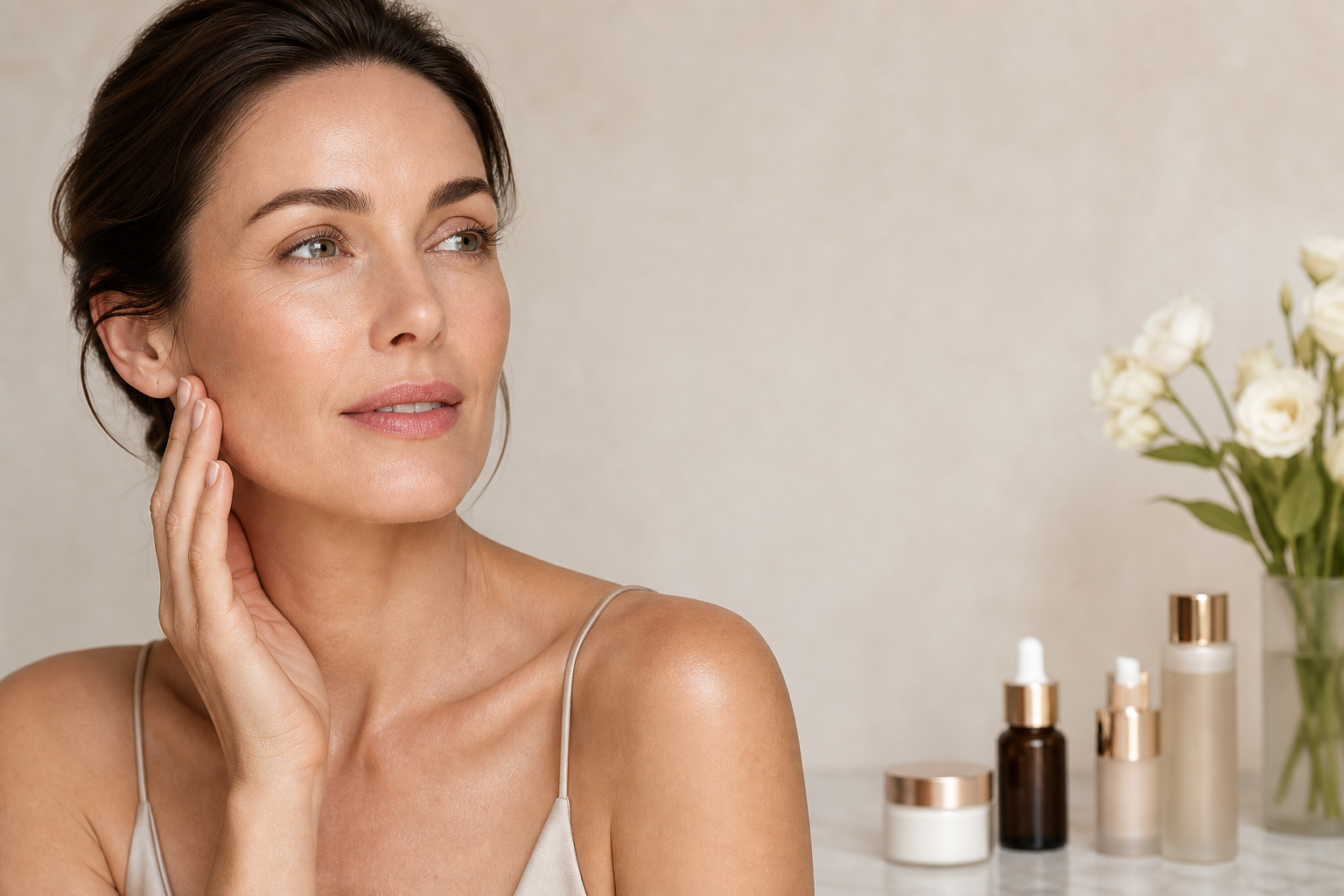
As time progresses, maintaining youthful skin becomes a priority for many individuals seeking to preserve both the appearance and health of their complexion. Anti-aging skincare encompasses a broad range of treatments and routines designed to slow, diminish, and prevent the visible signs of aging. These include fine lines, wrinkles, loss of volume, decreased elasticity, as well as uneven tone and texture. Understanding when to start anti-aging skincare is a nuanced question that depends on various factors such as one’s skin type, genetics, lifestyle, and personal goals. This article aims to provide a precise, expert, and practical exploration of anti-aging facial treatments, clarifying appropriate indications for initiation, anticipated outcomes, inherent limitations, safety considerations, and how to determine when to consult a qualified specialist.
Whether you are in your late twenties considering preventative care, or entering middle age aiming to address early signs of wrinkles, this comprehensive editorial is crafted for anyone who wishes to cultivate a healthy, resilient, and radiant complexion through informed anti-aging strategies. The relevance of knowing the optimal time to commence these treatments goes beyond aesthetics; it significantly impacts the long-term vitality of your skin, its ability to regenerate, and how effectively it withstands environmental stressors.
Embarking on anti-aging skincare is a pivotal decision that involves selecting appropriate products, treatments, and consultations to ensure safe and effective results. In this respect, non-invasive facial treatments—particularly those without needles—have become increasingly popular, offering notable improvements in skin hydration, firmness, and texture without surgical intervention. This detailed discourse will also highlight these advances and their role within a comprehensive anti-aging regimen.
What Constitutes Anti-Aging Skincare and Why is Timing Important?
Anti-aging skincare refers to a targeted set of practices and products designed to combat the biological and environmental processes that accelerate skin aging. The skin, our body’s largest organ, naturally undergoes a decline in collagen production, cellular turnover, and hydration as we age. Such changes manifest progressively as fine lines, wrinkles, sagging, dullness, and pigmentation irregularities.
Timing in starting anti-aging care is critical because early intervention can help slow these processes before significant or irreversible damage occurs. Preventative care—including the use of sunscreens, moisturizers, and antioxidants—can maintain skin integrity and delay the onset of visible aging signs. Conversely, commencing treatment too late might limit certain skin rejuvenation options or reduce the efficacy of topical agents.
The skin also responds differently at various life stages, making individualized timing essential. Daily habits such as sun protection, stress management, nutrition, and avoidance of tobacco profoundly impact skin health and the aging timeline.
Who Should Consider Beginning Anti-Aging Skincare Treatments?
Anti-aging routines are not solely for individuals with obvious wrinkles or sagging skin. Increasingly, individuals in their late twenties and early thirties adopt preventative anti-aging measures to maintain optimal skin condition over the long term. This demographic benefits most from establishing foundational skincare habits that include moisturization, photoprotection, and gentle antioxidant use.
From the mid-thirties onward, the skin naturally shows more discernible signs of aging such as fine lines and textural changes. Following this point, anti-aging skincare shifts from prevention to correction and maintenance, utilizing ingredients and treatments that actively stimulate collagen production and address pigmentation and elasticity loss.
For mature adults, including post-menopausal women, anti-aging skincare is imperative to counter accelerated collagen degradation and decreased hydration. These groups require specialized, often richer formulations and adjunctive therapies that support the skin’s changing hormonal milieu.
Identifying the Right Indicators to Start Anti-Aging Treatments
Knowing when to initiate anti-aging treatments hinges on recognizing certain skin changes that indicate diminished resilience or onset of aging. Key indicators include:
Fine lines and wrinkles: Early wrinkles often appear around the eyes, forehead, and lips. Their emergence suggests an opportune moment to incorporate retinol, peptides, and hydrating agents like hyaluronic acid to improve skin texture and stimulate renewal.
Loss of elasticity and firmness: Skin becoming lax or less taut is a crucial signal. Treatments aimed at collagen boosting and firming—whether topical serums or professional procedures—can be introduced to mitigate further sagging.
Uneven pigmentation or dullness: Sun damage or hormonal changes cause hyperpigmentation and uneven tone. Antioxidants such as vitamin C and ingredients like niacinamide can help restore radiance and inhibit melanin production.
Dryness and dehydration: Aging skin tends to lose moisture more rapidly, contributing to brittleness and accentuated wrinkles. Incorporating rich moisturizers and hydrating treatments supports barrier function and skin suppleness.
Recognizing these signs early facilitates timely incorporation of suitable treatments, thereby optimizing anti-aging outcomes.
Understanding the Mechanisms and Advantages of Non-Invasive Anti-Aging Facial Treatments
Among the growing array of anti-aging options, facial treatments without needles have gained traction due to their safety and efficacy. These procedures employ technologies such as ultrasonics, microcurrents, electroporation, and LED light therapy to enhance product penetration, stimulate collagen synthesis, and rejuvenate skin cells.
The absence of needles reduces patient discomfort and minimizes side effects like bruising, swelling, or infection risks commonly associated with injectable procedures. Consequently, these treatments offer an appealing alternative for individuals seeking subtle improvements with minimal downtime.
Consistent sessions of non-invasive treatments can result in deeper hydration, improved skin elasticity, reduced fine lines, and a more luminous complexion. Moreover, the ability to combine these therapies with daily topical regimens amplifies overall anti-aging benefits.
These treatments are suitable for a wide range of skin types, including sensitive and allergy-prone skin, augmenting their accessibility and utility.
When Should You Consult an Anti-Aging Skincare Specialist?
Consulting a dermatologist or licensed skincare professional is vital to tailor anti-aging interventions to your skin’s unique characteristics and health status. Professional guidance ensures safe integration of potent ingredients and treatments, maximizing benefits while minimizing adverse effects.
Scenarios necessitating expert consultation include:
Presence of skin conditions: Acne, eczema, rosacea, or allergic tendencies require careful product selection to avoid complications.
Planning advanced treatments: Procedures such as chemical peels, laser therapies, or prescription retinoids benefit from medical oversight in application and timing.
Appearance of unusual skin changes: Persistent irritations or atypical lesions should be evaluated professional to rule out serious issues.
Desire for customized anti-aging regimes: Tailored plans combining multiple modalities often yield superior outcomes when developed with expert input.
Collaborating with specialists provides clarity on realistic expectations, safety precautions, and the latest advancements in anti-aging science.
Realistic Expectations and Limitations of Anti-Aging Skincare
A balanced perspective is essential when approaching anti-aging care. While contemporary treatments and products can noticeably enhance skin hydration, firmness, texture, and brightness, they cannot halt the underlying biological aging process entirely.
Improvements in fine lines, surface wrinkles, and pigmentation are achievable through diligent skincare and non-invasive therapies. However, deeper structural changes such as profound wrinkles and volume loss may require more invasive interventions for substantial correction.
Moreover, individual results vary depending on genetics, environmental exposure, and lifestyle factors. Sustained benefits are closely linked with ongoing commitment to a comprehensive skincare program inclusive of sun protection, nutrition, and healthy habits.
Understanding these limitations fosters satisfaction and promotes adherence to effective, long-term strategies rather than chasing unrealistic outcomes.
Foundations of an Effective At-Home Anti-Aging Skincare Routine
Initiating an anti-aging regimen at home establishes the cornerstone for visible skin rejuvenation. A thoughtfully designed routine combines cleansing, protection, hydration, and treatment phases tailored to your skin’s needs.
Key components include:
Sun Protection: Daily use of broad-spectrum SPF shields the skin from UV-induced damage—the foremost catalyst of premature aging.
Hydration: Products containing hyaluronic acid replenish moisture, improve elasticity, and temporarily smooth fine lines.
Antioxidants: Ingredients like stabilized vitamin C and niacinamide combat oxidative stress, brighten complexion, and even tone.
Retinoids or Retinol: These promote cellular turnover and collagen production but require gradual introduction to mitigate irritation.
Implementing these elements with consistency and within your skin’s tolerance levels fosters a resilient and youthful appearance over time.
Appreciating the Role of Key Ingredients in Anti-Aging Skincare
Comprehending the function of prominent skincare ingredients enables informed choices, optimizing efficacy and safety. Among the cornerstones are:
Retinol and Retinoids: Boost collagen synthesis and accelerate cell renewal; however, care must be taken due to their potential for irritation and photosensitivity.
Vitamin C: A potent antioxidant that brightens and protects against environmental damage. Stability and formulation affect its performance.
Peptides: Signal peptides encourage skin repair and promote firmness, suitable for sensitive skin types.
Hyaluronic Acid: Molecules that attract and retain moisture, essential for plumping and smooth texture.
Niacinamide: Multifaceted ingredient improving barrier function, reducing inflammation, and evening out skin tone.
Integrating these ingredients thoughtfully into your routine, possibly under professional advice, minimizes adverse effects and fosters consistent improvement.


