Sunbeds have become a common and popular method for achieving a bronzed or tanned complexion, especially in regions with limited sunlight during certain seasons. These devices emit artificial ultraviolet (UV) radiation to stimulate pigmentation changes in the skin, resulting in a deeper skin tone akin to a natural tan. However, understanding the biological processes behind how sunbeds cause the skin to tan—and the associated health risks—is essential for anyone contemplating their use. This knowledge serves not only to satisfy curiosity but also to inform safer and more responsible choices regarding skin exposure to UV radiation.
If you wish to delve deeper into the exact mode of action of sunbeds, understand the tanning process in detail, and learn about the associated health warnings, continue reading.
What Are Sunbeds and How Do They Function?
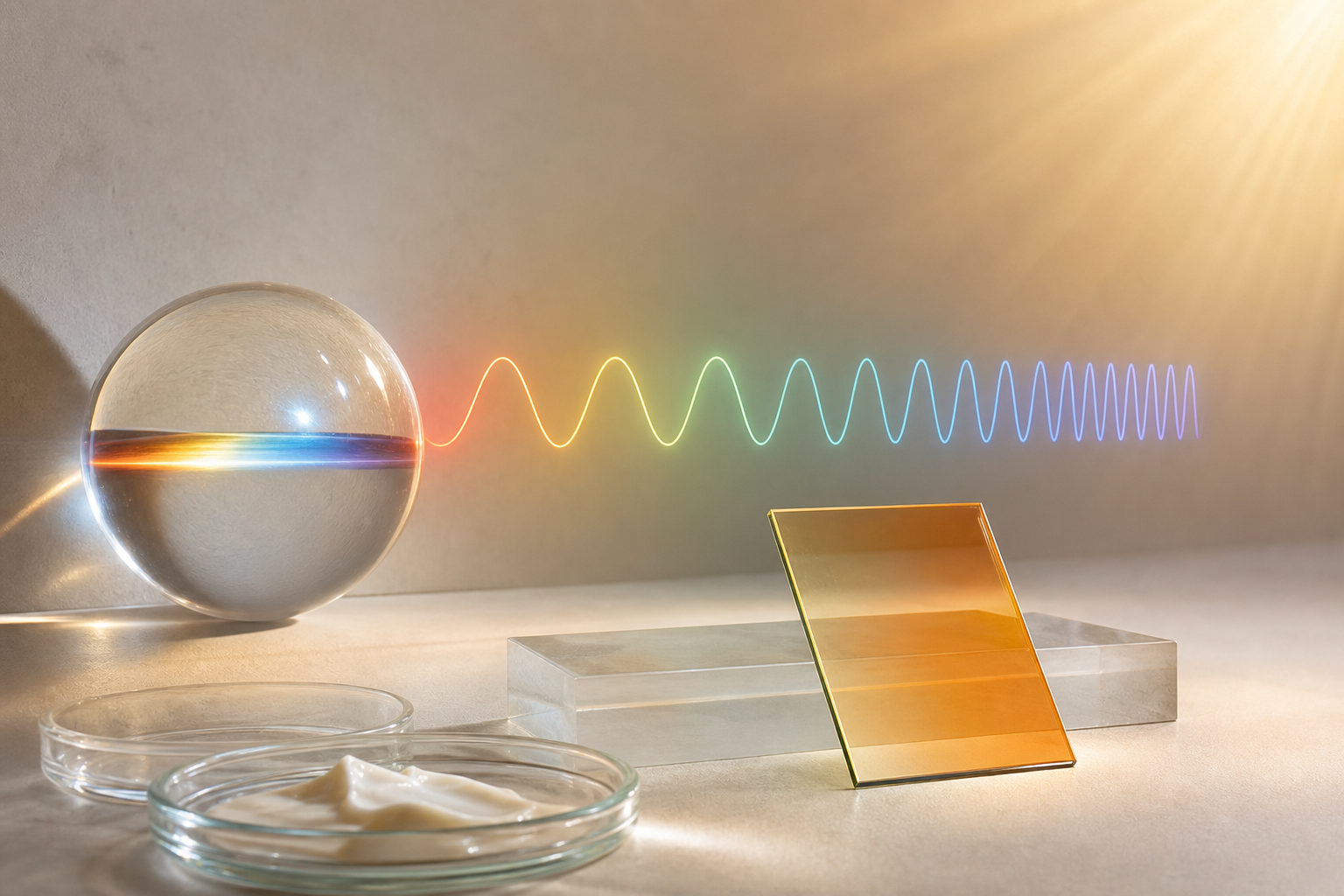
Sunbeds—also known as tanning beds or sunlamps—are engineered devices designed to emit ultraviolet radiation that mimics some elements of natural sunlight. The primary goal is to induce the skin to develop a tanned appearance in a controlled indoor environment. Unlike the broad spectrum of UV radiation emitted by the sun, sunbeds predominantly emit UVA rays with a smaller proportion of UVB rays specifically calibrated for tanning purposes.
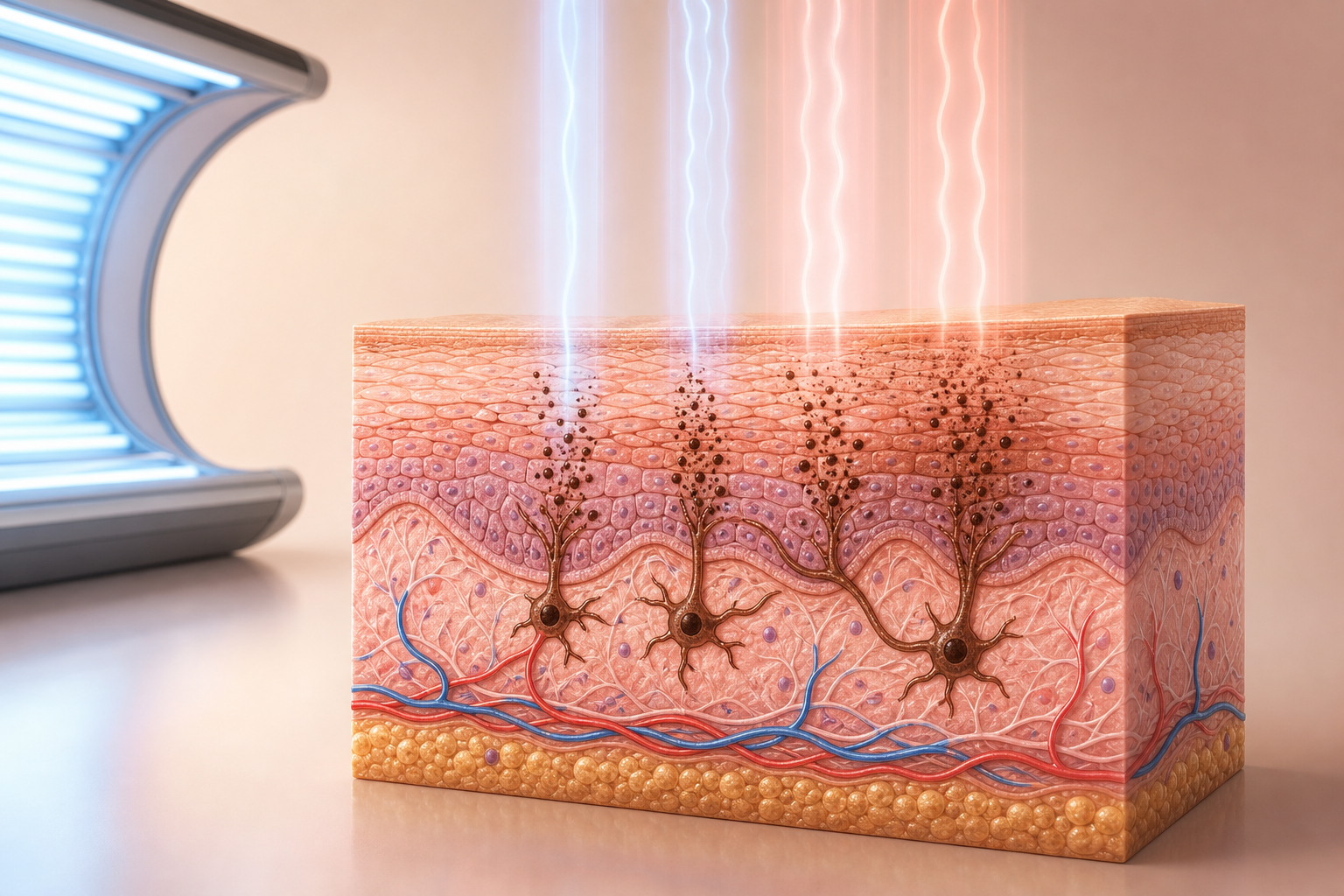
The UVA component of the sunbed's emission spectrum penetrates deeper layers of the skin and is chiefly responsible for triggering immediate tanning through oxidation of existing melanin pigments. The UVB component primarily affects the surface epidermal cells, inducing delayed tanning by stimulating new melanin synthesis, while also playing a significant role in sunburn and DNA damage risks.
Understanding the distinction between UVA and UVB is crucial when analyzing how sunbeds impact the skin. UVA rays are relatively less energetic but more penetrating, whereas UVB rays have higher energy that primarily affects the skin's superficial layers. This combination in sunbeds creates a tanning effect, but as will be discussed, is not without risk.
How Does the Skin Tan Under UV Radiation from Sunbeds?
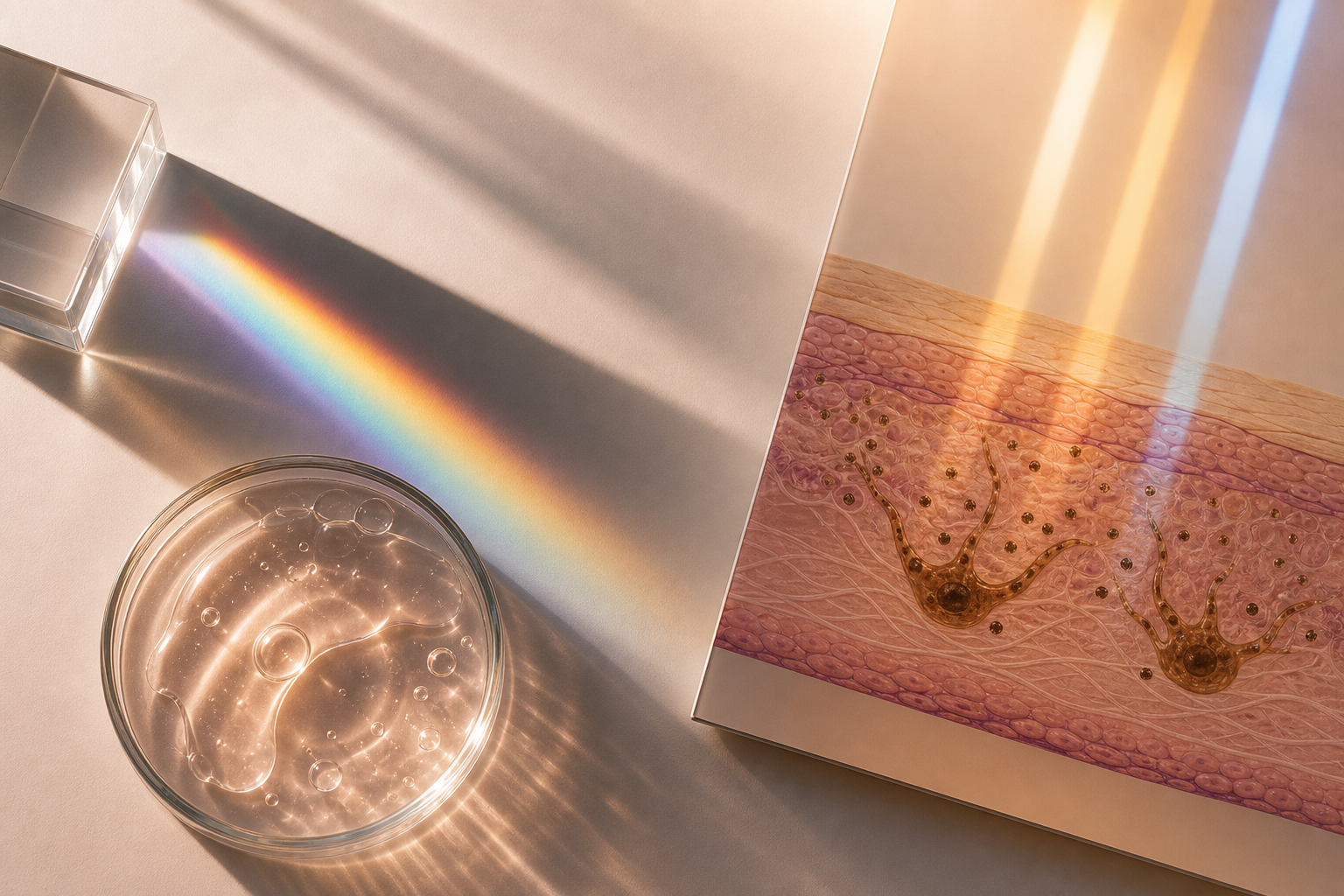
Tanning is essentially a biological defense mechanism initiated by the skin in response to UV-induced damage. When skin is exposed to the UV radiation emitted by sunbeds, the energy causes direct and indirect harm to the DNA within epidermal cells. This damage triggers a cascade of cellular responses aimed at protecting the skin against further UV insult.
Melanocytes—specialized pigment-producing cells—are activated to increase the synthesis of melanin, the pigment responsible for the skin's color. Melanin absorbs and disperses UV photons, mitigating the potential for DNA damage in deeper skin layers. As melanin accumulates and redistributes within keratinocytes, the skin darkens, producing what is recognized as a "tan." It is vital to emphasize that this phenomenon is not merely cosmetic but a sign that UV radiation has inflicted harm that the body attempts to counteract through pigmentation.
This process occurs in two phases: an immediate pigment darkening (IPD) mainly due to UVA exposure oxidizing pre-existing melanin, and a delayed tanning response driven by UVB-induced increased melanin production. While the former results in a rapid, transient tan, the latter delivers longer-lasting pigmentation but also indicates substantive DNA repair mechanisms in action. For a detailed exploration of the tanning mechanism, see "How Does Skin Tan Under UV Radiation?"
What Are the Health Risks Associated with Sunbed UV Exposure?
Sunbed UV radiation is incontrovertibly associated with elevated health risks, most notably skin cancer. The IARC classifies UV radiation from sunbeds as Group 1 carcinogenic to humans, signifying sufficient evidence that it causes malignant melanoma and other types of skin cancers. This classification underscores that sunbed use is not a harmless way to achieve a tan but a clear risk factor for serious disease.
Besides carcinogenic potential, repeated UV exposure from sunbeds accelerates skin aging—manifesting as wrinkles, loss of elasticity, and pigment irregularities. UV radiation also can inflict ocular damage, including cataracts and photokeratitis, if proper eye protection is neglected.
Certain individuals face heightened susceptibility to UV damage. People with fair skin types, a personal or family history of skin cancer, or those taking photosensitizing medications must exercise additional caution. Such medications include specific antibiotics, diuretics, and retinoids, among others. Anyone with medical conditions affecting the skin's integrity or immune response should consult healthcare professionals before sunbed use.
Why Does No Safe Threshold of UV Exposure Exist for Sunbeds?
Despite technological advancements, there is no scientifically established safe level of UV exposure from sunbeds. Each exposure carries the potential for DNA mutations and cumulative skin damage, which can incrementally increase cancer risk. Variability among individuals—including differences in skin type, genetic predisposition, and existing health conditions—renders the concept of a universal safe dose implausible.
Moreover, inconsistencies in sunbed lamp potency and age, as well as variations in session durations and frequency, complicate risk management. The unpredictability of these factors negates attempts to define harmless exposure thresholds definitively. Hence, many health bodies recommend complete avoidance, especially in younger populations, to minimize lifetime risk.
Why Are Sunbeds Contraindicated for Individuals Under 18 Years Old?
Persons under 18 years represent a demographic of particular vulnerability to UV radiation. Their developing skin and immune systems lack the robustness of adult counterparts, making them more susceptible to UV-induced DNA damage. Scientific evidence correlates early sunbed use with a significantly increased risk of melanoma later in life.
Consequently, many jurisdictions have legislated bans or restrictions on sunbed access for minors to protect public health. These measures align with the recommendations from international health organizations advocating that under-18s abstain entirely from artificial tanning.
What Precautions and Alternatives Should Consider Sunbed Users Keep in Mind?
For individuals choosing to use sunbeds, informed caution is paramount. Awareness of the risks and adherence to local regulations help minimize adverse effects. Avoiding frequent or prolonged exposure, wearing appropriate eye protection, and refraining during periods when photosensitizing medications are used are prudent measures.
Consultation with healthcare professionals is advised for those with specific medical histories, skin conditions, or recent aesthetic treatments, as these factors can influence skin sensitivity and recovery.
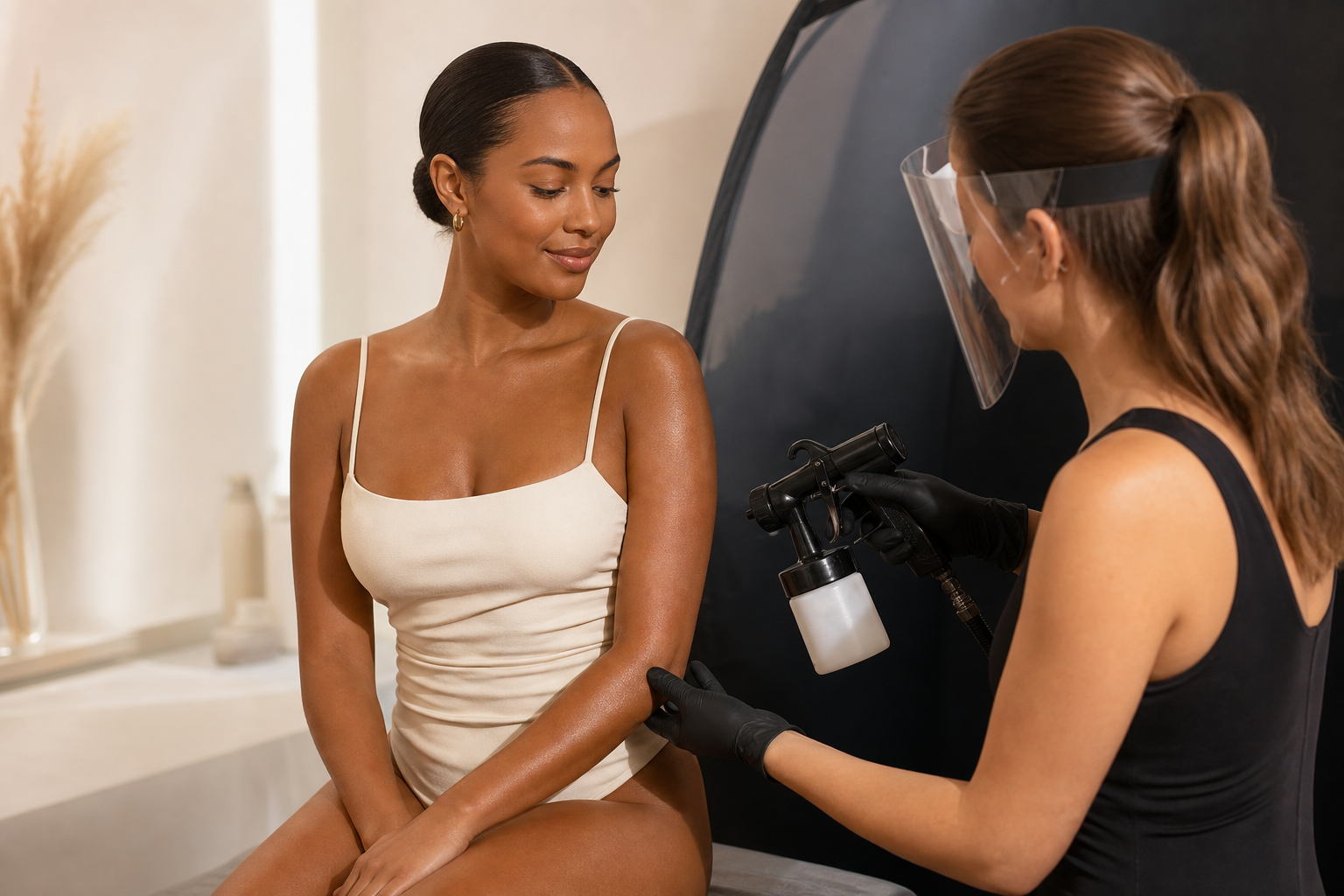
Importantly, non-UV alternatives to achieve a tanned appearance exist and may be safer options. These include topical self-tanning products and spray tans that impart pigmentation without exposing the skin to harmful radiation.