Engaging in an anti-aging facial treatment is a significant decision that many individuals consider as part of their skin care regimen. The prospect of rejuvenating the skin, minimizing wrinkles, and restoring a youthful glow represents a key motivation behind seeking such services. However, embarking on this journey is much more than just scheduling an appointment; it begins with a crucial step known as the pre-treatment consultation. This preliminary discussion with a qualified specialist lays the foundation for an informed, safe, and effective treatment experience.
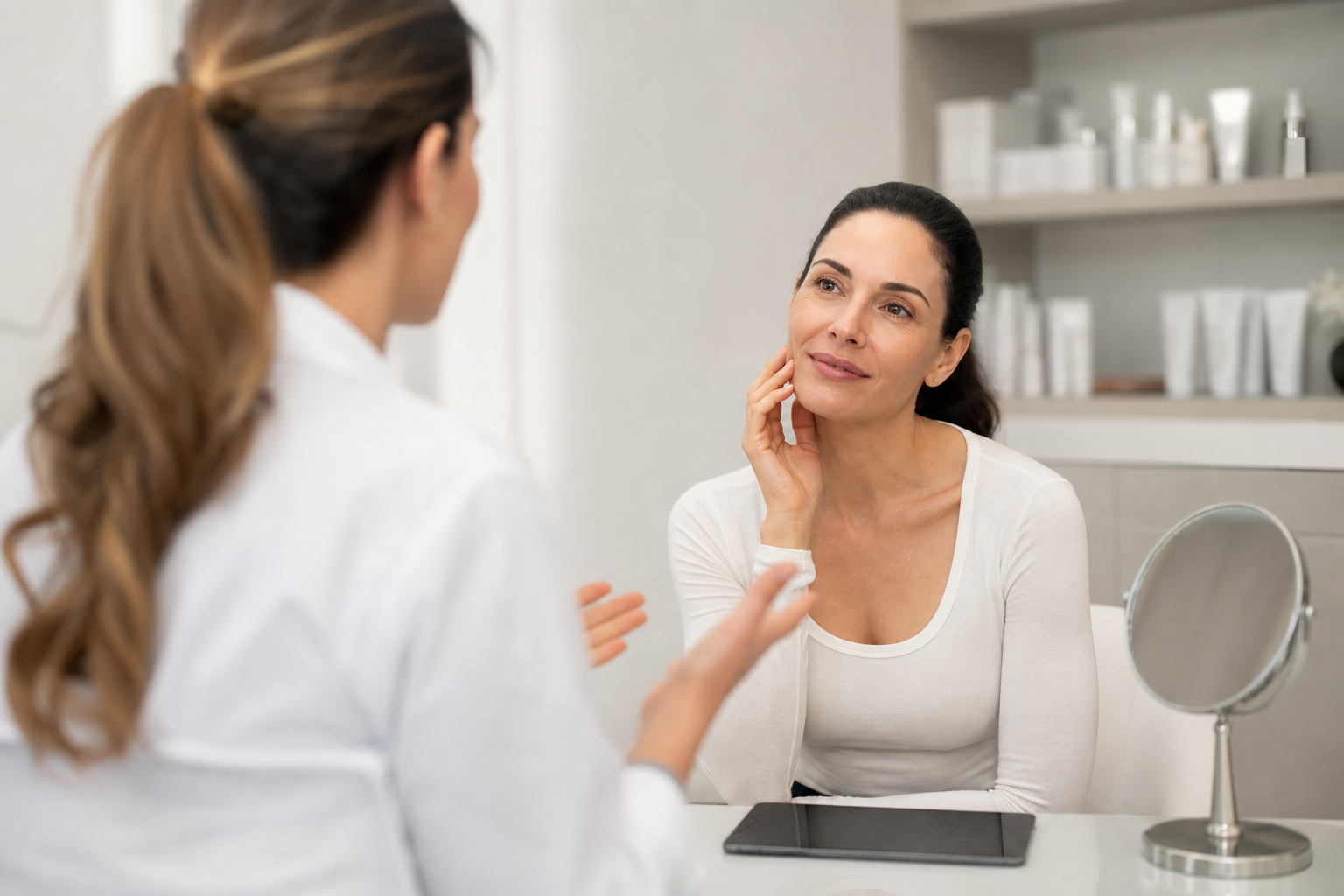
The pre-treatment consultation serves as a platform to understand the unique characteristics of your skin, explore the most suitable treatment options, and establish realistic expectations about outcomes. It is where questions about indications, limitations, and safety come to the forefront, enabling both practitioner and client to align on goals and precautions. For anyone contemplating non-invasive or minimally invasive facial anti-aging treatments, this consultation is indispensable—not merely a procedural formality, but an educational and strategic dialogue tailored to optimize skin health and aesthetic satisfaction.
This comprehensive article is crafted specifically for individuals considering anti-aging facial treatments—whether they are first-timers exploring options or seasoned clients looking to refine their approach. We will delve deeply into the essential questions to ask during your pre-treatment consultation, shedding light on why this step matters profoundly. Through clear explanations and expert insights, we aim to empower you with the knowledge to navigate decisions about facial rejuvenation treatments confidently and safely.
Why Is a Pre-Treatment Consultation Essential Before Anti-Aging Facial Procedures?
Understanding the fundamental importance of a pre-treatment consultation begins with recognizing the complexity and individuality of skin. Each person’s skin responds differently to aging, environmental factors, and treatments. A consultation is the critical opportunity for a licensed practitioner to assess your skin’s condition comprehensively—evaluating hydration levels, elasticity, presence of fine lines or deep wrinkles, pigmentation irregularities, and underlying health concerns that may influence treatment choice and effectiveness.
This assessment helps identify indications and, equally important, any contraindications. For example, certain skin types or medical conditions might predispose an individual to adverse reactions with specific anti-aging treatments, such as chemical peels, laser therapy, or injectables. Without this targeted evaluation, patients risk receiving suboptimal care that might not only fail to deliver the desired results but potentially harm their skin.
Moreover, a consultation fosters clear communication regarding the client's goals. Whether you desire subtle smoothing of fine wrinkles or more significant contour improvements, discussing these aims openly allows the specialist to recommend tailored treatment plans. It also safeguards against unrealistic expectations, which are a common source of dissatisfaction.
What Skin and Treatment Aspects Should Be Evaluated During the Consultation?
During your consultation, expect a detailed analysis of your skin’s characteristics. Key aspects include the identification of your skin type (e.g., oily, dry, combination, sensitive), texture, color, and degree of photoaging or sun damage. Specialists often use magnification tools to examine pores, elasticity, and the depth of wrinkles or folds.
Another important facet involves discussing your medical history. This covers any chronic conditions, allergies, previous skin treatments, or topical product usage that may influence treatment safety or outcomes. For example, recent use of retinoids or certain medications can affect healing processes and interact with some procedures.
The specialist will also outline the specific treatments under consideration, explaining their mechanisms, scopes, and suitability for your skin. Questions to pose include: What skin types and age groups is this treatment ideal for? How effective is it against deep wrinkles compared to superficial fine lines? Are there particular conditions, such as acne or skin sensitivity, where this treatment should be avoided? The goal is to understand the indications comprehensively.
Concurrently, learn about the limitations. No anti-aging treatment offers a permanent cure; most provide temporary improvement lasting months to a couple of years. Some treatments may require multiple sessions to achieve optimal results. Comprehending these factors helps set pragmatic expectations and prepare for commitment to maintenance regimens.
Which Safety Considerations and Potential Side Effects Should Be Discussed?
Safety is paramount when undertaking any cosmetic procedure. During your consultation, an open dialogue about the risks and preventive measures is crucial. Inquire specifically about the ingredients or technologies employed—whether hyaluronic acid fillers, botulinum toxin preparations, radiofrequency devices, or other modalities—and their safety profiles.
Ask about the practitioner's qualifications and experience, as skilled application significantly mitigates risks. Additionally, understanding the likelihood and nature of possible side effects—redness, swelling, bruising, transient discomfort, or rare allergic reactions—prepares you to respond appropriately.
Furthermore, the consultation should cover post-treatment care rigorously. Proper aftercare is vital to prevent infection, promote healing, and maximize results. Discuss recommended skin care routines, sun protection measures, and signs that warrant immediate medical attention, such as excessive redness, prolonged swelling, unusual pain, or signs of infection.
How to Manage Expectations for Results and Treatment Outcomes?
One of the main purposes of the pre-treatment consultation is to align expectations realistically. A competent specialist will thoroughly explain what each treatment can and cannot achieve. For instance, some treatments effectively soften fine lines and improve skin hydration but may have limited effects on deep wrinkles or sagging.
Understand the timeline of results—some procedures yield immediate visible improvements, others may require weeks as collagen remodeling progresses. Ask about the typical duration of effects, the number of sessions typically needed, and if combining treatments could enhance outcomes.
Discuss maintenance protocols and lifestyle factors that influence longevity of results. Transparent communication helps avoid disappointment and fosters a trusting patient-provider relationship.
When Should You Seek Additional Specialist Consultations Before Treatment?
In certain scenarios, referral to or consultation with a dermatologist or another medical specialist is advisable prior to initiating anti-aging treatments. For example, if you have active skin conditions like eczema, rosacea, or severe acne, underlying systemic illnesses, or a history of skin cancer, a thorough medical assessment ensures safe and appropriate care.
Certain medications, such as immunosuppressants or blood thinners, may contraindicate or require modification of treatment plans. A multidisciplinary approach involving medical oversight helps safeguard skin health and optimize therapeutic results.
Your primary consultation specialist should candidly evaluate your case and recommend further evaluation when necessary, positioning safety as the foremost priority.
How to Prepare for Your Consultation to Maximize Its Benefit?
Preparation enhances the value of your pre-treatment consultation. Prior to the appointment, reflect on your skincare history, any previous cosmetic treatments, and your precise aesthetic goals. Document any past adverse reactions to skincare products or procedures.
Bring a list of all medications and supplements you are currently taking. Be forthcoming about lifestyle habits such as sun exposure patterns, use of tanning beds, smoking, diet, and sleep quality, as these influence skin condition and healing.
During the consultation, actively engage by asking detailed questions about treatment logistics, recovery times, impact on daily activities like applying makeup or exercising, and contingency plans if complications arise. Clear and open communication with your specialist fosters a personalized plan tailored to your needs.
What Comes After the Consultation? Understanding the Next Steps
Following the consultation, you should receive a comprehensive treatment plan delineating the recommended procedures, scheduling, and preparatory instructions. This plan often encompasses guidelines for skin care regimens before treatment, such as avoiding sun exposure or certain topical agents.
Information about potential temporary side effects, signs of complications, and required follow-up appointments provides a roadmap for your journey. Knowing when and how to contact your specialist in case of concerns is reassuring and critical for safety.
The consultation may culminate in scheduling the initial treatment session, equipped with all relevant knowledge to proceed confidently. A well-informed patient is more likely to comply with recommendations and achieve satisfying outcomes.