Spray tanning has emerged as a popular alternative to traditional sunbathing or tanning bed sessions, especially among those seeking a bronzed glow without the well-documented risks associated with ultraviolet (UV) radiation. With increasing concerns about skin cancer, premature aging, and other sun-induced skin damages, spray tanning offers a quick, ostensibly safer route to a sun-kissed complexion. Yet, questions remain regarding the safety of this cosmetic procedure: Does spray tanning damage the skin? Is it truly harmless, or can it cause harm in ways less apparent than UV exposure? Understanding the intricacies behind spray tanning, who might benefit from it, its potential drawbacks, and how to use spray tan products safely is valuable for anyone contemplating this method of achieving a tan.
This article is for individuals considering spray tanning as a cosmetic option, those with sensitive or allergy-prone skin, dermatologists and skincare professionals advising clients, and anyone interested in the science and safety of self-tanning techniques. We will explore how spray tans work at the biochemical level, examine research and expert opinions about potential skin risks, and outline best practices to ensure safe application. Additionally, we'll clarify why spray tanning does not offer UV protection and highlight critical aftercare steps to maintain skin health. A well-informed approach is essential since spray tanning, despite being less hazardous than UV tanning, involves direct chemical interaction with the skin's surface.
By addressing common concerns, debunking myths, and providing practical guidance, this editorial seeks to equip you with a thorough understanding so you can make an informed decision about spray tanning. Let's start by explaining what spray tanning is and how it affects the skin.
What Is Spray Tanning and How Does It Affect the Skin?
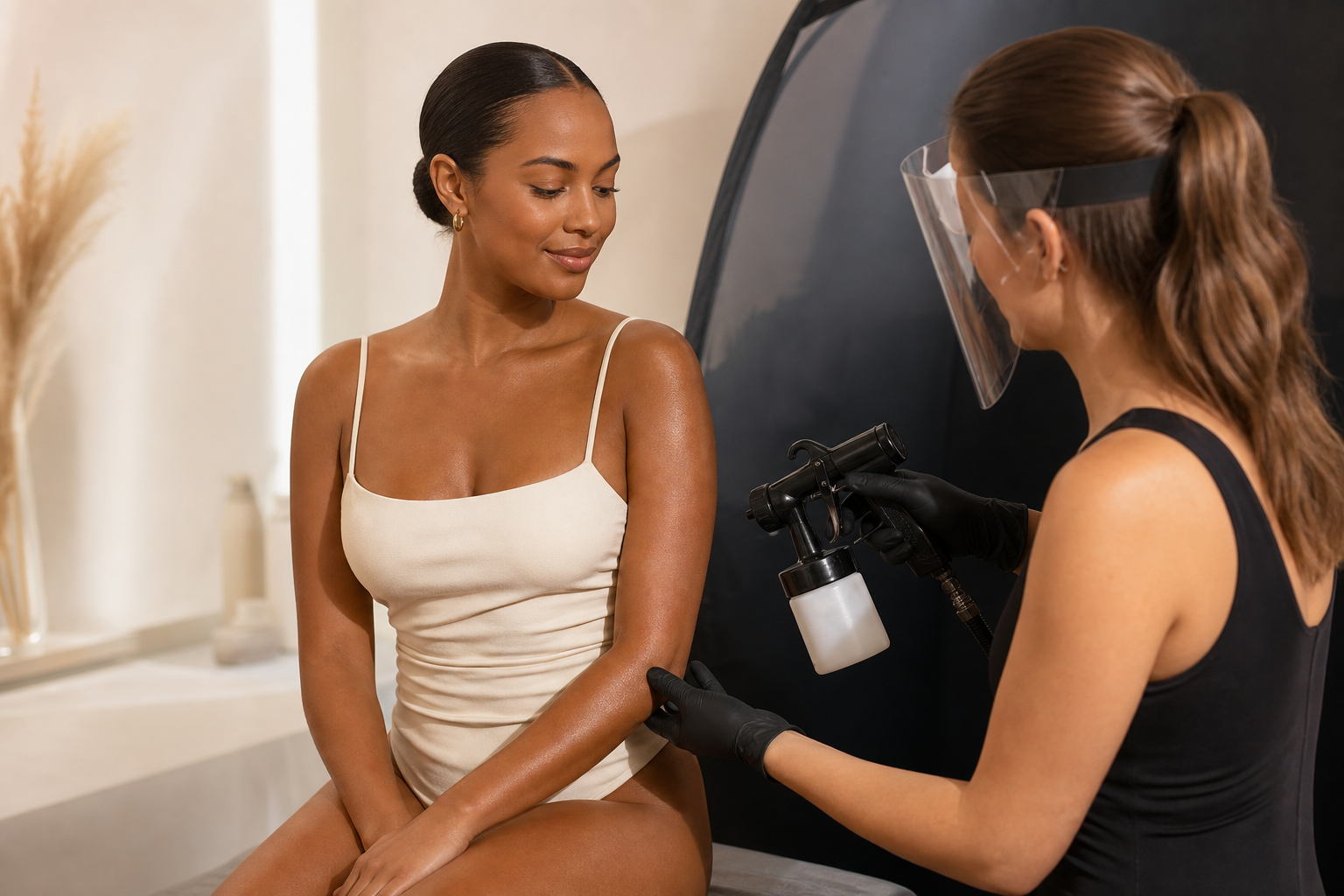
Spray tanning is a cosmetic technique that involves applying a fine mist of specially formulated solution onto the skin to create a temporary tan without UV exposure. The active component in most spray tanning products is dihydroxyacetone (DHA), a colorless sugar derived from plant sources like sugar beets and sugar cane. When DHA is applied to the skin, it reacts chemically with amino acids in the outermost layer of dead skin cells known as the stratum corneum. This non-enzymatic Maillard-type reaction produces a brownish pigment called melanoidin, giving the appearance of a tanned complexion.
Importantly, this color change occurs only on the surface and does not involve altering deeper layers of the skin or melanin production by melanocytes. Unlike natural tanning, where UV radiation triggers melanin synthesis as a protective response, spray tanning merely dyes the skin's exterior. The color typically develops within 2 to 8 hours after application and lasts about 5 to 10 days as the skin naturally exfoliates. This transient nature means the tan fades evenly and does not cause lasting changes in skin pigmentation.
Since DHA is a topical sugar molecule that does not penetrate living skin cells or DNA, spray tanning does not cause genetic damage or mutations associated with skin cancer risk. However, the process of preparing the skin for spray tanning, which may include exfoliation or chemical treatments, and the ingredients in commercial formulations beyond DHA warrant attention regarding skin safety. Moreover, while the color produced appears as a sun-kissed glow, it provides no sun protection—meaning the skin remains vulnerable to UV damage.
Does Spray Tanning Cause Skin Damage According to Scientific Studies?
Current scientific evidence suggests that spray tanning itself does not cause long-term skin damage when used as directed. Regulatory authorities like the U.S. Food and Drug Administration (FDA) have approved DHA for external use, considering its safety profile for cosmetic purposes. Several studies have confirmed that DHA remains confined to the stratum corneum and does not penetrate viable skin layers.
Nonetheless, some potential adverse effects have been reported in specific contexts or sensitive individuals. Cases of skin irritation, allergic contact dermatitis, or redness have occurred, usually linked to additional ingredients such as fragrances, preservatives, or other chemicals in the tanning formulation rather than DHA itself. Patch testing before full application is often recommended to identify such sensitivities.
Another consideration involves inhalation during spray application. The aerosolized particles can reach the respiratory tract if protective measures are not followed, possibly causing irritation. Therefore, wearing masks and protecting mucous membranes during professional spray tanning is advisable.
It is crucial to note that spray tanning does not cause the photoaging, DNA damage, or immunosuppression typically seen with UV tanning. In fact, it represents a safer cosmetic option compared to sunbathing or tanning beds in terms of carcinogenic risk. However, this safety is contingent upon proper product use, responsible application methods, and selecting reputable providers or trusted formulations.
How to Choose Safe Spray Tanning Products and Professional Services
Selecting the right spray tanning product or salon significantly impacts skin safety and the quality of results. Consumers should look for products with clearly labeled DHA concentrations, typically ranging from 3% to 15%, depending on desired tanning intensity. Formulations with fewer added chemicals, hypoallergenic labels, and without artificial fragrances may reduce the risk of irritation, especially for sensitive skin.
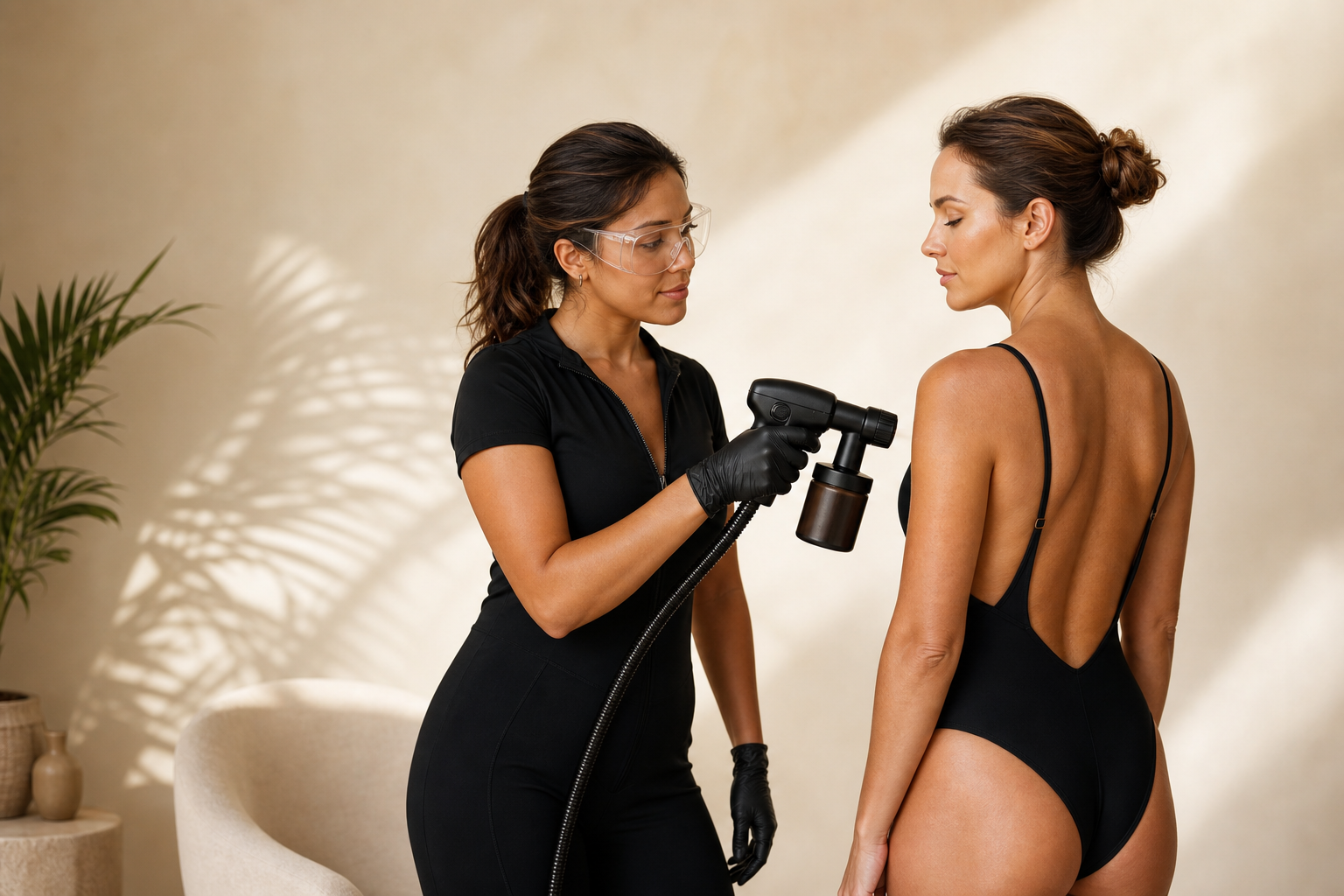
Professional salons should maintain high hygiene standards, including regular equipment cleaning, well-ventilated treatment areas, and trained technicians who utilize proper protective gear like masks and goggles. Such precautions help mitigate risks of respiratory or eye exposure to aerosolized tanning agents.
When trying spray tanning for the first time, requesting a patch test on a small skin area can reveal possible allergic reactions before full skin application. Consumers should communicate any history of skin allergies or sensitivities to their provider.
For DIY spray tanning, reading manufacturer instructions thoroughly and following guidelines on skin preparation, application distance, and drying times are essential. Avoiding contact with sensitive areas such as eyes, lips, and nasal passages by applying protective barriers is also important.
Why Spray Tanning Offers No Protection Against Sun Damage
The bronzed shade from spray tanning gives the illusion of a healthy tan, but it does not enhance the skin's defense against ultraviolet radiation. DHA-induced coloration functions purely as a cosmetic dye on the skin's surface and does not physically block or absorb UV rays.
Unlike natural tanning, where melanin production provides some degree of protection, spray tanning does not trigger cellular mechanisms that shield skin DNA. Therefore, after a spray tan session, skin remains fully susceptible to sunburn, DNA damage, photoaging, and increased skin cancer risk.
Because of this, it is imperative to use a broad-spectrum sunscreen with at least SPF 30 following spray tanning. Sunscreen should be reapplied regularly when outdoors, especially during peak sunlight hours, regardless of having an artificial tan. Neglecting sunscreen use post-spray tan can lead to unintended skin harm while misleadingly assuming the tan confers protection.
What to Expect After a Spray Tan and Guidelines for Aftercare
After a spray tanning treatment, the tan develops gradually within the first 24 hours. Avoid water contact, sweating, or vigorous activity during this period to allow the color to fix properly. Wearing loose clothing helps minimize friction that could disrupt the developing tan.
Post-tanning skin tends to be drier due to application and exfoliation practices preceding the treatment. Hydrating the skin daily with moisturizer prolongs the lifespan of the tan and maintains skin suppleness. Opting for fragrance-free, gentle moisturizing products prevents irritation.
Avoid products containing oils or harsh exfoliants during the lifespan of the tan as they accelerate the fading process. Showering with mild cleansers and patting the skin dry helps maintain the evenness of the tan’s appearance.
Regular touch-ups or repeat sessions can sustain the tanned look, but spacing treatments appropriately (typically every 7 to 10 days) allows the skin to recover and reduces potential irritation from frequent chemical application.
Can Spray Tanning Products Trigger Allergies or Irritations?
While allergic reactions to spray tanning solutions are relatively uncommon, they are possible. Symptoms may include localized redness, swelling, itching, or rash immediately or within a few days after application. These signs indicate contact dermatitis or hypersensitivity to one or more ingredients in the product.
The widespread use of additional chemicals for fragrance, preservative purposes, and formulation stabilizers in spray tanning products increases the potential for sensitization compared to pure DHA alone. Sensitive skin individuals and those with a history of allergies should exercise caution and conduct patch testing.
Should an allergic reaction occur, discontinuing use and consulting a dermatologist is advised. They can offer treatment to alleviate symptoms and recommend suitable alternative tanning methods.
Essential Precautions During the Spray Tanning Procedure
Spray tanning involves dispersing fine droplets onto the skin, heightening potential exposure to eyes, mucous membranes, and respiratory systems if unprotected. To minimize risks, the following precautions are recommended:
Eye protection: Closed goggles or disposable eye shields should be worn during professional spray sessions to prevent tanning solution from contacting delicate ocular tissues.
Lip care: Lips should be coated with a protective balm or barrier to avoid staining and ingestion of spray solution.
Respiratory protection: Both spray technician and client should wear masks or respirators to reduce inhalation of aerosolized particles, especially in confined spaces.
Skin preparation and environment: Treatment areas should be well-ventilated, and skin should be clean and exfoliated for optimal color uptake and minimal irritation.
Adherence to these measures ensures a safer and more pleasant tanning experience.