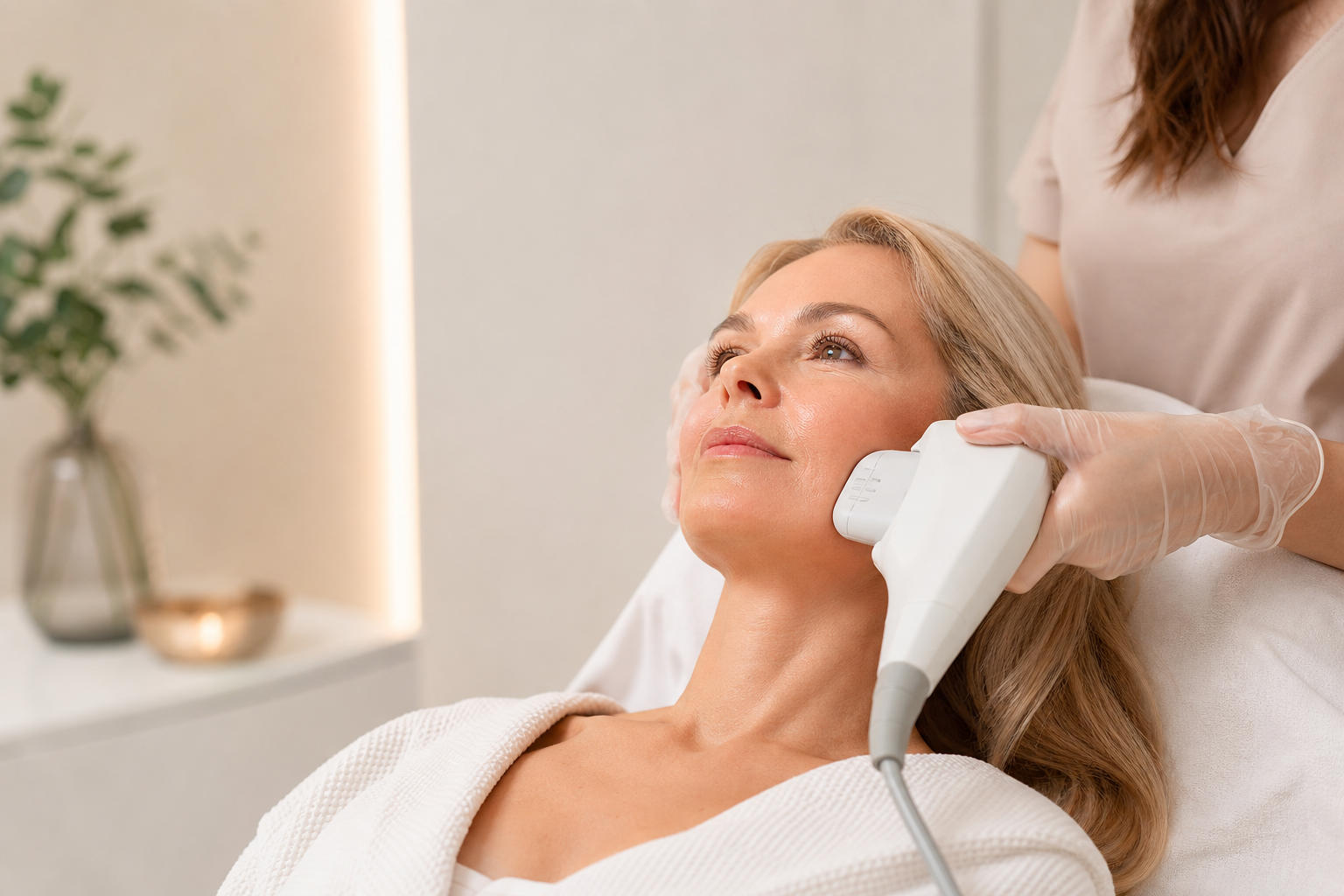
In the ever-evolving landscape of aesthetic medicine, non-invasive facial rejuvenation techniques have gained remarkable traction. Among them, High-Intensity Focused Ultrasound (HIFU) face lifting stands out as a promising method for individuals seeking effective skin tightening without resorting to surgery. This treatment harnesses advanced ultrasound technology to stimulate collagen production deep within the skin, thereby enhancing firmness and reducing signs of aging. Understanding the fundamentals of HIFU face lifting, including who benefits most, expected outcomes, and safety considerations, is essential for those exploring anti-aging options tailored to their skin's needs.
HIFU face lifting appeals especially to adults in the middle age bracket who notice the early or moderate signs of skin laxity and want a non-surgical alternative to traditional facelifts. With the desire for natural-looking results coupled with minimal downtime, patients are increasingly turning to this method. However, appreciating its mechanism, limitations, and the importance of professional consultation is crucial to achieving satisfying results.
This comprehensive guide delves into the practical aspects of HIFU face lifting—what it involves, its ideal candidate profile, benefits compared to other treatments, procedural details, safety, and how to discern if it aligns with your anti-aging goals. Whether you are encountering fine lines, sagging skin, or texture changes, this exploration aims to equip you with the knowledge to make informed decisions in the realm of facial skin rejuvenation.
How Does HIFU Face Lifting Work to Tighten and Rejuvenate Skin?
High-Intensity Focused Ultrasound employs precisely directed ultrasound waves to target specific layers beneath the skin's surface. Unlike conventional ultrasound used for imaging, the focused energy in HIFU generates controlled thermal micro-injuries at depths ranging from superficial skin layers to the superficial musculoaponeurotic system (SMAS), a fibromuscular layer crucial in surgical facelift procedures. These micro-injuries initiate the body's natural healing response, stimulating fibroblasts to produce new collagen and elastin fibers, which gradually restore skin's structural integrity and elasticity.
The treatment leverages temperature elevations that can reach up to 65–70 degrees Celsius in focal zones without damaging the epidermis. This selective heating leads to skin tightening internally, enhancing dermal thickness and firmness, and improving overall texture. As collagen remodels, wrinkles soften, facial contours become more defined, and the skin gains a youthful glow. Because HIFU operates beneath the skin without incisions, it provides a minimally disruptive alternative to traditional surgical interventions.
Moreover, HIFU can be calibrated to treat varying depths and areas of the face and neck, accommodating different patient needs. By engaging the SMAS layer, it mimics some effects of surgical lifts but without extended recovery or significant risks associated with invasive surgery.
Who Should Consider HIFU for Facial Skin Tightening?
HIFU face lifting is particularly well suited for individuals between their 30s and 60s experiencing mild to moderate signs of skin aging. Typical candidates observe initial sagging along the jawline, subtle loss of contour, fine lines, or early wrinkles and desire improvement without enduring surgery or injections. Both women and men who seek a natural, subtle facial refreshment find this approach appealing.
Those with significantly loose or heavy skin, deep folds, or major volume loss may find HIFU insufficient as a standalone solution; in these cases, surgical options or complementary treatments may be recommended. Additionally, the treatment is not advised for pregnant or nursing women, individuals with active skin infections, severe dermatological conditions, or those with metal implants in the targeted areas.
A qualified healthcare professional specializing in dermatology or aesthetic surgery should perform a thorough evaluation prior to proceeding to exclude contraindications and to tailor the treatment to individual skin characteristics and concerns.
What Are the Benefits of HIFU Compared to Other Anti-Aging Treatments?
Among various skin rejuvenation techniques, HIFU offers distinct advantages that have contributed to its widespread popularity. Primarily, it is non-invasive and does not involve incisions, needles, or anesthesia, which reduces the risk of complications and eliminates the need for lengthy downtime. Patients typically resume normal activities immediately post-treatment without visible marks or significant discomfort.
The technology’s ability to target deeper dermal and subdermal layers distinguishes it from many superficial treatments like chemical peels or laser resurfacing, which predominantly impact the skin's surface. By inducing collagen synthesis at foundational levels, HIFU fosters longer-lasting firmness and rejuvenation rather than temporary surface improvements.
Furthermore, HIFU’s versatility allows treatment not only on the face but also on adjacent areas such as the neck and decolletage, enabling a more comprehensive approach to anti-aging concerns. Its safety profile and comfort during the procedure also enhance its suitability for patients averse to invasive or painful methods.
What Happens During a HIFU Face Lifting Session?
The procedure is relatively straightforward and usually lasts between 30 to 60 minutes depending on the area treated. Preparation involves cleansing the skin and applying a coupling gel to facilitate the transmission of ultrasound waves. A handheld device is then used to deliver focused sound energy to predetermined depths beneath the skin.
During the treatment, patients may feel a warming sensation or mild tingling, corresponding to the thermal effects on the tissue. The level of discomfort varies but is generally well tolerated. Modern devices often include settings that modulate intensity to optimize comfort without compromising efficacy.
After the session, slight redness or swelling may occur but typically resolves within hours. The lack of breaks in the skin surface means no special wound care is necessary, though patients are advised to protect their skin from sun exposure and maintain a gentle skincare routine.
When Can You Expect to See Results, and How Long Do They Last?
Visible improvements from HIFU are usually subtle in the immediate aftermath, with some patients noticing initial skin tightening within a few days. However, the most significant results emerge over 2 to 3 months as new collagen forms and skin structure rebuilds, leading to smoother, firmer, and lifted facial contours.
The longevity of these effects varies, generally lasting from 12 to 18 months based on individual factors such as age, skin condition, lifestyle, and genetic predisposition. Maintenance treatments or combining HIFU with other anti-aging interventions can help prolong and enhance outcomes.
Are There Any Limitations or Safety Considerations to Keep in Mind?
While HIFU is regarded as a safe and minimally invasive procedure, there are limitations and precautions worth noting. It is not a universal remedy for all degrees of skin aging; in cases of extensive sagging or severe wrinkles, it may not deliver satisfactory results alone.
Potential side effects are generally mild and transient, including redness, slight swelling, tenderness, or rare instances of bruising. Properly trained practitioners who are experienced in ultrasound skin tightening are instrumental in minimizing risks by appropriately selecting patients and administering treatments.
Contraindications include active skin infections, certain autoimmune conditions, implanted medical devices in the treatment area, and pregnancy. Full disclosure of medical history during consultation ensures safe application of the procedure.
Why Is Consultation with a Qualified Professional Essential Before Undergoing HIFU?
An expert consultation forms the foundation of successful HIFU treatment. Dermatologists or certified aesthetic specialists assess the patient's skin condition, discuss realistic goals, and determine if HIFU is the most suitable option based on individual anatomy and aging progression.
During this process, practitioners review medical history, evaluate skin type and elasticity, and may recommend adjunctive therapies to complement the HIFU session. Selection of an experienced provider with access to high-quality devices is paramount to achieving desired results safely.
A comprehensive consultation also educates patients on what to expect during and after the procedure, helping them make an informed decision and fostering confidence in the treatment plan.
How Does HIFU Integrate with Other Anti-Aging Facial Treatments?
HIFU is often integrated into multi-modal anti-aging regimens to address various skin concerns synergistically. Combining it with treatments like mesotherapy, platelet-rich plasma (PRP), chemical peels, or dermal fillers can enhance skin hydration, texture, volume, and elasticity.
This multifaceted approach allows tailored protocols that tackle dynamic wrinkles, pigmentation, volume loss, and laxity more comprehensively. Coordination with a knowledgeable practitioner ensures each modality complements rather than conflicts with the others, optimizing overall facial rejuvenation.


