In today's beauty-conscious world, the desire for a healthy, even, and radiant tan is a common aspiration for many individuals who seek to enhance their appearance without compromising their skin's health. With increasing awareness of the risks associated with ultraviolet (UV) exposure, both natural and artificial, alternatives to traditional sunbathing have gained widespread popularity. Two of the most prevalent methods for achieving a sun-kissed glow without UV exposure are professional spray tans and at-home self-tanning products.
This article delves into an evidence-based analysis of professional spray tanning sessions versus self-tanners applied at home, unpacking the mechanisms, benefits, drawbacks, and practical considerations for each. It is aimed at readers who are exploring safe and effective ways to attain a tanned complexion while minimizing health hazards linked to UV radiation. Whether you are a tanning novice or someone seeking to switch from sunbathing, understanding these options will empower you to make an informed and confident decision that aligns with your lifestyle, skin type, and aesthetic goals.
Choosing the right tanning method matters not only for cosmetic appeal but also for your skin's health and comfort. Both professional and self-applied treatments offer UV-free alternatives but differ in application processes, longevity, color quality, and cost. This comprehensive editorial addresses common questions and provides clear, science-backed guidance, highlighting important nuances to consider before committing to either approach.
What Is Professional Spray Tanning and How Does It Work?
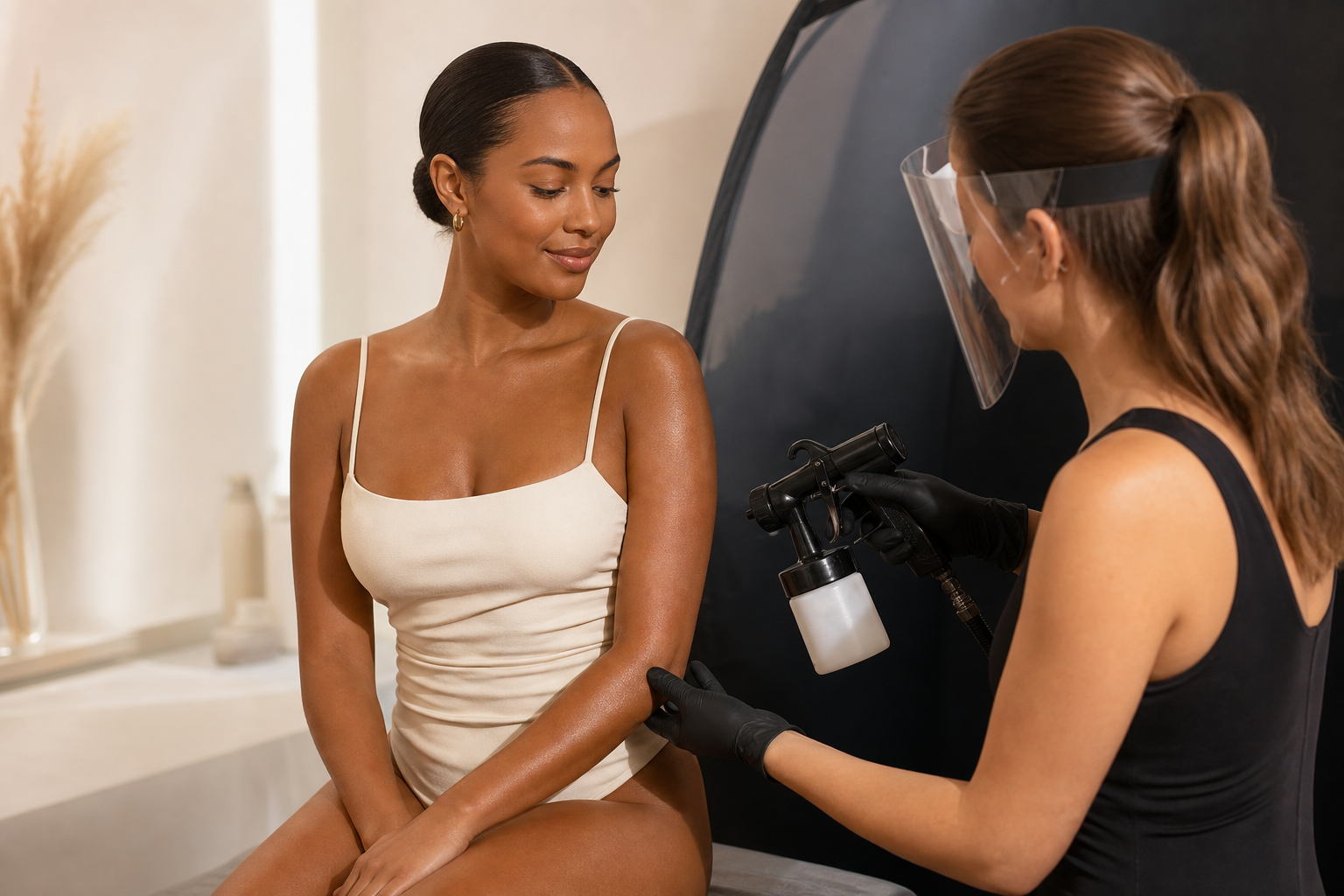
Professional spray tanning is a cosmetic procedure performed in salon settings where a trained technician applies a tanning solution to the entire body using an airbrush or spray gun powered by a compressor. The key active ingredient in most spray tan formulations is dihydroxyacetone (DHA), a colorless sugar that reacts with amino acids in the outermost layer of the skin (the stratum corneum) to produce a temporary brownish pigmentation resembling a natural tan.
This process takes advantage of a chemical reaction called the Maillard reaction, which is similar to browning in cooked foods but localized on the skin surface. The resulting coloration typically appears within a few hours post-application and can last approximately 5 to 10 days, depending on factors like skin exfoliation rates and post-treatment care.
Professional spray tanning offers precision application that achieves an even, streak-free finish. Salons often customize the shade intensity to suit various skin tones and preferences. Pre-application skin preparation, such as exfoliation and hair removal, and post-treatment instructions are part of the service, ensuring optimal and long-lasting results. Moreover, these treatments are UV-free, eliminating the carcinogenic risks posed by traditional sunbathing or tanning beds.
What Are At-Home Self-Tanner Products, and What Varieties Are Available?
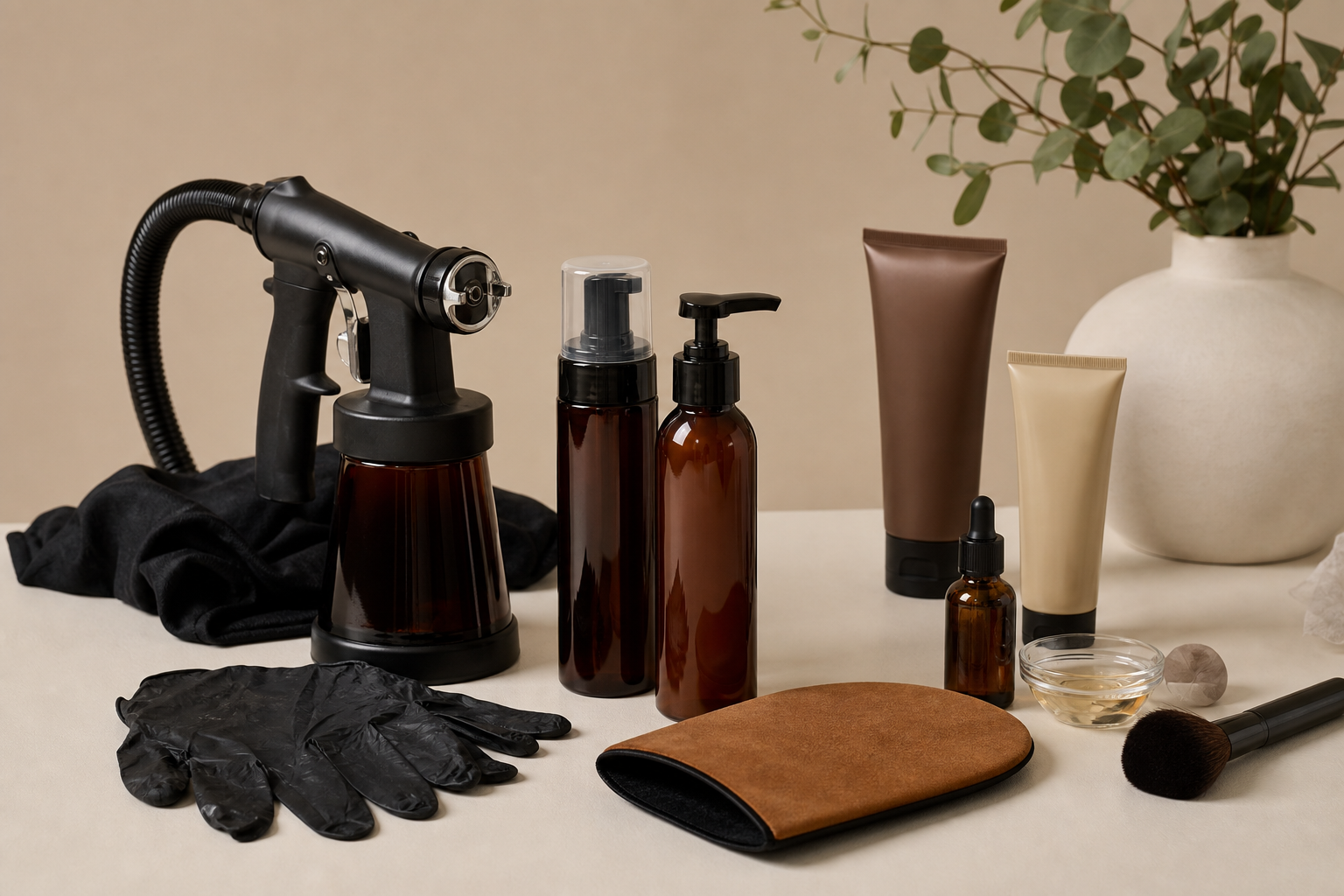
Self-tanners intended for home use come in various formulations such as lotions, mousses, sprays, gels, and drops that consumers apply independently. Like professional sprays, these products primarily rely on DHA or similar colorants to create a tanned effect without UV exposure. Some self-tanning products are also marketed as "gradual tanners," allowing users to build color up slowly through repeated applications, affording more control over the shade intensity.
The accessibility and affordability of at-home self-tanners appeal to individuals who prefer convenience and flexibility over salon visits. However, successful application requires diligent preparation, thorough and even coverage, and adherence to specific instructions to avoid uneven tones, streaks, or blotches. Unlike professional spray tans administered by experts, the at-home approach places responsibility entirely on the user to achieve the desired result.
Formulations vary from quick drying and easy-to-apply sprays to thicker creams that may require more time to absorb. Additionally, some products incorporate moisturizing agents to enhance skin hydration and smoothness, while others focus primarily on color performance.
What Are the Advantages of Professional Spray Tanning Compared to At-Home Self-Tanners?
One of the most significant benefits of professional spray tanning lies in the expertise and technology used. The skillful technicians ensure uniform coverage, minimizing the common pitfalls of uneven color, patchiness, or unnatural tones frequently associated with self-application by novices. This precision is particularly valuable for occasions where appearance matters greatly, such as weddings, photo shoots, or public events.
Professional spray tans typically allow for customization tailored to your specific skin tone, preferences, and even areas of targeted application, enhancing realism. In salons, premium quality products often contain additional ingredients to nourish, hydrate, and soften the skin while delivering color, contributing to a more vibrant and long-lasting tan.
Another important advantage is the supportive environment in salons, where clients can receive professional guidance on skin preparation, post-treatment care, and maintenance strategies to maximize the efficacy and durability of the tan. In case of any adverse reactions or unsatisfactory results, salons can provide timely corrective measures or advice, a feature not available with at-home products.
What Are the Challenges and Disadvantages of Professional Spray Tanning?
The primary limitation of professional spray tanning is its cost, which tends to be higher than that of at-home self-tanning products. Regular sessions may become a considerable financial commitment, especially for individuals seeking frequent application. Additionally, the requirement to visit a salon can be inconvenient or time-consuming, particularly for those with busy schedules or limited access to established services.
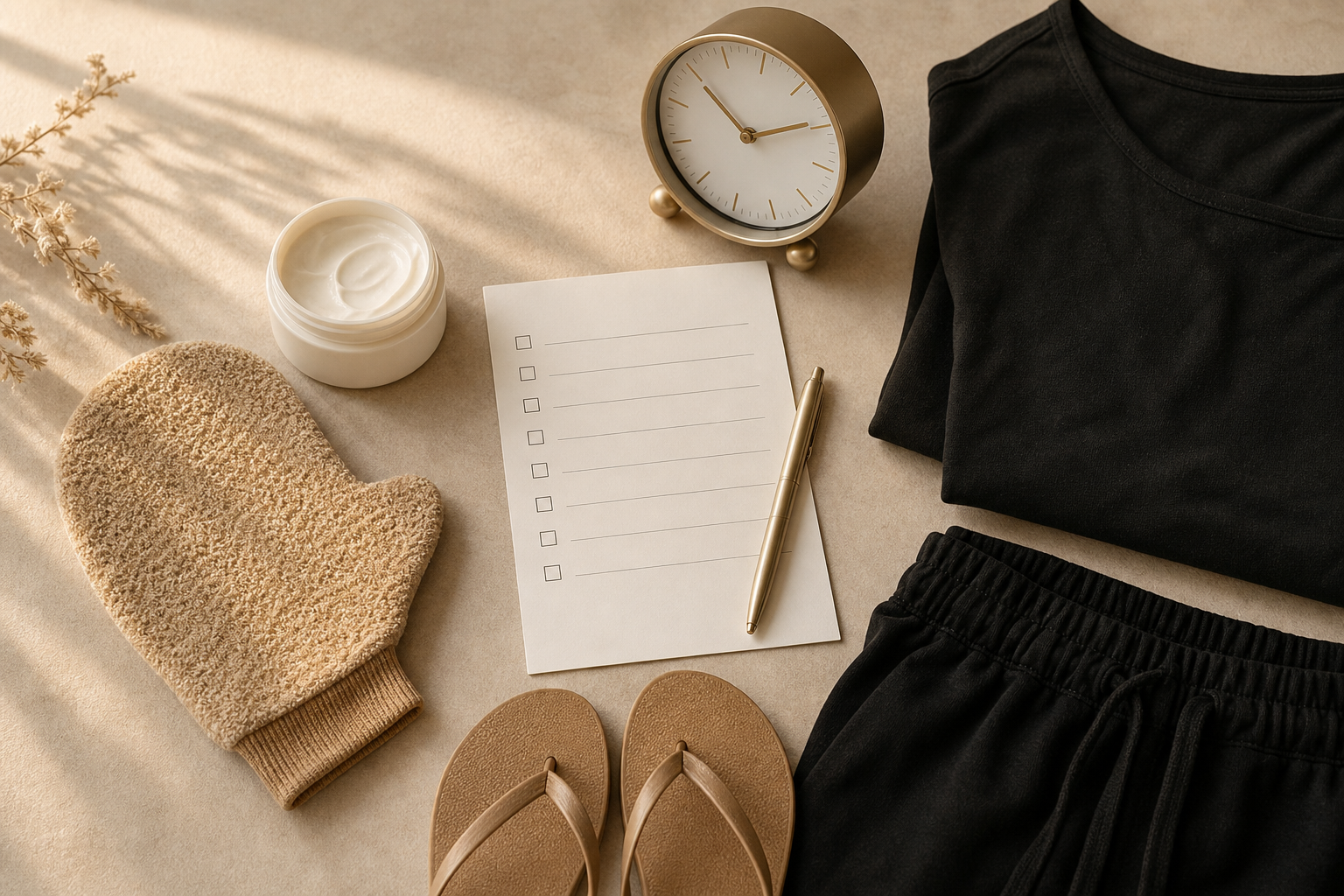
Preparation for the treatment involves steps such as exfoliating and avoiding moisturizing products immediately before the session, which may lengthen pre-tanning routines. Aftercare instructions require careful attention to maintain the tan, including avoiding showers or heavy sweating for several hours post-treatment. Failure to observe these recommendations can lead to premature fading or uneven coloration.
Although rare, allergic reactions or skin irritation can occur due to ingredients in the tanning solutions, underscoring the importance of patch testing before full application, particularly for sensitive skin types. Furthermore, it is crucial to remember that spray tan colorants offer no sun protection, necessitating continued use of sunscreen for UV defense.
What Are the Pros and Cons of At-Home Self-Tanners Compared to Professional Spray Tans?
On the plus side, at-home self-tanners provide unmatched convenience and control over application timing. They enable users to experiment with color shades and layering intensity at their own pace without scheduling appointments. This makes self-tanning products an economical choice that can fit various budgets and frequency preferences.
However, without the guidance of a specialist, the risk of improperly applied product causing streaks, patchiness, or an unnatural color increases. Novices often report difficulty in achieving the flawless coverage that professional spray tans offer, leading to potential dissatisfaction. Given this, some users might invest additional time learning application techniques, including exfoliation, moisturizing specific areas, and using mitts or gloves for precise coverage.
Moreover, the longevity and quality of at-home tans can be variable. Some formulations may not last as long or fade unevenly if aftercare is neglected. Users with sensitive skin must exercise caution when selecting products and consider patch testing, especially since the ingredient lists vary widely between brands.
Which Factors Should Influence Your Choice Between Professional Spray Tanning and At-Home Self-Tanners?
The decision depends on multiple personal factors including budget, lifestyle, skin sensitivity, desired results, and how frequently you wish to maintain a tan. If you prioritize an even, expertly applied color for special events or prefer a hassle-free experience, professional spray tanning tends to be the superior option.
Alternatively, if flexibility, cost-effectiveness, and the ability to self-manage your tanning routine appeal to you, at-home self-tanners can be suitable, provided you are willing to learn proper application techniques and invest the necessary time. It is also important to consider your skin type: individuals with sensitive or allergy-prone skin should consult dermatologists or healthcare professionals before choosing a method to reduce risks.
Regardless of your choice, remember that neither method confers any sun protection factor (SPF). Therefore, diligent use of sunscreen and sun-safe practices remain indispensable for skin health.
What Can You Expect After the Treatment and How Should You Maintain Your Tan?
Following a professional spray tan session, it is generally advised to avoid water contact, excessive sweating, or tight clothing for several hours to allow the tan to develop fully and adhere evenly. The tan typically lasts between five to ten days, gradually fading as the skin naturally exfoliates. Keeping the skin moisturized with gentle, hydrating lotions can extend the tan’s lifespan and maintain skin softness.
When using at-home self-tanners, the development time and intensity depend on the product formulation and number of applications. Careful adherence to manufacturer instructions, including preparation and maintenance steps, is crucial to achieve and sustain a natural-looking tan. Avoid scrubbing the skin or using harsh soaps, which accelerate fading and can disrupt evenness.
Regular hydration and sun protection continue to be vital during the tenure of both tans. Additionally, exfoliating gently after the tan fades helps prepare the skin for the next application or session, promoting a consistently attractive appearance.
Frequently Asked Questions About Professional Spray Tans and At-Home Self-Tanners
Can a professional spray tan cover skin imperfections?
Yes, when expertly applied, a professional spray tan can produce a smooth, even-toned complexion that helps mask minor imperfections such as uneven pigmentation, scars, or blemishes, enhancing skin’s visual appeal.
Is at-home self-tanner safe for sensitive skin?
While most self-tanners are formulated to be safe, individuals with sensitive or allergy-prone skin should conduct patch tests prior to full application and may consider consulting a dermatologist to prevent adverse reactions.
How long do these tanning methods last?
Both professional spray tans and at-home self-tanners typically last about 5 to 10 days, with professional treatments often providing a more uniform and sometimes longer-lasting result depending on skin type and care.
Do these tanning methods provide protection against UV rays?
No form of cosmetic tanning, including spray tans and self-tanners, offers sun protection. It is essential to apply sunscreen regularly to guard against harmful UV radiation.