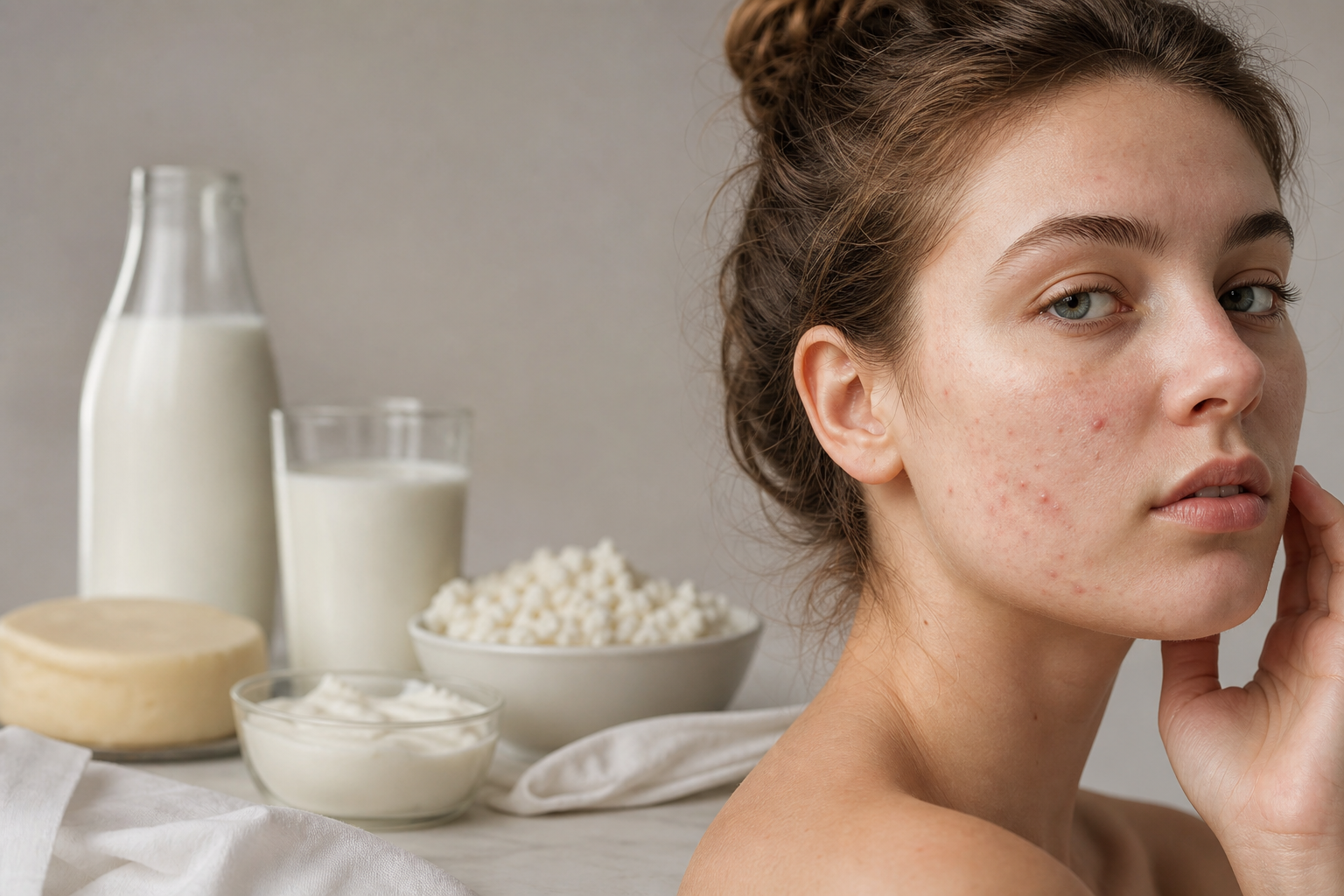
The relationship between dairy products and acne has been a topic of considerable interest and debate within dermatology and skin care communities. Acne, a common condition affecting millions globally, can manifest at various ages and degrees, posing significant challenges not only to skin health but also to personal confidence and well-being. For individuals engaged in anti-aging facial treatments, understanding how dietary factors such as dairy consumption might influence acne is especially important. This intersection of nutrition and dermatological care can be critical for preserving a youthful, healthy complexion while addressing inflammatory skin conditions.
This article is crafted for anyone dealing with problematic skin, particularly those navigating acne flare-ups alongside concerns about aging skin. It is also valuable for skincare professionals and enthusiasts seeking a clear, scientifically grounded perspective on the role dairy products may play in acne development and persistence. By exploring this topic comprehensively, readers will gain insight into when dairy might exacerbate acne, how this interaction unfolds biochemically, the scope and limitations of anti-aging treatments in this context, and the importance of individualized medical advice.
Recognizing the nuances of how dairy affects skin health empowers individuals to make informed decisions about their diet and skincare regimen. Acne does not discriminate by age; adults with mature skin also confront its challenges, often complicated by the additional goal of countering the signs of aging. Hence, a holistic approach that factors in both dietary habits and facial treatments can substantially enhance outcomes.
How Dairy Products Influence the Development and Severity of Acne
Scientific investigations suggest that dairy products can impact acne through several biological pathways. One primary connection involves the hormone insulin-like growth factor 1 (IGF-1), which is present or stimulated by components within dairy. IGF-1 is known to promote sebum production and foster inflammatory processes within skin follicles, both key contributors to acne formation. Dairy's hormonal effect can thus aggravate existing acne or potentially trigger new lesions, particularly in susceptible individuals.
Milk, especially varieties with higher fat content, along with yogurts and cheeses, contain proteins such as casein and whey. These proteins may exert comedogenic effects by clogging pores, leading to the development of inflammatory lesions. Moreover, whey protein isolate, popular as a dietary supplement among athletes, has been associated with increased acne in some cases.
However, it is important to emphasize that not everyone reacts identically to dairy consumption. Genetic predispositions, skin microbiome diversity, individual metabolism, and environmental factors all shape how dairy affects acne severity. Some individuals consume significant amounts of dairy without adverse skin reactions, underscoring the complexity and personal variation in this relationship.
Identifying When Dairy Consumption Worsens Acne: Key Signs and Indicators
Recognizing whether dairy contributes to acne exacerbations begins with attentive observation of the skin's response to dietary patterns. Typical indications include a noticeable increase in inflammatory acne lesions—such as pustules and papules—particularly located on facial areas like the cheeks, forehead, and chin, following consumption of dairy products.
If acne worsens after consuming milk, cheese, or other dairy, this may signal sensitivity or intolerance. Dermatologists often recommend a structured elimination diet, wherein dairy is removed from intake for a period of several weeks. After this phase, reintroducing dairy gradually while monitoring for skin changes can provide valuable evidence of causality.
For individuals undergoing anti-aging facial treatments, detecting dairy-related acne flare-ups is crucial since inflammation can adversely affect treatment efficacy and skin texture. Reduced dairy intake in these cases may enhance skin tone, decrease redness, and support the overall goals of anti-aging care.
Exploring Non-Dairy Alternatives Suitable for Acne-Prone Skin
When dairy elimination is indicated, nutritional balance and satisfaction remain important. Fortunately, a variety of plant-based milk alternatives such as almond, coconut, soy, and oat milks offer options that typically do not promote acne. These substitutes lack the bovine hormones and proteins implicated in acne pathogenesis, making them potentially safer choices for sensitive skin.
Additionally, consuming fermented plant-based foods like kimchi or sauerkraut can support gut health by fostering beneficial microbiota, which play an indirect but influential role in modulating systemic inflammation, including that affecting the skin. Lowering dietary sugar intake alongside dairy reduction is also advised, as high glycemic foods can worsen acne.
On the topical front, formulations rich in omega-3 fatty acids, antioxidants, and skin barrier-repairing agents complement dietary changes by nurturing skin resilience and mitigating inflammatory damage commonly seen in acne-prone mature skin.
When to Seek Professional Advice About Dairy and Acne Management
Self-management of acne through dietary changes has its merits, yet medical supervision ensures safety, accuracy of diagnosis, and tailored therapeutic approaches. A consultation with a dermatologist or a registered nutritionist is advisable if acne persists despite dietary adjustments, or if new, severe lesions emerge.
Professionals can assess for underlying hormonal imbalances, allergic reactions, or intolerances and may conduct tests to refine the diagnosis. For patients undergoing anti-aging treatments, coordination with cosmetic specialists enhances the integrative management of skin health, balancing nourishment, topical therapies, and procedural interventions.
Such expert guidance is invaluable in preventing potential nutritional deficiencies and optimizing skin outcomes by harmonizing diet and anti-aging skincare protocols.
The Impact of Combining Dairy Reduction with Anti-Aging Facial Treatments on Acne-Prone Skin
Integrating an adapted diet low in dairy alongside contemporary non-invasive facial treatments often yields superior improvements in both acne control and skin aging concerns. Techniques such as chemical peels, microdermabrasion, ultrasound therapy, and the use of serums containing retinoids and vitamins stimulate cellular renewal and diminish inflammation.
Eliminating dairy diminishes the systemic inflammatory burden, potentially enhancing skin receptivity to treatments and reducing incidences of treatment-related irritation or acne flares. For many with mature skin encountering both wrinkles and inflammatory acne, this combined approach can slow aging signs while improving skin clarity.
Nevertheless, results are individual and contingent upon consistent adherence, skin condition severity, and personalized regimen design by skincare professionals.
Frequently Asked Questions Regarding Dairy Consumption and Acne
Is it necessary for everyone with acne to avoid dairy? No. The connection between dairy and acne varies by individual. Avoidance is only recommended when a clear link to skin deterioration exists.
Which dairy products are most associated with acne? Cow's milk, particularly whole and skim milk, along with whey protein supplements, have been most commonly linked to acne aggravation.
Are fermented dairy products like yogurt safe for acne-prone skin? Fermented products contain probiotics and may be better tolerated, yet sensitive individuals can still experience reactions, warranting cautious consumption.
Do other dietary factors exacerbate dairy-related acne? Yes, combining dairy with high sugar intake or high glycemic index foods can heighten acne severity by increasing systemic inflammation and sebum production.


