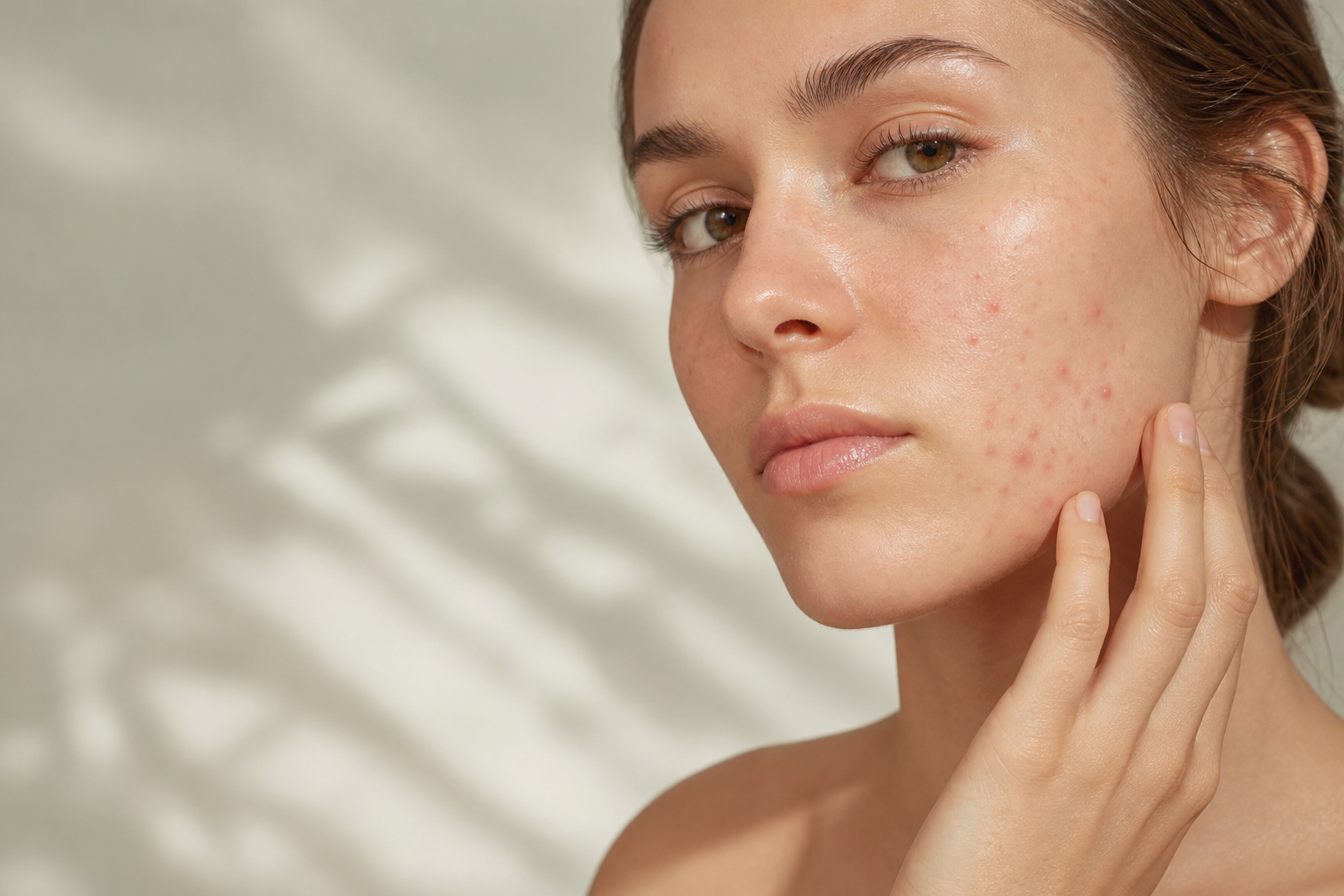
Acne spots that linger as visible marks on the skin are a pervasive concern affecting individuals across various age groups, particularly those grappling with problematic skin. These residual discolorations—ranging from dark hyperpigmentation to red vascular marks—are more than just aesthetic inconveniences; they reflect the complex healing processes occurring beneath the skin's surface following inflammation. Understanding why acne spots leave marks is essential for anyone committed to preserving a clear, even complexion and preventing premature aging caused by chronic skin trauma.
This editorial is meticulously crafted for individuals experiencing acne and its aftermath, as well as skincare professionals seeking in-depth knowledge about anti-aging facial treatments aimed at mitigating post-acne damage. Dermatologists, estheticians, and cosmetic specialists will find valuable insights into the indications, expected outcomes, and limitations of various intervention strategies designed to address post-inflammatory skin changes safely and effectively.
The importance of this topic lies in the enduring nature of acne marks, which often require diligent, long-term care and specialized treatments to fade or eliminate. Mastering the science behind their formation empowers timely, targeted action not only to improve appearance but also to support overall skin health and resilience—critical factors within anti-aging facial care regimens.
What Are Acne Spots and Why Do They Leave Marks?
Acne spots, often referred to as post-inflammatory hyperpigmentation (PIH) or post-inflammatory erythema (PIE), are discolorations that persist after an active acne lesion subsides. The skin’s healing process after the acute inflammatory phase is multifaceted, involving cellular regeneration, pigment production, and vascular changes. When this process is unbalanced or prolonged, it results in either an overproduction of melanin, leading to dark spots, or increased blood flow in the affected area, causing red or pink marks.
These marks are fundamentally different from acne scars. While scars entail structural, often permanent alterations to the skin’s architecture, acne spots denote primarily color changes within otherwise intact skin tissue. This distinction is crucial, as the treatment modalities and expected outcomes vary significantly between pigmentary changes and scarring. Recognizing the type of post-acne mark is the first step towards effective management.
What Causes Acne Spots to Form After Lesions Heal?
The predominant cause of acne spots is the inflammatory response triggered by active acne lesions. Inflammation stimulates melanocytes—the pigment-producing cells within the epidermis—to increase melanin synthesis as part of the skin’s natural repair mechanism. This defensive overproduction, combined with localized vascular dilation to facilitate immune cell access, contributes to the hyperpigmented and erythematous spots observed post-acne.
Additional factors exacerbating the formation of these marks include mechanical trauma such as picking or squeezing pimples, which deepens inflammation and damages the skin barrier. Genetic predisposition, skin phototype, hormonal fluctuations, environmental stressors, and UV exposure also influence the severity and duration of post-inflammatory pigmentation and redness. Darker skin tones are particularly susceptible to lasting marks due to inherently higher melanin activity.
Why Don’t Acne Spots Fade Away Naturally and Quickly?
Although mild discoloration from acne can gradually reduce over time, many post-inflammatory marks persist due to the underlying changes in pigmentation and blood vessel behavior. Melanin deposits can remain trapped within skin layers, especially if the skin’s natural turnover is slow or impaired. Concurrently, abnormal microvascular remodeling resulting in persistent erythema demands prolonged periods for resolution.
Ultraviolet radiation strongly influences the persistence of these spots by inducing further melanin synthesis, which darkens existing marks and hinders natural fading. Without consistent application of photoprotection and targeted treatment to accelerate skin cell renewal and pigment dispersion, these marks may linger for months or even years, significantly impacting the appearance and perceived skin age.
How Can Acne Spot Formation Be Prevented During Active Breakouts?
Prevention strategies center on minimizing inflammation, protecting the skin barrier, and avoiding behaviors that increase skin trauma. Refraining from squeezing or picking at acne lesions is paramount to prevent exacerbation of inflammatory processes and mechanical injury. Gentle skincare routines tailored to acne-prone skin that avoid harsh exfoliants or abrasive cleansing can help maintain skin integrity and reduce irritation.
Use of anti-inflammatory and pigment-regulating ingredients such as azelaic acid, niacinamide, and vitamin C has shown beneficial effects in preventing hyperpigmentation. Equally important is rigorous sun protection with broad-spectrum SPF products to curtail UV-induced pigment activation. Early and consistent management of acne with prescribed topical or systemic therapies will lower the incidence and severity of post-acne marks.
Which Facial Treatments Are Effective for Fading Acne Spots?
Multiple professional and at-home treatments are available, often used in combination, to target and diminish post-acne discoloration. Chemical peels employing alpha hydroxy acids (AHAs) like glycolic acid or azelaic acid safely exfoliate pigmented cells and stimulate collagen synthesis, aiding skin renewal and improved tone uniformity.
Non-invasive technologies such as laser therapies, including pulsed dye laser for erythema and fractional lasers for pigmentation, offer targeted treatment with controlled skin injury to provoke remodeling. Ultrasonic and mesotherapy approaches enhance penetration of active ingredients, supporting cellular regeneration and vascular normalization.
Each treatment requires customization according to skin type, lesion characteristics, and the patient’s dermatological profile. A combination approach often yields the best results while minimizing side effects.
When Should One Consult a Specialist Regarding Post-Acne Marks?
Consultation with a qualified dermatologist or esthetician becomes essential when marks show no improvement after several months, are notably pronounced, or when there is uncertainty regarding the diagnosis—particularly to differentiate pigmentary changes from scar tissue. Presence of additional symptoms such as pain, swelling, or signs of infection warrants prompt professional evaluation.
A specialist can conduct a thorough assessment, recommend appropriate interventions, and monitor treatment progress. This guidance ensures that chosen therapies are both safe and effective, mitigating potential risks such as post-treatment irritation or paradoxical pigmentation. Professional supervision is critical for invasive procedures and prescription-strength applications.
What Outcomes Can Be Anticipated From Acne Spot Treatments?
With consistent and well-selected treatments, individuals can expect gradual fading of acne-related discoloration over several weeks to months. Improvements in skin texture, tone, and clarity often accompany pigment reduction, contributing to a rejuvenated and youthful appearance.
While no intervention guarantees instantaneous removal, diligent adherence to a prescribed regimen combined with lifestyle adjustments—like sun avoidance and gentle skincare—strengthens treatment efficacy. Importantly, restoring balanced pigmentation enhances the skin’s barrier function and its resistance to future insult, aligning with holistic anti-aging facial care principles.
Frequently Asked Questions About Acne Spots and Their Management
How long do acne spots typically last? Duration varies widely, ranging from a few weeks to several months or longer, influenced by skin type, spot severity, and treatment.
Can acne marks be completely eliminated? Many marks significantly fade or resolve with proper care, though stubborn cases may require ongoing therapies.
Which ingredients are most effective for post-acne pigmentation? Agents such as azelaic acid, vitamin C, niacinamide, AHAs, and retinoids are commonly effective.
How to distinguish between acne spots and scars? Spots involve discoloration without texture changes; scars affect skin structure and may cause depressions or raised lesions.


