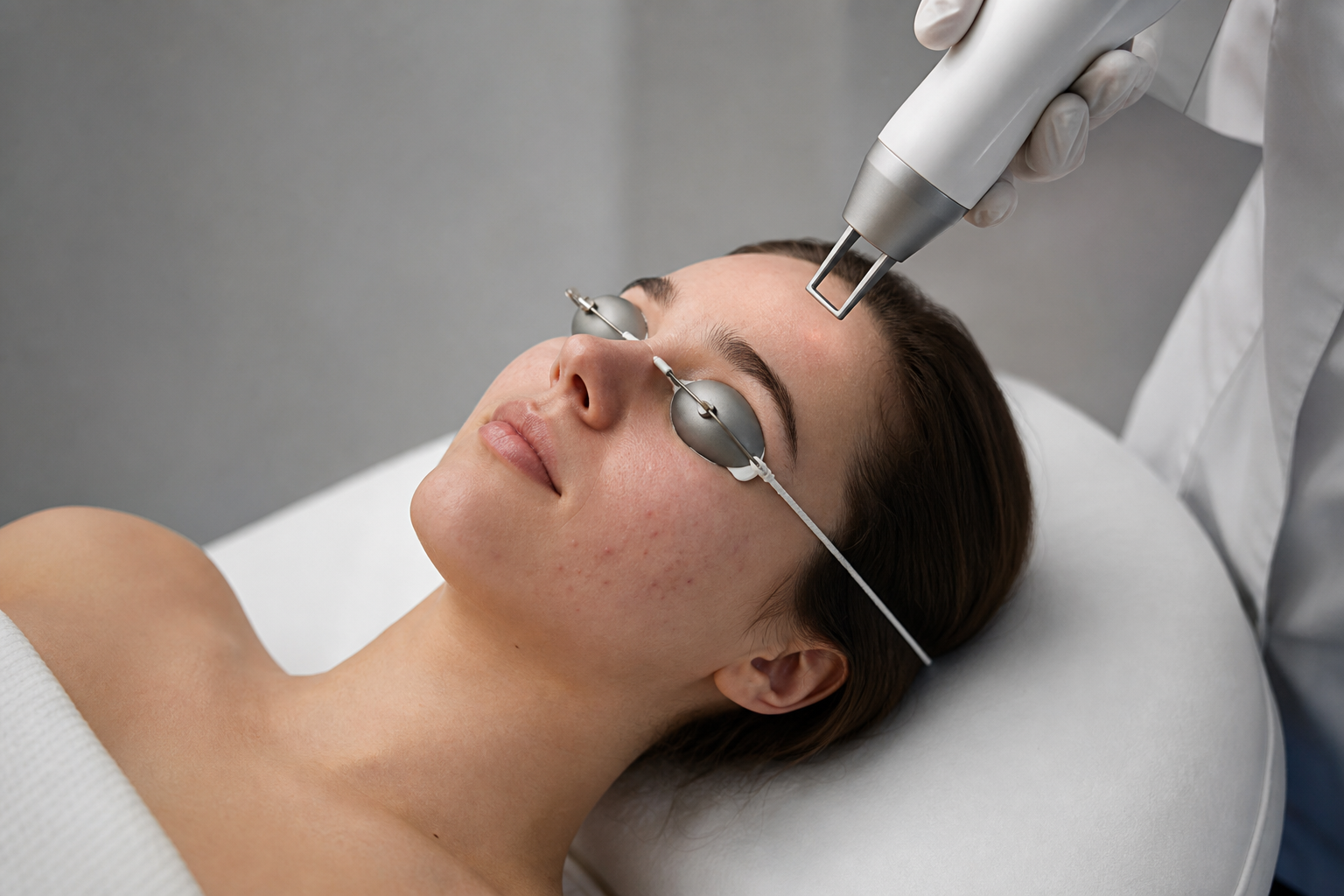
Active acne remains one of the most prevalent dermatological challenges across diverse age groups, often causing significant distress and impacting quality of life. Characterized by inflamed lesions such as papules, pustules, nodules, and cysts, active acne differs markedly from scars or residual blemishes—it represents an ongoing, dynamic inflammatory process within the skin. This distinction is crucial because it determines treatment strategies, particularly when considering advanced modalities like laser therapies.
Laser treatments for active acne have emerged as a sophisticated option in the spectrum of facial anti-aging and dermatologic interventions. Unlike conventional topical agents or systemic medications, lasers offer targeted action against the underlying biological mechanisms of acne, influencing bacterial populations, inflammation, sebum production, and tissue regeneration. This article addresses the critical question: which lasers are used to treat active acne? Moreover, it serves as a practical, expert guide that outlines the specific types of lasers, their mechanisms of action, suitability for various patient profiles, expected outcomes, limitations, and safety considerations.
Understanding the role of laser technology in managing active acne is vital for patients seeking alternatives to traditional therapies, those who have experienced inadequate results, or individuals desiring minimally invasive, yet effective, skin treatments that may also contribute to anti-aging benefits. By delving into the nuances of laser selection and therapeutic protocols, readers will gain clarity on how these technologies fit into comprehensive facial care regimes aimed at improving skin appearance and health.
What Types of Lasers Are Utilized in the Treatment of Active Acne?
Laser therapies encompass a diverse range of technologies, each with its unique wavelength, mode of action, and clinical indications. For active acne, specialists employ several main laser types, including blue light lasers, red light lasers, fractional ablative and non-ablative lasers, pulsed dye lasers, and intense pulsed light (IPL) devices.
The blue laser, typically operating at a wavelength around 415 nm, specifically targets the acne-causing bacteria Propionibacterium acnes (now reclassified as Cutibacterium acnes). By emitting blue light absorbed by porphyrins produced by these bacteria, the laser induces a photodynamic reaction lethal to them, diminishing the bacterial load and thus the inflammatory triggers within hair follicles.
Complementing this, the red laser, with a longer wavelength (often near 630–670 nm), penetrates deeper layers of the skin. Its primary effects include reducing inflammation and stimulating cellular repair mechanisms. Red light therapy aids in accelerating healing processes and preventing post-acne erythema and scarring, which also supports skin rejuvenation within an anti-aging context.
Fractional lasers represent an advanced category that creates microthermal zones on the skin. While more commonly employed in treating acne scars, fractional lasers also have utility during the active disease phase, as they encourage collagen remodeling and tissue regeneration, mitigating both inflammatory damage and potential long-term textural irregularities.
Other notable technologies include pulsed dye lasers (PDL), which target vascular components contributing to redness and inflammation, and intense pulsed light (IPL) systems that emit a broad spectrum of light wavelengths. IPL devices can simultaneously address bacterial overgrowth, reduce inflammation, and normalize sebaceous gland activity, offering a multifaceted approach to active acne management.
How Do These Laser Treatments Work Mechanistically on Active Acne?
The therapeutic impact of lasers on active acne is grounded in their ability to deliver controlled photonic energy that induces biological changes at cellular and molecular levels. Fundamentally, lasers act through three mechanisms pertinent to active acne: antimicrobial effects, anti-inflammatory modulation, and induction of skin regeneration.
Antimicrobial Effect: Blue light lasers specifically excite endogenous porphyrins within C. acnes, generating reactive oxygen species that effectively destroy these bacteria. Reducing bacterial colonies lessens the stimulus for follicular inflammation and pustule formation.
Anti-inflammatory Modulation: Red and pulsed dye lasers modulate the immune response by decreasing pro-inflammatory cytokines and enhancing tissue oxygenation. This action mitigates erythema and discomfort, promoting a faster resolution of lesions.
Regenerative Stimulation: Fractional ablative and non-ablative lasers cause subtle, controlled injury zones, eliciting a natural wound-healing cascade. By stimulating fibroblast activity and neocollagenesis, the skin gradually remodels, improving texture and reducing risk of acne scarring. This reparative process complements anti-aging goals by restoring skin firmness and elasticity.
The integration of these effects produces a comprehensive intervention that addresses both active lesions and their sequelae, enhancing overall skin quality and appearance.
Who Are the Ideal Candidates for Laser Therapy in Treating Active Acne?
Laser interventions are not universally appropriate for every individual affected by active acne. Careful patient selection by qualified dermatologists is essential to maximize benefits and minimize adverse effects.
Ideal candidates typically include those with moderate to severe inflammatory acne—papules, pustules, nodules, or cysts—that is resistant or only partially responsive to standard topical and systemic treatments. People who experience side effects from oral medications or who seek less systemic exposure for safety or personal preferences might also find laser therapy advantageous.
Patients with predominantly comedonal acne or hormonal imbalance-related acne may derive limited benefit from laser treatments, as these conditions often require adjunct pharmacological management.
Contraindications to laser therapy include:
- Active infections unrelated to acne;
- Use of photosensitizing medications or retinoids without adequate washout periods;
- Very dark skin types prone to pigmentation changes;
- Presence of certain systemic conditions or pregnancy.
An individualized skin examination and medical review will help determine suitability, ensuring that lasers complement rather than complicate the patient’s overall dermatologic care plan.
What Are the Realistic Expectations and Limitations of Laser Acne Treatments?
Laser therapies offer tangible benefits but are not a panacea. Patients must approach treatment with a realistic understanding of outcomes and temporal dynamics involved.
Typically, multiple sessions spaced several weeks apart are necessary. Improvement manifests gradually—inflammation reduces, lesion counts decline, and skin texture and tone improve over time rather than immediately. Results vary based on acne severity, skin type, and adherence to adjunct care, including skincare regimens.
Lasers are especially effective in controlling inflammation and preventing the development of new lesions, as well as minimizing early scarring. However, they are less efficacious against comedones or hormonally driven acne, which may require other therapeutic modalities.
Additionally, potential side effects like transient redness, mild swelling, or irritation can occur, typically resolving within hours to days. Significant complications are rare when procedures are administered by experienced professionals.
Hence, laser treatments should be viewed as an integral component of a comprehensive acne management protocol rather than a standalone cure.
How Is Safety Ensured and When Should One Consult a Qualified Specialist?
Safety is paramount in deploying laser technology for active acne, necessitating adherence to evidence-based guidelines, individualized treatment planning, and proper medical supervision.
Initial consultation with a board-certified dermatologist or licensed laser specialist is critical. This process involves:
- Detailed medical and dermatological history review;
- Comprehensive skin assessment including Fitzpatrick skin type classification;
- Identification of contraindications and potential risk factors;
- Selection of appropriate laser type and settings tailored to the patient’s needs.
During treatment, professionals monitor patient responses closely to adjust parameters and optimize outcomes. Post-procedure care encompasses sun protection advice, use of gentle skincare products, and avoidance of irritants to ensure healing and prolong therapeutic benefits.
Moreover, specialists provide realistic counseling on expectations, maintenance strategies, and combining lasers with other treatments when indicated.


