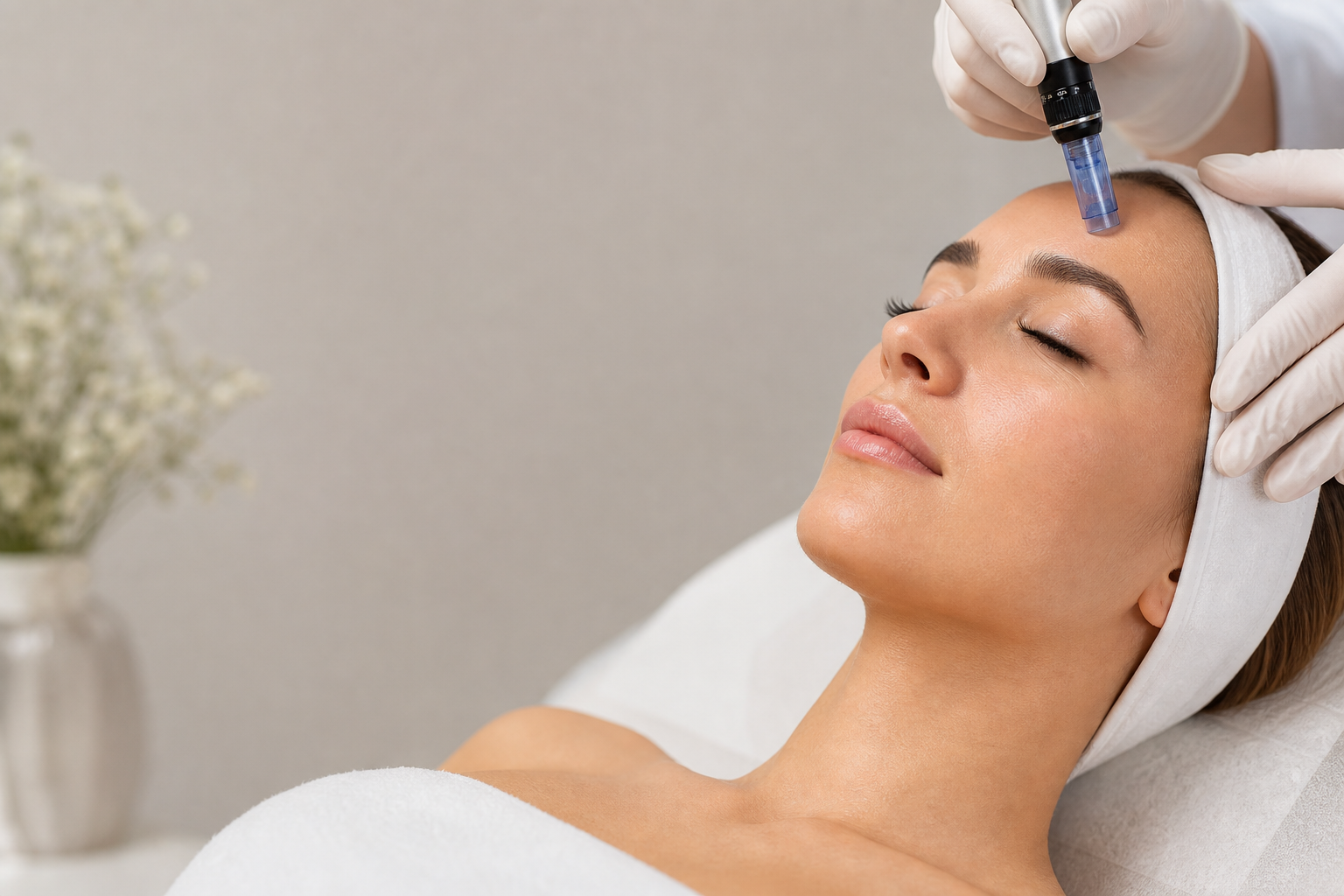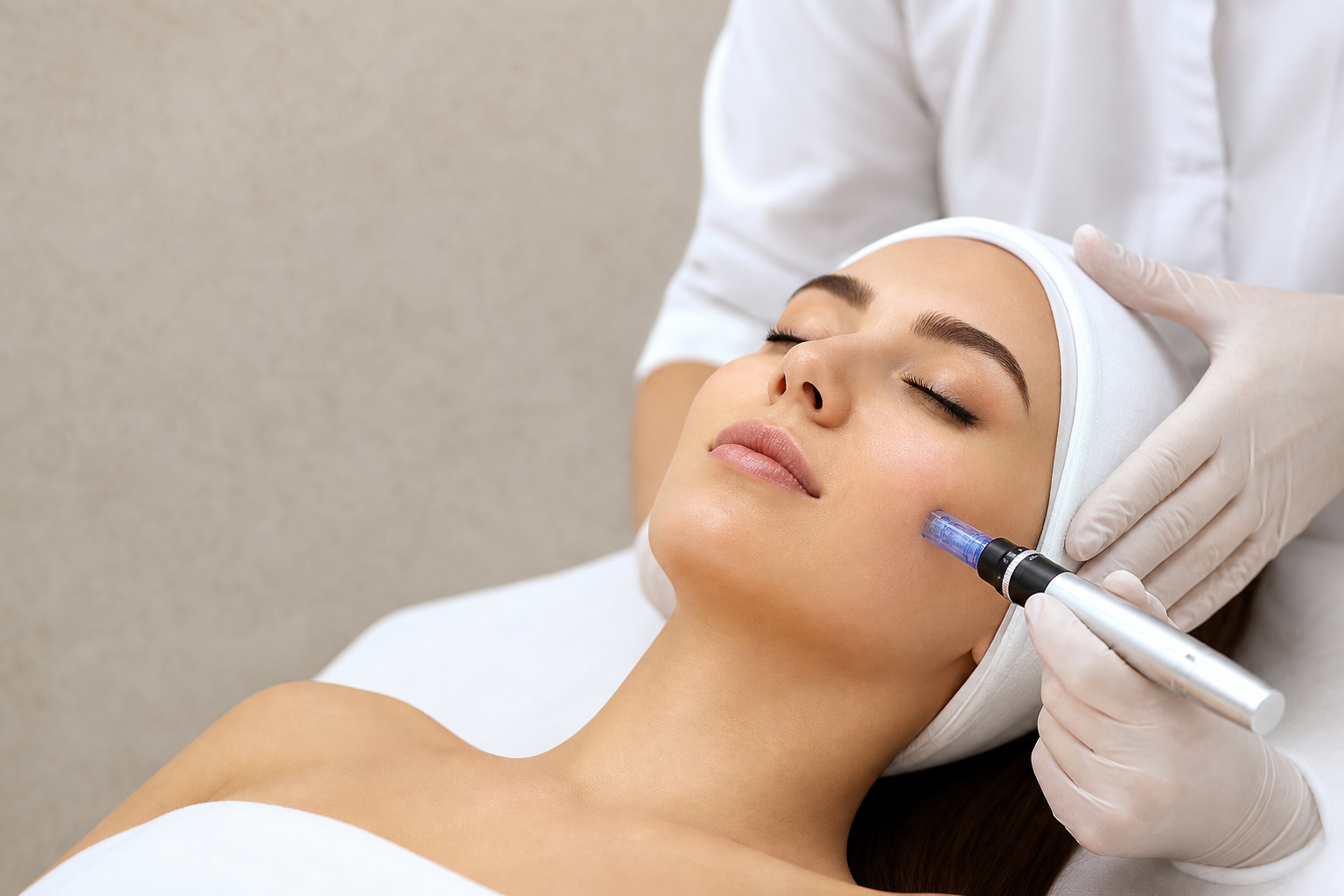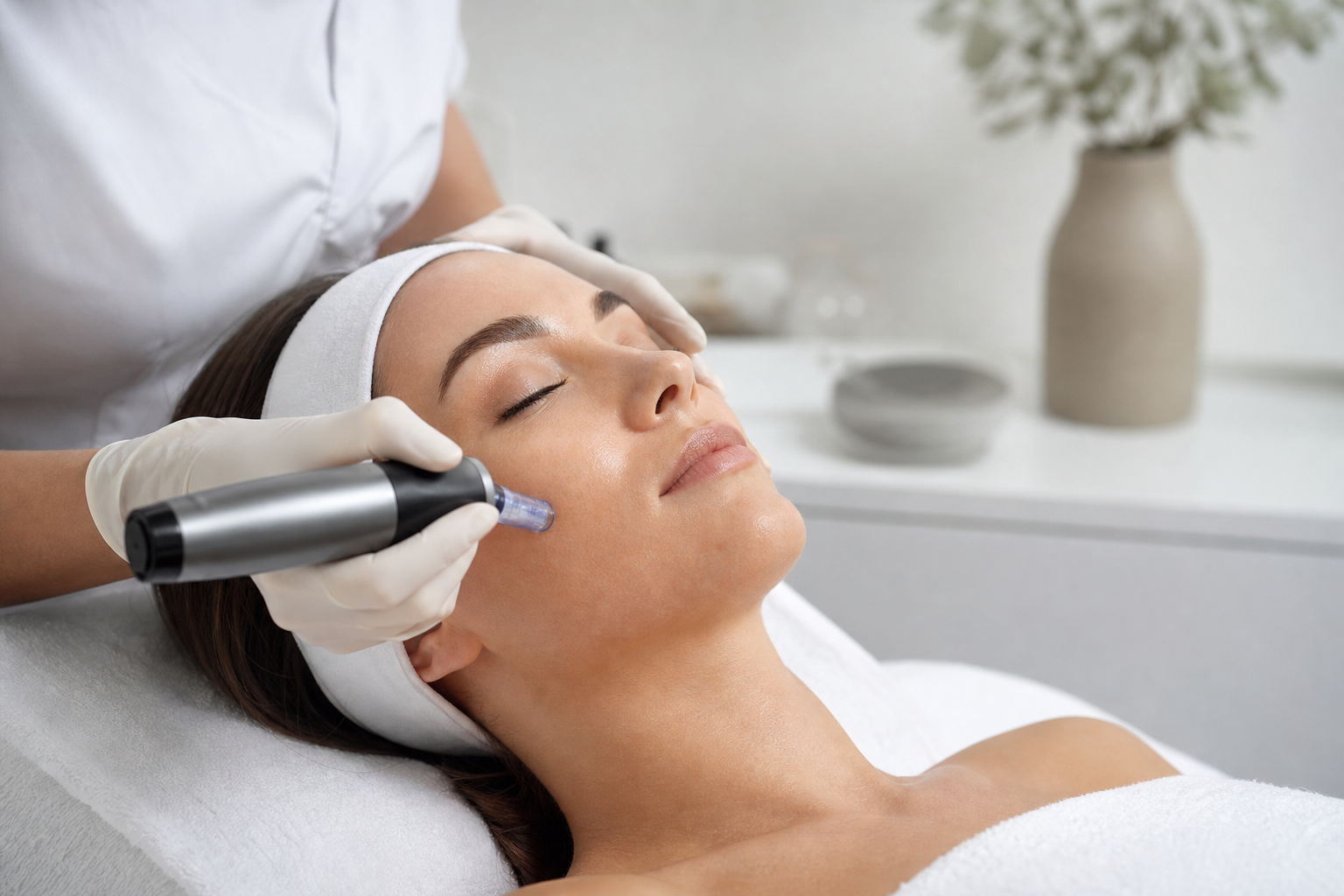
Microneedling and collagen stimulation have emerged as pivotal concepts in contemporary skin care, offering promising avenues for rejuvenating the skin's appearance and texture without invasive procedures. At its core, microneedling is a minimally invasive aesthetic treatment designed to provoke the skin's natural healing processes and stimulate collagen production, a vital protein responsible for maintaining the skin's structure, elasticity, and youthful glow. This technique has captured the interest of individuals seeking effective ways to address signs of aging, scarring, pigmentation issues, and uneven skin texture.
This article delves into the fundamentals of microneedling and its role in collagen stimulation, explaining the science underlying the treatment, identifying who can benefit most from it, and highlighting the advantages it offers over more invasive alternatives. We will also navigate through aspects such as the function and choice of microneedling devices, treatment depth, recovery expectations, and the timeline for visible results. Understanding these elements is critical for anyone considering microneedling as a skincare solution or wishing to deepen their knowledge about skin rejuvenation techniques.
In an era where non-invasive and natural methods are increasingly preferred in facial rituals, microneedling stands out as a sophisticated yet accessible option. It is instrumental in the realm of anti-age facial treatments, harmonizing with other skin therapies to enhance firmness, reduce wrinkles, and restore vitality to aging or damaged skin. Whether you are new to skincare innovation, seeking to mitigate acne scars, or aiming to maintain youthful skin proactively, comprehending the principles and benefits of microneedling can significantly inform your approach to skin health and aesthetics.
What Is Microneedling and How Does It Trigger Collagen Production?
Microneedling, often referred to as collagen induction therapy, employs specialized devices embedded with fine needles that create microchannels in the skin's surface. These micro-injuries are controlled and precise, insufficient to cause lasting damage but adequate to activate the skin’s repair mechanisms. Upon puncturing the epidermis, the skin initiates a healing cascade characterized by increased blood flow, fibroblast activation, and synthesis of new collagen and elastin fibers—two proteins fundamental to maintaining skin strength and resilience.
The stimulation of fibroblasts within the dermis—the skin layer beneath the surface epidermis—is central to this process. These cells respond to the micro-wounds by enhancing the production of collagen types I and III, which rebuild the extracellular matrix and improve skin thickness and elasticity. Moreover, microneedling temporarily increases skin permeability, allowing subsequent topical applications of serums and nutrient-rich compounds to penetrate deeper layers more effectively, augmenting the rejuvenation process.
This dual action—mechanical injury and improved ingredient absorption—positions microneedling as a versatile treatment that targets a range of concerns, from fine lines and wrinkles to textural irregularities and pigmentation issues. Its ability to naturally encourage the skin’s regenerative potential makes it a valuable addition to contemporary facial rituals focused on anti-aging and skin quality enhancement.
Who Can Benefit Most from Microneedling Treatments?
Microneedling is suitable for a diverse group of individuals, spanning different skin types and ages, primarily those aiming to enhance their skin's texture and appearance without resorting to invasive procedures. People experiencing early signs of aging, such as fine wrinkles and loss of firmness, can find microneedling an effective method to promote collagen remodeling and skin tightening.
Individuals with acne scars or other forms of scarring may see improvements in skin smoothness and scar severity following a series of microneedling sessions. Similarly, those suffering from hyperpigmentation or uneven skin tone might observe a more uniform complexion due to the accelerated cellular turnover that the treatment facilitates. Importantly, microneedling is also appealing to younger people intent on preventive skin care, aiming to sustain elasticity and delay visible aging symptoms.
However, not every skin condition is an appropriate candidate for microneedling. Active skin infections, severe eczema, psoriasis flares, or individuals with a history of keloid scarring should exercise caution and seek professional dermatological advice before treatment. Proper patient assessment and consultation ensure safety and optimal outcomes.
The Multifaceted Benefits of Microneedling for Skin Health
Microneedling offers an array of benefits grounded in its ability to activate natural skin regeneration. Among the most notable advantages is the enhancement of skin texture and elasticity stemming from increased collagen and elastin production. As these proteins replenish, the skin exhibits greater firmness, reduced fine lines, and a more youthful luminosity.
The treatment is also efficacious in diminishing the appearance of scars, including those caused by acne or minor injuries, by breaking down fibrotic tissue and encouraging fresh skin formation. Additionally, microneedling can contribute to the reduction of pore size, thereby refining the skin's surface and minimizing the incidence of clogged pores and blemishes.
A significant benefit lies in the improved absorption of topical skincare products following the treatment. By creating microchannels, microneedling allows serums rich in antioxidants, vitamins, peptides, and hyaluronic acid to infiltrate deeper layers of the skin, amplifying their efficacy. This synergistic effect not only maximizes immediate results but also supports ongoing skin maintenance.
Moreover, the minimal invasiveness of microneedling means that side effects are generally mild and transient, with fewer risks and shorter downtime compared to more aggressive interventions. This safety profile positions it as an attractive option for individuals seeking effective yet gentle skin rejuvenation.
Understanding Devices: Dermapen Versus Dermaroller in Microneedling
Microneedling can be performed using different devices, primarily the dermaroller and dermapen, each offering distinct mechanisms and benefits. The dermaroller consists of a cylindrical roller embedded with hundreds of tiny needles that, when rolled across the skin, puncture the surface to create micro-injuries. It is straightforward to use and is frequently employed both in clinical settings and for at-home treatments, although care must be taken with hygiene and technique to prevent skin trauma or infection.
In contrast, the dermapen is a pen-like, electrically powered device with a cluster of needles that rapidly move up and down vertically. This controlled motion allows for adjustable needle depth and precise targeting, reducing skin dragging and promoting uniform puncture patterns. The dermapen’s ability to customize treatment parameters makes it highly favored by professionals for treating delicate facial areas or more severe skin concerns.
Choosing between these devices depends on the user's experience, treatment goals, and skin sensitivity. While dermarollers may offer convenience and cost-effectiveness, dermapens provide enhanced precision, improved safety, and are often preferred in professional skin care settings.
Optimal Needle Depths: Tailoring Microneedling for Effective Collagen Stimulation
The success of microneedling depends substantially on selecting the appropriate needle length, which correlates with the depth and severity of skin concerns being addressed. Shallow needle lengths, typically between 0.25 mm and 0.5 mm, are suitable for improving skin texture, facilitating serum absorption, and promoting surface-level collagen induction. These shorter needles generally cause minimal discomfort and require the least recovery time.
For more pronounced skin issues, such as deep wrinkles, acne scars, or stretch marks, deeper needle penetration ranging from 1.0 mm to 2.5 mm may be necessary. Deeper microchannels trigger a robust collagen response in the dermis but also demand professional administration to avoid complications and ensure even treatment. Excessive needle depth without proper technique can delay healing and increase risks of adverse effects.
Customized treatment planning, ideally conducted in consultation with a dermatologist or certified aesthetic practitioner, helps to determine the adequate needle depth to balance efficacy with safety. This discerning approach maximizes collagen stimulation while preserving skin integrity.
Establishing Treatment Frequency and Duration for Lasting Outcomes
Achieving visible and enduring results with microneedling typically involves a series of sessions spaced over several weeks. Most protocols suggest 3 to 6 treatments, occurring every 4 to 6 weeks, to allow the skin sufficient time to repair and respond to collagen induction. Individual factors, including skin condition and treatment objectives, influence this schedule.
Patients may observe preliminary improvements after the first or second session, such as smoother skin and a subtle glow, yet cumulative collagen remodeling gains momentum with continued treatments. This phased regimen encourages progressive skin renewal, with later sessions reinforcing prior gains.
Consistency and adherence to recommended treatment plans enhance the likelihood of sustained benefits. Post-series maintenance treatments or complementary skin care can further prolong the youthful effects stimulated by microneedling.
Post-Treatment Recovery: Expectations and Best Practices Following Microneedling
Recovery after microneedling rarely involves extensive downtime, a feature contributing to its popularity. Immediately following treatment, it’s normal to experience redness, slight swelling, and a warm sensation similar to sunburn. These effects usually subside within one to two days, depending on the treatment depth and individual skin sensitivity.
Patients might also notice mild peeling or tightness as the skin heals and exfoliates, typically lasting several days. To support skin recovery, it’s essential to follow a gentle skincare regimen that emphasizes hydration, soothing ingredients, and photoprotection. Using high-SPF sunscreen is critical to shield the newly regenerated skin from UV damage, which can impede healing or cause pigmentation issues.
Avoidance of harsh cosmetic products, mechanical exfoliation, and prolonged sun exposure immediately after treatment helps mitigate irritation and complications. Incorporating antioxidant-rich serums and barrier-repair moisturizers as recommended by skincare professionals can hasten recovery and enhance collagen-stimulating effects.
When Do the Full Benefits of Microneedling Become Evident?
The process of collagen remodeling is inherently gradual, reflecting the skin’s biological timeline. While some immediate improvements in radiance and minor textural smoothness may be perceptible shortly after treatment, the deepest effects linked to collagen synthesis typically manifest over two to three months post-session.
This temporal dimension stems from the time required to generate new collagen fibers and remodel the extracellular matrix, culminating in firmer, plumper, and more resilient skin. Patients should maintain realistic expectations regarding this interval to appreciate the nature of the treatment’s regenerative influence.
Long-term adherence to recommended treatment schedules, active follow-up care, and integration with other professional cosmetic anti-aging treatments can further enhance and sustain these outcomes, contributing to a comprehensive anti-aging strategy.