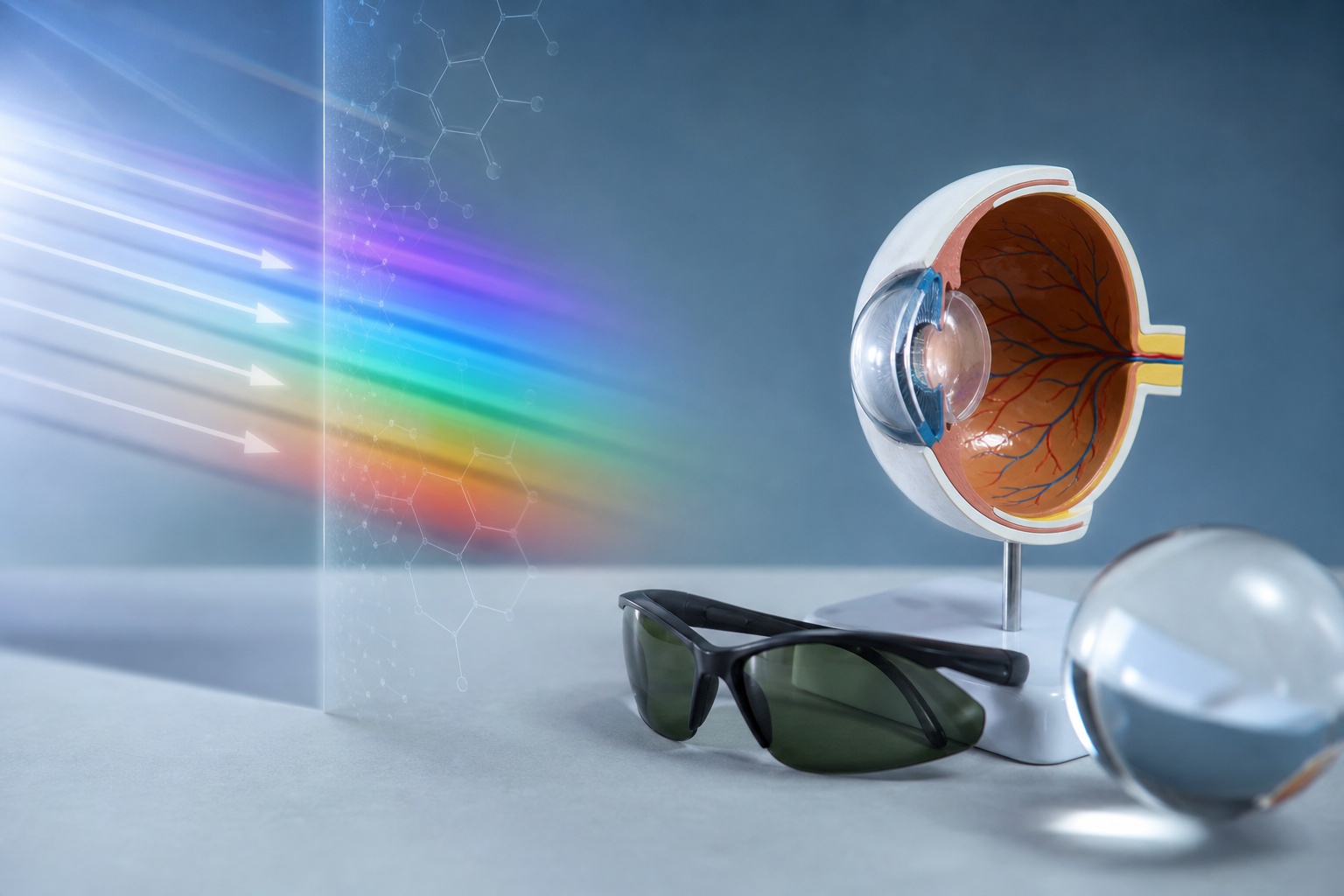
In everyday conversations and even common advice, it is often suggested that simply closing one’s eyes offers sufficient protection against the harmful effects of sunlight or intense artificial lighting, such as that encountered in tanning beds or sunbeds. This assumption may appear intuitive—after all, closing the eyes reduces direct exposure to bright light. However, this notion is oversimplified and potentially dangerous, lacking the nuance required to adequately protect ocular health.
The reality is that closed eyes are not a reliable barrier against ultraviolet (UV) radiation, which poses significant risks to the eyes beyond immediate discomfort or glare. This article aims to dissect why shutting the eyes is far from enough to guard against UV exposure, particularly as it pertains to health risks documented in scientific literature and the classifications by global health authorities such as the International Agency for Research on Cancer (IARC). Understanding these facts is crucial for anyone concerned about preserving eye health—especially those who spend extended periods outdoors, use sunbeds, or have heightened sensitivity to UV light.
Given the growing prevalence of UV sources and the rising awareness of eye-related conditions linked to UV damage, this discussion is indispensable. It sheds light on what happens at the tissue level when eye exposure occurs, the shortcomings of relying solely on eyelid closure, and pragmatic measures for protection. This knowledge enables individuals to make informed decisions, engage in effective prevention, and seek timely medical advice for symptoms related to UV ocular exposure.
Why Closing Your Eyes Does Not Block All UV Radiation
One of the fundamental misunderstandings is that closed eyelids act like impenetrable shields, fully preventing UV rays from affecting the eyes. However, this is not the case. Anatomically, the human eyelid skin is thin and does not have multiple dense layers of tissue sufficient to absorb or block all incoming UV radiation. Studies have shown that some UV-A and UV-B rays can penetrate the eyelid, especially when exposure is intense or prolonged.
Moreover, because UV radiation can scatter and reflect off various surfaces—such as water, snow, sand, and even concrete—UV rays can reach the eye indirectly. Even with eyes closed, exposure can occur from oblique angles, where rays bypass the eyelid in a way that is not possible when the eye is open and able to reflexively adjust pupil size or engage other protective mechanisms.
In artificial environments like tanning salons, the concentrated UV output is often higher than natural sunlight, increasing the ability of rays to penetrate eyelids and cause damage. This is why relying on the eyelids as a UV barrier is insufficient and does not negate the need for proper UV-filtering protective equipment, such as certified UV-blocking goggles designed specifically for these environments.
What Are the Known Harmful Effects of UV Radiation on Eye Health?
The detrimental impact of UV exposure on ocular health is well-documented and recognized by authoritative bodies like the IARC, which classifies UV radiation as a Group 1 carcinogen. This designation confirms that UV radiation is conclusively linked to cancer in humans, including skin cancer around the eyelids and potentially ocular melanoma, a malignant tumor of the eye.
Acutely, intense UV radiation can cause photokeratitis, often referred to as “sunburn of the eye” or “snow blindness.” This condition involves painful inflammation of the cornea and conjunctiva, with symptoms such as redness, tearing, sensitivity to light, and blurred vision. Although usually temporary, it can cause considerable discomfort and disruption to daily activities.
Chronic exposure to UV radiation contributes to the development of cataracts, a clouding of the eye’s lens that is one of the leading causes of blindness globally. Pterygium, a benign but vision-impairing growth on the conjunctiva, is also linked to UV exposure and is prevalent in individuals who experience elevated sun exposure over time. Furthermore, repeated UV dosing increases the risk of age-related macular degeneration, a condition that impairs the retina and affects central vision.
Because closed eyelids cannot fully prevent UV rays from reaching the eye, these risks remain present even with passive protective behavior like squinting or keeping eyes shut in bright conditions.
Why Is There No Safe Threshold for UV Exposure?
One of the reasons why partial measures like closing the eyes are inadequate is that current scientific consensus holds there is no well-defined safe threshold for UV radiation exposure below which no harm occurs. The IARC’s classification as a Group 1 carcinogen underscores that all UV radiation carries some level of risk, and cumulative exposure over time escalates this risk.
The absence of a safe dose means that even low or moderate UV exposure can potentially contribute incrementally to eye damage or skin cancer development near ocular structures. This challenges common assumptions that brief or incidental exposure is harmless and illustrates why protective strategies must be comprehensive and consistent.
Therefore, mitigation techniques cannot rely on partial barriers, such as eyelid closure or sporadic use of non-certified sunglasses, but must integrate scientifically validated UV-blocking interventions to manage cumulative risk effectively.
How Does UV Penetrate Through Closed Eyelids and Surrounding Tissues?
UV radiation consists of wavelengths that differ in their biological effects and penetration capabilities. UV-A rays penetrate deeper into tissues, while UV-B rays predominantly affect more superficial layers, including the skin and corneal surface. Even when the eyes are closed, UV-B can affect the eyelid skin and underlying structures; meanwhile, UV-A can penetrate eyelid tissue more readily.
The eyelid’s thin skin, combined with blood vessels and depending on pigmentation, varies in its degree of UV absorption, but it does not fully block UV rays. Additionally, UV rays can enter from the side or reflect following interaction with surroundings. This indirect exposure can still reach ocular structures by passing under or around the eyelids.
Hence, while blinking and closing eyes are natural protective reflexes, their physiological architecture does not substitute for physical barriers specifically engineered to attenuate UV radiation efficiently.
What Protective Measures Are Recommended Beyond Closing the Eyes?
Given the limitations of eyelid closure, effective UV protection involves deliberate use of certified UV-blocking eyewear, hats with wide brims, and seeking shade during peak sunlight hours. Sunglasses must meet international standards for UV protection, blocking 99 to 100 percent of UV-A and UV-B radiation. This protection encompasses all entry points around the eyes, unlike the limited coverage provided by closed eyelids alone.
For users of contact lenses, even those enhanced with UV filters, it is important to recognize that these lenses cover only the central cornea, leaving peripheral ocular tissues exposed. Combining UV-blocking contact lenses with appropriate eyewear is therefore necessary for optimal defense.
In tanning facilities, specialized eye protection is mandatory. Regular glasses or general sunglasses do not suffice because they are not designed or tested for the intense UV emission from sunbeds. Instead, goggles that completely seal around the eyes and are rated for UV-blocking should be worn to prevent both direct and reflected exposure.
What Are the Risks of Relying on Protective Practices Like Just Closing Eyes in Tanning Beds?
Sunbeds or tanning beds emit concentrated UV radiation, often surpassing natural sun exposure intensity, making eye protection critical. Relying solely on closed eyelids during tanning sessions does not sufficiently block UV rays, leaving the eyes vulnerable to acute injuries like photokeratitis and long-term complications including cataract and possibly ocular cancers.
Because sunbed use can extend the length and intensity of UV exposure, the limitations of the eyelid barrier become even more relevant. Prolonged or repeated sessions without appropriate protective eyewear increase cumulative damage risk significantly. Many countries mandate or strongly recommend the use of UV-blocking eye protection in commercial tanning facilities, recognizing that closed eyes provide inadequate defense.
When Should Someone Consult a Doctor Following UV Exposure to the Eyes?
If symptoms such as eye pain, redness, excessive tearing, blurred vision, light sensitivity, or any visual disturbances develop after UV exposure—whether from sunlight, tanning beds, or reflective surfaces—prompt consultation with an eye care professional is essential. Self-diagnosis and delay in treatment can lead to worsening conditions or permanent damage.
Pharmacists and doctors can offer advice and treatment to mitigate symptoms and advise on protective measures going forward. Persistent or severe symptoms warrant specialized ophthalmological assessment to rule out or manage complications.


