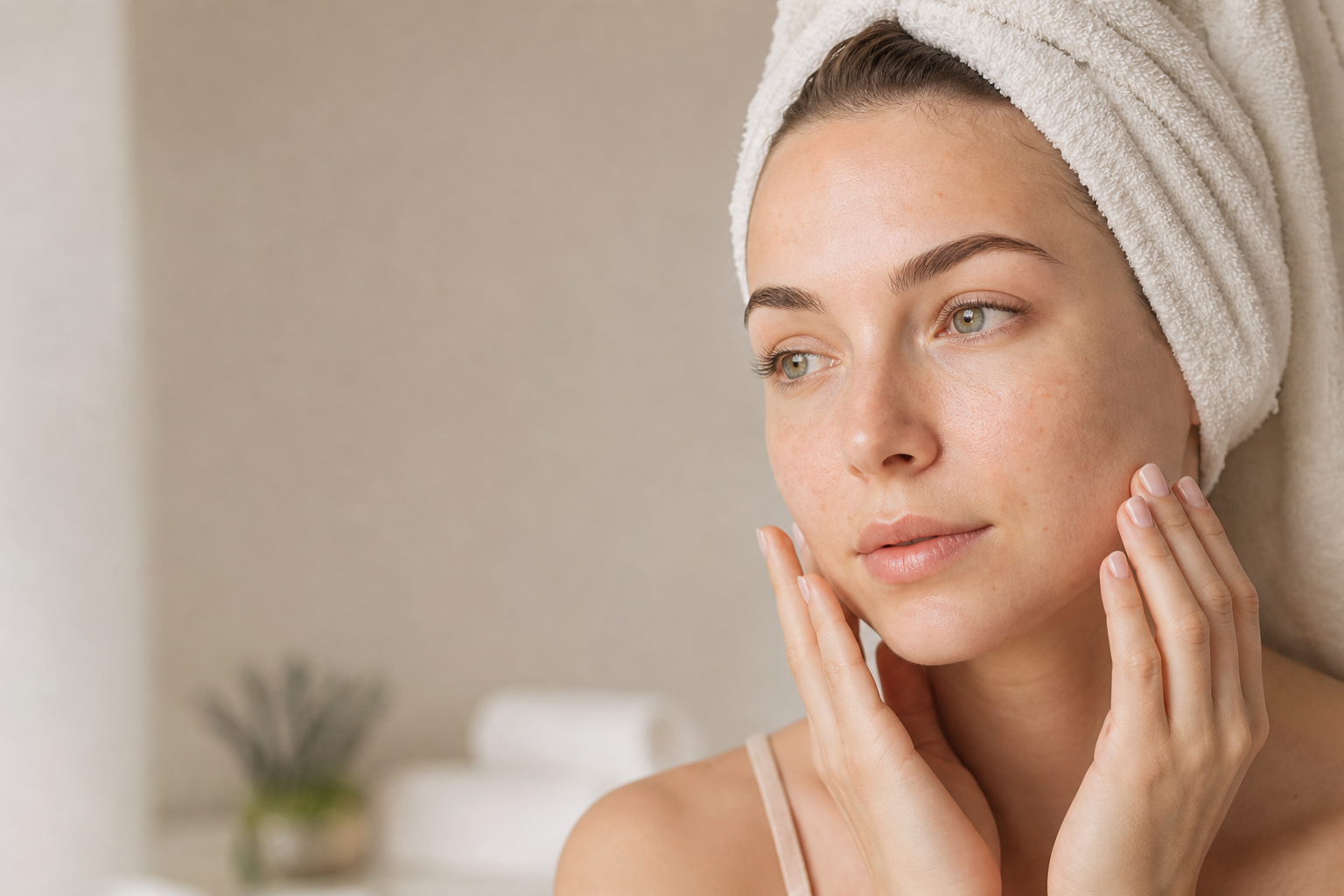
Deep cleansing is widely regarded as a cornerstone treatment in the realm of skin care, especially for those grappling with acne. Acne is a multifaceted skin concern that manifests through clogged pores, inflammation, and sometimes painful lesions, significantly affecting individuals' self-esteem and daily quality of life. The question many ask is: does deep cleansing truly help with acne? This article aims to explore this inquiry with precision, situating deep cleansing within the spectrum of anti-aging and acne-fighting facial treatments. We will offer a professional and practical analysis of the indications, benefits, and limitations of deep cleansing for acne-prone skin, emphasizing safety measures and the importance of expert guidance.
Acne sufferers range widely across age groups and skin types, from teenagers to adults confronting persistent breakouts or early signs of skin aging. Understanding how deep cleansing works, who it benefits most, and when to seek specialized care is essential to making informed decisions about skin health. This article serves as a comprehensive guide not only for individuals seeking to improve their acne condition but also for those considering gentle, non-invasive facial treatments to maintain youthful, radiant skin without resorting to aggressive procedures. Through clear explanation and evidence-based insights, readers will gain a solid foundation to navigate the treatment options effectively.
What Is Deep Cleansing and How Does It Function in Treating Acne?
Deep cleansing is a professional skin care treatment designed to thoroughly remove impurities, excess sebum, bacteria, dead skin cells, and dirt clogging pores. Unlike routine home cleansing, deep cleansing involves multiple deliberate steps tailored to the skin’s condition and specific needs, particularly for acne-prone skin. Typically, the process integrates gentle exfoliation, steam application to open pores, precise extraction of comedones, and replenishing hydration post-cleansing.
For those with acne, excess oil production leads to clogged pores that create an environment ripe for bacterial growth and inflammation. The skin often appears shiny, with visible blackheads, whiteheads, and occasionally inflamed pustules or cysts. Deep cleansing seeks to alleviate these symptoms by softening the contents blocking pores and safely removing them, thereby reducing the likelihood of further obstruction and bacterial accumulation.
Post-treatment, the skin is primed to absorb anti-acne or anti-aging topical products more effectively, enhancing their benefits. This synergy not only clears current lesions but also supports the skin’s natural barrier and regenerative capabilities, contributing to an improved complexion and healthier skin texture.
Who Is an Ideal Candidate for Deep Cleansing Treatments Targeting Acne?
Deep cleansing is particularly suitable for individuals exhibiting mild to moderate acne characterized by blackheads (open comedones), whiteheads (closed comedones), and generally oily or combination skin types prone to breakouts. The procedure serves as an excellent adjunct to daily skin care routines aimed at controlling excess sebum and preventing pore blockage.
However, deep cleansing is not the primary recommended treatment for severe, cystic, or nodular acne forms, where intense inflammation and deeper infection necessitate medical interventions such as systemic antibiotics, retinoids, or hormonal therapy supervised by a dermatologist. Likewise, those with highly sensitive skin conditions, including rosacea or eczema, should approach deep cleansing treatments cautiously and under professional advisement to avoid exacerbation.
What Benefits Can Deep Cleansing Provide for Acne-Prone Skin?
When properly executed, deep cleansing can deliver multiple benefits for acne-prone skin. Primarily, it helps reduce excess sebum, which is one of the leading contributors to pore blockage and acne formation. By effectively removing comedonal debris, the procedure decreases the occasions for new blemishes to form.
Additionally, users often observe improved skin texture and a more uniform complexion following treatment, both of which bolster confidence in appearance. The skin tends to feel refreshed and less congested, while enhanced product absorption can amplify the efficacy of other active ingredients used in acne management or anti-aging protocols.
Nevertheless, it is important to frame these results as part of an ongoing process rather than a one-time cure. Maintaining consistent skin care, protecting skin from aggravating factors, and following appropriate treatment regimens remain fundamental to long-term improvements.
What Are the Limitations and Risks of Deep Cleansing for Acne?
Despite its advantages, deep cleansing does have limitations. It addresses surface and pore-level factors but does not alter intrinsic causes of acne such as hormonal fluctuations, genetic predisposition, or systemic inflammation. Consequently, deep cleansing alone cannot fully resolve moderate to severe acne or hormonal acne without adjunct therapies.
Furthermore, if performed improperly, deep cleansing carries risks of skin irritation, redness, or even infection, especially if extractions are done aggressively or in unsanitary conditions. Over-extraction or harsh exfoliation can damage the skin’s barrier, potentially worsening acne or leading to scarring.
Therefore, securing treatment from licensed specialists who understand acne pathology and employ gentle, aseptic techniques is imperative for safety and efficacy.
How Safe Is Deep Cleansing for Acne-Prone Skin, and What Precautions Are Necessary?
When conducted by qualified professionals in a controlled environment, deep cleansing is generally safe and well-tolerated by most acne sufferers. Thorough skin assessment prior to the procedure ensures that treatments are tailored and not performed during acute inflammatory phases to minimize adverse reactions.
Maintaining strict hygiene practices, including sterilized tools and proper post-treatment skincare such as hydration and sun protection, further mitigates risks. Patients are usually advised to avoid makeup and direct sun exposure immediately after treatment to protect their sensitive skin.
When Should You Consult a Specialist Before Pursuing Deep Cleansing?
Consultation with a dermatologist or experienced aesthetician is strongly recommended before undergoing deep cleansing, particularly for individuals with complex or persistent acne. Medical professionals can help differentiate acne types, recommend complementary medications or therapies, and determine whether deep cleansing is an appropriate option.
Moreover, those with skin conditions such as rosacea, eczema, or a history of allergic reactions should seek expert advice to avoid complications. In cases of severe cystic acne, specialist guidance is critical to ensure safe and effective care over reliance on surface treatments alone.
What Does the Deep Cleansing Process for Acne-Prone Skin Involve?
The deep cleansing session unfolds over several carefully orchestrated stages. Initially, the therapist cleanses the skin thoroughly to remove makeup, dirt, and surface oils. Next, a gentle chemical or enzymatic exfoliant may be applied to slough off dead skin cells from the surface.
Following this, steam is introduced to open the pores, softening the clogged material. The professional then performs meticulous extraction of non-inflamed blackheads and whiteheads using sanitized tools, avoiding inflamed or cystic lesions to prevent trauma. The treatment concludes with the application of toners and moisturizers customized to soothe and restore hydration.
Each step is executed with precision to honor the delicate nature of acne-prone skin, minimizing irritation while maximizing cleansing efficacy.
Which Types of Blemishes Are Safe to Remove Through Deep Cleansing?
The optimal candidates for extraction during deep cleansing are closed comedones (whiteheads) and open comedones (blackheads) that have not progressed to inflammation. These forms are generally benign and removable without causing tissue damage.
Conversely, inflammatory lesions such as pustules, cysts, or nodules should not be manually extracted, as this may provoke deeper infection, scarring, and prolonged healing. A specialist can advise on alternative management strategies for these more severe blemishes.
Can Extraction During Deep Cleansing Worsen Acne or Cause Scarring?
If extraction is performed skillfully using appropriate tools and techniques, it should not exacerbate acne or induce scarring. The goal is to relieve pore congestion without harming surrounding skin tissues.
In contrast, improper extraction—characterized by excessive pressure, repeated squeezing, or unclean instruments—can induce micro-injuries, spreading bacteria and inflammation that worsen acne and increase scarring risk. This reinforces why deep cleansing should be entrusted only to trained skincare professionals.
What Post-Treatment Care Supports Optimal Healing and Maintenance?
After deep cleansing, the skin requires gentle care to maintain its improved condition. This includes using mild, non-comedogenic cleansers, hydrating serums, and moisturizers suited to acne-prone skin. Consistent use of broad-spectrum sunscreen is critical to protect newly exposed skin from UV-induced hyperpigmentation and damage.
Avoiding harsh exfoliants, abrasive scrubbing, or irritant ingredients during the recovery phase helps preserve the skin’s barrier. Adhering to skincare recommendations from your provider enhances the durability of treatment results and supports ongoing acne management.


