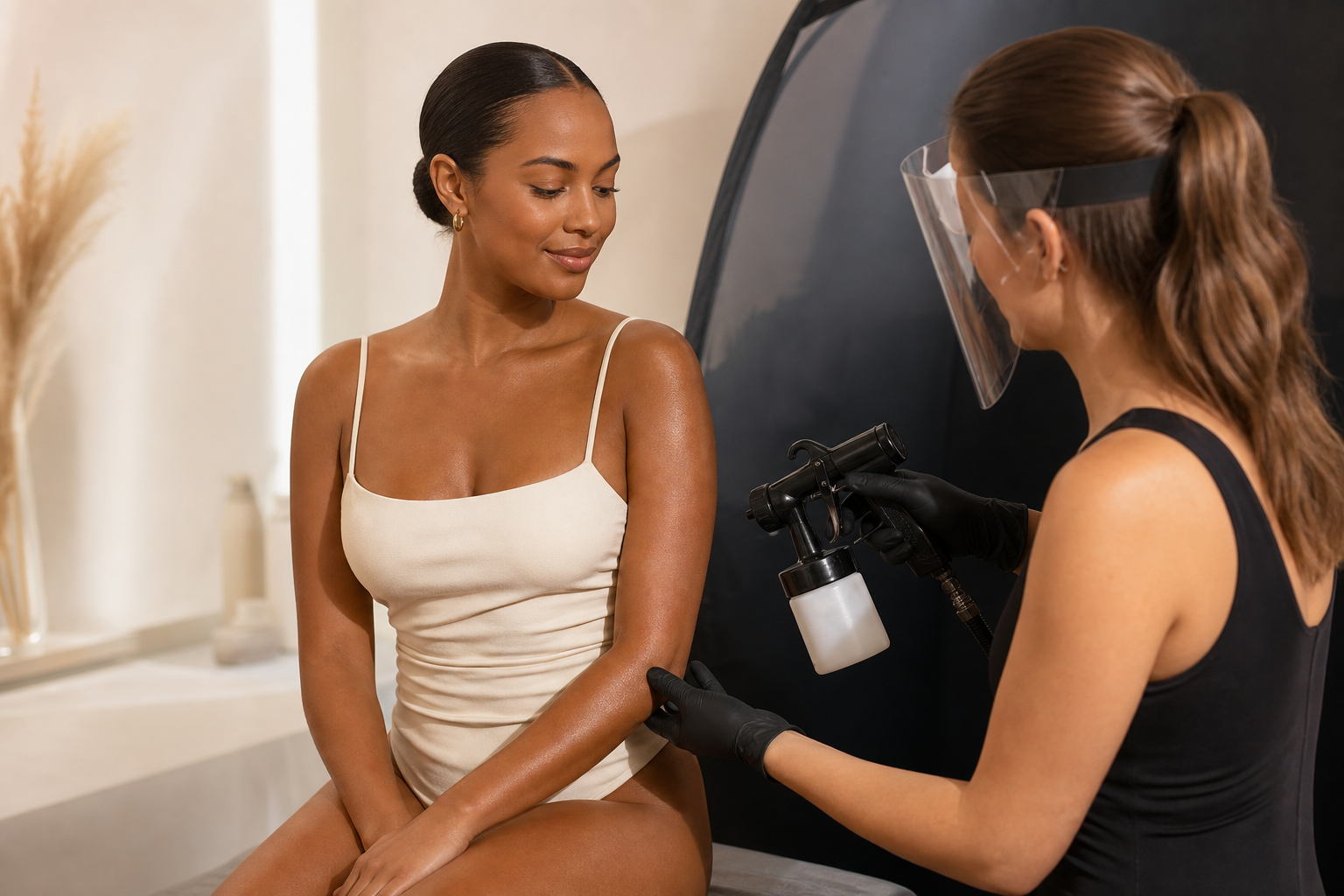
Spray tanning has surged in popularity as an effective and safer alternative to sunbathing or tanning beds for achieving a radiant, sun-kissed skin tone. This cosmetic process uses a finely misted solution that reacts with the skin's surface to produce a warm bronze glow without exposure to harmful ultraviolet (UV) rays. For those seeking a quick, even tan without the risks of sun damage, spray tanning offers an attractive option.
But a common question among both first-time users and seasoned spray tan enthusiasts is: how long does a spray tan last? Moreover, why does the tan fade quicker for some individuals than others? Answering these questions is crucial, as understanding the lifespan and fading behavior of spray tans helps set realistic expectations and guides effective maintenance strategies for vibrant, long-lasting results.
This comprehensive exploration demystifies the duration of spray tans and the key factors influencing why the tan fades faster on certain skin types or under specific conditions. By delving into the chemistry behind spray tans, examining personal skin characteristics, and scrutinizing lifestyle influences, this guide equips anyone interested in spray tanning with detailed knowledge to optimize the experience and prolong their bronzed glow.
The Science Behind Spray Tan Longevity: How DHA Interacts with Your Skin
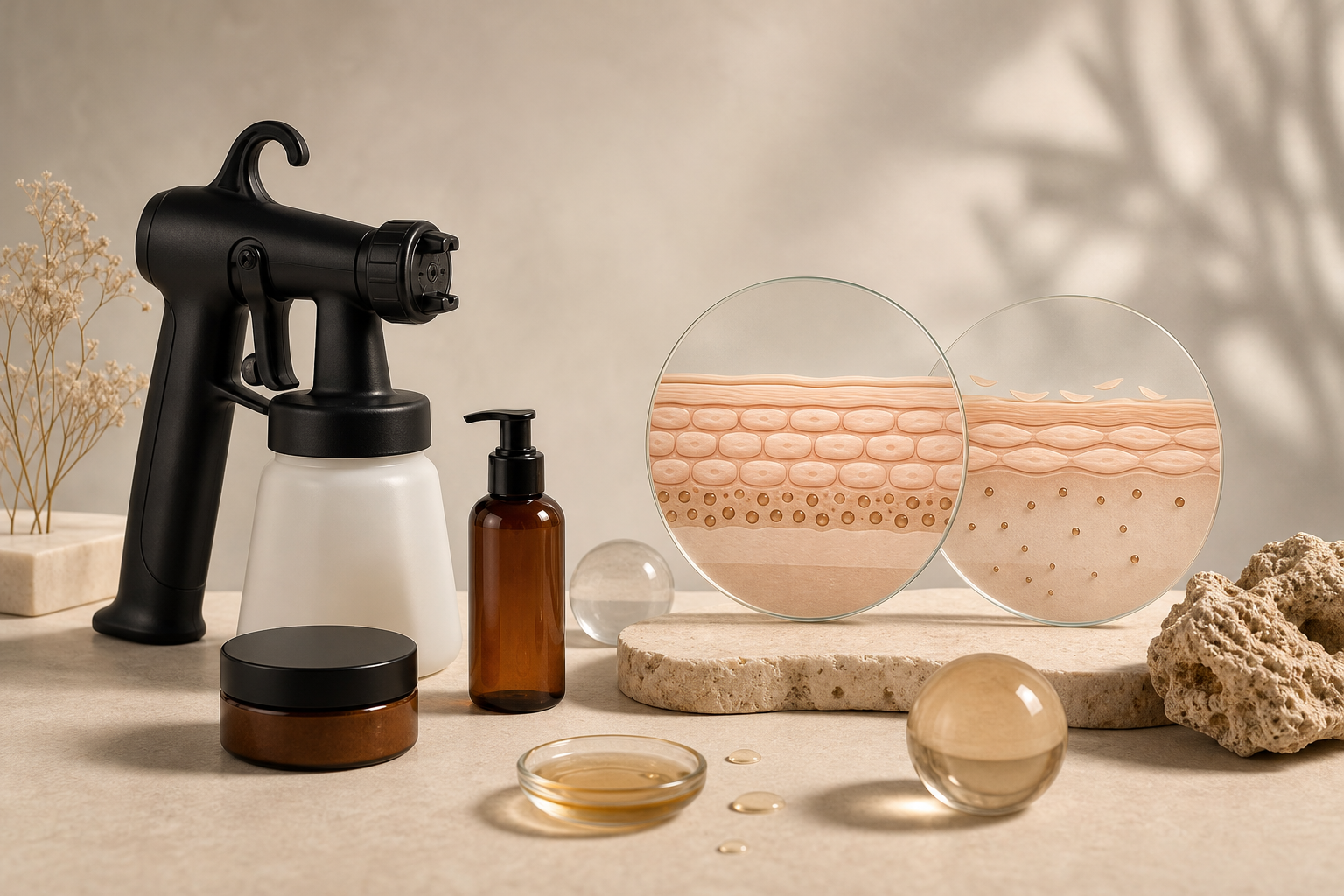
At the heart of every spray tan is an active ingredient known as dihydroxyacetone (DHA), a clear sugar molecule that reacts chemically with the outermost layer of the skin. When applied via a fine mist, DHA interacts with amino acids present in the keratin—the primary protein in the skin’s stratum corneum—to form brownish pigments called melanoidins. These pigments mimic the color produced by natural melanin but do not provide UV protection.
This reaction, a form of the Maillard reaction well known in food chemistry, chiefly occurs in the skin's surface layers, forming a temporary bronzed appearance without penetrating deeper tissues. The color begins to develop within a few hours of application, reaching full intensity typically between 8 to 12 hours post-treatment.
Because the spray tan color exists solely on the skin's exterior, its longevity is tied directly to the natural cycle of skin renewal. The stratum corneum is continuously shedding dead skin cells and replenishing with fresh ones from beneath over an average period of about 25 to 30 days. Therefore, the tan fades as those pigmented outer cells naturally exfoliate and are replaced.
Typical Duration of Spray Tans: What to Expect and Why Variations Occur
In most cases, a spray tan lasts between 5 to 10 days, after which the color gently diminishes and the skin returns to its natural tone. This timeframe can vary significantly based on several physiological and environmental factors.
Variability in tan duration arises because skin types differ in texture, moisture levels, and cellular turnover rates. For instance, individuals with drier skin often report that spray tans last longer, as drier skin tends to retain the pigment in its surface layers more effectively. Conversely, oily skin can break down the DHA faster, leading to sooner fading.
Age also influences skin regeneration: younger skin typically renews more rapidly, accelerating the exfoliation of pigmented cells and causing a spray tan to fade more quickly. In contrast, mature skin's slower renewal pace may prolong the tan's visibility.
How Daily Activities Impact Spray Tan Lifespan: Showering, Sweating, and Water Exposure
The care taken post-application plays a critical role in how long a spray tan endures. Daily habits such as showering frequency, intensity of workouts, exposure to chlorinated pools or salty ocean water, and even the type of clothing worn can accelerate fading.
Showering too soon after application or using harsh soaps and exfoliating scrubs can strip away the color prematurely. Additionally, prolonged or vigorous sweating during exercise can increase skin cell shedding and cause the spray tan to wear off faster.
Water activities pose another challenge: chlorine in pools acts as a chemical bleach, breaking down the color molecules, while saltwater’s abrasive action physically removes pigmented skin cells. Avoiding such exposures, especially within the initial days after tanning, helps maintain an even, lasting color.
Understanding the Importance of Waiting Before the First Shower
One of the most crucial steps in prolonging a spray tan’s life is postponing the first shower for at least 6 to 8 hours after the session. This period allows the DHA to thoroughly react and develop on the skin without disruption.
Washing off prematurely can wash away undried product and interfere with the pigment’s full development, resulting in an uneven or lighter tan. When it is finally time for that first shower, lukewarm water and gentle, fragrance-free cleansers are recommended to preserve the color.
Skin Preparation and Post-Tan Care: How to Maximize Duration and Evenness
Before even stepping into the spray tan booth, proper skin preparation is essential. Exfoliating the body thoroughly in the days leading up to the appointment removes dead skin cells and creates a smooth surface for uniform color application. However, aggressive exfoliation immediately before or right after the treatment should be avoided to prevent uneven fading.
After tanning, moisturizing plays a pivotal role. Hydrated skin maintains pigment longer by softening the outer layers, preventing premature flaking and scaling. Using oil-free, alcohol-free, and non-scented moisturizers twice daily supports a gradual and uniform tan fade.
Choosing loose, breathable cotton clothing after tanning minimizes friction and irritation that can wear away the fresh color. Avoiding tight or rough fabrics reduces the risk of patchy fading.
The Role of Skin Type in Spray Tan Results and Durability
Skin physiology significantly affects spray tan outcomes. Dry skin, as implied, holds onto the color more tenaciously but requires diligent moisturization to ensure even fading. Oily skin, prone to excess sebum production, can cause the product to break down faster and appear uneven.
Additionally, skin conditions like eczema or psoriasis may trigger uneven patchiness and faster color loss. Consulting with a skincare professional before spray tanning can help tailor the approach and products used.
Summarizing Common Spray Tan Problems Related to Fading and How to Address Them
Common issues such as patchy fading, streaks, or early color loss usually stem from improper preparation, post-treatment care, or individual skin reactions. For example, excessive sweating soon after application can cause blotches, while not exfoliating adequately beforehand may result in an uneven surface that absorbs color inconsistently.
Correcting these problems involves following recommended protocols: exfoliate gently in advance, stay dry for the first several hours after treatment, moisturize regularly, and avoid chlorinated or salty water until the tan has fully developed.