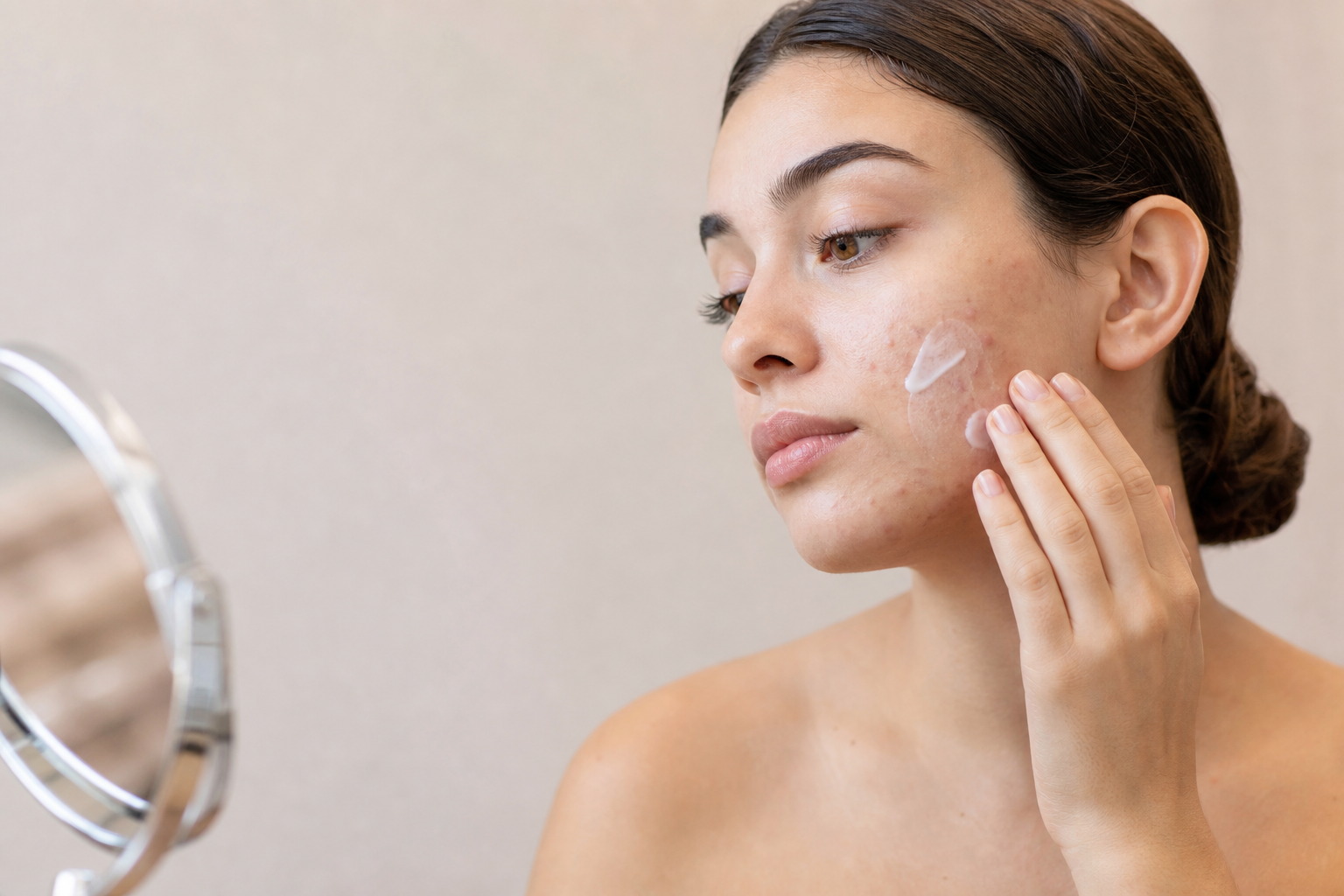
Acne remains one of the most common and persistent skin concerns across various age groups, particularly affecting adolescents yet equally impactful for adults. Often misunderstood as a purely cosmetic nuisance, acne deeply influences not only skin health but also the psychological and social well-being of those afflicted. The quest to identify the best treatment for acne involves a nuanced understanding of its causes, manifestations, and the spectrum of therapeutic options available. This is especially relevant in the domain of anti-aging facial treatments, where maintaining a youthful, healthy complexion intersects with managing inflammatory skin conditions such as acne.
For individuals grappling with acne, whether in mild or severe forms, discerning the optimal treatment strategy is essential for improving skin texture, reducing potential long-term scarring, and enhancing overall confidence. This article aims to provide a sophisticated, professional, and practical guide for anyone seeking clarity on acne treatment options. We will address indications, expected outcomes, safety considerations, and the critical moments when consultation with a qualified skincare specialist becomes necessary.
By delving into the current landscape of acne therapy—ranging from topical and oral medications to advanced in-clinic procedures—this editorial offers an authoritative resource that bridges clinical dermatology and aesthetic skincare. Whether you are a skincare professional, a patient navigating treatment choices, or a health-conscious individual intent on tackling acne with evidence-based methods, understanding these facets is a cornerstone for achieving clear, resilient skin.
What Constitutes Acne and What Are Its Predominant Causes?
Acne is a multifactorial inflammatory skin disease primarily targeting sebaceous gland-rich areas of the body such as the face, chest, and back. Its pathogenesis centers on the congestion of hair follicles by excess sebum and keratinous debris, bacterial colonization—particularly by Cutibacterium acnes (formerly Propionibacterium acnes)—and subsequent inflammation. Hormonal fluctuations, especially during puberty, often trigger or exacerbate acne's development, but other factors play substantial roles. These include genetic predispositions, dietary influences, stress levels, environmental exposures, and inappropriate skincare regimes.
Understanding these underlying mechanisms is vital because acne is not a homogeneous condition; it varies greatly in severity, lesion types (comedonal, papulopustular, nodulocystic), and chronicity. Effective treatment selection hinges on identifying these nuances to tailor interventions that address specific pathways contributing to each patient’s acne.
Which Treatments Are Available for Managing Acne?
Acne management is multifaceted, involving topical therapies, systemic medications, and professional procedural interventions. The choice of treatment is guided by clinical evaluation and patient preferences, with an emphasis on safety and efficacy.
Topical agents remain foundational in addressing mild to moderate acne. These include retinoids that promote cell turnover and prevent follicular plugging, benzoyl peroxide with its antimicrobial and keratolytic properties, salicylic acid facilitating exfoliation and anti-inflammatory effects, and topical antibiotics aimed at reducing bacterial load. These formulations are accessible and frequently incorporated into daily skincare routines.
In moderate to severe cases, oral therapies are considered, such as systemic antibiotics, hormonal agents like combined oral contraceptives or anti-androgens, and isotretinoin—a potent retinoid with the capacity to induce sustained remission. Due to potential side effects, these require rigorous medical supervision.
Professional treatments have gained prominence for both acne control and post-acne skin restoration. These include medical-grade facial cleansing and extractions, chemical peels using acids tailored to skin type and lesion severity, and energy-based modalities such as laser and light therapies aimed at reducing inflammation, bacterial presence, and stimulating skin regeneration.
When Are Professional Facial Treatments Indicated for Acne?
While home-based regimens provide essential maintenance, professional interventions become particularly necessary in scenarios of persistent moderate to severe acne, the presence of active inflammatory lesions unresponsive to standard therapies, or established scarring that compromises skin integrity. Moreover, patients with oily, congested skin may benefit substantially from controlled dermatologic facial treatments designed to deeply cleanse pores, remove comedones, and mitigate inflammation.
Medical cleansing and manual extraction of comedones, when performed by trained professionals, serve to reduce obstruction and reduce the likelihood of lesion flaring. These procedures should be meticulously executed to avoid trauma and subsequent scarring. Therefore, seeking care from qualified dermatologists or estheticians is paramount to ensure a safe and effective outcome.
How Do Chemical Peels Function in Acne Treatment and What Are Their Advantages?
Chemical peels utilize various acids—salicylic, glycolic, lactic, among others—to exfoliate the skin's surface, accelerate epidermal cell turnover, and enhance follicular clearance, thereby interrupting the acne cascade. Salicylic acid peels afford additional anti-inflammatory benefits, making them particularly suited for oily and acne-prone skin types.
The advantages of chemical peels include reduction in comedones and inflammatory lesions, improvement in skin texture and tone, attenuation of post-acne pigmentation, and stimulation of collagen production aiding scar remodeling. However, the benefits manifest gradually over multiple sessions, with an emphasis on meticulous aftercare to minimize irritation and maximize efficacy.
Is Manual Extraction a Safe Procedure, and Under What Circumstances Should It be Performed?
Manual extraction involves the careful removal of blackheads and whiteheads using specialized instruments. When conducted by skilled practitioners, it can alleviate follicular blockage and reduce the incidence of inflammatory flare-ups. Nevertheless, improper or forceful extraction can lead to skin damage, infection, and propagation of inflammatory acne lesions.
Consequently, manual extraction is generally recommended as part of a broader, professionally supervised acne facial treatment plan and is contraindicated for heavily inflamed or cystic lesions to prevent exacerbation.
When Should One Consult a Dermatologist or Skin Care Expert About Acne?
Prompt consultation with a dermatologist or licensed skincare professional is advisable under conditions of severe or rapidly worsening acne, significant inflammation or scarring, or when over-the-counter and home-based treatments fail to bring improvement. Professional evaluation permits precise diagnosis, identification of potential underlying systemic associations, and individualized treatment planning including prescription therapies or advanced procedural interventions.
Moreover, unsupervised manipulation of active acne lesions often results in detrimental effects such as scarring and hyperpigmentation, underscoring the importance of expert guidance.
What Are Potential Complications and Limitations in Acne Treatment Approaches?
Though acne treatment modalities offer substantial benefits, they carry inherent limitations and risks. Irritation, dryness, photosensitivity, and allergic reactions are possible side effects of topical agents. Systemic medications may elicit antibiotic resistance, teratogenicity, or hormonal imbalances, necessitating vigilant oversight.
Professional procedures, while effective, require tailored protocols and informed application to avoid adverse outcomes like post-inflammatory hyperpigmentation or scarring. It is essential to align treatment intensity with individual skin tolerance and to implement supportive skin care measures.
How Can Anti-Aging Treatments Complement Acne Management?
Although anti-aging therapies primarily target the signs of chronological and photoaging, many possess adjunctive benefits for acne-affected skin. Treatments enhancing collagen synthesis, promoting cellular renewal, and delivering antioxidant protection can facilitate skin repair and mitigate post-acne scarring.
Combining anti-aging modalities with acne-targeted treatments such as chemical peels and professional skin cleansing offers a holistic approach, optimizing both active lesion resolution and skin rejuvenation.
What Are the Expected Outcomes Post-Treatment and How Long Do They Last?
The results of acne interventions vary according to treatment type, adherence to therapeutic protocols, and individual skin response. Typically, noticeable improvements in acne severity and skin quality emerge over weeks to months, often requiring multiple sessions for professional treatments to achieve sustained benefits.
Maintenance including appropriate skincare and lifestyle modifications remains crucial to prolong results and prevent recurrence. Realistic expectations and collaborative management with professionals enhance treatment satisfaction.


