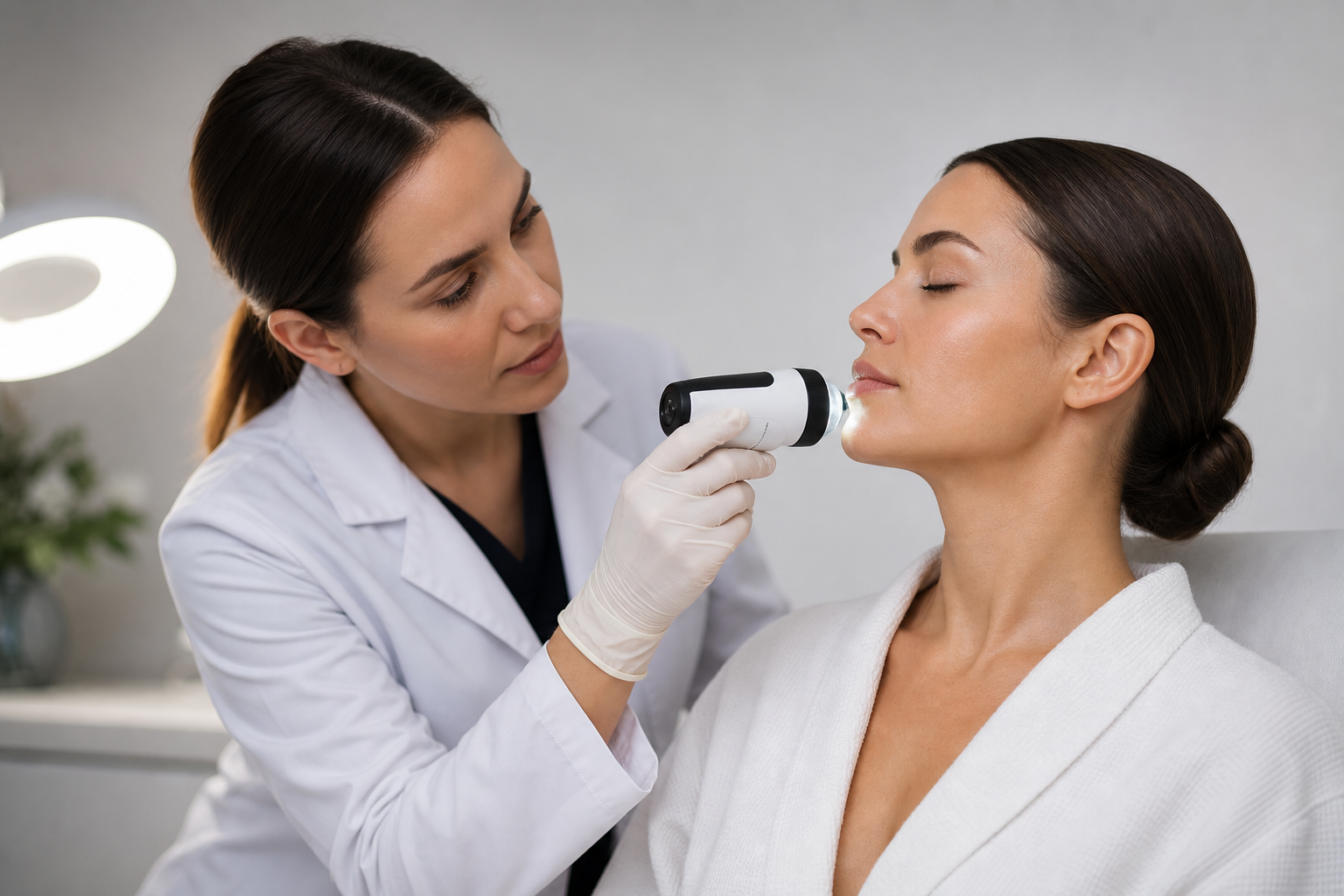
Assessing the condition of the skin before undertaking any anti-aging treatments is a crucial step that merges art and science. It’s not merely about observing the surface but understanding the intricate layers, textures, hydration levels, and overall health of the skin. This detailed evaluation guides the choice of treatments, ensuring they are tailored to individual needs and enhancing the likelihood of desirable outcomes while safeguarding skin integrity.
Anyone contemplating anti-aging facial procedures, whether in their early stages of noticing the first signs of skin aging or those seeking advanced rejuvenation methods, stands to benefit from a clear understanding of how skin assessment informs treatment strategy. This process matters greatly because it establishes realistic expectations, highlights safety considerations, and identifies the optimal types of interventions.
In this comprehensive editorial, we explore the fundamentals of evaluating skin condition prior to anti-aging treatments — addressing indications, methodology, limitations, safety, and when professional consultation becomes indispensable.
What Does Skin Assessment Entail Before Anti-Aging Treatments?
Skin assessment before anti-aging interventions involves a multidimensional appraisal that transcends simple visual inspection. It begins with analyzing the skin type — whether dry, oily, combination, sensitive, or mature — and noting any distinctive characteristics such as sensitivity or chronic issues like acne or rosacea. These factors influence how the skin might react to various treatment modalities.
Following this, specialists examine the skin’s structure and functionality. This includes testing elasticity, firmness, hydration levels, and texture. For instance, aging skin often demonstrates decreased collagen and elastin density, leading to wrinkles and sagging. Recognizing these changes guides the choice of modalities such as collagen-stimulating therapies or hydrating treatments.
Moreover, detailed assessments include pigmentary evaluation, identifying sun damage manifestations like age spots or hyperpigmentation that may require targeted remedies. Specialists also consider environmental and lifestyle contributors such as sun exposure, smoking, or stress, which impact skin repair capacity and treatment responses.
Who Should Undergo a Professional Skin Evaluation Before Anti-Aging Procedures?
Individuals at various stages of their skin aging journey will find professional assessment invaluable before embarking on anti-aging treatments. Those beginning to notice fine lines and skin dullness can benefit by tailoring early interventions that prevent accelerated aging. Conversely, people with pronounced wrinkles, laxity, or uneven skin tone require detailed evaluation to select suitable advanced therapies.
People with pre-existing skin conditions — including eczema, psoriasis, or acne — must approach anti-aging treatments cautiously. A thorough skin health assessment determines contraindications or the need for pre-treatment skin stabilization. Clients prone to allergic reactions or with a history of adverse cosmetic responses should also seek expert evaluation to mitigate risks.
Lastly, any individual considering cosmetic procedures for rejuvenation, from minimally invasive serums to laser resurfacing or injectable fillers, will be well served by a custom skin assessment to align treatment with personal skin physiology.
Which Skin Changes Indicate the Need for Specific Anti-Aging Treatments?
Understanding particular skin signs is fundamental in directing treatment choice. Fine lines and superficial wrinkles typically respond well to gentle resurfacing techniques, enzymatic peels, or hydrating therapies that boost skin plumpness and texture. Mild pigmentation irregularities may warrant targeted light-based or chemical peeling interventions.
Darker, deeper wrinkles and noticeable skin sagging often necessitate collagen-stimulating procedures such as microneedling combined with radiofrequency energy or dermal fillers that restore volume and contour. For individuals experiencing dryness and rough texture, intensive moisturization combined with nutrient-enriched treatments helps restore barrier function before more active therapies.
In cases of active acne or inflammation, anti-aging treatment is generally postponed until the skin stabilizes since certain procedures could exacerbate irritation. Instead, management focuses primarily on skin clarity and health before rejuvenation efforts.
What Are the Basic Steps in Conducting a Comprehensive Skin Evaluation?
The initial step in skin evaluation is the visual inspection carried out under various lighting conditions — including natural daylight, cross-polarized, and ultraviolet illumination — to reveal surface and subsurface irregularities. This aids in detecting discolorations, pigment anomalies, and textural changes invisible to the naked eye.
Tactile examination follows, assessing skin texture, elasticity by gently pinching or stretching the skin, and noting areas of firmness or laxity. Hydration testing may be performed using devices that measure moisture content and transepidermal water loss, illuminating dryness or barrier defects.
Advanced diagnostics often incorporate non-invasive imaging such as dermoscopy or high-resolution cameras, enabling visualization of vascular changes, pigmentation depth, and collagen distribution. These technologies enrich the understanding of skin health and aging stages.
An in-depth client history taking is integral — encompassing previous cosmetic treatments, allergies, medications, lifestyle habits, and overall health — as these elements interact significantly with skin condition and treatment suitability.
What Are the Indications and Contraindications for Various Anti-Aging Procedures?
Indications for anti-aging treatments hinge on the precise skin problems identified during assessment. For example, superficial chemical peels suit fine wrinkles and mild sun damage but are contraindicated in sensitive, inflamed, or recently injured skin. Laser therapies work effectively for pigmented lesions and texture irregularities but require caution in darker skin tones to prevent hyperpigmentation.
Injectable hyaluronic acid fillers excel where volume loss is predominant, whereas radiofrequency treatments are appropriate for overall skin tightening but should be avoided in patients with certain implanted devices or active infections. Microneedling stimulates collagen production and benefits a range of skin types but demands careful assessment in patients prone to scarring or keloids.
Contraindications consistently include active skin infections, recent isotretinoin use, pregnancy, autoimmune disorders, and unrealistic expectations. Thus, tailored treatment plans derive from nuanced analysis rather than one-size-fits-all approaches.
What Are the Limitations and Safety Considerations in Skin Condition Assessment?
Though skin evaluation is indispensable, it has inherent limitations. Skin biology is dynamic; hydration, inflammation, and external factors can alter its appearance rapidly, complicating definitive conclusions from a single assessment. Some aging signs only fully manifest over time or due to cumulative damage.
Safety considerations revolve around ensuring assessments are performed by qualified professionals capable of interpreting findings accurately and correlating them with medical histories. Misdiagnosis or overlooking contraindications can lead to inappropriate treatment choices, resulting in adverse reactions or disappointing outcomes.
Additionally, patient honesty about lifestyle, skin sensitivity, and medical background is crucial. Without comprehensive disclosure, risk evaluation becomes incomplete.
When Should a Client Seek Consultation with Dermatologists or Specialists?
Consultation with dermatology or aesthetic medicine specialists is warranted when assessment uncovers complex or suspicious skin changes, such as unexplained lesions, persistent redness, or signs suggestive of skin malignancies. Similarly, chronic inflammatory skin diseases demand medical oversight before any cosmetic procedure.
Individuals with histories of allergies to cosmetic ingredients, prior adverse reactions, use of systemic medications affecting skin integrity, or medical conditions like diabetes should consult specialists to customize safe treatment plans. Informed guidance from experts minimizes complications and tailors interventions to both aesthetic goals and skin health sustainability.
How Can Clients Maintain Skin Health Before and After Anti-Aging Treatments?
Pre-treatment skin care is integral to enhancing therapeutic effectiveness and protecting skin during interventions. Routine cleansing, optimal hydration, and diligent sun protection fortify the skin barrier and minimize irritation risk. Incorporation of antioxidant serums and nutrient-rich moisturizers can improve skin resilience.
Post-treatment care focuses on calming inflammation, avoiding direct solar exposure, and applying reparative ointments or creams as advised by specialists. Follow-up assessments monitor recovery progress and allow timely management of any side effects, ensuring longevity of treatment benefits.
Consistent skin maintenance coupled with lifestyle modifications such as balanced nutrition, adequate sleep, and avoidance of smoking amplifies and sustains anti-aging treatment effects over the long term.


