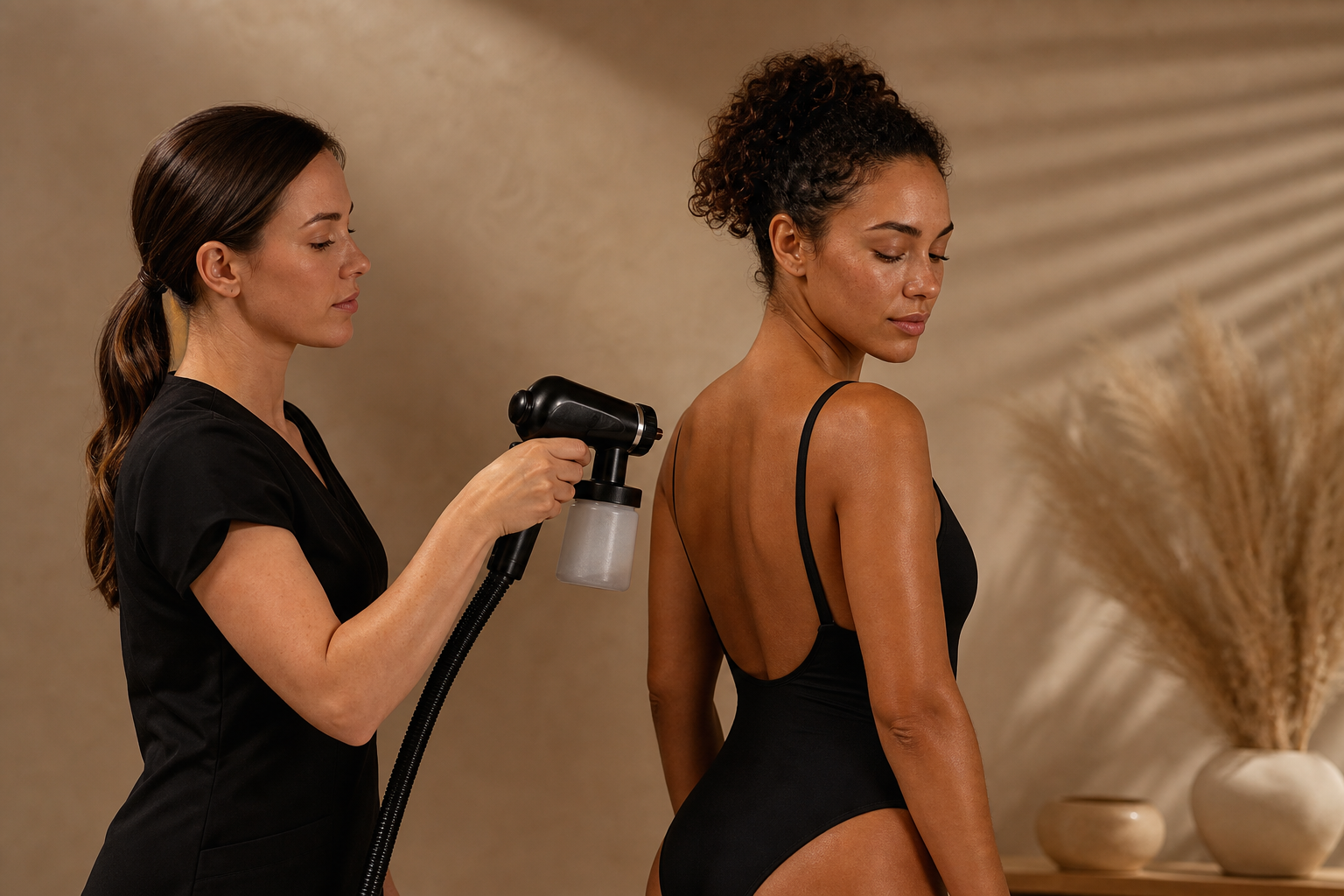
Spray tanning has become an increasingly popular method for achieving a sun-kissed glow without the risks associated with traditional sun exposure or tanning beds. The process involves applying a fine mist of specially formulated tanning solution to the skin, creating a bronzed appearance that lasts several days. While spray tanning offers a safer aesthetic alternative, it does present unique considerations for individuals with dry skin. This editorial explores the interaction between spray tanning and dry skin, detailing how dryness affects application, results, and maintenance of the tan, as well as practical advice on preparation and post-tan care for those concerned about skin hydration and appearance.
This article is geared toward anyone considering a spray tan who also deals with dry skin conditions, whether occasional dehydration or chronic dryness influenced by medical or environmental factors. Understanding how dryness impacts spray tan effectiveness and longevity can help users set realistic expectations and adopt best practices. Moreover, those with dry skin will benefit from insights about preparation techniques, product selection, and protective skincare to optimize their tan while avoiding common pitfalls like patchiness or rapid fading.
Given the rising attention toward skin health and cosmetic advancements, it is crucial to emphasize that spray tanning is a cosmetic procedure, not a treatment or permanent solution for skin conditions. Proper skincare routines, professional guidance when necessary, and knowledge about the limitations of self-tanning products are essential. This comprehensive write-up aims to be an authoritative and transparent resource that balances the cosmetic appeal of spray tanning with practical awareness of dry skin challenges, offering readers confidence and clarity in their tanning choices.
What Exactly Is Spray Tanning and How Does It Interact with Dry Skin?
Spray tanning utilizes topical formulations, commonly containing dihydroxyacetone (DHA), which chemically reacts with amino acids in the outermost layer of dead skin cells to produce a temporary bronzing effect. Importantly, this interaction occurs solely on the epidermis and does not involve ultraviolet (UV) radiation exposure. While this process is generally safe for most skin types, the condition of the skin’s surface can significantly influence the appearance and durability of the tan.
Dry skin tends to exhibit flakiness, rough texture, and occasionally cracking. Because DHA binds with the outermost dead skin cells, uneven skin shedding or accumulation of dry patches results in inconsistent absorption and coloration. This can lead to mottled or streaky results, which are often more pronounced on elbows, knees, heels, and other naturally drier areas. Furthermore, the compromised skin barrier associated with dryness may limit the uniformity and evenness of tanning solution adherence.
Understanding this relationship is vital for anyone with dry skin contemplating spray tanning, as it underscores the importance of tailored skincare protocols. Neglecting skin hydration and exfoliation can result in unsatisfactory aesthetic outcomes, while meticulous preparation can deliver a smooth, radiant finish that enhances the benefits of this cosmetic procedure.
Why Do People with Dry Skin Face Challenges When Using Spray Tan Products?
Several challenges arise when spray tanning on dry skin that warrant consideration. First, the irregular texture caused by flaking or scaling interrupts the even application of tanning solutions, resulting in patchiness or blotches. This effect is not simply a cosmetic nuisance; it reflects the physical inability of DHA-based products to uniformly interact with inconsistent skin surfaces.
Second, dry skin can heighten discomfort after tanning due to the absence of adequate moisture, leading to sensations of tightness or itching. Since some tanning solutions contain alcohol or fragrances, individuals with dry and sensitive skin may experience mild irritation or exacerbation of dryness. Consequently, selecting products formulated for sensitive or dry skin is advisable.
Another challenge involves the longevity of the tan. Because spray tans fade as the skin naturally exfoliates, dry skin tends to shed dead cells more rapidly, shortening the visible lifespan of the tan. This accelerated fading can lead to frequent reapplication requirements, increasing the cost and effort involved in maintaining a consistent glow. Moreover, the uneven shedding associated with dryness can make fading appear particularly irregular or noticeable.
How Should Dry Skin Be Properly Prepared Prior to Spray Tanning?
The key to achieving a flawless spray tan on dry skin lies in meticulous preparation. Beginning with gentle but effective exfoliation is essential. This helps to remove loose, flaky skin cells and smoothes the epidermal surface, allowing more uniform absorption of the tanning agent. It is recommended to avoid harsh scrubbing or abrasive exfoliants that can strip essential oils and exacerbate dryness.
Following exfoliation, nourishing the skin with a high-quality, non-greasy moisturizer is critical. Emollients containing ingredients such as hyaluronic acid, glycerin, or ceramides can restore hydration and reinforce the skin’s protective barrier without leaving a residue that would interfere with tanning products. Particular attention should be paid to traditionally dry areas, including the hands, feet, elbows, and knees, which are prone to absorbing excessive tan without preparation.
Timing is another important factor; moisturizing should be done well in advance of the spray tan session (ideally several hours or the night before) to ensure the skin is hydrated but dry to the touch at the time of application. Avoid applying heavy creams immediately before tanning, which can create a barrier preventing even interaction of DHA with the skin cells.
What Are the Safety Considerations and Product Limitations for Spray Tanning on Dry Skin?
Spray tanning is generally regarded as a safe cosmetic practice when performed correctly, yet those with dry skin must exercise additional caution. Individuals with skin conditions such as eczema, psoriasis, or severe dermatitis should seek medical advice prior to spray tanning, as the chemicals and drying effects of some products may aggravate these conditions. Licensed professionals can provide guidance or recommend alternative approaches compatible with sensitive or compromised skin.
It is equally important to recognize that spray tan products do not contain UV protection and should not be mistaken for sunscreen. Broad-spectrum sun protection with SPF 30 or higher remains imperative, especially for dry skin that may be more sensitive to solar damage and environmental stressors. Spray tan can enhance complexion appearance but does not confer any physiological defense against harmful ultraviolet rays.
Commercially available spray tanning solutions vary widely in formulation, with some designed specifically for dry or sensitive skin. Users should investigate ingredient lists to avoid irritants like synthetic dyes or strong fragrances and favor DHA concentrations recommended for their skin type. Avoiding unregulated or home-mixed products is prudent to minimize the risk of adverse reactions.
How Can One Maintain and Prolong a Spray Tan on Dry Skin to Avoid Premature Fading?
Post-application care significantly influences both the immediacy and lifespan of spray tanning effects. Dry skin demands diligent hydration routines to counterbalance natural moisture loss and to reduce excessive exfoliation that diminishes tan longevity. Regular application of non-oily moisturizers helps sustain the skin’s moisture balance and promotes a smoother fading process.
Bathing habits also impact tan retention. Limiting exposure to prolonged hot showers or baths prevents accelerated drying and peeling. Using mild, sulfate-free cleansers reduces stripping of the artificial pigmentation layer. Additionally, patting skin dry gently rather than vigorous rubbing can preserve the tan’s appearance.
Wearing loose, breathable fabrics minimizes friction that can abrade the skin surface prematurely. For areas prone to cracking or extra dryness, targeted moisturizing treatments or barrier creams may aid in maintaining the tan’s evenness without compromising comfort. Incorporation of these maintenance strategies can extend the visual benefits of spray tanning for those with dry skin dramatically.
Under What Conditions Should Individuals with Dry Skin Avoid Spray Tanning?
Certain scenarios render spray tanning inadvisable for people with dry or compromised skin. Active skin infections, severe eczema flares, open wounds, or significant inflammation are contraindications to cosmetic tanning procedures. Applying spray tan under these conditions risks exacerbating symptoms, delaying healing, and producing uneven results.
Moreover, individuals undergoing dermatological treatments such as chemical peels, laser procedures, or topical retinoids—which increase skin sensitivity—should pause spray tanning until fully healed. Consultation with a dermatologist or licensed skincare professional can clarify timing and suitability based on individual medical histories and skin statuses.
Some medications may also influence skin reactivity or pigmentation response; therefore, transparency with providers about current medication use can avoid unexpected reactions. Exercising prudence by respecting these conditions safeguards skin health and ensures aesthetically pleasing outcomes.
Frequently Asked Questions Concerning Spray Tan and Dry Skin
Does spray tan dry out the skin further? Spray tan formulas can contain alcohol or drying agents; without proper skin hydration before and after the procedure, dryness may worsen. Consistent moisturizing mitigates this effect.
Can dry skin cause uneven fading of spray tan? Yes. Since spray tanning color resides in the stratum corneum—the dead skin layer—areas where dryness accelerates flaking may fade faster or appear patchy.
Is spray tanning safe for sensitive and dry skin? Generally, yes, when using appropriate products and protocols. However, consulting with a skincare expert is recommended to ensure compatibility with individual skin conditions.
Will spray tan mask dry skin imperfections? It provides a cosmetic bronzing effect but does not treat or permanently conceal dryness or texture irregularities.
How often can I spray tan if I have dry skin? Frequency should be balanced with skin recovery time and maintenance of hydration to prevent exacerbation of dryness and ensure consistent results.


