Stepping into your first spray tan appointment can feel both exciting and a bit daunting, especially if you're new to the world of sunless tanning. Spray tanning offers a modern and healthy alternative to traditional sunbathing or tanning beds, allowing individuals seeking a golden, sun-kissed glow without exposure to harmful UV rays to achieve their desired look safely. But what exactly happens during this inaugural session? Who benefits most from this service, and why is understanding the process important for maximizing your results? This comprehensive editorial will answer these questions and more, providing an in-depth look at what to expect, how to prepare, and practical guidance for maintaining your spray tan.
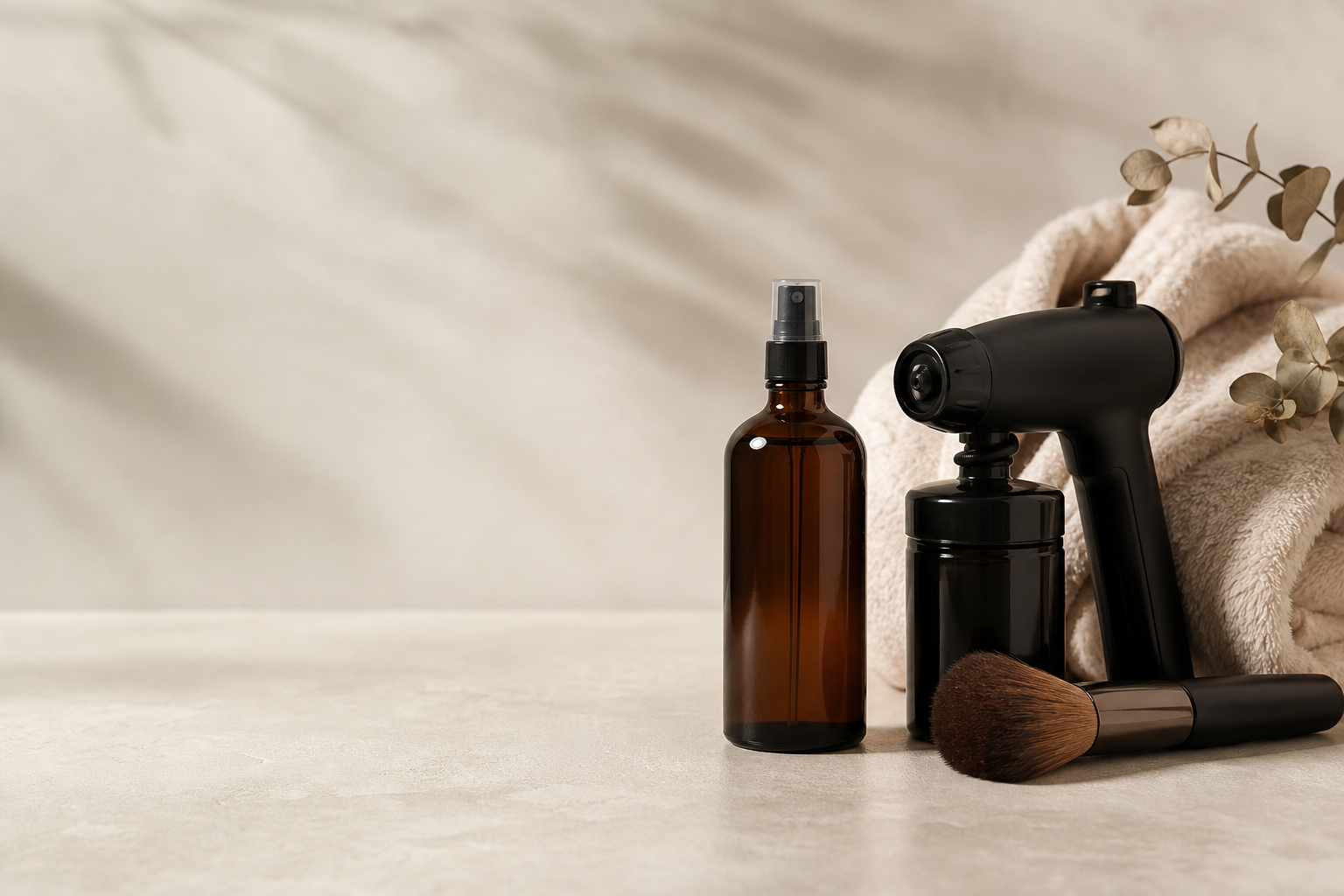
Spray tanning involves the application of a specially formulated solution containing dihydroxyacetone (DHA), which reacts chemically with the skin’s surface to produce a temporary bronzed effect. Perfect for those sensitive to the risks of UV exposure, or anyone looking to enhance their complexion with a natural-looking tan for a special occasion or everyday confidence, spray tanning is a convenient and effective option. Understanding the protocol of your first appointment can help enable an even, lasting color while avoiding common pitfalls.
In this article, we explore every facet of your first spray tan appointment — from initial consultation to post-tan care — grounding our discussion in factual, practical advice without medical guarantees. Additionally, we emphasize the need for continued sun protection after tanning sessions, highlighting that spray tans do not provide any UV defense, thus recommending broad-spectrum SPF 30+ for safe skin health.
What Is the First Spray Tan Appointment Like: Process and Initial Consultation
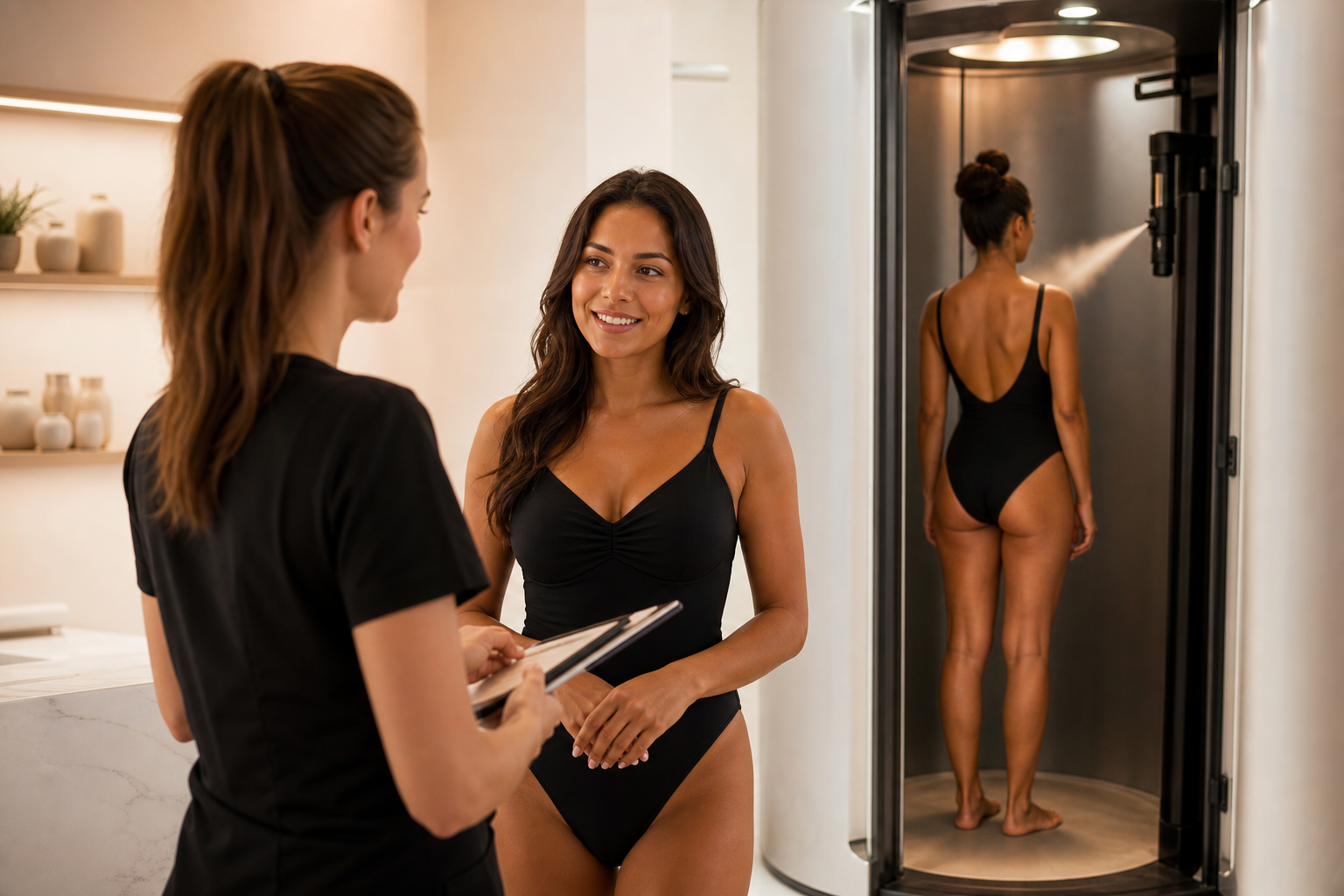
Your initial spray tan appointment generally begins with a brief consultation with the tanning professional. This introductory discussion is crucial because it allows the technician to assess your skin type, discuss your tanning goals, and determine the most suitable color shade and formula. You may be asked about any allergies, sensitivities, or special skin conditions, ensuring that the product used will be compatible with your skin and personal health.
During this conversation, the technician will guide you on how to prepare your skin beforehand and what to avoid post-treatment to ensure even color development. This personalized approach helps create results that look natural and harmonize with your skin's undertones.
Once consultation concludes, the preparation phase often involves cleansing the skin thoroughly to remove any lotions, deodorants, perfumes, or makeup that might act as barriers to the tanning solution. For optimal color absorption, dried, exfoliated skin free of natural oils or residues is ideal. Depending on the salon, you will be provided with protective gear such as disposable slippers, underwear, or a hair cap to avoid staining clothing and hair during application.
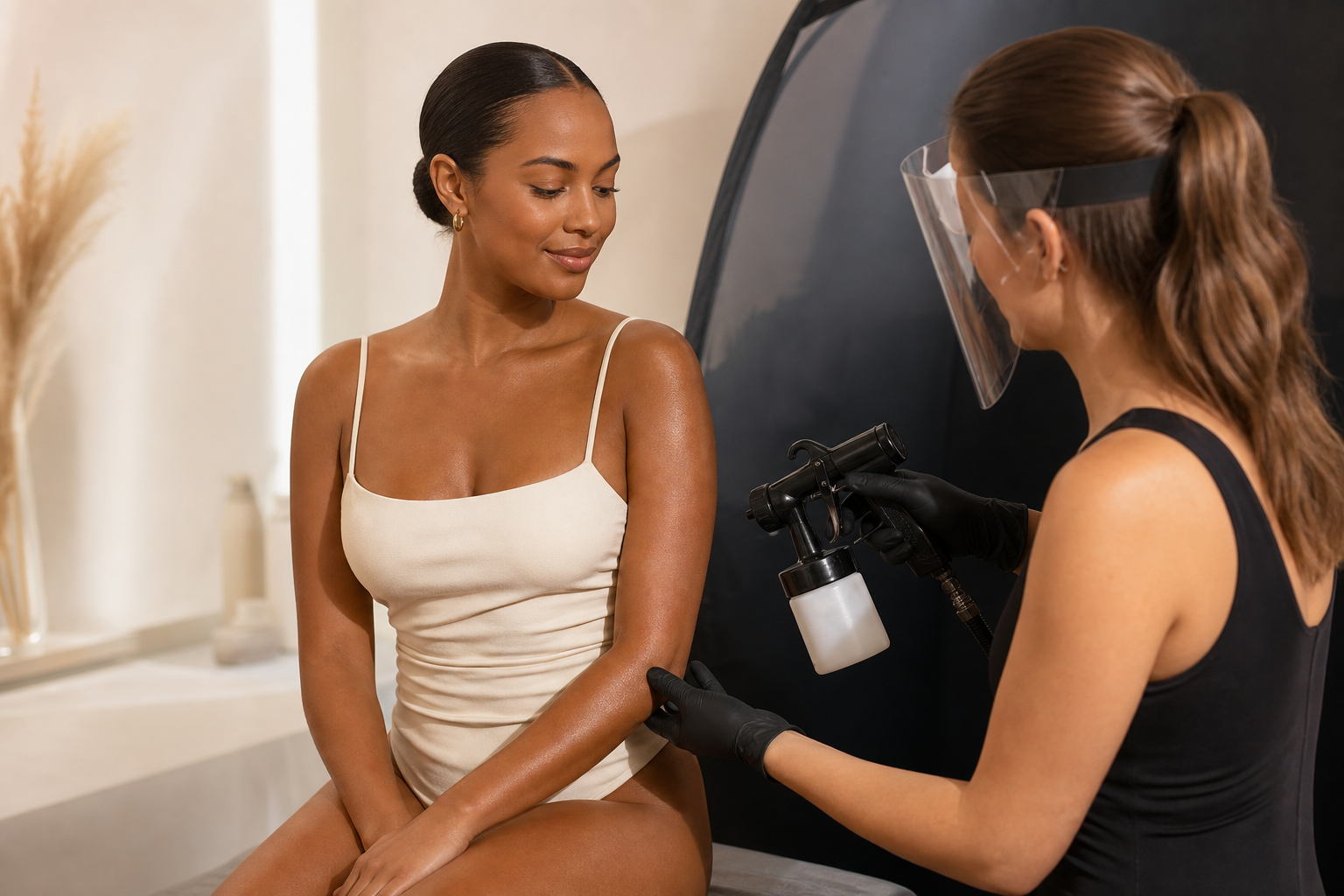
The technician then uses a calibrated spray gun or automated booth to apply a fine mist of tanning solution evenly across your body, including often missed areas such as the neck, hands, and feet. Multiple postures will be guided to ensure comprehensive coverage. The entire application process typically lasts from 15 to 30 minutes, depending on coverage area and desired depth of tan.
How to Properly Prepare for Your First Spray Tan to Get the Best Results
Preparation is the foundation of a successful first spray tan. Exfoliating the skin a day or two prior using a gentle scrub removes dead skin cells that can cause patchiness. Avoid harsh exfoliants or aggressive scrubs to prevent skin irritation. Additionally, any hair removal such as shaving or waxing should be completed at least 12 to 24 hours beforehand. Performing these activities immediately prior to your appointment may compromise the spray tan's absorption and longevity.
On the day of the appointment, refrain from applying moisturizers, deodorants, perfumes, or makeup, as these substances can interfere with even tanning and leave blotchy areas. Wearing loose, dark-colored clothing to your session and for several hours afterward will minimize the risk of staining and abrasion to the fresh tan.
Avoid biting or picking at the skin, and minimize contact with water and sweat in the hours immediately following your session. These precautionary steps encourage uniform color development, resulting in a natural and glowing sunless tan.
Understanding the Technical Aspects of Spray Tan Application and Duration
During the treatment, the active tanning ingredient, DHA, interacts chemically with the amino acids in the dead skin's outermost layer, producing melanoidin pigments that imitate a natural tan. It is significant to realize that this process does not involve pigment implantation; rather, it is a temporary surface coloration.
The drying phase is critical. Once the solution is applied, it takes several minutes for the skin to dry before you can dress. It is essential to avoid water, perspiration, or friction for at least 6 to 8 hours to allow the color to fully develop and stabilize. This waiting period influences the intensity and longevity of the tan.
Some salons offer various formulations tailored to different preferences, whether a lighter bronze or deeper mahogany tone, often influenced by the DHA concentration. Selecting the appropriate shade is part of the professional's role in guiding you, ensuring the end result complements your natural skin color.
What to Expect Immediately After Your First Spray Tan Treatment
Immediately following your appointment, your skin will display a temporary orange cast typical of DHA exposure. However, this initial color often will deepen and even out within the next 6 to 12 hours. Many individuals notice the gradual development of a richer tan tone during this time frame.
Minor inconsistencies or streaking can occur if the skin was insufficiently exfoliated or if the tanning solution was applied unevenly. Such imperfections often fade over the next few days with regular gentle cleansing and moisturizing. Professional technicians can sometimes perform touch-ups if necessary.
During this crucial period, avoid showering, sweating, or applying lotions, as premature moisture contact can disrupt color progression. It's advisable to plan your appointment accordingly, ideally in the evening, to allow for uninterrupted tanning development overnight.
Longevity of Your Spray Tan and How to Maintain Its Appearance
A typical spray tan will last anywhere from 5 to 10 days, depending on your skin type, hydration levels, and post-care practices. Because the color resides only in the dead skin cells, gradual exfoliation and natural skin renewal will cause fading. To extend your tan’s life, maintain a regular moisturizing routine using hydrating lotions free from oils that could dissolve DHA pigments prematurely.
Avoid saunas, long hot showers, and abrasive scrubs, as these accelerate the removal of the pigmented skin layer. When showering, opt for lukewarm water and gentle cleansers to preserve the glow longer.
For those seeking ongoing color, scheduling periodic spray tan sessions every one to two weeks can sustain your desired shade without overexposing your skin to UV radiation, unlike traditional tanning methods.
Addressing Common Concerns and Questions About Your First Spray Tan
One question often asked is whether spray tanning is simply a fancy term for self-tanning. While both use DHA-based products, spray tanning is professionally administered with specialized equipment, ensuring more uniform coverage and color precision compared to at-home applications.
Questions also arise regarding the risks of unevenness or blotchiness. Proper preparation and using an experienced technician significantly minimize these risks. Occasional touch-ups or slight adjustments with gradual tanning lotions can remedy minor imperfections.
Safety is another concern, particularly the potential for allergic reactions or skin sensitivity. Most spray tan solutions are hypoallergenic, but clients with highly sensitive skin should consider patch testing or consulting a dermatologist before their first session.