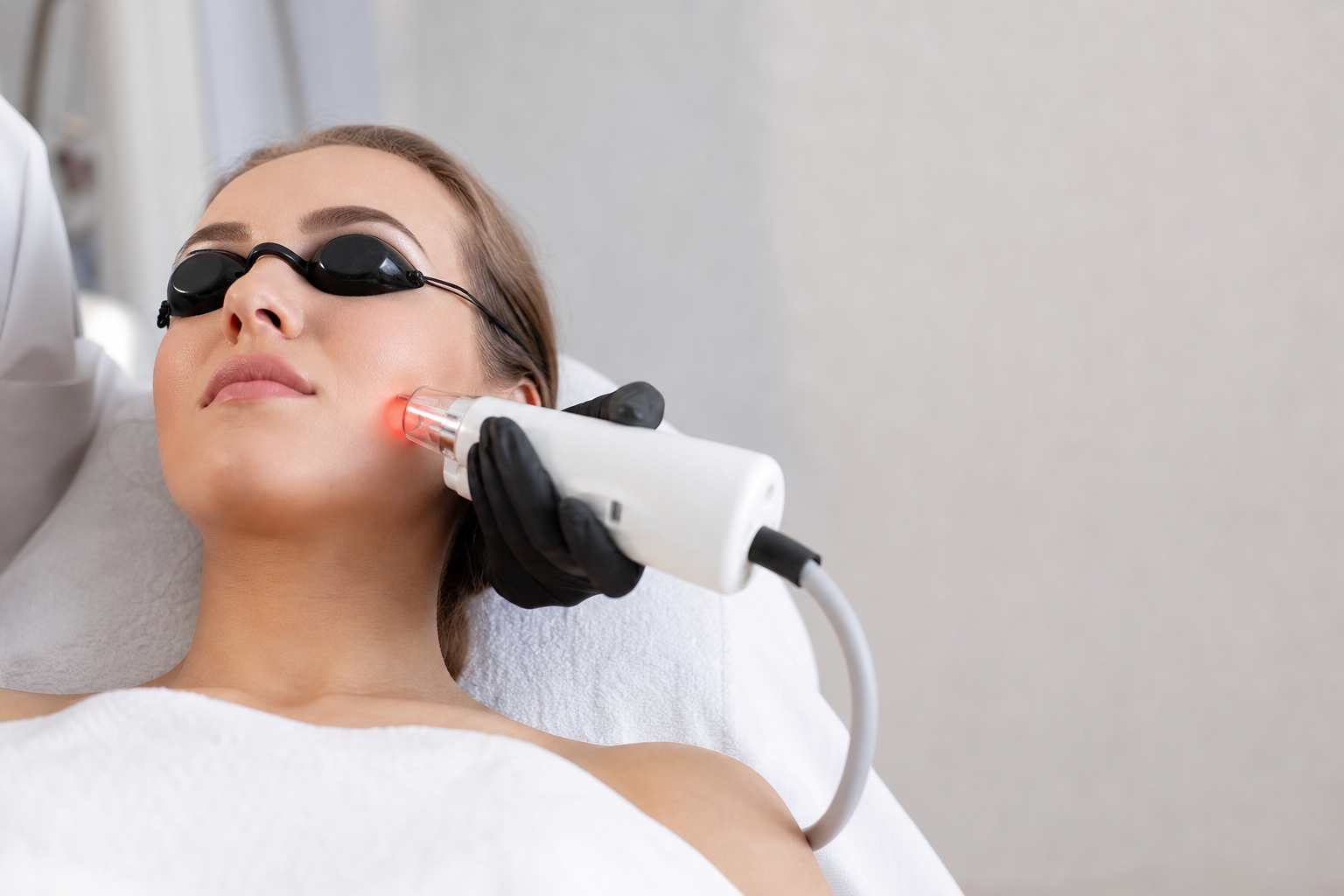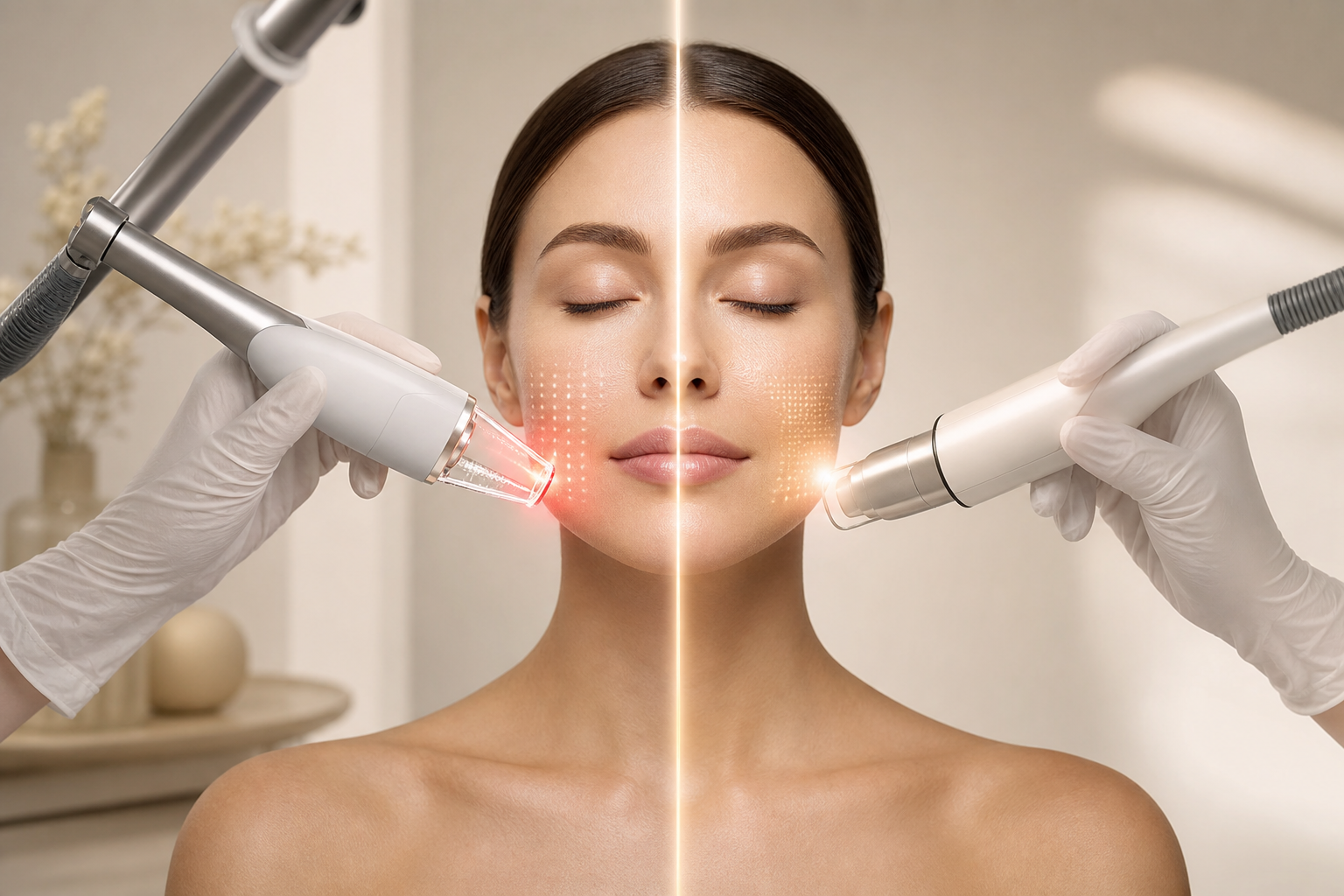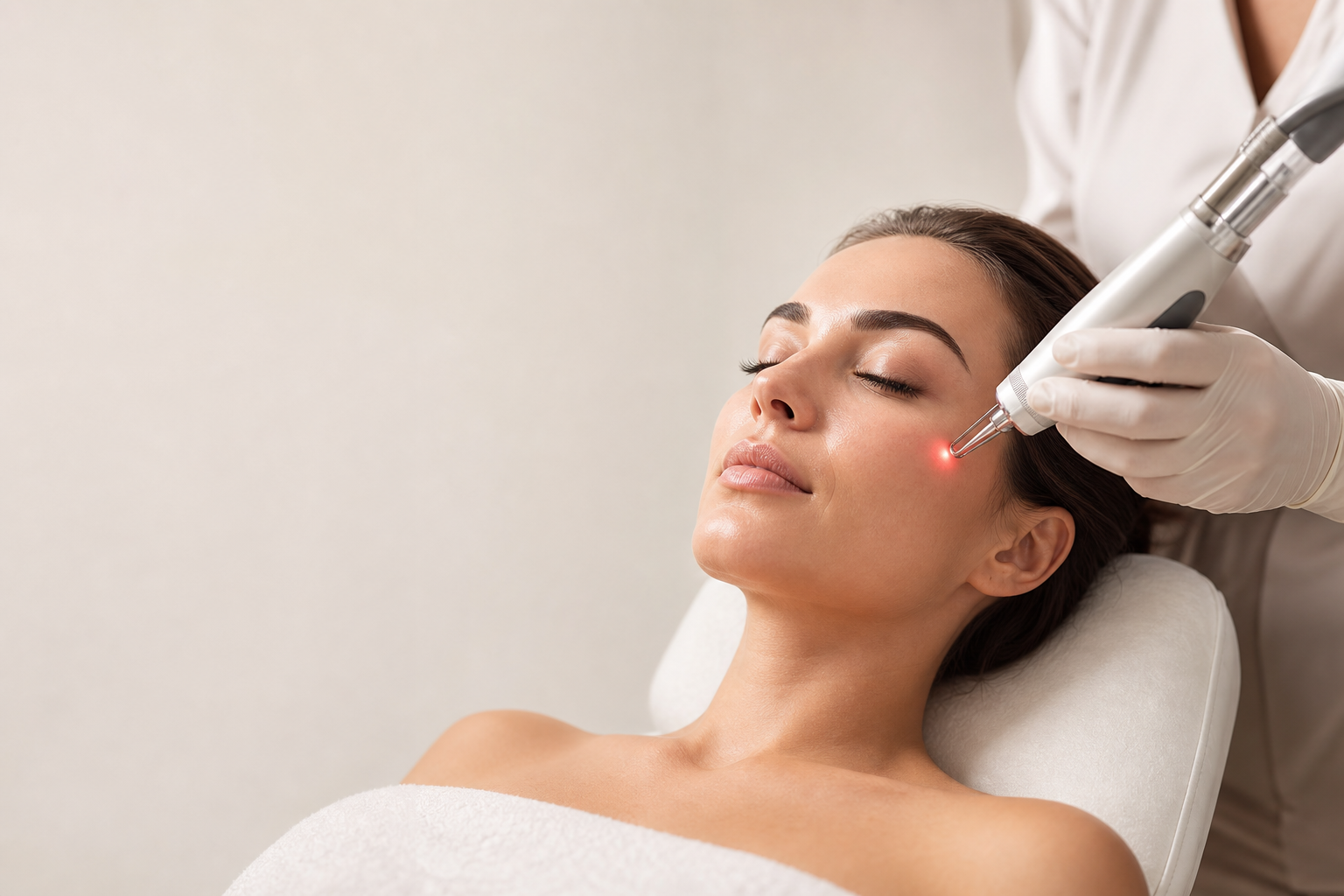
Laser skin rejuvenation has emerged as a pivotal innovation in modern skincare, offering a transformative approach that goes beyond traditional topical treatments. This advanced technique harnesses the precision and power of laser technology to stimulate the skin’s intrinsic regenerative processes, aiming to restore a youthful radiance and improve overall skin health. Particularly appealing to individuals seeking to rejuvenate their complexion without invasive surgery or prolonged downtime, laser skin rejuvenation addresses a broad spectrum of concerns including wrinkles, uneven texture, pigmentation irregularities, and loss of skin firmness.
Understanding laser skin rejuvenation is essential for anyone considering treatments that promise enhanced texture, tone, and appearance. This article offers an in-depth exploration of how laser treatments work, the types available, the benefits they confer, and what patients can realistically expect. With the increasing demand for effective anti-aging facial treatments that combine efficacy with minimal recovery, laser technology stands at the forefront of aesthetic dermatology.
Who stands to benefit the most from laser skin rejuvenation? Individuals experiencing signifiers of skin aging—such as fine lines, deeper wrinkles, and uneven pigmentation—find laser treatments particularly compelling. Moreover, those with acne scars or sun damage may also see significant improvement. Laser therapy provides a method of skin renewal that can be precisely tailored, taking into account individual skin types, sensitivities, and specific concerns, thereby ensuring safety and maximizing results.
What Is Laser Skin Rejuvenation and How Does It Work?
At its core, laser skin rejuvenation utilizes concentrated beams of light to initiate controlled damage in targeted areas of the skin. This controlled injury activates the body's natural wound-healing response, leading to increased production of collagen, elastin, and hyaluronic acid—key components that maintain skin’s elasticity, firmness, and hydration.
Two primary laser categories are employed in skin rejuvenation: ablative and non-ablative lasers. Ablative lasers, such as the CO₂ and Er:YAG lasers, remove thin outer layers of damaged skin, encouraging a regeneration of fresh, healthy skin beneath. This process is particularly effective for deeper wrinkles, significant texture issues, and noticeable scars but often involves longer recovery.
In contrast, non-ablative lasers penetrate the skin without removing layers, heating the underlying tissue to stimulate collagen formation while preserving the surface. This approach results in less downtime and is well-suited for mild to moderate skin concerns, including pigment irregularities and initial signs of aging.
Advancements in fractional laser technology—where the laser targets microscopic columns in the skin, leaving surrounding tissue intact—have revolutionized treatment efficacy and safety. Fractional treatments blend the benefits of ablative and non-ablative lasers, inducing substantial collagen remodeling with more rapid healing and reduced side effects.
Who Should Consider Laser Skin Rejuvenation? Identifying Ideal Candidates
Laser skin rejuvenation is versatile but not universally suitable. The best candidates typically are individuals with light to medium skin tones, lacking active skin infections or certain chronic skin conditions such as psoriasis or eczema. Treatments must be customized for darker skin tones to minimize risks of pigmentary changes, though newer laser technologies have expanded safe options across diverse populations.
People grappling with early to advanced signs of aging—fine lines, wrinkles, sagging skin, and sun spots—often find laser therapy a compelling alternative to more invasive surgical procedures. It also appeals to younger individuals interested in preventative care or improving minor imperfections like acne scars or uneven texture.
Consultation with a qualified dermatologist or skincare professional remains critical to evaluate skin type, medical history, and aesthetic goals. This personalized assessment ensures that expectations align with achievable outcomes and that any contraindications are accounted for.
Key Benefits of Laser Skin Rejuvenation
Laser treatments offer a multitude of benefits that extend beyond mere cosmetic enhancement. One significant advantage is the stimulation of collagen synthesis, which is foundational for restoring skin’s structural integrity and elasticity. This leads to smoother, firmer skin and a reduction in the visibility of wrinkles and fine lines.
Additionally, lasers can address pigmentation irregularities such as age spots, sun damage, and melasma by breaking down excess melanin deposits. The treatment also promotes skin tone uniformity, imparting a brighter, more luminous complexion.
Beyond aesthetic improvements, laser skin rejuvenation fosters healthier skin by promoting cellular turnover and improving circulation. These physiological effects can enhance overall skin vitality and resilience, contributing to a sustained youthful appearance.
Compared with surgical options, laser treatments typically feature lower risk, minimal invasiveness, and shorter recovery periods, making them accessible to a wide range of patients seeking effective outcomes with convenience.
Different Laser Technologies and Their Specific Applications
Understanding the distinctions between commonly used lasers is crucial for selecting the right treatment modality. The fractional CO₂ laser is perhaps the most recognized ablative laser, prized for its ability to deeply resurface the skin. It creates microscopic zones of thermal injury, prompting intense remodeling of collagen and elastin networks. This laser excels in reducing deep wrinkles, scars, and severe sun damage but is accompanied by a longer healing interval.
The Er:YAG laser offers a gentler form of ablative treatment, vaporizing the skin’s outer layers with precision and less thermal spread. Its quicker recovery makes it attractive for patients seeking rejuvenation with reduced downtime, though it is often more suitable for superficial to moderate wrinkles and texture irregularities.
On the non-ablative front, fractional lasers such as the Nd:YAG and other diode lasers target deeper tissues without disrupting the epidermis. They provide improvements in skin tightening, pore size reduction, and mild pigmentation issues with minimal discomfort and rapid return to normal activity.
Emerging laser modalities and hybrid technologies further enhance treatment customization, enabling clinicians to combine different wavelengths and energy settings tailored to individual skin conditions.
How to Prepare for Laser Skin Rejuvenation Treatments
Preparation is a fundamental component of successful laser therapy. Patients are typically advised to avoid excessive sun exposure, tanning beds, and certain medications or skincare products that increase photosensitivity in the weeks leading up to treatment. Additionally, managing expectations through thorough discussion with the treating physician ensures clarity about results, risks, and necessary aftercare.
For some laser types, pre-treatment skin conditioning with topical agents can enhance outcomes and reduce irritation. It is also paramount to disclose any history of cold sores or other skin infections, as antiviral prophylaxis may be needed.
Smoking cessation and hydration are encouraged to support optimal healing and maximize treatment benefits.
What to Expect During and After Laser Rejuvenation Sessions
During the procedure, patients often feel a warming sensation or mild discomfort resembling a rubber band snap against the skin. Topical anesthetics or cooling devices are commonly applied to enhance comfort.
Post-treatment experiences vary based on laser type and intensity. Ablative lasers may cause redness, swelling, and peeling akin to a moderate sunburn that can last several days to weeks. Non-ablative treatments generally entail mild redness and minimal swelling with a rapid recovery.
Proper aftercare—including gentle cleansing, moisturization, sun protection, and avoidance of irritants—is essential to support healing and prevent complications. Multiple sessions spaced weeks apart are often recommended to achieve optimal results.
Gradual improvement unfolds over weeks to months as new collagen forms and skin texture improves. Patients can expect a natural, refreshed look rather than abrupt changes, contributing to a subtle yet impactful rejuvenation.
Comparing Laser Rejuvenation with Other Anti-Aging Facial Treatments
In the landscape of anti-aging solutions, laser skin rejuvenation occupies a distinctive position. Compared to chemical peels for skin rejuvenation, lasers offer greater depth control and precision, enabling treatment of both surface and deeper layers with tailored energy delivery. Chemical peels primarily address superficial concerns and may require repeated applications.
Microneedling and collagen stimulation therapies stimulate similar regenerative pathways but differ in mechanism and intensity. Microneedling uses micro-injuries to induce collagen, while laser therapies can target specific chromophores or layers within the skin.
Radiofrequency treatments and skin tightening techniques provide non-laser alternatives that focus on heat-induced collagen remodeling. While often less invasive with no skin removal, they might be less effective for pigmentation or significant textural issues.
High-intensity focused ultrasound (HIFU) and ultrasound skin tightening similarly promote collagen remodeling through deeper tissue stimulation but do not address surface irregularities as directly as lasers.
Integrating laser treatments within a comprehensive anti-aging regimen can enhance outcomes and target multiple layers and aspects of skin aging.
Addressing Common Questions and Concerns About Laser Skin Rejuvenation
Patients frequently inquire about the safety, pain level, and longevity of laser skin rejuvenation. When performed by skilled professionals, laser treatments are considered safe with a low risk of adverse effects. Pain management strategies and technological advances have improved patient comfort significantly.
The durability of results varies but typically lasts several months to years, depending on lifestyle, skin care, and aging progression. Maintenance sessions can help prolong benefits.
Concerns about pigmentation changes or scarring highlight the necessity for proper patient evaluation and adherence to post-treatment protocols. Individuals with certain medical conditions or who are pregnant may need to defer treatment.