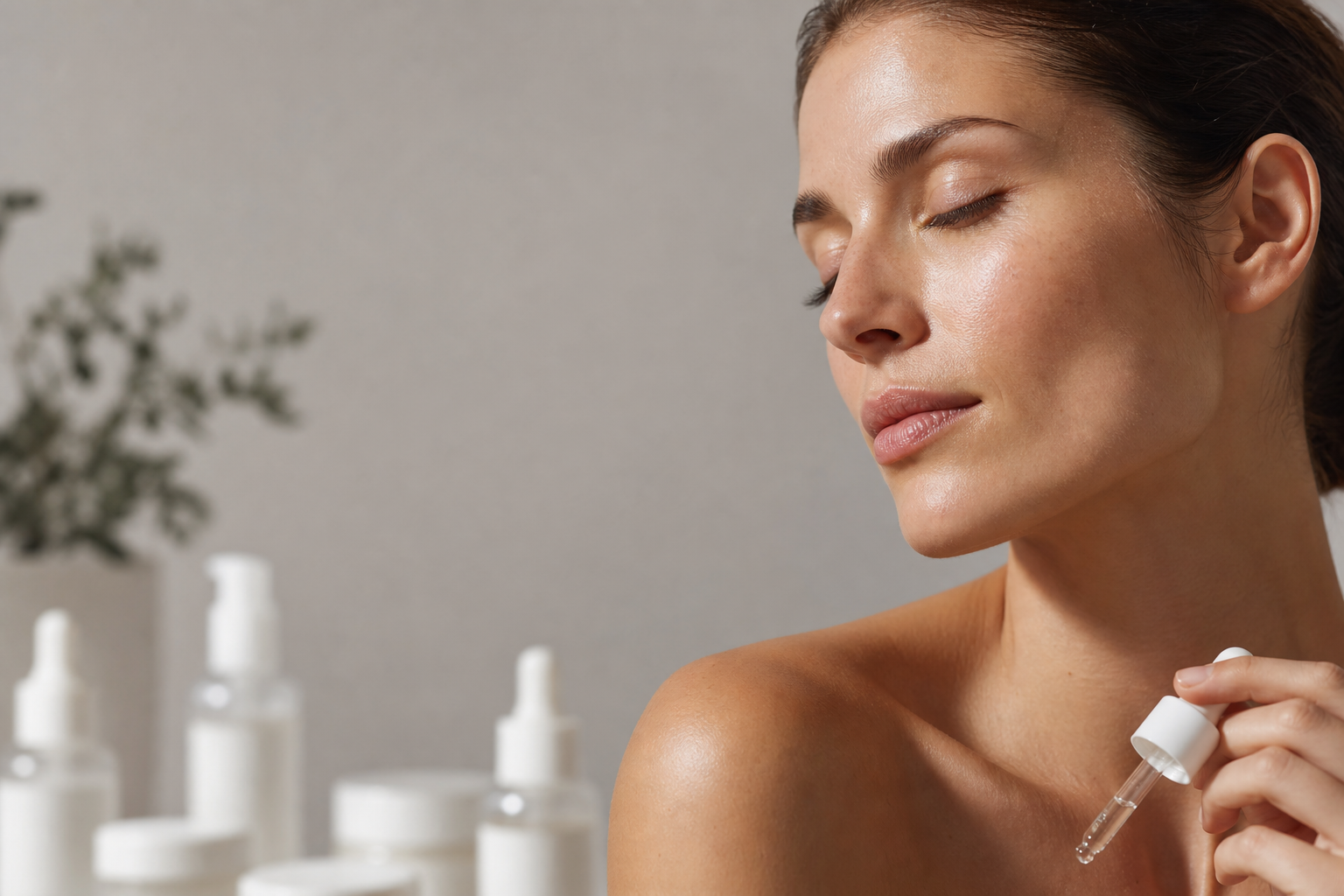
In the complex landscape of skin care, the term "non-comedogenic" frequently emerges as a beacon of hope for those grappling with acne or prone to clogged pores. This designation promises products formulated to minimize the risk of pore blockage, a precursor to common acne blemishes like blackheads and whiteheads. But is "non-comedogenic" truly a foolproof guarantee against acne? For individuals navigating daily skincare routines, especially those invested in anti-aging facial treatments, understanding the nuances behind this term is crucial. It shapes expectations, informs choices, and helps manage the delicate balance of skin health.
This article offers a detailed exploration of what "non-comedogenic" means within dermatology and cosmetic formulation, illustrating who benefits most from such products and under what circumstances. With acne treatments playing a vital role in controlling inflammation and enhancing skin texture, integrating non-comedogenic products can seem a logical step. Yet, the promise they hold is nuanced, particularly when anti-age facial care—which often involves potent active ingredients—is involved.
Whether you are someone prone to acne, seeking to prevent pore congestion, or exploring anti-aging options that respect the skin's complex needs, grasping the indications, limits, and safety aspects of non-comedogenic products is indispensable. The following sections delve into these facets, addressing how to interpret this label practically, understand its testing limitations, and know when expert advice is warranted.
What Does "Non-Comedogenic" Mean in Skin Care?
The term "non-comedogenic" originates from dermatological science and refers specifically to ingredients or products designed not to cause comedones—these are closed or open skin pores, blocked by excessive sebum, dead skin cells, or other substances, which initiate acne development. Comedones are the foundational lesion in acne pathology, manifesting as blackheads or whiteheads.
Manufacturers label products as non-comedogenic to suggest that, under ideal test conditions, these formulations avoid pore blockage and do not provoke new acne lesions. Nonetheless, the degree of non-comedogenicity can vary, and the label itself is subject to interpretation since there is no universal regulatory standard mandating proof. Simply put, "non-comedogenic" implies a lower risk but stops short of assuring complete safety across every skin type.
Consumers should recognize that non-comedogenic labeling relates to product formulation characteristics and not to efficacy as an acne treatment. It signifies a product's potential compatibility with acne-prone or oily skin by minimizing occlusive or pore-clogging ingredients but is not a dermatological treatment by itself.
Who Benefits from Non-Comedogenic Products?
Non-comedogenic products primarily cater to individuals with oily, acne-prone, or combination skin types. Such skin tends to produce excess sebum, making it more susceptible to pore congestion and inflammatory acne lesions. Using non-comedogenic products can help reduce the accumulation of pore-clogging substances, thereby limiting new breakouts and promoting clearer skin.
They are particularly relevant for users engaging in anti-aging facial routines. As the skin ages, its texture and hydration needs evolve—often resulting in a complex combination of dryness, sensitivity, and occasional oiliness. Incorporating non-comedogenic products ensures that the skin receives adequate moisture and active ingredients without exacerbating pore blockage or inflammation.
Conversely, individuals with dry skin and no history of acne may not require strict non-comedogenic formulations. Such users might favor richer, emollient formulations tailored to hydration and skin barrier repair rather than pore-clearance. Nonetheless, understanding ingredient profiles remains important regardless of skin type to avoid unintended reactions or imbalances.
Benefits of Incorporating Non-Comedogenic Products in Anti-Aging Treatments
Anti-aging facial treatments often involve active compounds like retinoids, alpha hydroxy acids, or peptides, intended to stimulate collagen production, improve elasticity, and refine skin texture. However, these ingredients can sometimes trigger skin irritation, dryness, or sensitivity, potentially leading to secondary issues such as clogged pores or acneiform eruptions if not paired with compatible skincare.
Non-comedogenic products provide a supportive environment by delivering hydration and soothing properties without introducing heavy, pore-blocking elements. This balance aids in maintaining a healthy skin barrier during aggressive anti-aging regimens, reducing the likelihood of inflammatory reactions or breakout flare-ups triggered by treatment-induced stress.
Moreover, using non-comedogenic moisturizers and sunscreens protects the skin while allowing it to breathe, crucial during procedures aimed at skin renewal. By preventing additional occlusion, these products promote more consistent and satisfying anti-aging results, underscoring their value as integral components of a thoughtful skincare protocol.
How Is Non-Comedogenicity Tested and How Reliable Is It?
Testing a product’s non-comedogenicity involves applying it to the skin and monitoring the formation of comedones over time. Commonly, assessments are conducted on animal models, human volunteers, or through in vitro assays that evaluate pore blockage potential. However, testing methodologies vary widely across manufacturers, and there is no centralized standard that all must adhere to.
This results in differing levels of scientific rigor and reproducibility. More so, individual skin responses are heterogeneous; what is non-comedogenic for one person may provoke a reaction in another due to unique skin physiology, hormonal influences, or environmental factors. Therefore, even clinically tested formulations cannot promise universal immunity from acne flare-ups.
Consequently, non-comedogenic claims should be viewed as guiding general formulation intent rather than absolute assurance of efficacy or safety for everyone. Consumers benefit from patch testing new products, observing personal skin reactions over time, and consulting with dermatologists when necessary.
Does "Non-Comedogenic" Guarantee the Absence of Acne Breakouts?
It is essential to clarify that while non-comedogenic products reduce the risk of pore blockage, they do not absolutely prevent acne. Acne pathogenesis is multifactorial, involving genetic predispositions, hormonal fluctuations, bacterial colonization (notably by Cutibacterium acnes), inflammation, and lifestyle elements such as diet, stress, and hygiene.
Even a meticulously formulated product free of pore-clogging ingredients may not control or eliminate acne caused or perpetuated by internal or systemic contributors. Therefore, non-comedogenicity addresses one piece of the acne puzzle—topical pore occlusion—but not other causative factors.
Individuals dealing with persistent or moderate-to-severe acne should consult skincare professionals. Treatment plans may include prescription medications and tailored regimens that address the various acne drivers uniquely and comprehensively.
Common Pitfalls in Using Non-Comedogenic Products
Relying solely on the non-comedogenic label without a holistic skincare approach can lead to suboptimal or even adverse outcomes. One mistake is overuse or excessive layering of products, whereby even non-comedogenic formulations can become overwhelming for the skin, impeding natural exfoliation and encouraging congestion.
Another error involves neglecting other vital aspects of skin health, such as gentle cleansing, balanced hydration, sun protection, and avoiding irritants. Non-comedogenic products do not replace good skincare habits; instead, they complement them.
Additionally, mixing incompatible skincare actives—each with individual non-comedogenic claims—can sometimes trigger irritation or blockage through chemical interactions. Hence, thoughtful product selection and sequencing in consultation with a specialist are recommended.
When Should One Seek Professional Consultation Regarding Non-Comedogenic Products?
If the use of non-comedogenic products does not yield improvement in acne or if irritation and breakouts persist or worsen, seeking a dermatologist's insight becomes indispensable. This is particularly pertinent when acne is severe, chronic, or accompanied by scarring, as these conditions warrant specialized intervention.
Professionals can perform comprehensive skin assessments, identify triggers, and advise on appropriate topical or systemic therapies. For individuals engaged in anti-aging treatments, expert guidance ensures that rejuvenation efforts align with skin tolerance and health, mitigating risks of adverse reactions.
Furthermore, tailored advice can help avoid common myths and misconceptions about acne and skin care, enhancing treatment adherence and long-term skin wellness. Among such myths are the erroneous links between poor hygiene and acne, or misguided remedies like using toothpaste on pimples—topics elaborately discussed in related expert literature.


