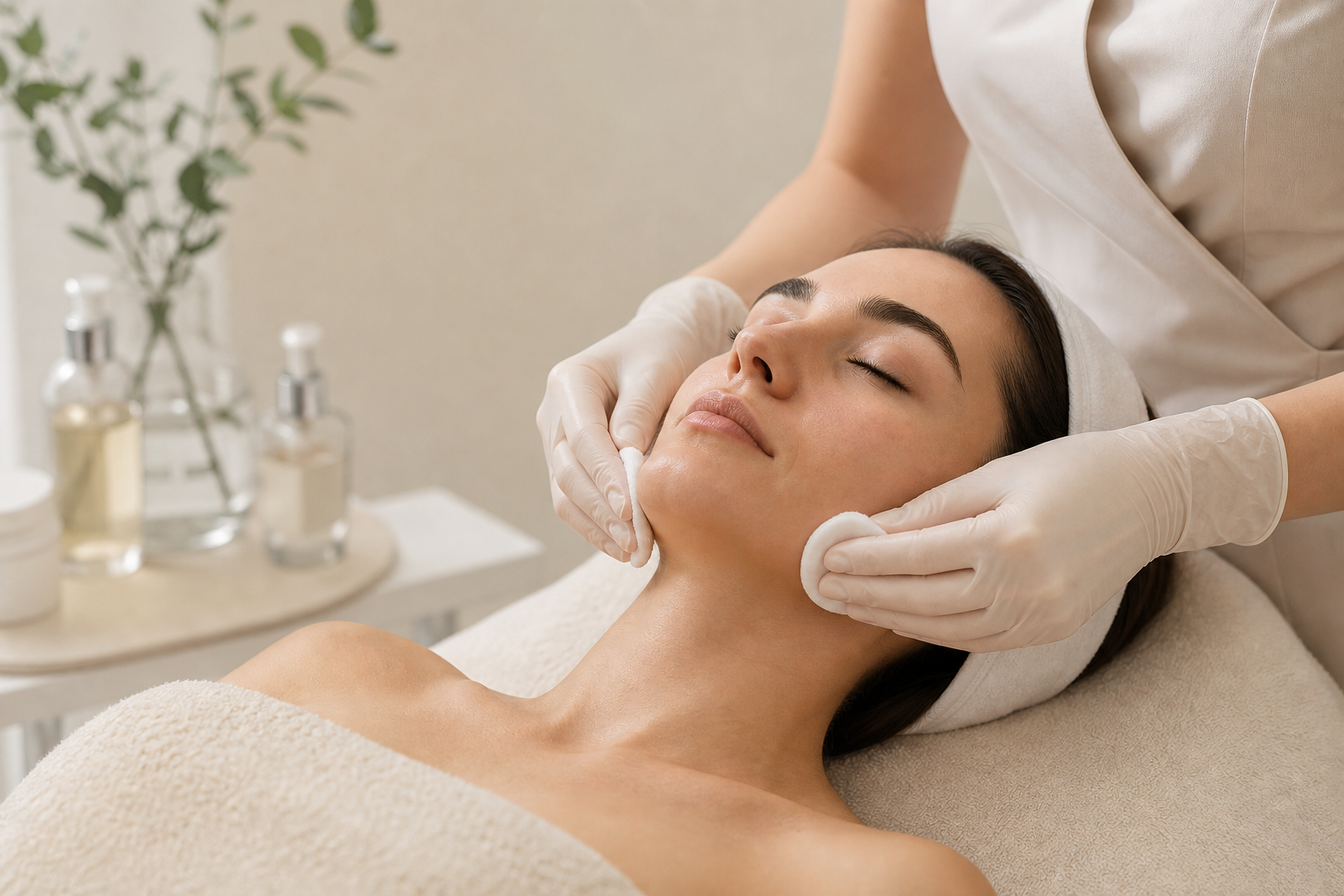
Manual facial cleansing is a specialized cosmetic treatment aimed at deeply purifying the skin by removing blackheads, excess sebum, and impurities that ordinary at-home cleansing often cannot tackle effectively. This procedure is especially relevant for individuals dealing with oily, acne-prone, or congested skin who struggle to maintain a clear and radiant complexion. Conducted by experienced cosmetologists under controlled conditions, manual cleansing offers a targeted approach to detoxifying pores, refreshing the skin’s texture, and preventing potential flare-ups associated with clogged pores. In more complex cases, dermatological oversight ensures the treatment is safely adapted to sensitive or problematic skin.
Understanding what manual facial cleansing entails is essential for anyone considering this treatment as part of their skincare regimen. Not only does it address the fundamental need to deeply cleanse the skin beyond surface-level washing, but it also represents a step toward healthier skin maintenance. This editorial explores the nuances of manual facial cleansing — detailing who it is suited for, how it is performed, the benefits it offers, and what one should realistically expect from the procedure.
By delving into the intricacies of manual facial cleansing, readers will gain clarity on how this traditional yet highly effective method stands apart from other beauty treatments and why it remains a preferred option for those seeking a profound skin refresh without invasive measures. As skin health becomes a growing priority for many, understanding manual cleansing is pivotal in making informed decisions that contribute to lasting skin vitality.
What exactly is manual facial cleansing, and how does it differ from other facial treatments?
Manual facial cleansing is essentially a hands-on cosmetic procedure focused on extracting deep-seated impurities within the skin's pores such as blackheads (open comedones), whiteheads (closed comedones), and accumulated sebum. Unlike mechanical or laser treatments, which may rely on technology like ultrasonic waves or light therapy, manual cleansing depends primarily on the skilled use of fingers and specialized tools performed by a trained cosmetologist.
The process begins with thorough surface cleansing to remove makeup, dirt, and oils, followed by the application of warm steam or warm compress to open the pores. This softens the hardened sebum and prepares the skin for safe extraction. Next, the cosmetician manually applies gentle pressure using gloved fingers or sterilized instruments to expel blockages from the pores carefully and methodically.
Following extraction, soothing tonics and hydrating masks are applied to close the pores and calm the skin, reducing redness and inflammation. The absence of harsh chemicals or invasive devices makes this method a gentle yet effective solution for cleansing the skin.
In contrast, at-home cleansing routines typically focus on surface cleaning with cleansers and exfoliants that may not reach deep into the pores. Meanwhile, dermatological treatments might involve prescription medications or more aggressive procedures to tackle severe skin conditions such as cystic acne or hyperpigmentation. Manual cleansing fills an important niche offering deeper cleaning without medical intervention or sophisticated apparatus.
Who benefits most from manual facial cleansing?
Manual facial cleansing is most beneficial for people experiencing oily skin types, frequent blackheads, enlarged pores, and mild to moderate acne — conditions often marked by excess sebum production and clogged pores. Individuals who have struggled with dull-looking, congested skin can find that manual extraction helps rejuvenate their complexion by clearing trapped impurities.
Younger people encountering adolescent skin issues like comedonal acne may use manual facial cleansing as part of a broader acne management routine, alongside daily skincare and dermatologist guidance. Adults with adult acne or those aiming to maintain clear and balanced skin also find it useful as an intermittent deep cleansing treatment to refresh their skin’s surface and texture.
However, this treatment may not be suitable for everyone. Persons with dry, sensitive, or rosacea-prone skin should approach manual cleansing cautiously and consult a dermatologist beforehand. Manual extraction can exacerbate inflammation or cause skin damage if applied incorrectly on fragile or severely compromised skin.
Additionally, individuals undergoing treatments involving retinoids, chemical peels, or other skin-thinning agents should discuss timing and appropriateness with their skincare professional to prevent adverse reactions.
What are the key steps involved in performing a manual facial cleansing session?
A typical manual facial cleansing session with a professional cosmetologist follows a meticulous sequence designed to maximize cleansing benefits while safeguarding skin integrity. The initial phase involves a consultation and skin assessment to understand the client’s skin type, problem areas, and any contraindications.
The cosmetician then proceeds with a double cleansing process using gentle cleansers suited to the client’s skin to eliminate surface impurities thoroughly. Next, warm steam or compresses are applied for 5 to 10 minutes to open the pores, soften skin debris, and enhance the ease of extraction.
Following pore preparation, the cosmetician uses sanitized fingers, cotton pads, or specialized extraction tools to carefully press and remove blackheads and other impurities. This step requires expert technique to avoid excessive pressure that could lead to bruising or inflammation.
After successful extraction, a disinfectant or antiseptic solution is applied to help prevent any post-extraction infection. The skincare professional then soothes the skin with calming masks enriched with hydrating and anti-inflammatory ingredients.
The treatment concludes with application of a toner and protective moisturizers or serums tailored to close the pores and maintain skin balance. Clients are often advised on aftercare instructions including sun protection and gentle skincare routines to sustain results.
What improvements and limitations should one realistically expect from manual facial cleansing?
Clients undergoing manual facial cleansing can anticipate a notable reduction in the number of visible blackheads and a clearer, more radiant complexion immediately after treatment. The skin tends to feel smoother and refined as surface impurities and excess sebum are actively removed. Over time, regular treatments may contribute to minimizing pore appearance and improving skin texture.
It is important to understand that manual facial cleansing is not a cure-all. The treatment addresses surface congestion and mild to moderate blemishes but does not resolve deep cystic acne, scarring, or underlying medical skin conditions that require specialized dermatological therapies.
Furthermore, some transient reactions such as redness, mild swelling, or hypersensitivity immediately following the session are common but generally subside within a few hours to a couple of days depending on skin type and treatment intensity.
Overzealous or excessively frequent manual cleansing can damage the skin barrier, cause irritation, or lead to hyperpigmentation. Therefore, professional guidance and moderation are essential to maximize benefits and reduce risks.
How does manual facial cleansing compare to everyday skincare at home and dermatologist-directed treatments?
Routine home skincare primarily involves cleansing the skin surface, moisturizing, and occasionally exfoliating to manage dead skin cells, which may not effectively remove densely packed comedones or deep pore congestion. While consistent home care is indispensable, it cannot substitute for the thoroughness of professional manual extraction.
Manual cleansing in a professional setting benefits from sterile techniques, controlled environments, and trained hands ensuring safe and efficient pore cleaning. Cosmetologists can tailor treatments according to skin needs, monitor reactions, and provide personalized aftercare advice that optimize results.
Dermatologists, meanwhile, focus on diagnosing and treating more complex skin disorders using pharmaceuticals or medical procedures. When skin concerns exceed the scope of cosmetic care, dermatological intervention becomes necessary to manage inflammation, infection, or chronic conditions effectively.
In this synergy, manual facial cleansing occupies a distinct space: a non-invasive, expert-administered treatment ideal for routine deep cleaning and maintenance of healthy skin between medical or cosmetic interventions.
What safety considerations and contraindications should be observed with manual facial cleansing?
Safety in manual facial cleansing hinges upon sterile tools, hygienic conditions, and professional expertise. A well-trained cosmetologist understands skin anatomy, hygiene standards, and extraction techniques that preserve skin health and avoid common complications like infections, scarring, or pigmentation changes.
Manual extraction is contraindicated in cases of active skin infections, herpes outbreaks, eczema flare-ups, open wounds, or highly inflamed acne lesions as pressure and manipulation could worsen these issues.
Individuals using certain prescription medications such as topical retinoids, strong acids, or undergoing chemical peels should consult their dermatologist before scheduling a manual cleansing session due to increased vulnerability to irritation.
Clients are also advised to avoid attempting manual extractions at home since improper technique can damage skin tissue and spread bacteria, potentially leading to longer-term skin complications.
Following the procedure, application of sunscreen and gentle skincare products is critical to protect the freshly treated skin from environmental stressors and support healing.


