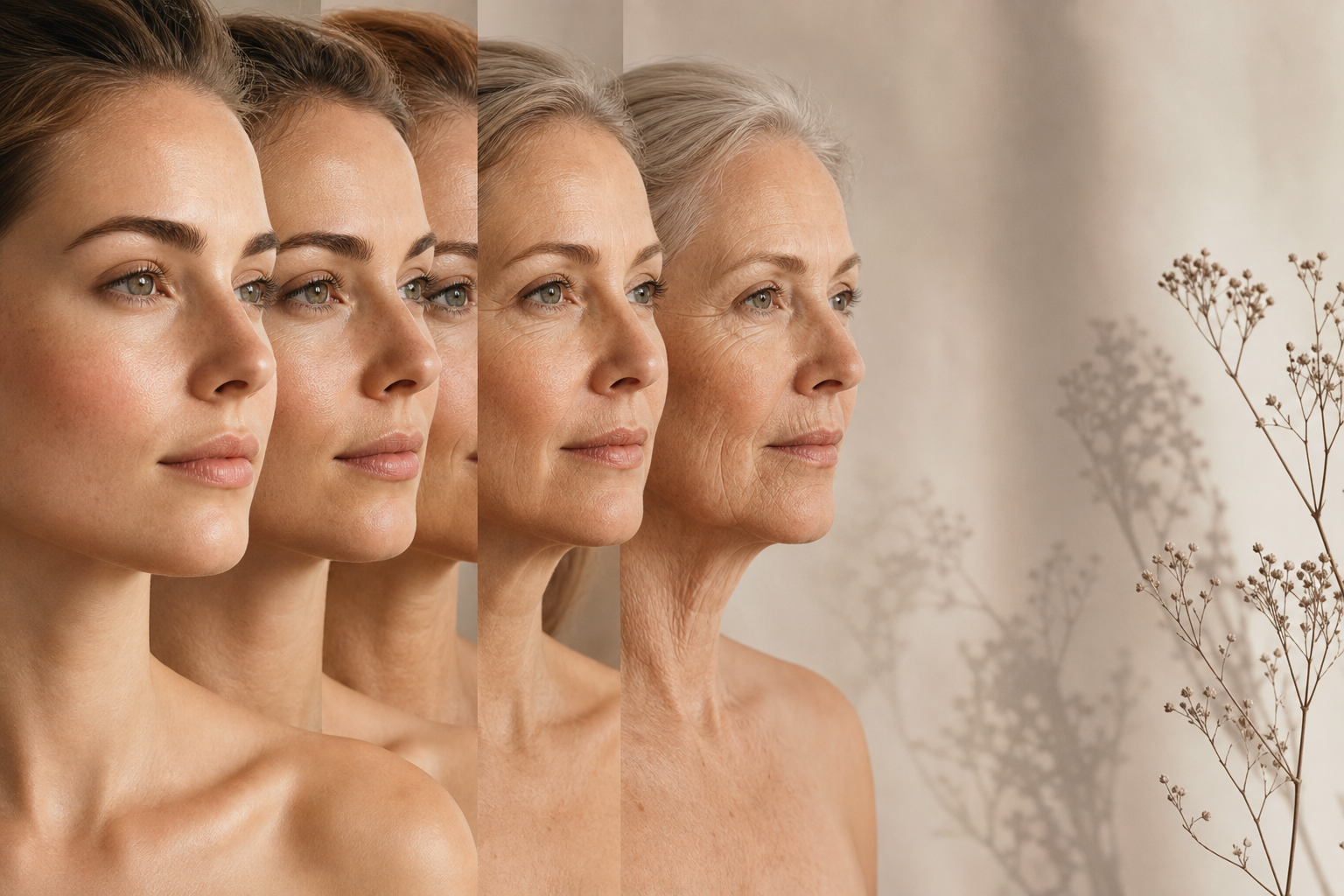
Understanding how skin ages is essential not only for dermatologists and aestheticians but for anyone invested in maintaining a healthy and vibrant appearance through their adult years. The aging process of skin is a complex, multi-layered phenomenon influenced by genetic, environmental, and lifestyle factors. Contrary to popular belief, signs of skin aging begin to form well before visible wrinkles or sagging appear—often as early as the mid-twenties. Recognizing the specific changes that occur after milestones such as 25, 30, 40, and 50 years of age allows for a proactive approach to skincare and the wise selection of anti-aging facial treatments tailored to one’s skin needs.
This article is designed to serve a broad audience—from individuals who want to prevent premature skin aging to those seeking effective solutions for established signs of aging. By exploring the biological transformations of the skin at each decade, along with the practical and professional guidance on treatment options, we will illuminate how to preserve skin vitality and delay visible deterioration. Importantly, the discussion encompasses indications, expectations, safety considerations, and when consultation with qualified specialists becomes essential.
The journey through the skin’s aging process involves an evolving interplay between diminishing cellular renewal, decreasing collagen and elastin production, and environmental assaults like UV exposure. Each decade introduces particular vulnerabilities and challenges that demand adjusted skincare approaches and treatment modalities. In navigating this landscape, a critical balance emerges: employing interventions that are effective yet gentle, minimally invasive yet transformative, and customized to individual skin types and conditions.
What Happens to Skin After 25? Subtle Shifts and the Foundation for Preventive Care
By the time individuals reach their mid-twenties, the skin’s natural capacity to regenerate begins a gradual slowdown. The dermis—the skin’s supportive layer—starts producing less collagen and elastin, the key proteins responsible for firmness and elasticity. Simultaneously, levels of hyaluronic acid, a molecule crucial for moisture retention and plumpness, decline. This triad of changes marks the earliest phase in the skin aging continuum and sets the stage for future visible signs.
Although these alterations may not be immediately observable to the naked eye, the skin’s texture and radiance subtly transition. It may exhibit slightly less hydration and diminished luminosity, often perceived simply as a loss of youthful glow. Because these changes develop gradually, this stage offers a critical window for preventive measures focused on fortifying the skin’s resilience.
Protective daily skincare routines become paramount. Broad-spectrum sunscreens guarding against UVA and UVB rays help prevent photoaging—a principal external accelerator of skin aging. Incorporating topical antioxidants, particularly stabilized vitamin C formulations, counters oxidative stress imposed by pollution and sunlight. Additionally, moisturizers containing humectants like hyaluronic acid aid in replenishing dwindling hydration reservoirs. Light, non-invasive anti-aging facial treatments that promote collagen synthesis without needles—such as gentle chemical peels or mild laser therapies—may be initiated at this stage to support skin health and delay the appearance of fine lines.
Changes After 30: Early Visible Signs and the Need for Targeted Treatments
Entering the third decade often brings noticeable transformations in skin integrity. The first fine lines, especially around expressive areas such as the eyes and mouth, can emerge. These ‘expression lines’—sometimes called “surprise lines” or smile lines—reflect a diminishment in collagen density beneath the surface. Thinning dermal layers add to the skin’s vulnerability, while decreased oil production can cause dryness and accentuate textural irregularities.
At this point, the skin not only ages naturally but also accumulates the consequences of past environmental exposures and lifestyle factors. This cumulative effect makes the skin more susceptible to sagging and uneven tone over time unless addressed with robust, targeted interventions.
Professional anti-aging facial treatments become particularly relevant during this period. Techniques designed to stimulate collagen and elastin remodeling, such as fractional laser resurfacing or radiofrequency therapies, help restore structural support. Chemical peels with carefully calibrated acids improve texture and brightness by accelerating cellular turnover. Importantly, non-invasive options avoid the risks associated with injections and downtime, aligning with the preferences of many individuals seeking subtle yet meaningful rejuvenation.
Because skin conditions and sensitivities can vary widely, consulting a licensed dermatologist or aesthetic specialist is critical to customize treatment plans. This ensures selected modalities align with skin type, address specific concerns, and avoid irritation or other adverse effects.
How Does Skin Evolve in the 40s? More Pronounced Changes and the Demand for Adapted Care
The fourth decade introduces intensified aging signs. Collagen loss accelerates, leading to deeper wrinkles, increased laxity, and more apparent volume reduction. Facial contours begin to alter noticeably as soft tissue support diminishes. Hormonal fluctuations linked to perimenopause further complicate skin health by exacerbating dryness, thinning, and sensitivity.
This phase critically benefits from a comprehensive and continuous anti-aging skincare regimen that balances restoration with protection. Enhancing microcirculation through certain treatments can invigorate cellular functions, improving skin tone and receptivity to regenerative processes. Hydration remains a cornerstone, with formulations rich in ceramides and peptides aiding barrier repair and moisture retention.
Non-needle facial rejuvenation treatments gain popularity in this decade for their favorable benefit-risk profile. Advanced radiofrequency devices and ultrasonic lifting therapies promote collagen synthesis and induce skin tightening without visible incisions or injections. Chemical peels of medium depth may be applied judiciously to resurface skin and minimize pigment irregularities.
The rise in complexity of skin changes underscores the indispensability of expert evaluation. Professionals consider not only chronological age but also biological age, lifestyle habits, and medical history to tailor intervention into safe, effective, and realistic expectations.
After 50: Living with Skin’s Deepest Transformations and Embracing Individualized Strategies
Reaching the fifth decade and beyond is marked by substantial aging evidence. Skin becomes markedly thinner, less elastic, and more fragile. Deep wrinkles and folds emerge, volume loss significantly alters facial architectures, and the skin may be prone to bruising or slower healing. The menopausal transition is a pivotal contributor, drastically reducing estrogen levels that otherwise support skin maintenance.
Given these pronounced changes, skin care and anti-aging treatment regimens must become increasingly personalized and sensitive to skin’s declining reparative capacity. Intensive hydration protocols incorporating high-grade emollients, alongside ingredients like niacinamide and growth factors, support barrier restoration and skin tone uniformity. Nutritional support and lifestyle modifications are equally important to optimize intrinsic skin health from within.
In this phase, combinatory therapies leveraging various non-invasive technologies—such as combining radiofrequency with pulsed light or ultrasonic modalities—can yield synergistic rejuvenation effects. These methods enhance collagen induction, improve vascularization, and promote dermal remodeling, all while minimizing recovery times and side effects.
Consultation with a dermatologist is vital before embarking on treatment, both to confirm skin health and to identify any contraindications. This ensures a judicious balance between efficacy and safety, especially important given the vulnerable state of mature skin.
When Should You Consult a Specialist for Anti-Aging Facial Treatments?
Deciding when to obtain professional advice is a nuanced consideration informed by age, skin condition, personal goals, and medical history. While preventive care can often be managed with over-the-counter products and lifestyle changes, visible signs of premature aging, persistent skin dryness, irritation, or unusual lesions warrant dermatological evaluation.
Keen guidance helps identify suitable treatment options, screen for contraindications such as eczema, rosacea, or photosensitive conditions, and optimize timing for procedure initiation. Furthermore, practitioners confirm realistic treatment outcomes, discuss maintenance strategies, and tailor regimens to individual skin types and ethnic backgrounds—factors that influence treatment response.
Regular skin assessments can serve as a preventive measure in themselves, allowing early intervention before irreversible changes occur. This proactive collaboration between patient and specialist helps maximize the benefits of anti-aging facial treatments.
Understanding the Safety and Limitations of Non-Invasive Anti-Aging Treatments
Non-invasive and minimally invasive facial treatments offer promising avenues for skin rejuvenation, but it is critical to understand their boundaries. These interventions primarily stimulate the skin’s own regenerative mechanisms rather than produce immediate, dramatic results akin to surgical procedures.
Potential side effects—though generally mild—include temporary redness, swelling, or sensitivity. The cumulative effect of multiple sessions is often necessary to observe significant improvements. Moreover, underlying health conditions, medication use, and lifestyle factors may modulate treatment efficacy or safety.
Realistic expectations contribute to patient satisfaction and prevent disappointment. Anti-aging treatments can notably improve texture, elasticity, and tone, but they cannot halt aging entirely or reverse deep structural changes. Regular maintenance and comprehensive skincare remain indispensable.
How to Choose the Right Anti-Aging Facial Treatments According to Your Age and Skin Needs
Selection of anti-aging facial treatments must harmonize with one’s age-specific skin changes and personal priorities. After 25, focus primarily on protection and gentle support through antioxidants and sun safety. In your 30s, engage in collagen-boosting and early resurfacing techniques to mitigate initial fine lines. The 40s call for a robust approach combining hydration, toning, and volume restoration. Beyond 50, individualized protocols encompassing hydration, improved nutrition, and multi-modal regenerative therapies become critical.
In all cases, consultation with trained skincare professionals is the cornerstone of appropriate treatment planning. They can determine the skin’s condition, benchmark against photographic documentation, and recommend procedures that balance efficacy with safety, aligned with lifestyle and budget.
Consistent follow-up allows adjustments and helps maintain improvements over time. Integrating professional treatments with home skincare regimens magnifies results and supports sustainable skin health.


