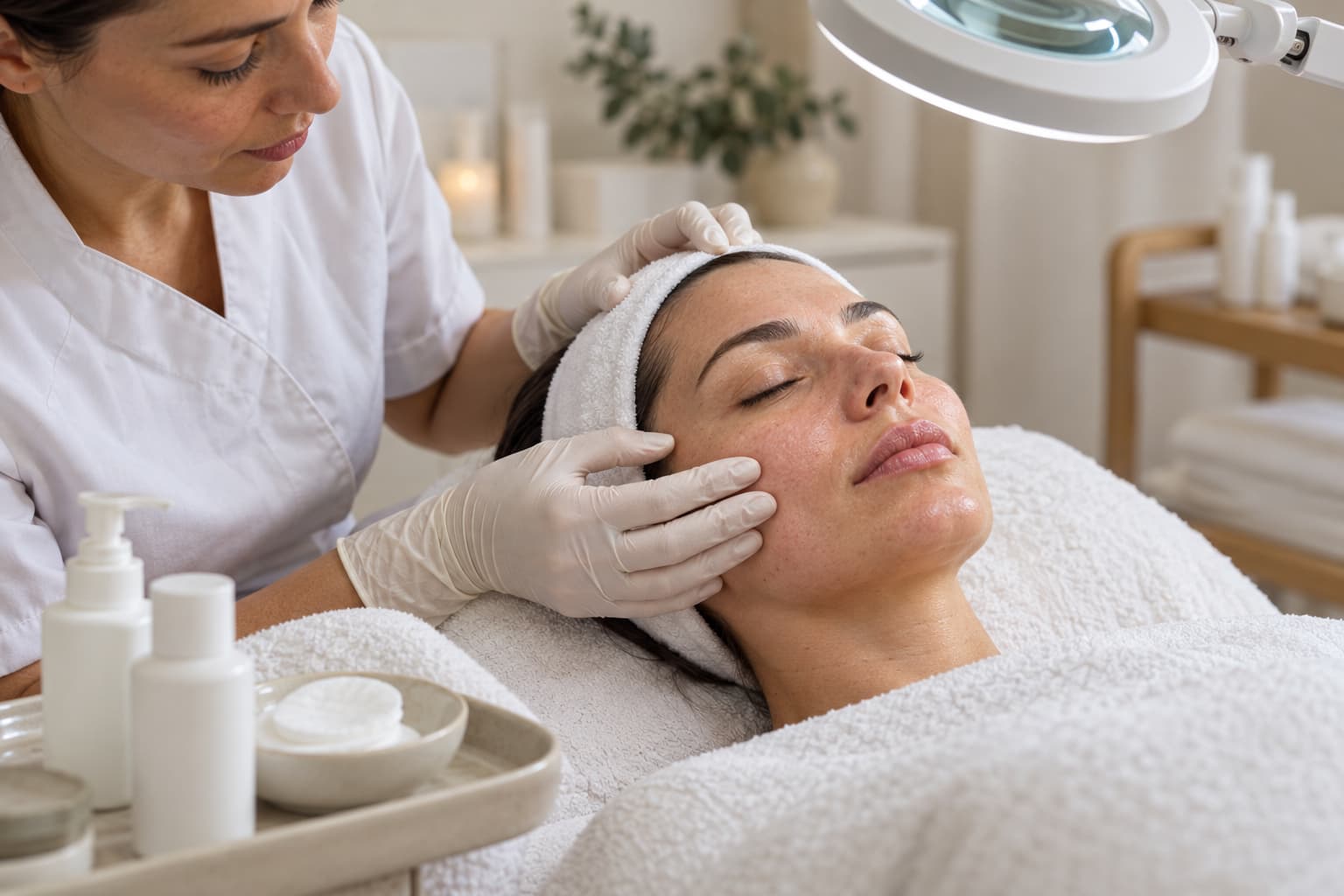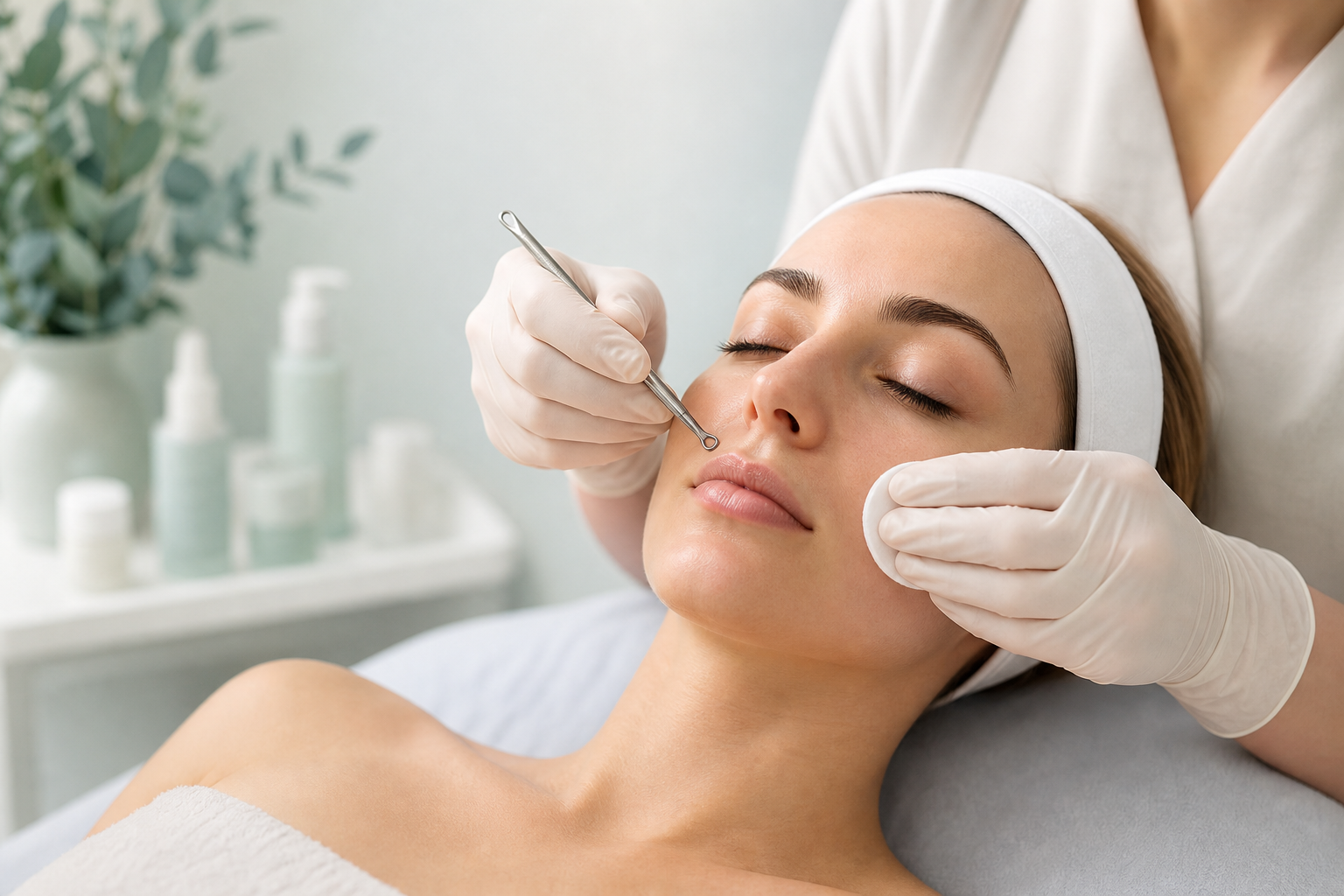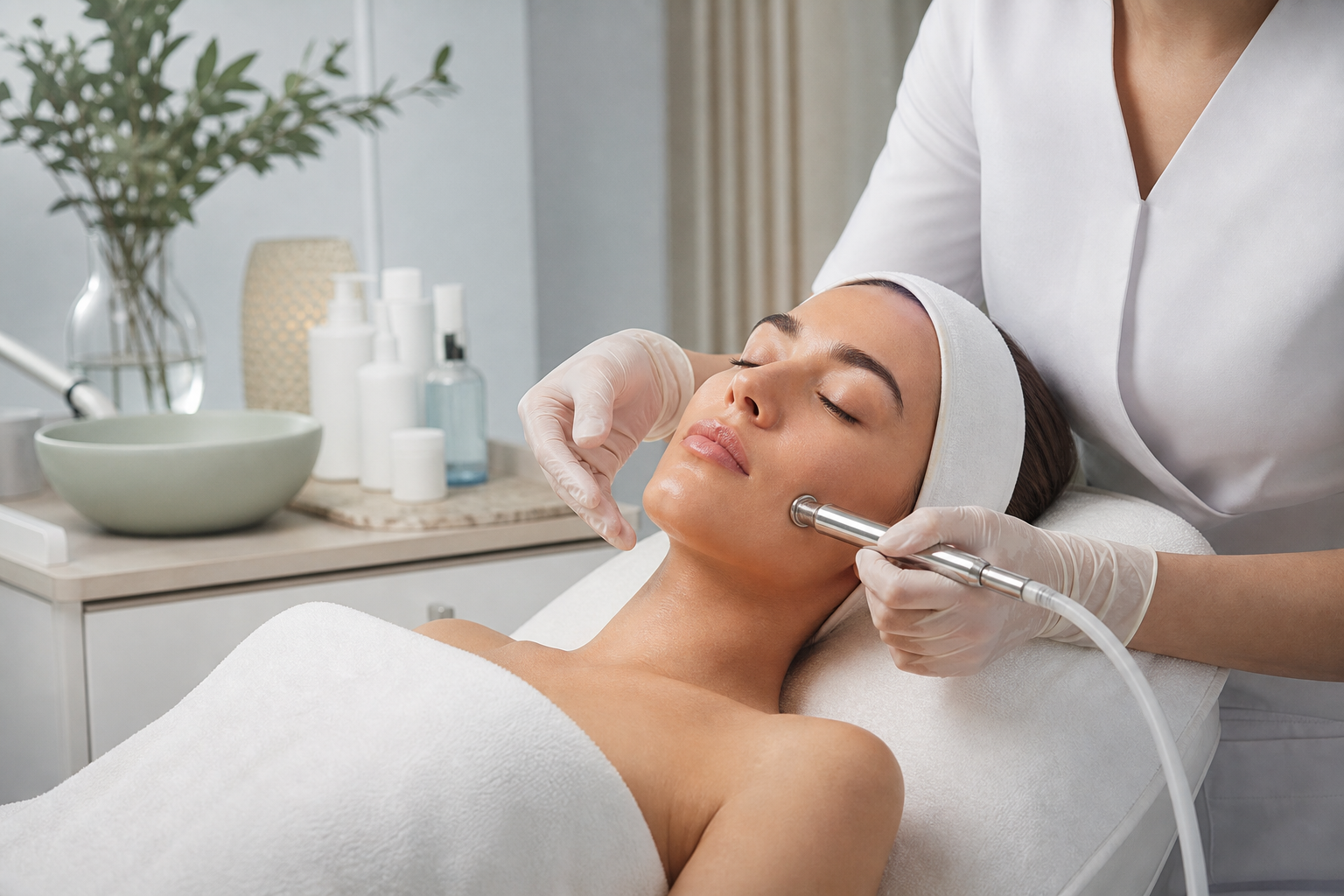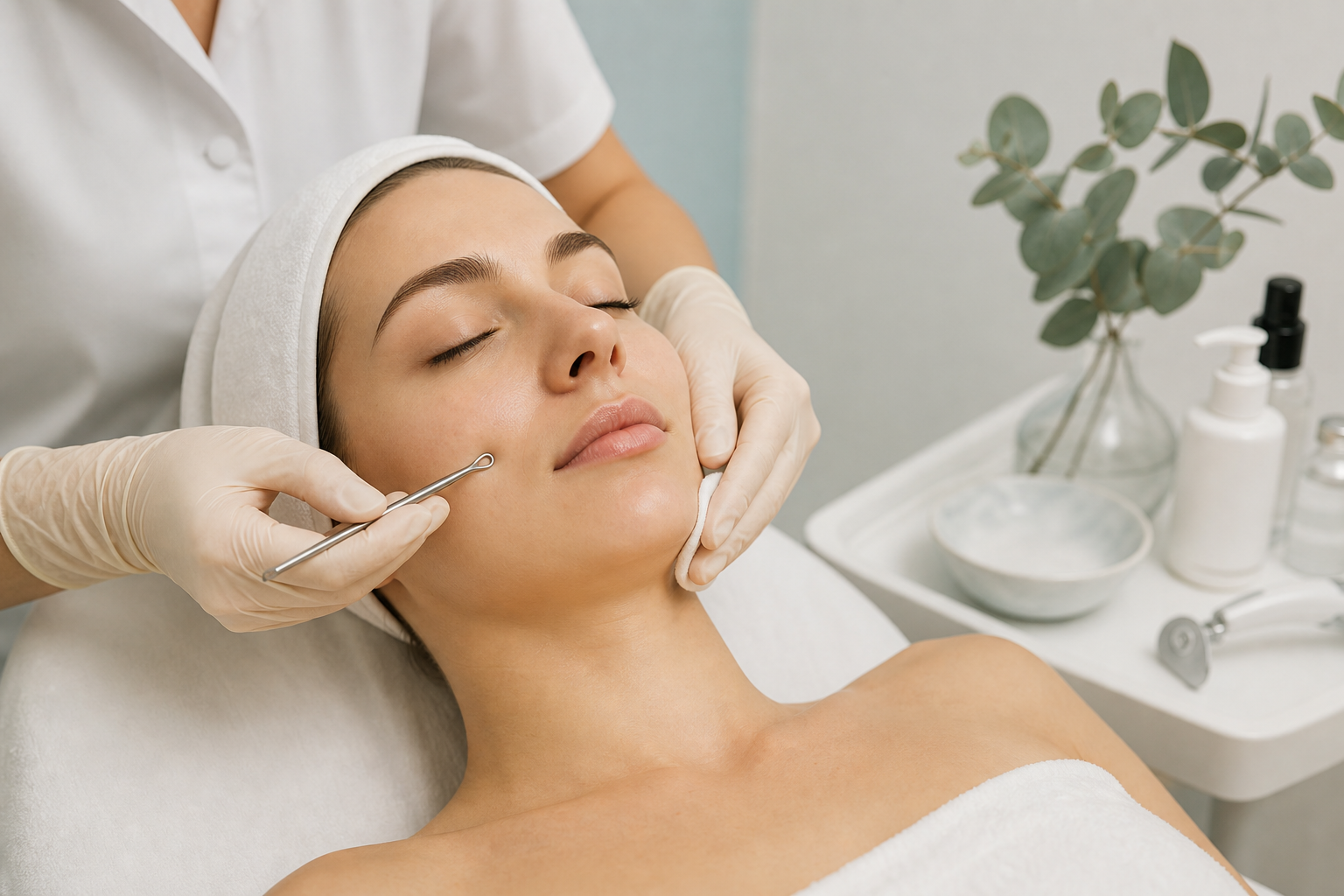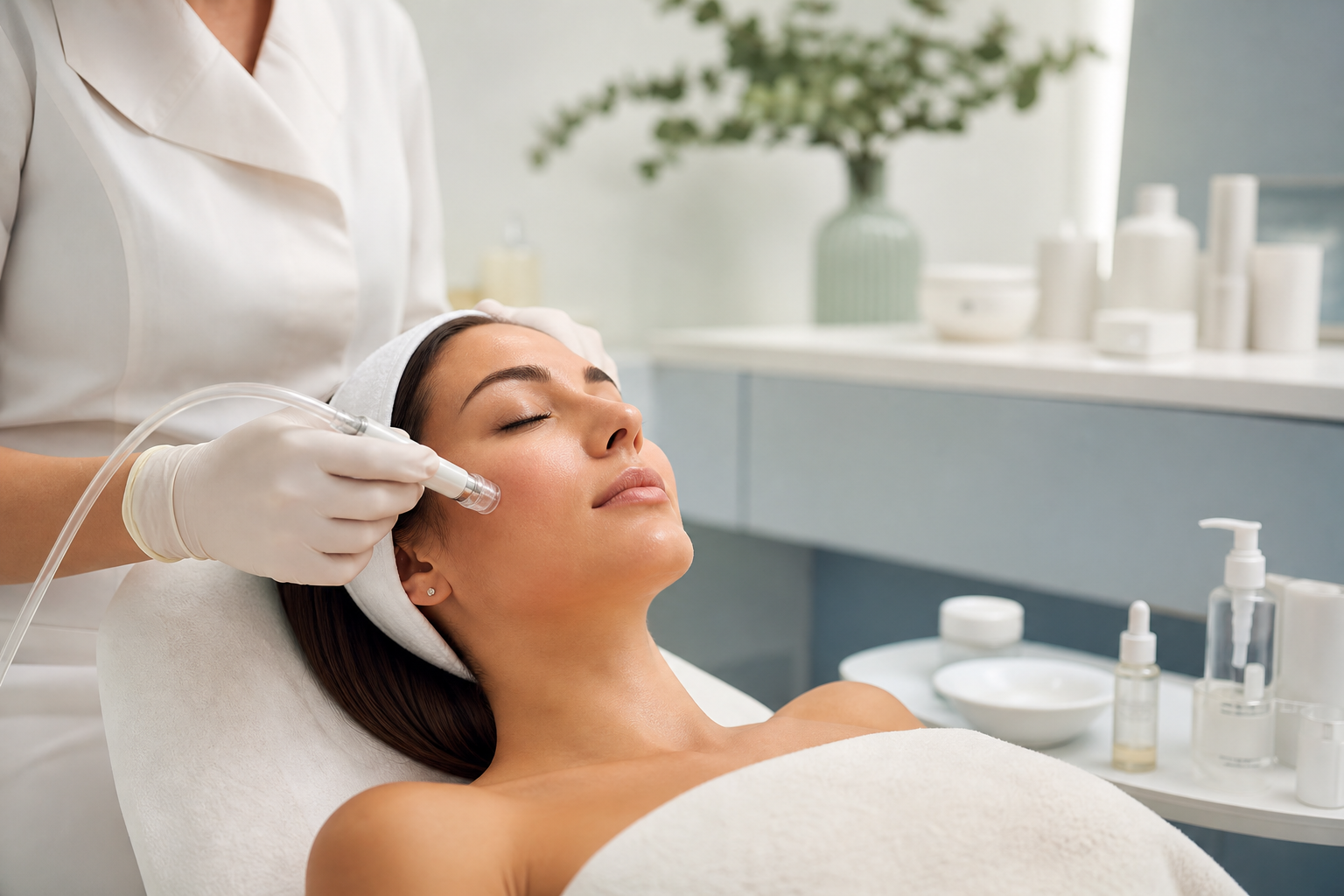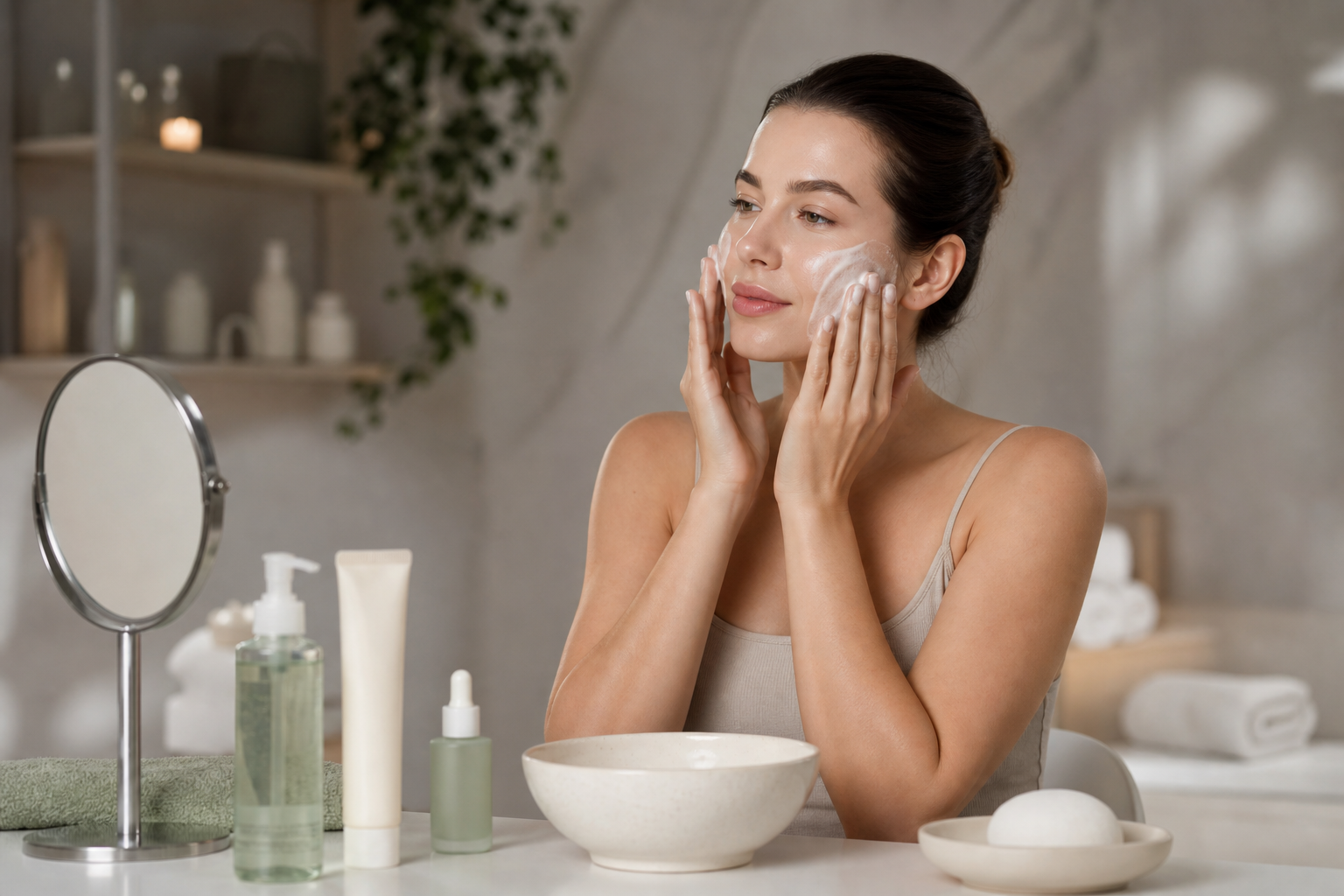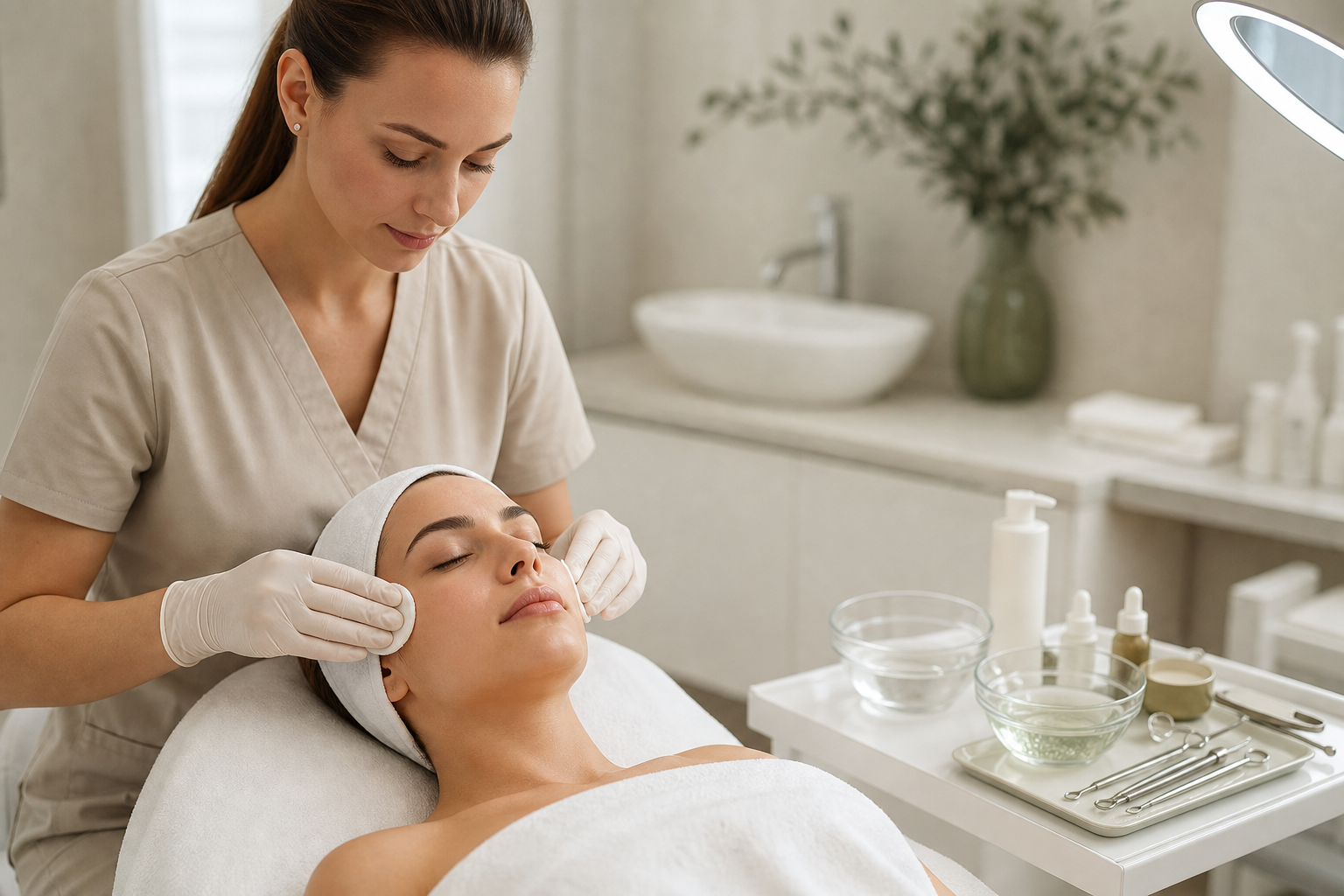
Deep facial cleansing is a specialized skincare treatment focused on thoroughly purifying the skin by removing trapped impurities, excess sebum, blackheads, and cellular debris from the pores. Unlike simple daily cleansing routines, deep cleansing penetrates beneath the skin’s surface to promote a clearer, healthier complexion. This comprehensive guide explores the nature of deep facial cleansing, who can benefit most from it, why it holds such importance in skincare regimens, and how it can be integrated into both professional treatments and daily home care.
For individuals striving to maintain radiant, smooth, and balanced skin, deep facial cleansing serves as a critical intervention. Whether you struggle with oily or combination skin, blackheads, clogged pores, or simply wish to rejuvenate dull, tired skin affected by environmental pollutants and stress, deep cleansing can significantly improve your skin’s texture and tone. It works by thoroughly removing sources of inflammation, preparing the skin to better absorb nourishing products and defend against external aggressors.
Understanding the procedures, benefits, frequency recommendations, contraindications, and appropriate post-care of deep facial cleansing empowers you to make informed decisions aligned with your specific skin needs. This article aims to provide a detailed yet accessible overview, catering to readers seeking an effective method to enhance skin clarity and resilience while nurturing overall skin health.
What Exactly Is Deep Facial Cleansing and How Does It Differ from Basic Skin Care?
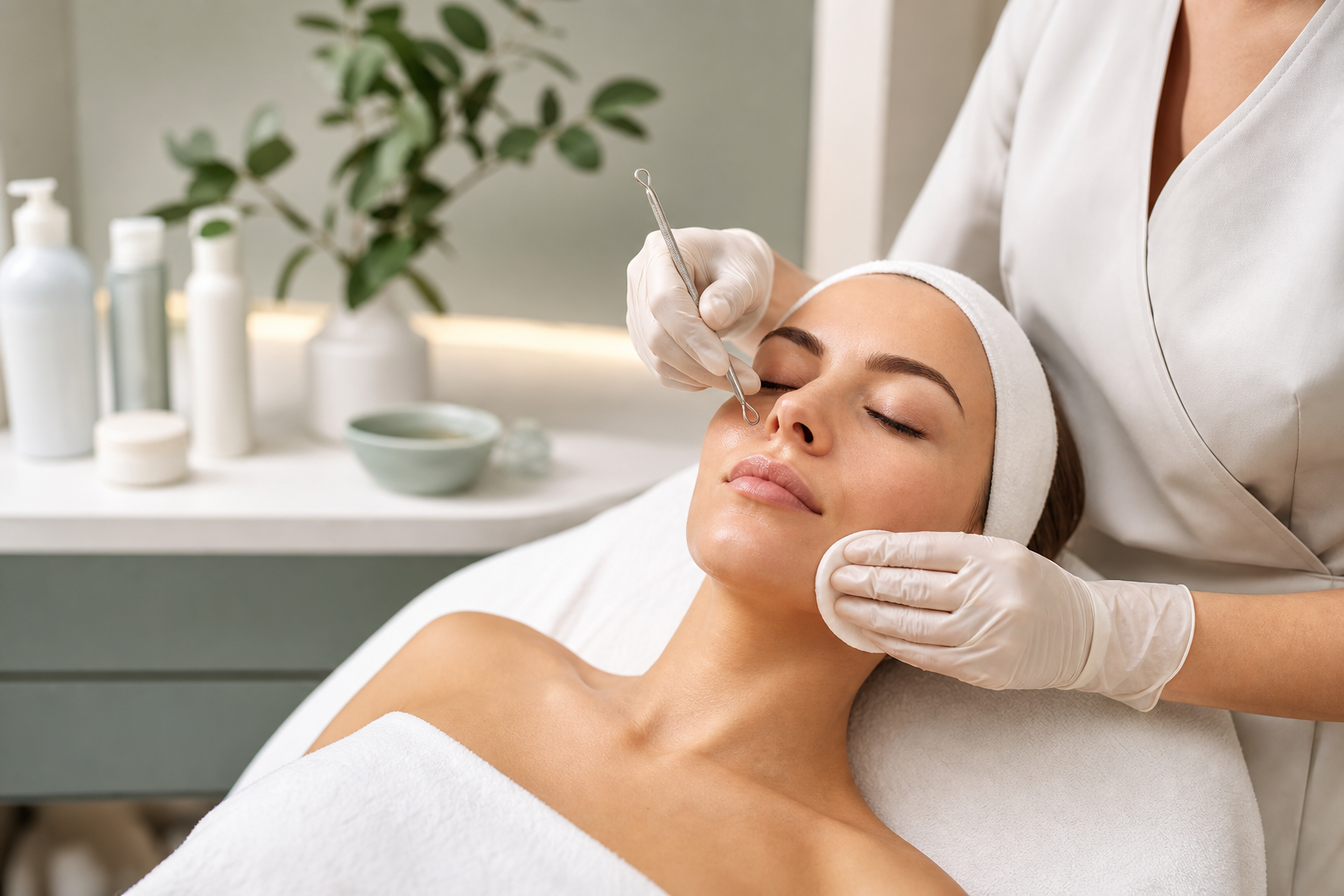
Deep facial cleansing is a professional cosmetic procedure designed to penetrate beyond the surface to remove impurities lodged deep within pores. It is more intensive than routine washing, which typically targets superficial dirt and oils that accumulate over the day. The treatment often includes a sequence of steps such as makeup removal, exfoliation, steam or ultrasonic application to open pores, manual or mechanical extraction of blackheads and comedones, calming masks, hydration, and sun protection.
The distinguishing feature of deep cleansing lies in its multi-step approach coupled with specialized tools and products that target congestion invisible to the naked eye or unreachable through at-home cleansing alone. Techniques such as steam help to soften the skin and loosen sebum plugs, while extractions remove stubborn blockages that if left untreated, can lead to acne flare-ups or dullness.
Additionally, unlike everyday facial washes, deep cleansing often employs exfoliants that slough off dead skin cells chemically (with acids) or mechanically (with gentle scrubs), improving cell turnover. The skin is then soothed and replenished with ingredients tailored to its type and sensitivity. By thoroughly cleaning and preparing the skin, deep cleansing enhances the efficacy of subsequent treatments and skincare products.
It is important to consider deep cleansing as a complementary procedure rather than a replacement for daily hygiene. Where daily washing maintains surface cleanliness, deep facial cleansing is meant to be performed periodically—usually in a salon or skincare clinic regimen—to reset the skin and address build-up that compromises skin health.
Who Should Consider Deep Facial Cleansing Treatments?
Deep facial cleansing benefits a broad range of individuals but is especially recommended for those with specific concerns. Individuals with oily, combination, or acne-prone skin frequently experience clogged pores, blackheads, and excess sebum production; these are the primary conditions deep cleansing targets effectively. It helps to regulate sebum, prevent pore blockages, and diminish blemishes.
People noticing dullness, uneven texture, enlarged pores, or accumulated environmental debris also stand to gain from deep cleansing, as the treatment revitalizes skin by removing pollutants and rejuvenating the epidermis. It restores a natural glow that daily washing might not fully achieve.
However, individuals with certain skin sensitivities such as eczema, rosacea, or recently treated skin with chemical peels, laser therapy, or retinoids should approach deep cleansing cautiously and only under professional guidance. Active inflammation, open wounds, or highly reactive skin conditions may contraindicate this treatment to avoid irritation or exacerbation.
Deep cleansing is also appealing for those preparing for important social or professional events, offering an immediate visible boost in skin clarity and brightness. In all cases, consulting a skincare professional is advised to customize the approach based on individual skin type and conditions.
What Does a Deep Facial Cleansing Session Involve?
A typical deep facial cleansing session ranges from 60 to 90 minutes and unfolds through several precise stages. First, a skincare expert will evaluate your skin type and any specific issues to tailor the treatment accordingly. The process begins with gentle removal of makeup and surface impurities using a mild cleanser.
Next, an exfoliation step follows, which may be mechanical—using finely granulated scrubs to polish away dead skin—or chemical, involving mild acids like alpha hydroxy acids (AHAs) or beta hydroxy acids (BHAs) that dissolve dead cells to reveal fresh skin beneath. This stage smooths the skin and facilitates deeper penetration of subsequent treatments.
After exfoliation, steam or ultrasonic waves are applied to soften and open pores, making extraction easier and less painful. This step is crucial for loosening sebum plugs and debris lodged in the pores.
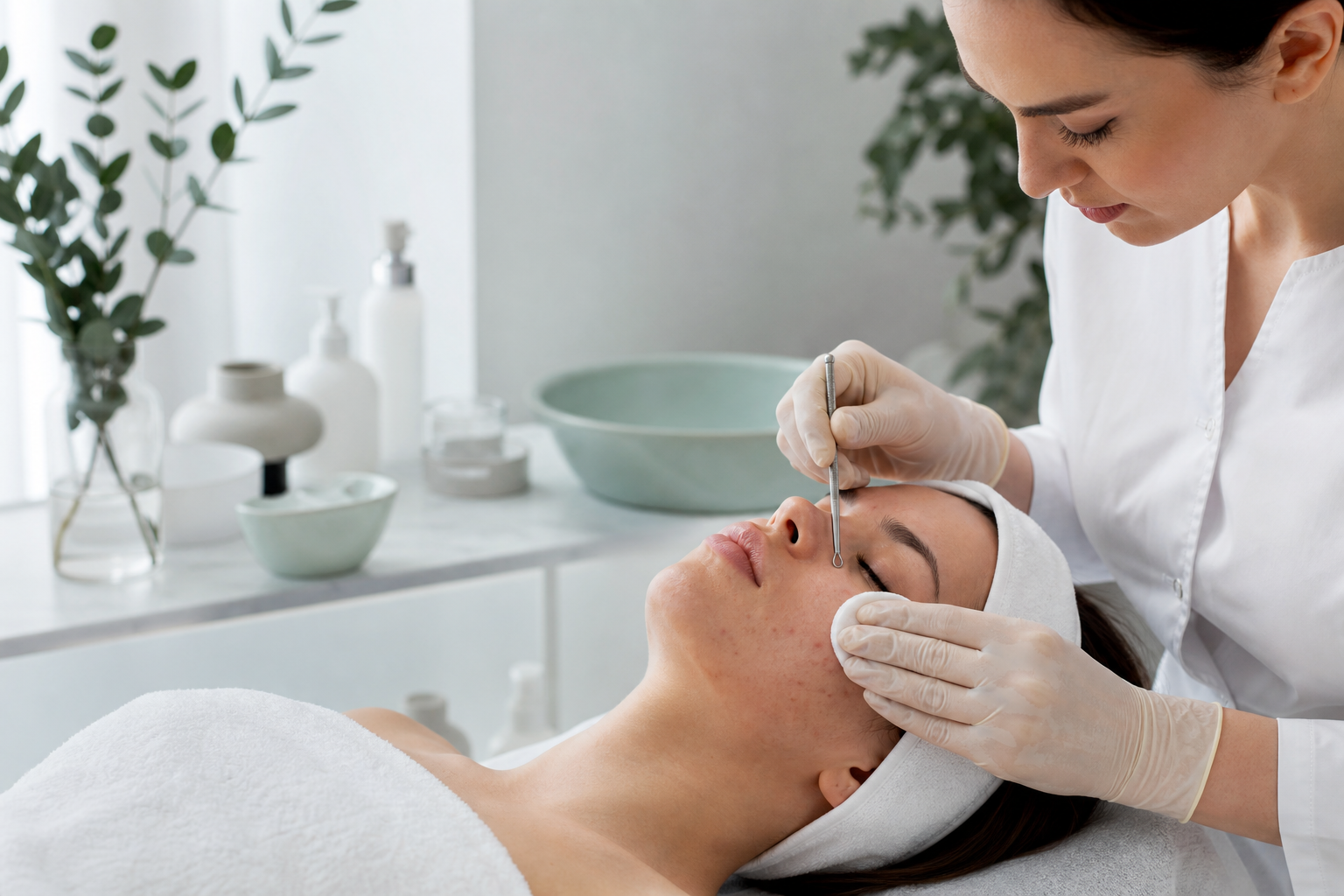
The key part of deep cleansing is extraction. Professionals carefully remove blackheads, whiteheads, and clogged impurities either manually, using sanitized tools like comedone extractors, or via gentle suction devices such as vacuums. This meticulous cleaning helps minimize future breakouts and pore enlargement.
Following extraction, the skin is soothed with calming tonics or nourishing masks rich in antioxidants, hydrating agents, or anti-inflammatory ingredients. This reduces redness and restores skin’s comfort. Finally, a moisturizing cream tailored to the skin type is applied, along with broad-spectrum sun protection to shield the fresh skin from UV damage.
The procedure is designed to be thorough yet gentle, maximizing cleanliness and skin balance without inducing excessive irritation.
Exploring Different Methods of Professional Deep Facial Cleansing
Deep facial cleansing encompasses various techniques, each with specific benefits suited to diverse skin needs. The traditional mechanical cleansing relies heavily on steam and manual extraction, effective for oily and acne-prone skin but can be too intense for sensitive skin types.
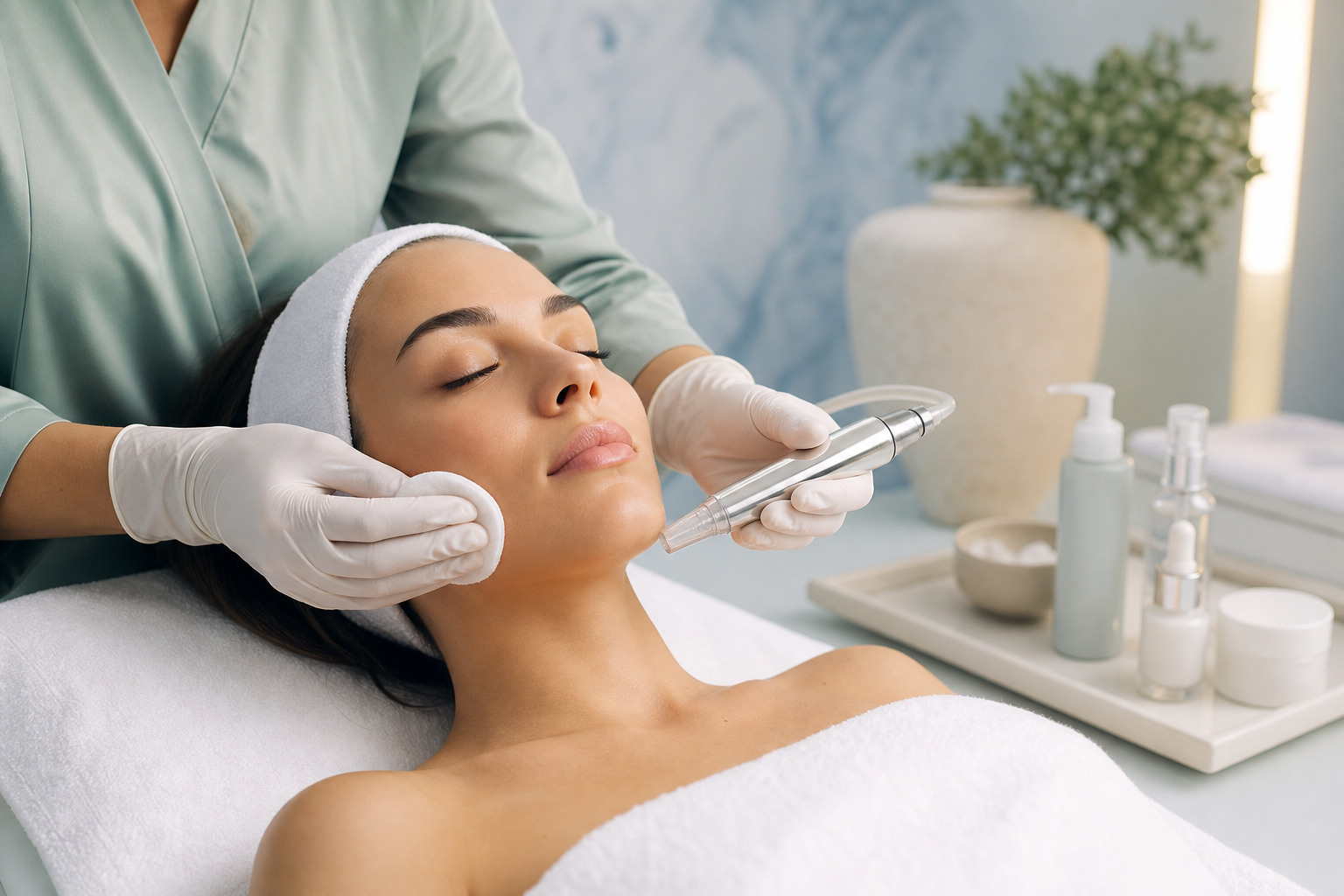
Ultrasonic cleansing utilizes high-frequency sound waves to exfoliate the skin and dislodge toxins from pores. This method is gentler and non-invasive, making it ideal for delicate or reactive skin. It stimulates circulation and enhances absorption of serums.
Vacuum-assisted cleansing employs mild suction to remove blackheads and impurities with minimal pressure on the skin. It reduces the risk of redness and trauma compared to manual extraction, and is often combined with mild exfoliation to optimize results.
Many professionals opt for combination treatments, deploying chemical peels alongside physical cleansing and masks to address multiple concerns simultaneously. These comprehensive treatments improve pore size, texture, skin tone, and clarity more effectively.
Choosing among these options depends on skin type, desired intensity, and sensitivity. A consultation with a qualified esthetician or dermatologist can help determine the best method.
How Does Deep Facial Cleansing Affect Blackheads, Pimples, and Closed Comedones?
Blackheads and closed comedones (whiteheads) arise when pores are clogged with excess sebum, dead skin cells, and environmental debris. This combination blocks the opening of the pore, causing buildup and sometimes inflammation. Deep cleansing procedures are specifically designed to safely extract these blockages, promoting pore clarity and reducing the incidence of new blemishes.
For blackheads, the removal of oxidized sebum through extraction visibly clears the skin, shrinking pore visibility and smoothing texture. Closed comedones benefit similarly as deep cleansing removes hidden plugs before they can worsen or lead to pimples.
Although deep cleansing helps maintain a clean environment that is less hospitable to acne-causing bacteria, it is not a standalone cure for inflamed or cystic acne. It is essential to complement cleansing with targeted acne treatments prescribed by dermatologists when necessary.
Regular professional cleansing, teamed with consistent home care, can reduce flare-ups, manage oil production, and maintain an optimal skin environment.
How Often Should One Undergo Deep Facial Cleansing?
The frequency of deep facial cleansing should be individualized based on skin type, condition, and lifestyle factors. For oily and acne-prone skin, monthly treatments are often recommended to control sebum levels and prevent congestion. This regular schedule supports consistent skin improvement and minimizes major breakouts.
Individuals with normal or dry skin may benefit from less frequent sessions, typically every six to eight weeks, to avoid over-exfoliation or irritation which can compromise skin barrier function. For sensitive skin, even longer intervals may be necessary, with gentler techniques in place.
Environmental exposure, hormonal changes, and skincare routine adjustments also influence timing. Professional advice ensures the interval suits your skin’s ability to heal and regenerate without undue stress.
What to Expect After a Deep Facial Cleansing Treatment?
Immediately following deep facial cleansing, it is common to notice mild redness or slight swelling due to extractions and exfoliation. These temporary effects usually resolve within a few hours to one day. Your skin may feel tender or tight but also refreshed and hydrated.
Some light peeling or dryness may occur as dead skin layers slough off. It is vital to support the skin with gentle moisturizers and to protect it from sun exposure using broad-spectrum sunscreen for at least a few days afterward.
The improved skin clarity and glow may be apparent immediately, while pore size reduction and texture enhancement can develop over subsequent days. Adhering to recommended post-treatment care facilitates optimal healing and prolongs benefits.
When Should You Avoid Deep Facial Cleansing?
Deep facial cleansing is contraindicated in certain scenarios to prevent aggravating the skin or causing complications. Avoid treatments when you have active skin infections, severe acne with open lesions, eczema flare-ups, or rosacea exacerbations.
Recently performed cosmetic procedures such as aggressive chemical peels, laser resurfacing, or microdermabrasion require a healing period before undergoing deep cleansing. Use of topical retinoids or other photosensitizing medications also necessitates caution and professional guidance.
Pregnant or nursing individuals can undergo deep cleansing but should ensure all used products are safe for these conditions. Always disclose your medical and skincare history to the esthetician or dermatologist before treatment.
How to Choose the Most Suitable Deep Cleansing Method for Your Skin?
Selecting the right type of deep facial cleansing involves understanding your skin’s unique characteristics and concerns. Oily and combination skin that tolerates deeper interventions may benefit from mechanical extractions paired with steam or vacuum devices and chemical exfoliation to effectively control oil and impurities.
Dry, sensitive, or mature skin types generally require softer methods such as ultrasonic cleansing and mild chemical peels to minimize irritation while improving texture and hydration.
Any presence of specific conditions like pigmentation irregularities or inflammation demands a tailored approach by a skincare professional. Seasonal factors also play a role; for instance, winter calls for additional hydration care, while summer may focus more on oil control and sun protection.
A thorough consultation with a qualified practitioner provides clarity on the safest and most effective treatment based on clinical evaluation and your personal skincare goals.
Integrating Professional Deep Cleansing with Daily Home Skincare
Deep facial cleansing acquires its full potential when supported by a consistent and appropriate at-home regimen. Daily cleansing, exfoliation, moisturizing, and sun protection maintain the skin’s barrier and help prevent accumulation of impurities between professional sessions.
It is important after a deep cleansing treatment to avoid harsh scrubs, drying agents, and excessive sun exposure to allow skin recovery. Using gentle, skin type-appropriate cleansers and non-comedogenic moisturizers preserves the benefits gained during the professional session.
Skin experts can provide personalized recommendations for post-treatment home care products that reinforce hydration, calm inflammation, and maintain pore clarity. This harmonious balance between clinic and home care supports lasting improvement and skin vitality.
Understanding the Cost of Deep Facial Cleansing Treatments
The price of deep facial cleansing varies depending on geographic location, the reputation of the salon and the complexity of the treatment. In Serbia, a single session typically costs between $30 and $70. Advanced treatments that include ultrasonic cleansing, vacuum extraction, professional exfoliation or specialised masks may be more expensive.
Investing in professional expertise and high-quality skincare products helps ensure treatment safety and achieve better results. Many clinics also offer treatment packages or loyalty programmes that can reduce the overall cost over time. Although price is an important consideration, professional qualifications, hygiene standards and treatment quality should remain the main priorities when choosing a provider.