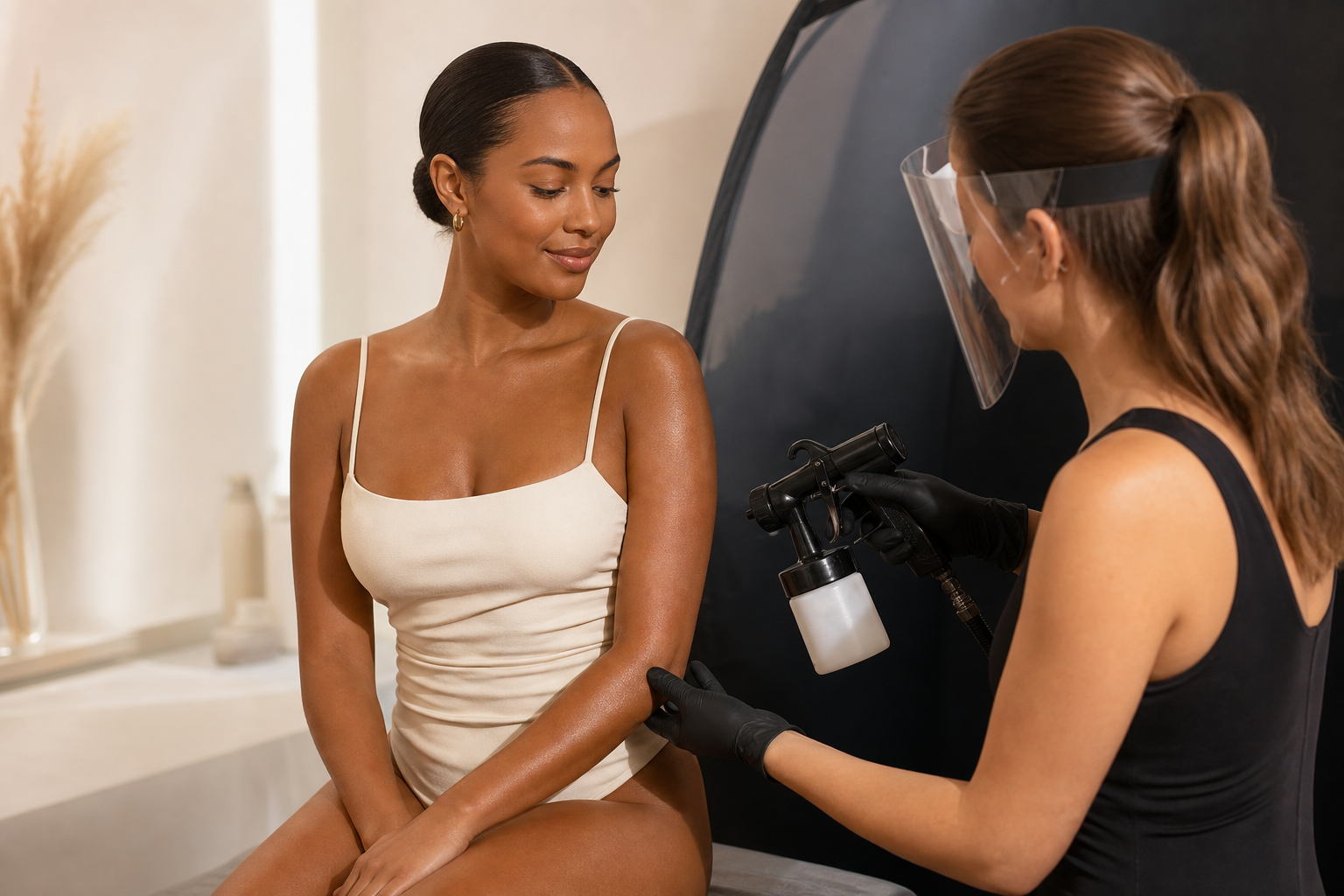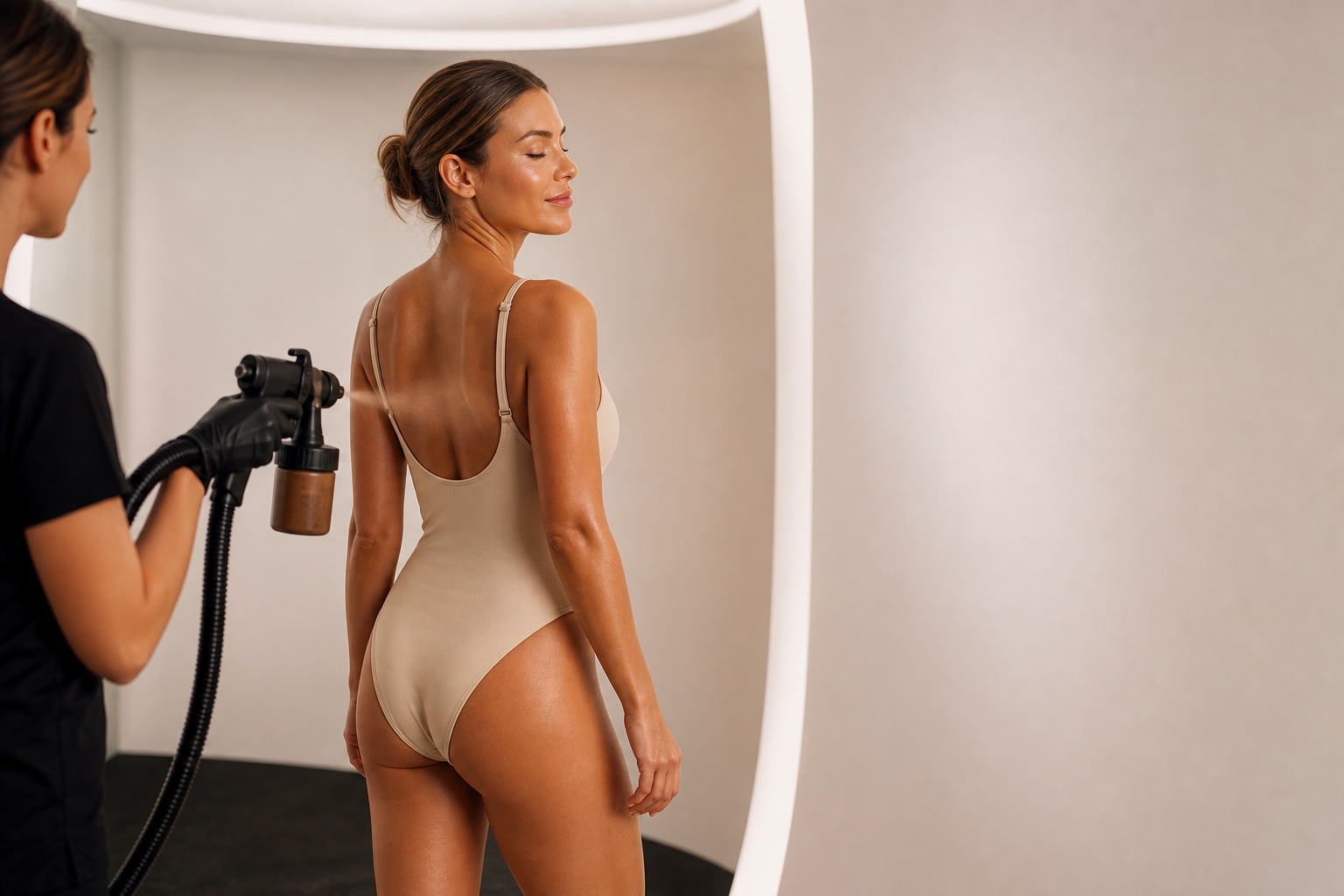
A spray tan is a cosmetic treatment designed to deliver a sun-kissed glow without exposure to harmful ultraviolet (UV) rays. This popular beauty option offers individuals an immediate and even tan effect through the application of a fine mist containing a key ingredient known as dihydroxyacetone (DHA). Unlike traditional sunbathing or tanning beds, a spray tan works by chemically altering the skin's outermost layer rather than stimulating melanin production, thereby offering a safer alternative to achieve a tanned complexion.
This article is crafted for anyone interested in understanding how spray tans work, whether newcomers seeking a safer tanning method or experienced users aiming for detailed insights on treatment protocols, maintenance, and realistic outcomes. Understanding the science, benefits, limitations, and care requirements of spray tanning empowers readers to make informed decisions about their tanning regimen, ensuring beautiful and healthy-looking skin.
Given the growing appeal of spray tanning as a practical and skin-conscious approach to achieving an even tone, exploring the mechanics behind this cosmetic procedure and its real-world applications is both timely and essential for those prioritizing skin health alongside aesthetics.
What Is a Spray Tan and How Does the DHA Reaction Create the Tanned Appearance?
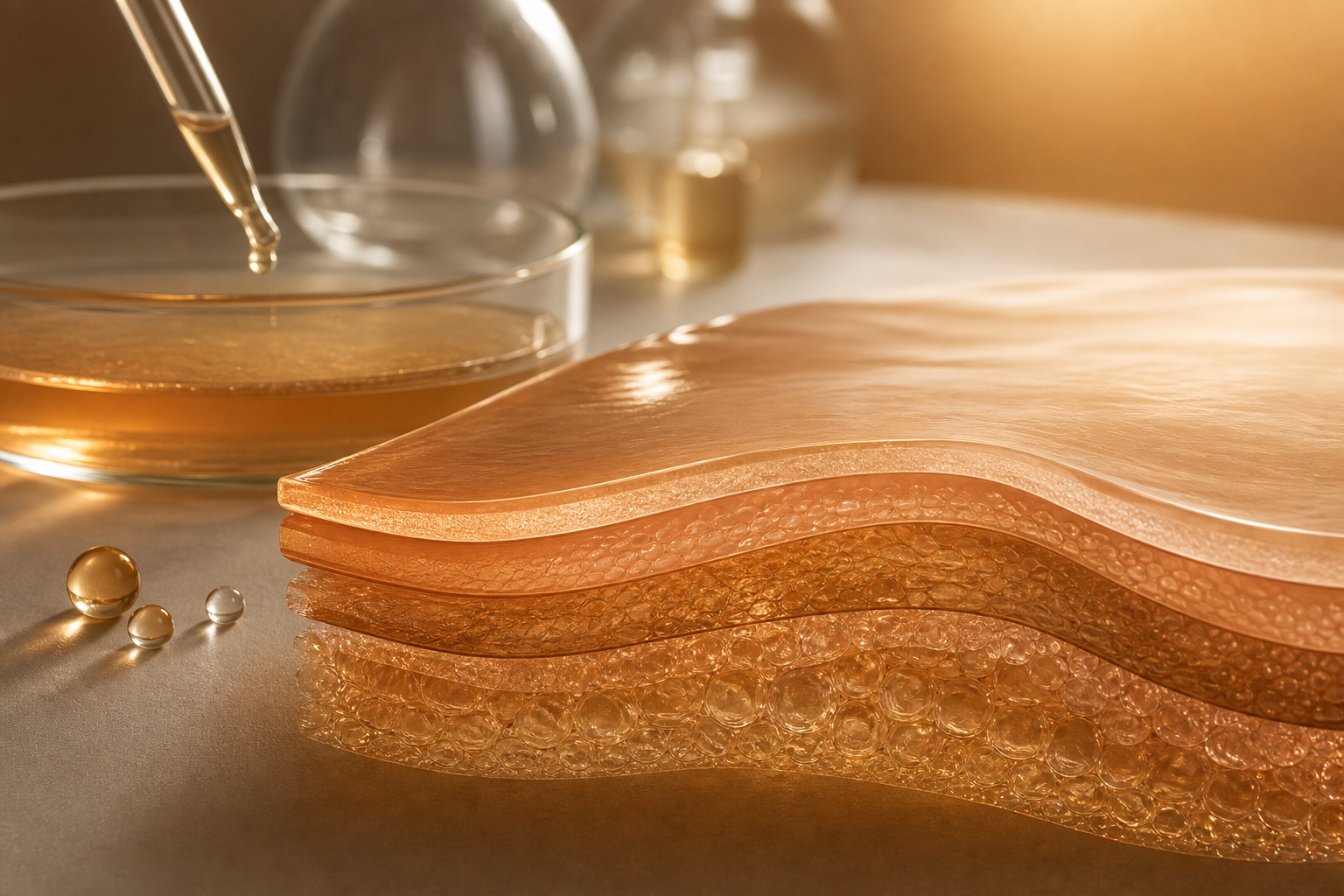
A spray tan primarily involves the application of a solution containing DHA, a colorless sugar derived from natural sources such as corn and sugar beets, to the surface of the skin in a fine mist. Upon contact, DHA interacts with the amino acids present in the dead cells of the stratum corneum, which is the outermost layer of the epidermis. This interaction triggers a chemical process known as the Maillard reaction, a non-enzymatic browning reaction that produces pigments called melanoidins. These pigments deposit on the skin's surface, creating a color change that mimics the natural tan resulting from sun exposure.
It is important to highlight that the DHA reaction is limited to the superficial skin layer and acts only on dead skin cells, ensuring no penetration into living tissue occurs. Consequently, the resulting color is purely superficial and fades as these dead skin cells naturally flake away during the skin's renewal cycle, typically lasting about 7 to 10 days depending on individual factors and skin care.
This method of tanning is fundamentally different from UV-induced pigmentation since it's a physical coloration rather than a biological increase of melanin. While this prevents UV-related skin damage, it also means a spray tan does not provide any UV protection, necessitating continual use of a broad-spectrum sunscreen with at least SPF 30 to guard against sunburn and photoaging.
Who Can Benefit Most from Spray Tanning and Why Is It Considered a Safer Alternative?
Individuals seeking a sun-induced tan but wanting to avoid the risks associated with UV radiation are ideal candidates for spray tanning. This includes people with fair or sensitive skin prone to burning rather than tanning, those with medical conditions that limit sun exposure, and individuals concerned about premature skin aging and skin cancer risk.
Spray tanning is also an excellent choice for those who desire a quick, uniform, and controllable tan without the inconvenience of long sunbathing sessions or frequent visits to tanning beds. It is particularly valuable for special occasions, such as weddings or professional photo shoots, where a flawless and natural-looking bronze finish is sought.
Because it bypasses UV exposure entirely, spray tanning reduces the risk of sunburn, DNA damage, immunosuppression, and other detrimental effects related to ultraviolet light. This makes it a highly recommended cosmetic practice for those prioritizing skin health without sacrificing the aesthetic appeal of a golden complexion.
Understanding How Spray Tanning Differs from Natural Sunbathing and Tanning Beds
The fundamental distinction between spray tanning and traditional tanning methods lies in how the tan is achieved. Sunbathing and tanning beds work by exposing the skin to UV radiation, which stimulates melanocytes in the skin to produce melanin, leading to natural pigmentation. This biological response serves as a protective mechanism, though it comes with inherent risks such as skin damage and increased cancer risk.
In contrast, spray tanning does not affect melanin production or any cellular processes within the skin. It simply colors the superficial skin layer without generating any protective pigment or altering skin structure. Consequently, while sun tanning provides some degree of natural photoprotection, spray tanning offers no such benefit and requires diligent sunscreen application to maintain skin safety.
Furthermore, spray tans provide an even finish, often difficult to achieve with natural tanning due to uneven sun exposure or tendencies to burn and peel. Spray tanning also negates concerns about timing and weather conditions that impact sun exposure, delivering instant colour that can be tailored to individual skin tones.
What to Expect During a Professional Spray Tan Treatment?
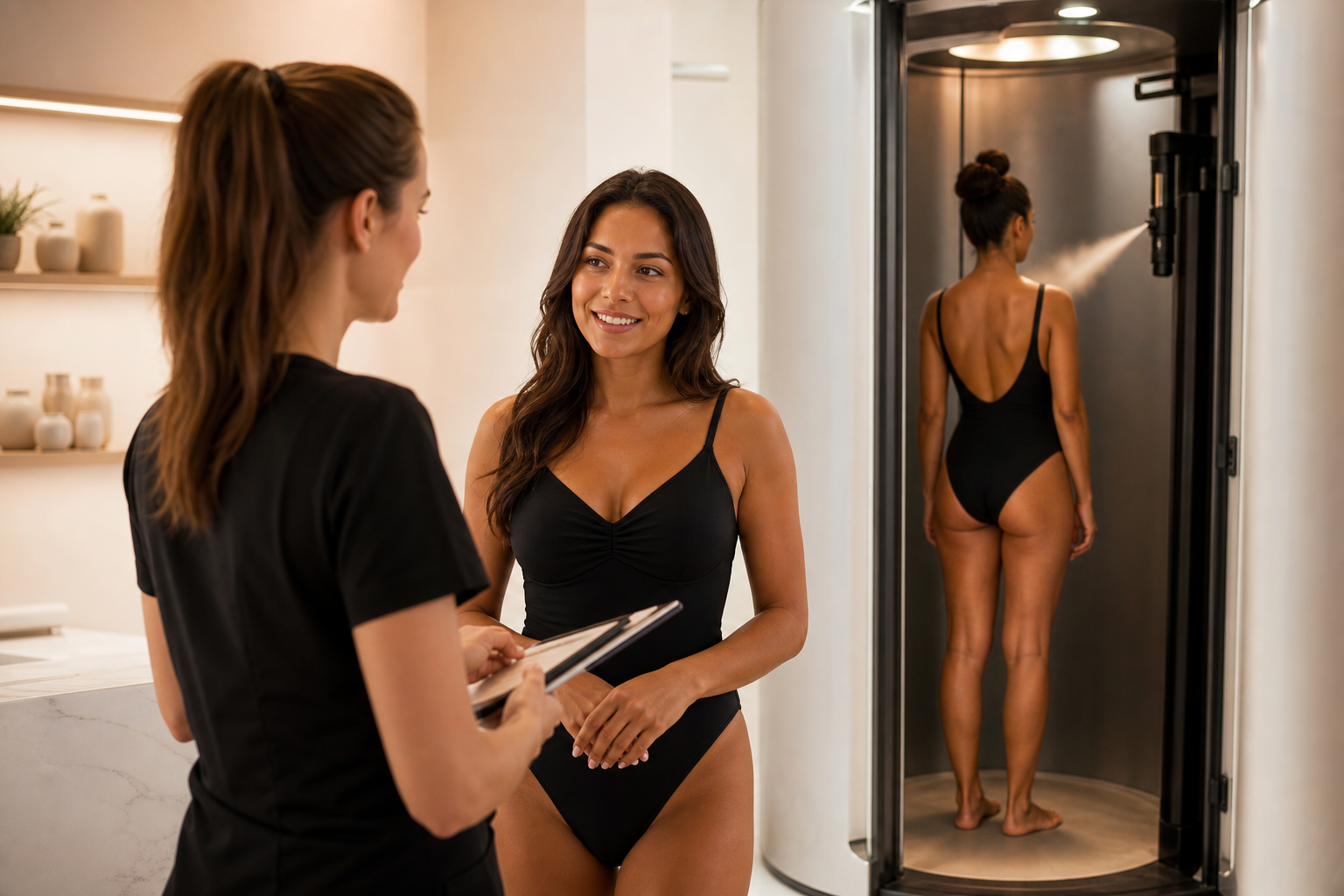
A professional spray tan session typically begins with a consultation where the technician assesses your skin type, tone, and tanning preferences to select an appropriate DHA concentration and shade. This personalized approach ensures that the final tan complements your natural complexion and meets your desired intensity.
Prior to application, thorough skin preparation is recommended. This involves exfoliating the skin to remove dead cells and residues such as oils or lotions that could impede even absorption of the tanning solution. Clean, dry skin allows for consistent color development and better adherence.
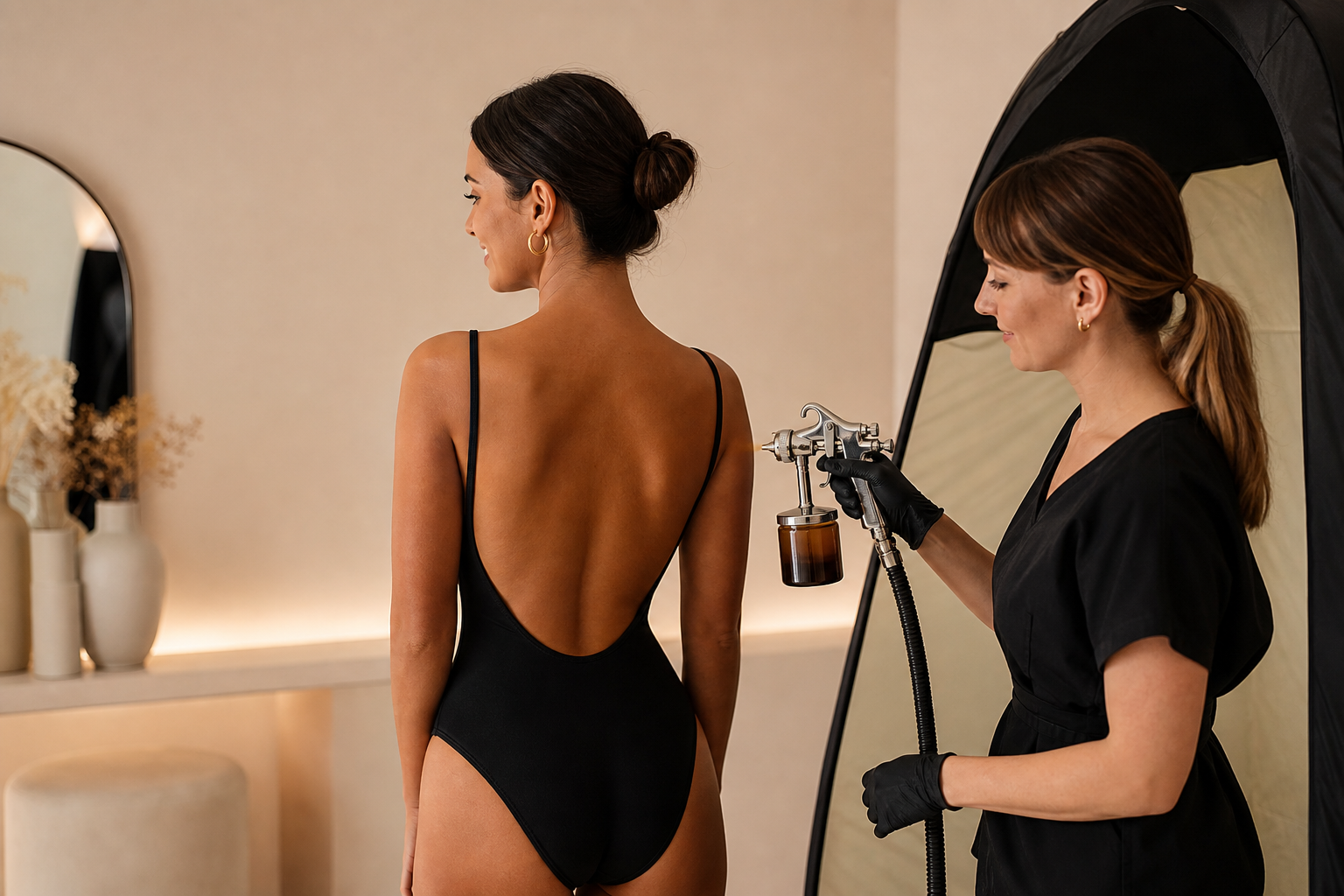
The treatment usually occurs in a specialized spray booth or designated area, where a fine mist is applied to the entire body or targeted zones. During application, clients are advised to stand still, spread limbs, and protect areas where tanning is not desired, ensuring uniform coverage. After the spray, it is essential to allow the solution to dry completely and avoid any moisture or friction that might disrupt the developing color.
Clients should avoid showering or sweating excessively for at least 6-8 hours post-treatment to allow the DHA-induced coloration to mature fully, which generally takes up to 24 hours to achieve the final shade. The resulting tan will continue to deepen slightly over this period, providing a natural bronze look.
How to Choose the Right Spray Tan Shade for Your Skin and Desired Look
Selecting the correct spray tan shade is crucial to attaining a natural and flattering appearance. Generally, fair-skinned individuals benefit from lighter, golden or peach-toned sprays that offer a subtle warmth without overpowering the skin's undertones. Medium skin tones may suit medium bronze hues that enrich natural coloration, while darker complexions can opt for deeper, richer browns that enhance their existing tone.
Professional salons typically offer a range of shades and can provide expert advice based on your skin’s undertone and personal preferences. Avoiding overly orange or unnaturally dark shades is important to maintain authenticity and avoid unwanted artificial or dramatic results.
Adjusting the DHA concentration also allows customization of the tan's depth and longevity. First-time users often prefer milder formulas to test skin response and color suitability before progressively seeking a deeper tan.
Maintenance and Longevity: How Long Does a Spray Tan Last and What Can You Do to Extend It?
A typical spray tan lasts roughly 7-10 days. The durability depends on several factors including skin type, how often you exfoliate, shower temperature, and skincare products used post-treatment.
To maximize the lifespan of your spray tan, it's advisable to avoid hot baths or long showers, as hot water accelerates the exfoliation process and fades the tan prematurely. Using gentle, hydrating cleansers rather than harsh soaps helps preserve the DHA coloration.
Regularly moisturizing the skin with fragrance-free, hydrating lotions supports the skin's barrier and slows the natural shedding of outer skin cells, helping maintain an even, vibrant tan longer. Specialized spray tan aftercare products are also available and can improve the overall quality and duration.
Active lifestyles involving excessive sweating or swimming may shorten a spray tan's lifespan, necessitating more frequent applications to maintain the desired look. Being mindful of these factors allows users to manage expectations and plan accordingly.
Common Questions and Misconceptions About Spray Tanning
Concerns about the safety and effects of spray tanning are widespread. It is important to understand that most commercial spray tan products contain DHA at concentrations approved for topical use and are generally considered safe for the skin. However, individuals with certain allergies or ultra-sensitive skin may experience mild irritation, making a patch test or consultation beneficial before the first session.
A common myth is that spray tanning damages the skin. Since the reaction only occurs on dead skin cells, it does not impact skin health or cellular structure. While some fear an unnatural orange tint, this can be avoided with professional application and appropriate shade selection.
Spray tanning can safely be used on both the face and body. There are specific formulations designed to suit facial skin which tends to be more delicate and requires lighter application. It is imperative to avoid inhaling the mist during application, so salons employ protective measures such as nose plugs or facial barriers when tanning the face.
Lastly, a crucial reminder is that spray tans do not offer UV protection. Regardless of skin color, ongoing use of sunscreen with SPF 30 or higher remains essential to protect skin integrity and reduce risk from sun damage.