Anti-Ageing Facial Treatments – A Complete Guide to Prevention, Correction and Skin Rejuvenation
Anti-ageing skincare is a comprehensive approach to preserving the health, function and appearance of the skin over time. Its purpose is not to stop the natural ageing process or erase every wrinkle, but to slow premature changes, protect the skin from further damage and, when appropriate, reduce existing signs of ageing.
Changes in the skin are not determined by age alone. Their extent is influenced by genetics, sun exposure, smoking, pollution, hormonal changes, diet, sleep, stress, facial movement, skincare habits and previous aesthetic procedures. Two people of the same age may therefore have entirely different needs.
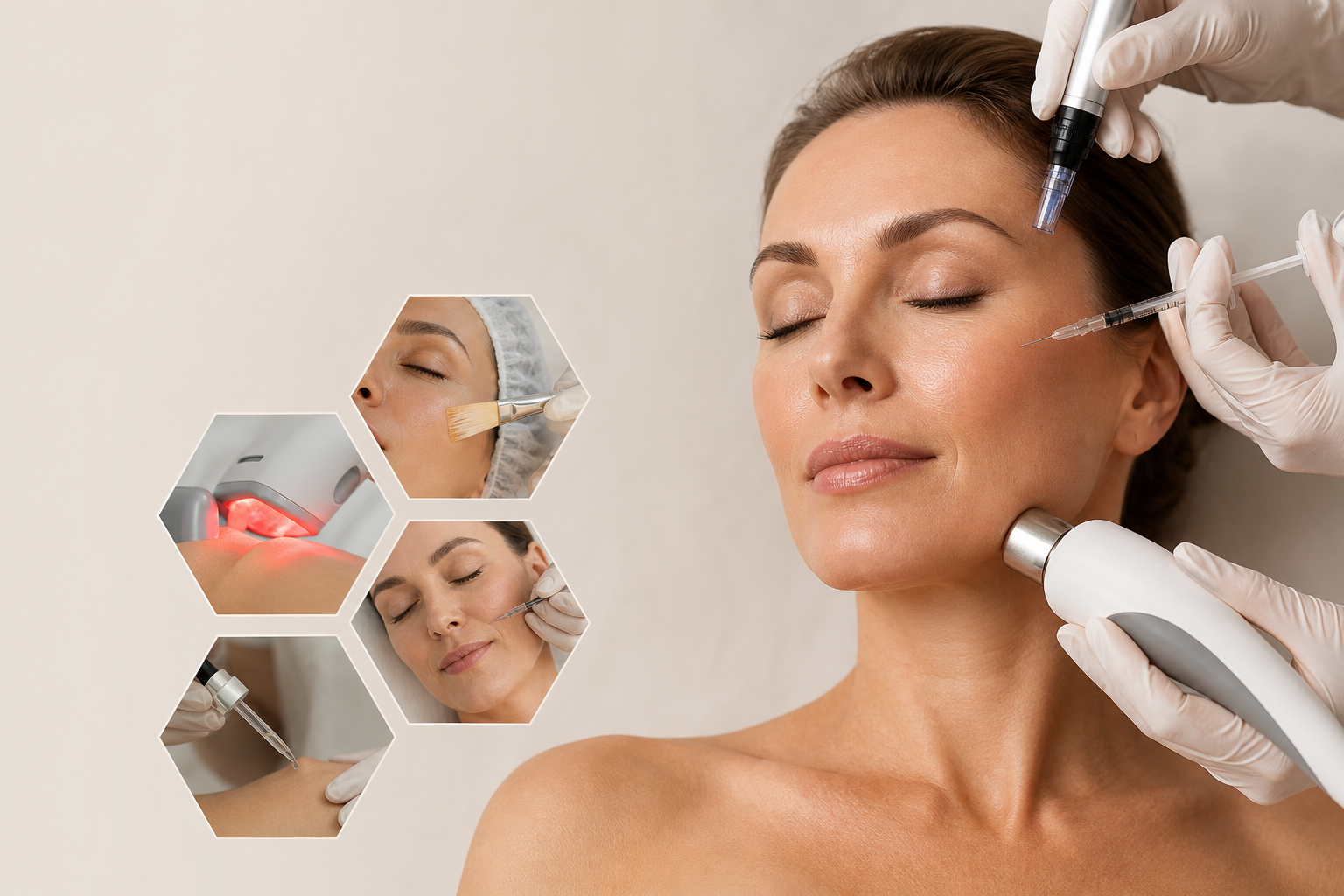
A modern anti-ageing strategy may include appropriate home care, professional cosmetic treatments, collagen-stimulating procedures, laser and energy-based technologies, and medical aesthetic interventions. However, these treatments do not address the same concerns, and no single procedure can simultaneously correct pigmentation, deep wrinkles, volume loss and significant skin laxity.
The best results are achieved by first identifying exactly what needs to be improved and then selecting the least intensive treatment capable of realistically achieving that goal.
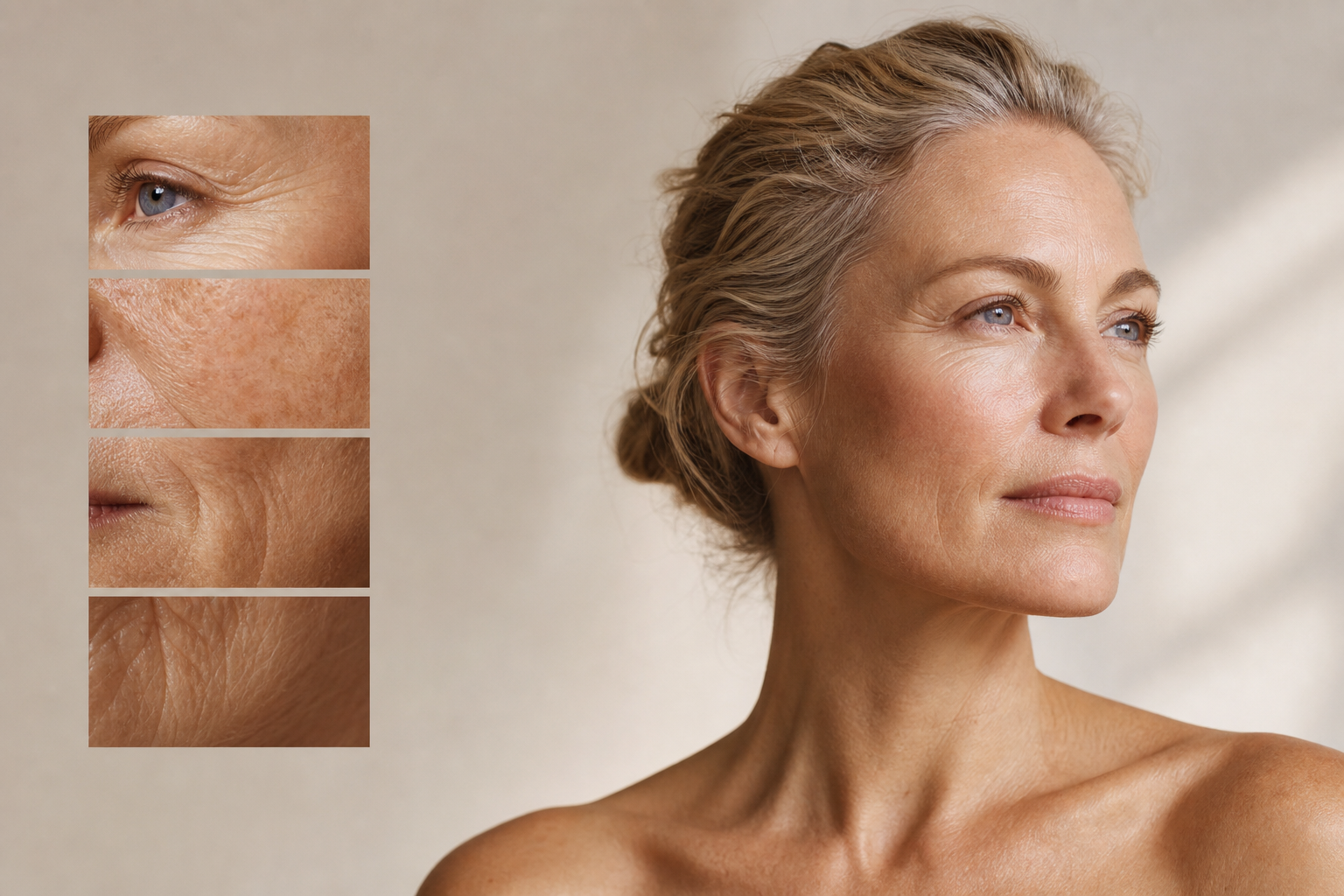
How and Why Does Skin Age?
Skin ageing results from a combination of internal biological processes and external damage that accumulates over time.
Intrinsic, or chronological, ageing is genetically determined. As the years pass, cellular renewal slows, the skin becomes thinner and drier, sebaceous and sweat gland activity decreases, and the supporting structures gradually weaken. Changes occur in the quantity and organisation of collagen, elastin and hyaluronic acid, causing the skin to lose some of its firmness, elasticity and fullness.
Extrinsic ageing is strongly associated with exposure to ultraviolet radiation. Prolonged, unprotected sun exposure contributes to wrinkles, pigmentation irregularities, rougher texture, visible blood vessels and loss of elasticity. This process is known as photoageing.
The American Academy of Dermatology states that regular sun protection can help prevent premature skin ageing, including wrinkles and age spots. Photoprotection should therefore be regarded as the foundation of serious anti-ageing care rather than an optional addition to a skincare routine. American Academy of Dermatology
The appearance of the face is also affected by changes occurring beneath the skin. Over time, the distribution of facial fat, muscle tone and skeletal support may change. A moisturiser that improves hydration and texture cannot replace lost volume or correct significant tissue descent.
Prevention and Correction Are Not the Same
Preventive anti-ageing care aims to slow further skin damage. Its most important elements include daily sun protection, gentle cleansing, adequate moisturisation, avoiding smoking and introducing active ingredients carefully.
Corrective care is used when visible changes have already developed. Depending on the concern, the goal may be to reduce pigmentation, improve texture, soften fine lines, stimulate collagen, replace lost volume or improve skin firmness.
The distinction between prevention and correction is not absolute. A retinoid, for example, may help maintain skin quality while also improving fine lines. Sunscreen prevents additional damage and can also help professional treatment results last longer.
Preventive care does not mean beginning aggressive procedures at a young age. Younger skin without significant changes generally does not require deep collagen stimulation or skin-tightening treatments. Undergoing more procedures does not automatically provide better prevention.
Home Skincare as the Foundation of an Anti-Ageing Strategy
No professional treatment can compensate over the long term for daily unprotected sun exposure, aggressive cleansing or inappropriate use of active ingredients. A well-designed home routine is therefore the foundation of every anti-ageing plan.
The most important step is the daily use of a broad-spectrum sunscreen with at least SPF 30. It should be applied every morning to the face, neck and other exposed areas, and reapplied according to the product instructions during prolonged outdoor exposure.
A moisturiser helps preserve the skin barrier and can temporarily reduce the visibility of fine lines caused by dehydration. The American Academy of Dermatology identifies sunscreen and moisturiser as the two most effective products with which to begin an anti-ageing routine. American Academy of Dermatology
Retinoids are among the best-researched ingredients for addressing fine lines, uneven texture and certain pigmentation changes. However, they can cause dryness, flaking and irritation, so they should be introduced gradually. The American Academy of Dermatology recommends starting with a less intensive formulation and slowly increasing the frequency of use. American Academy of Dermatology
Vitamin C may provide antioxidant support and help improve uneven skin tone, while niacinamide can support the skin barrier and contribute to a more even complexion. Peptides may be a useful addition, but they should not be expected to produce results comparable to medical procedures.
An effective routine does not need ten steps. For most people, gentle cleansing, an appropriate moisturiser, sun protection and one carefully chosen active ingredient are sufficient.
Professional Cosmetic Treatments
Professional cosmetic treatments primarily target the skin’s surface quality. They may improve hydration, temporarily restore radiance, remove superficial dead skin cells and create a smoother, more even texture.
This category may include hydrating facials, mild superficial exfoliation, selected enzyme treatments and non-invasive procedures adapted to the condition of the skin.
Their main advantage is that they usually involve little or no downtime. However, their effects are subtler and shorter-lived than those of medical procedures that create controlled skin injury or act within deeper tissue layers.
Professional cosmetic treatments can be a valuable part of ongoing skin maintenance, but claims that a single non-invasive facial can erase deep wrinkles, permanently tighten the skin or completely restore lost collagen are unrealistic.
Chemical Peels
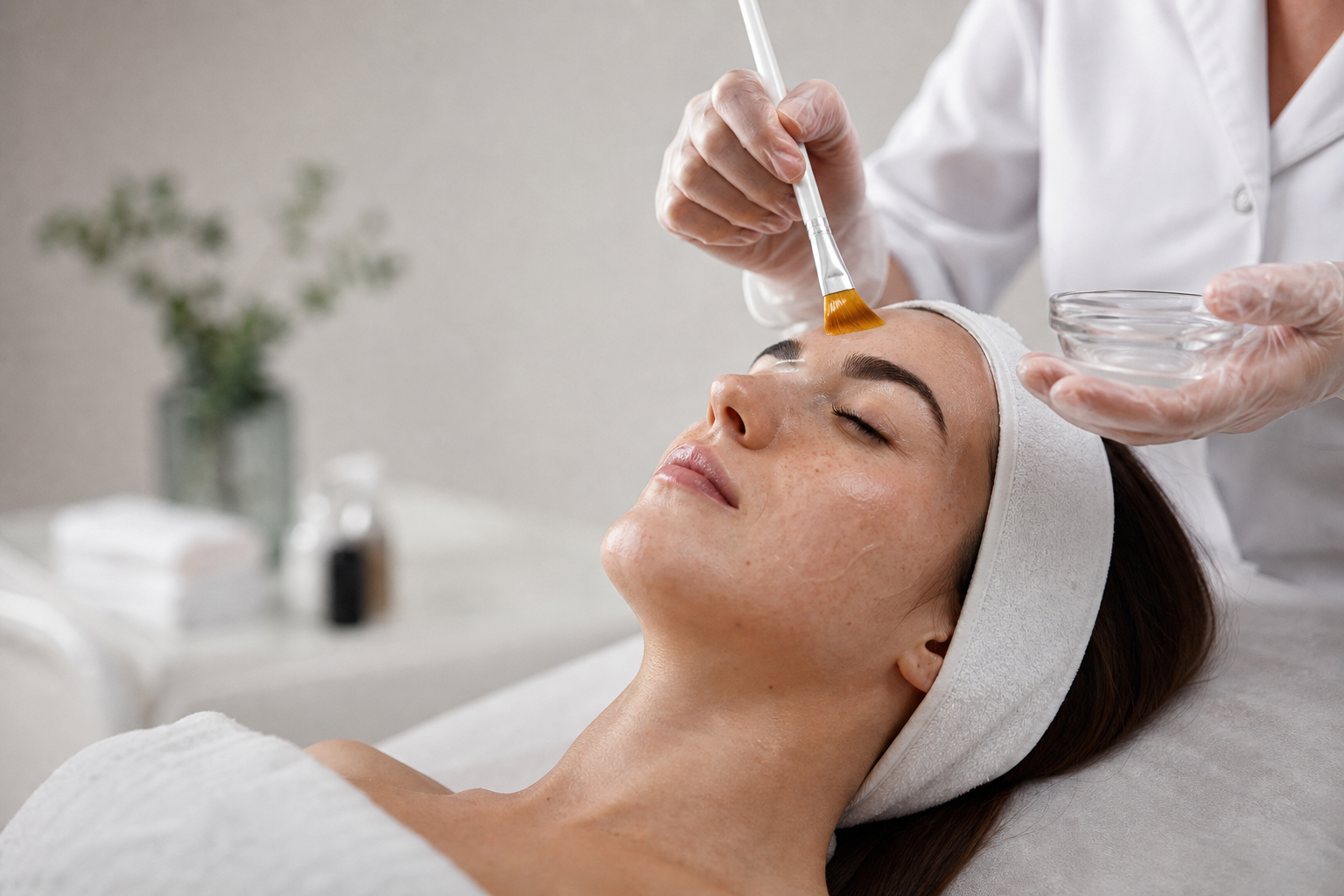
A chemical peel involves the controlled application of a chemical solution that exfoliates the skin to a predetermined depth. Depending on the substance used, its concentration, pH, application time and technique, peels may be superficial, medium-depth or deep.
Superficial peels may help address rough texture, mild pigmentation, fine lines and blemish-prone skin. Medium and deep peels can produce more substantial changes, but they also carry greater risks and require longer recovery periods.
DermNet notes that chemical peels are used to treat photoageing, certain pigmentation concerns, fine lines, wrinkles and acne. The choice of peel must be adapted to the person’s skin phototype, diagnosis and risk of post-inflammatory hyperpigmentation. DermNet
A professional peel is not simply a stronger form of exfoliation. Incorrect treatment can cause prolonged redness, chemical burns, infection, scarring and changes in pigmentation. The deeper the peel, the greater the level of expertise, preparation and aftercare required.
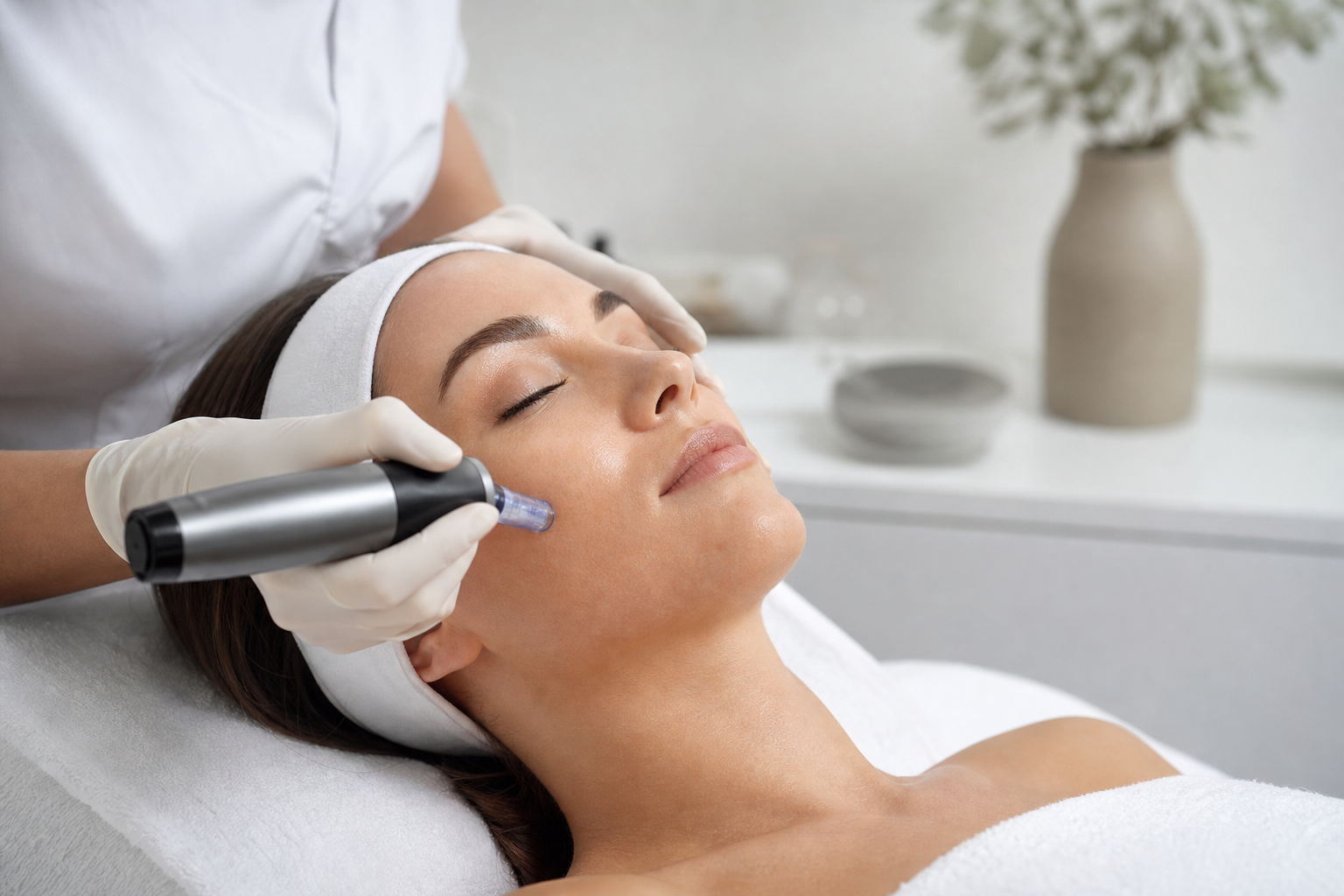
Microneedling and Controlled Skin Stimulation
Microneedling uses fine needles to create controlled microchannels in the skin. By initiating the wound-healing response, it may stimulate tissue remodelling and gradually improve fine lines, certain scars and uneven texture.
Results do not appear immediately because collagen production and reorganisation take time. A course of treatments is often required, with the number of sessions and intervals determined by the concern being addressed, the treatment depth and the individual’s recovery response.
Microneedling is not risk-free. Possible adverse effects include redness, swelling, prolonged irritation, infection, pigmentation changes and scarring. Particular caution is required in the presence of active infections, inflammatory skin lesions, impaired healing or a tendency to develop keloid scars.
Products applied during treatment must be specifically suitable for this type of use. A serum that is safe when applied to intact skin is not automatically appropriate for introduction through microchannels.
Traditional microneedling and radiofrequency microneedling are not the same procedure. RF microneedling combines needles with the delivery of radiofrequency energy into the tissue. In 2025, the US Food and Drug Administration warned of reported serious complications associated with certain uses of RF microneedling devices, including burns, scarring, loss of subcutaneous fat and nerve damage. US Food and Drug Administration
These procedures should therefore be regarded as controlled professional treatments rather than simple cosmetic care or home skincare techniques.
Radiofrequency Skin Treatments
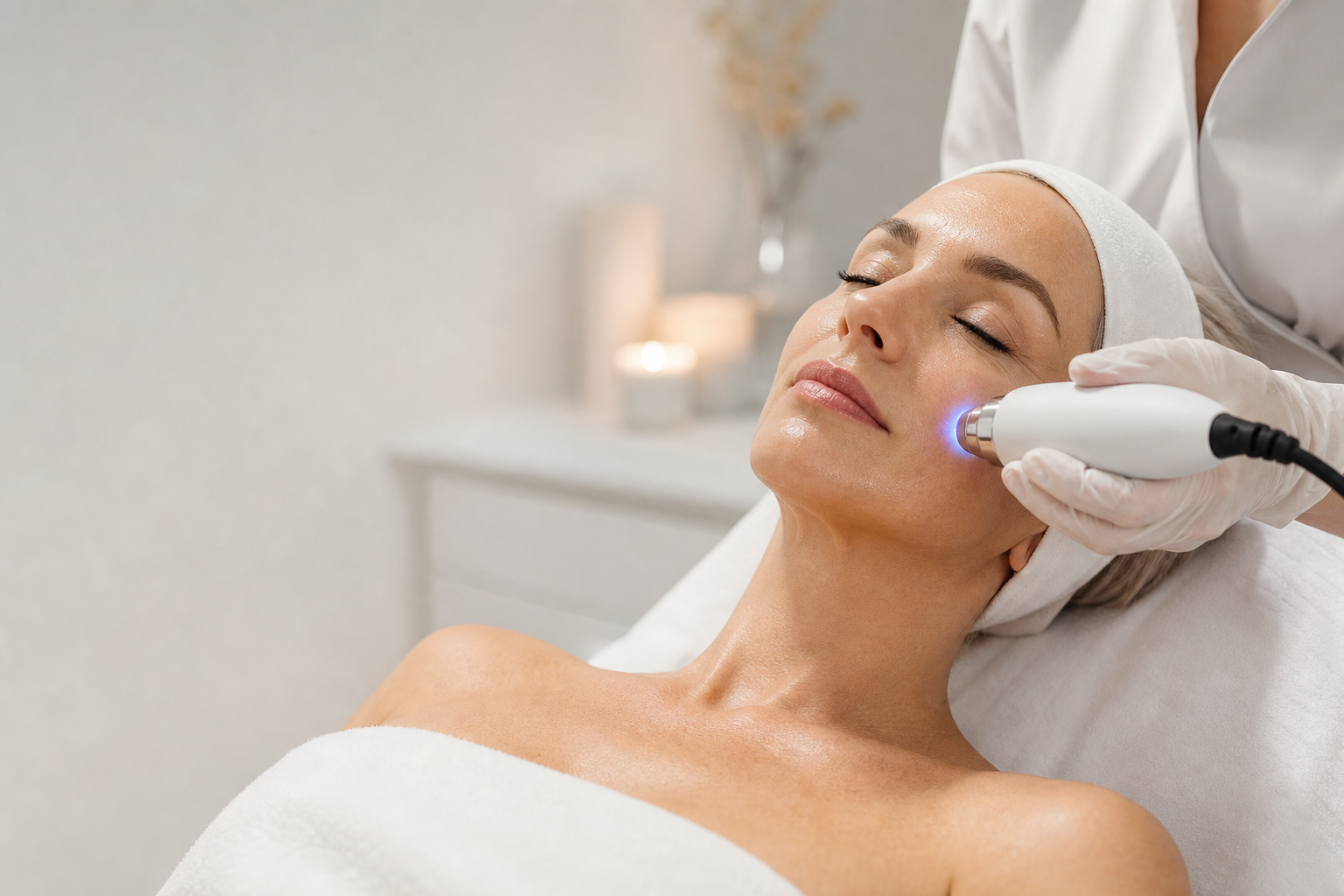
Radiofrequency devices heat targeted tissue to produce a controlled thermal response and stimulate collagen remodelling. They may be used to address mild to moderate skin laxity and improve firmness.
The result depends on the type of device, method of energy delivery, temperature, treatment depth, number of sessions and individual skin characteristics. Changes after non-invasive radiofrequency treatments are usually gradual and subtler than the results of surgical skin tightening.
Radiofrequency treatments are often described as painless and requiring no downtime, but this does not apply to every device or treatment intensity. Temporary redness, swelling and tenderness may occur, while incorrect use can cause burns or unwanted tissue damage.
Radiofrequency cannot remove excess skin or replace a surgical facelift in cases of significant laxity. It is most likely to provide a worthwhile result in appropriately selected patients with mild to moderate changes and realistic expectations.
HIFU and Focused Ultrasound
HIFU and related technologies use focused ultrasound energy to create controlled thermal points at predetermined depths beneath the skin. The aim is to initiate collagen remodelling and gradually improve tissue firmness.
Results are not immediate and usually develop over the following months. Their extent depends on facial anatomy, skin quality, the degree of laxity, the device used and the precision of treatment.
HIFU is not a non-surgical equivalent of a facelift. It may provide moderate improvement in a suitable candidate, but it cannot remove substantial excess skin or reliably replace significant lost volume.
Potential adverse effects include pain, tenderness, redness, swelling, bruising, temporary numbness, burns and nerve irritation. Mayo Clinic also lists possible changes in skin colour, skin irritation, burns and nerve-related effects. Mayo Clinic
Because the treatment acts at depth and may be performed near important anatomical structures, device quality and practitioner training are particularly important.
Laser Skin Rejuvenation
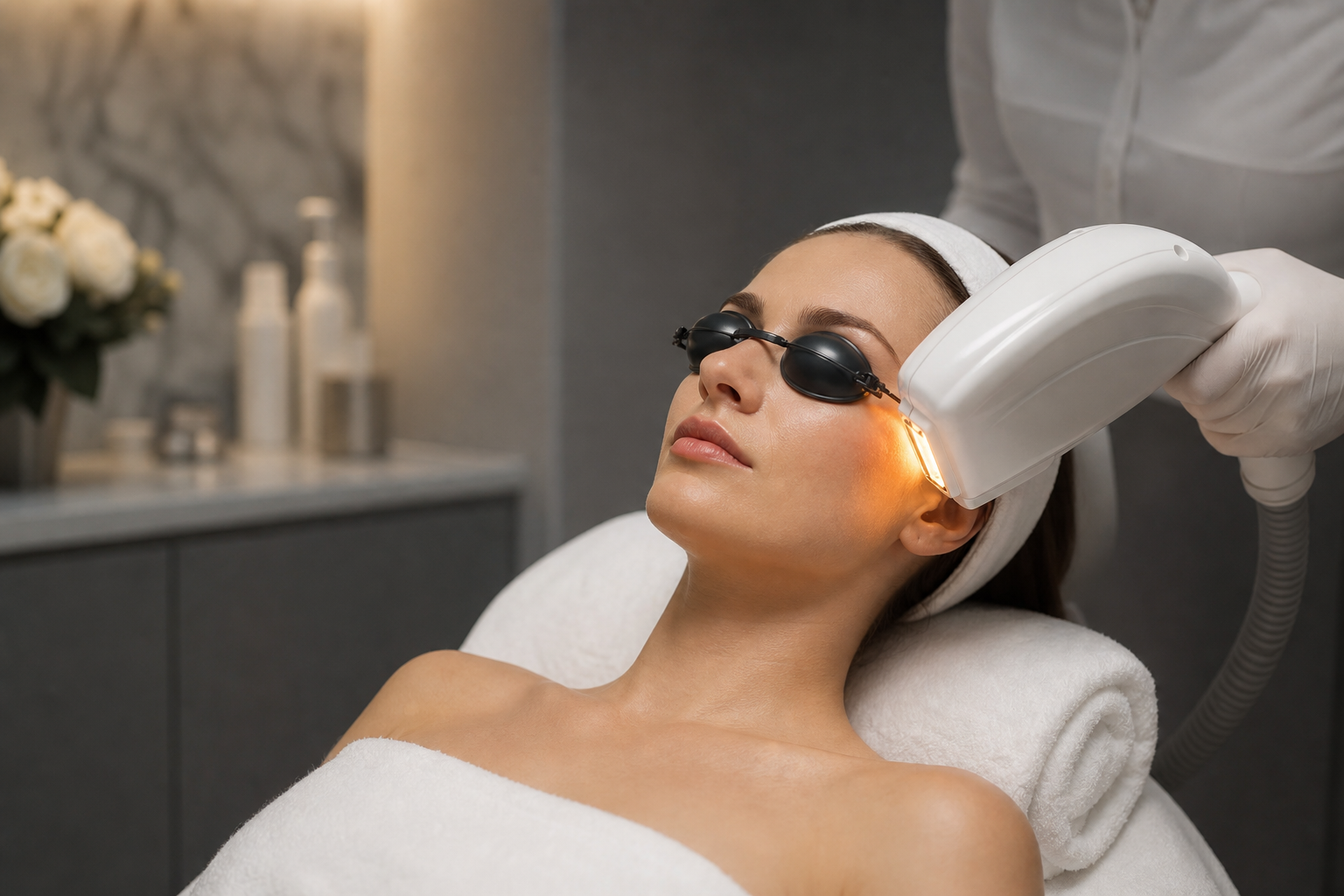
Laser treatments use controlled light energy to target different structures within the skin. Not all lasers are the same, and a device intended for one concern may not be suitable for another.
Ablative lasers remove part of the surface tissue and may produce more pronounced results for wrinkles, scars and significant textural damage, but they require a longer recovery period.
Non-ablative lasers work with less disruption to the skin’s surface and generally involve shorter downtime, although multiple sessions may be required. Fractional systems treat microscopic columns of skin while leaving surrounding tissue intact to support faster healing.
DermNet identifies ablative, non-ablative and fractional systems as the principal modern approaches to laser resurfacing. DermNet
Laser treatments may be designed to address texture, fine lines, pigmentation, redness or scarring, but a laser appropriate for one condition will not necessarily improve another.
Treatment of darker skin tones and skin prone to pigmentation requires particular care when selecting the device and parameters. Inappropriate energy settings, inadequate preparation or improper aftercare may result in burns, prolonged redness, infection, scarring or post-inflammatory hyperpigmentation.
Botulinum Toxin, Dermal Fillers and Biostimulators
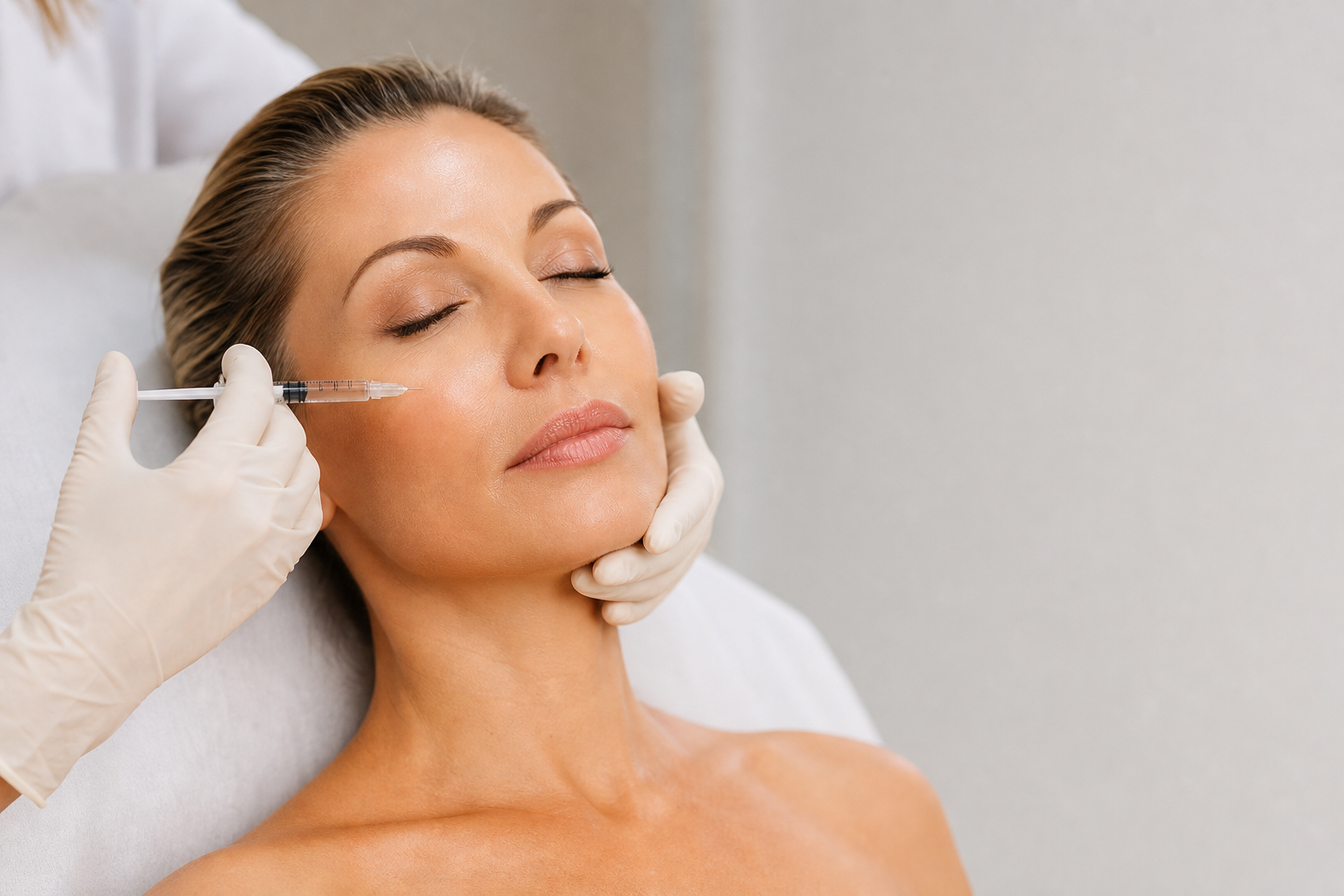
Botulinum toxin is primarily used to soften dynamic wrinkles caused by repeated muscle movement, such as frown lines, horizontal forehead lines and crow’s feet. It does not directly improve the surface quality of the skin or restore lost facial volume.
Dermal fillers are used to replace volume, contour selected facial areas and soften certain folds. The result depends on the chosen product, the individual’s anatomy, the practitioner’s technique and the amount injected.
Biostimulatory injectables are intended to encourage gradual collagen production. They do not create the same immediate volume as traditional hyaluronic acid fillers and are not appropriate for every facial area.
These procedures carry risks that may include swelling, bruising, asymmetry, infection and unwanted aesthetic outcomes. Dermal fillers also carry a rare but serious risk of accidental injection into a blood vessel, which requires immediate recognition and appropriate medical management.
Injectable treatments should therefore be performed by a qualified medical professional with a detailed understanding of facial anatomy and a clear protocol for managing potential complications.
How Should a Treatment Be Selected: By Concern or by Age?
Age provides useful context, but it is not sufficient for selecting an aesthetic procedure. It is more important to assess what has actually changed in the skin and underlying tissues.
For fine lines and early textural changes, appropriate home skincare, retinoids, superficial peels and selected non-ablative treatments may be considered.
More advanced photoageing, rough texture and certain scars may respond to microneedling, medium-depth peels or laser procedures, depending on the person’s skin phototype and diagnosis.
For mild laxity, radiofrequency or ultrasound-based treatments may be considered, with the understanding that the expected improvement is generally moderate.
Dynamic wrinkles require a different approach from lines caused by volume loss. The former may respond to botulinum toxin, while the latter may be addressed with fillers or biostimulators.
Substantial excess skin and significant tissue descent generally cannot be corrected with creams or non-invasive devices. In such cases, a surgical consultation may provide a more realistic assessment of the available options.
How to Set Realistic Expectations
Anti-ageing treatments can improve specific skin characteristics, but they cannot alter the entire anatomy of the face or stop the ageing process.
Results may be temporary or longer-lasting, but no treatment is permanent in the absolute sense. The skin and supporting tissues continue to change, while sun exposure, hormones, genetics and lifestyle continue to influence them.
It is important to distinguish between:
temporary hydration and genuine collagen stimulation;
improved texture and actual skin tightening;
reduction of pigmentation and complete removal of every mark;
volume replacement and surgical tissue repositioning;
results visible in controlled photographs and changes noticeable in everyday life.
Before-and-after photographs should be taken under the same lighting, from the same angle, with the same facial expression and without filters. Otherwise, they may create a misleading impression of the treatment outcome.
Risks, Contraindications and Recovery
Every procedure capable of producing a visible change carries a degree of risk. The absence of a surgical incision does not make a treatment harmless.
Before undergoing a procedure, the consultation should address:
pregnancy and breastfeeding;
active infections and herpes simplex;
eczema, rosacea, psoriasis and other skin conditions;
a tendency to form keloid scars;
blood-clotting disorders;
medication and supplement use;
isotretinoin and other relevant treatments;
allergies;
previous fillers, implants and procedures;
susceptibility to hyperpigmentation;
the expected recovery period.
Mild redness is not the same as a complication. However, intense pain, blistering, sudden blanching or darkening of the skin, worsening swelling, fever or signs of infection require prompt professional assessment.
How Should Anti-Ageing Procedures Be Combined?
Combining treatments can be useful when each procedure addresses a different concern. However, more treatment does not automatically mean a better result. Insufficient time between procedures can prolong inflammation, damage the skin barrier and increase the risk of pigmentation changes or scarring.
A procedure that disrupts the skin’s surface should not routinely be combined with another intensive treatment without a clear clinical reason and recovery plan.
A considered approach includes:
identifying the primary concern;
stabilising the skin barrier;
establishing appropriate home care;
selecting one principal procedure;
assessing the result after full recovery;
only then considering an additional treatment.
Treatment combinations should be planned according to diagnosis, skin phototype, season, previous reactions and the skin’s overall capacity to recover.
What Might an Annual Anti-Ageing Plan Look Like?
There is no universal calendar that suits everyone. An annual plan should be determined by the person’s goals, the type of treatment and their lifestyle.
The foundation remains consistent throughout the year: gentle cleansing, moisturisation, daily photoprotection and carefully selected active ingredients.
Superficial professional treatments may be scheduled periodically according to the condition of the skin. Chemical peels, microneedling and laser procedures require individual treatment intervals and appropriate sun protection.
Autumn and winter may be more practical for procedures after which strict avoidance of strong sun exposure is especially important. This does not mean every peel is prohibited during spring or summer. The decision depends on treatment depth, climate, personal behaviour and the ability to follow photoprotection instructions consistently.
Energy-based procedures should not automatically be repeated once or twice a year without reassessment. The need for maintenance depends on the device, the starting condition, the tissue response and the treatment goal.
How to Recognise a High-Quality Consultation
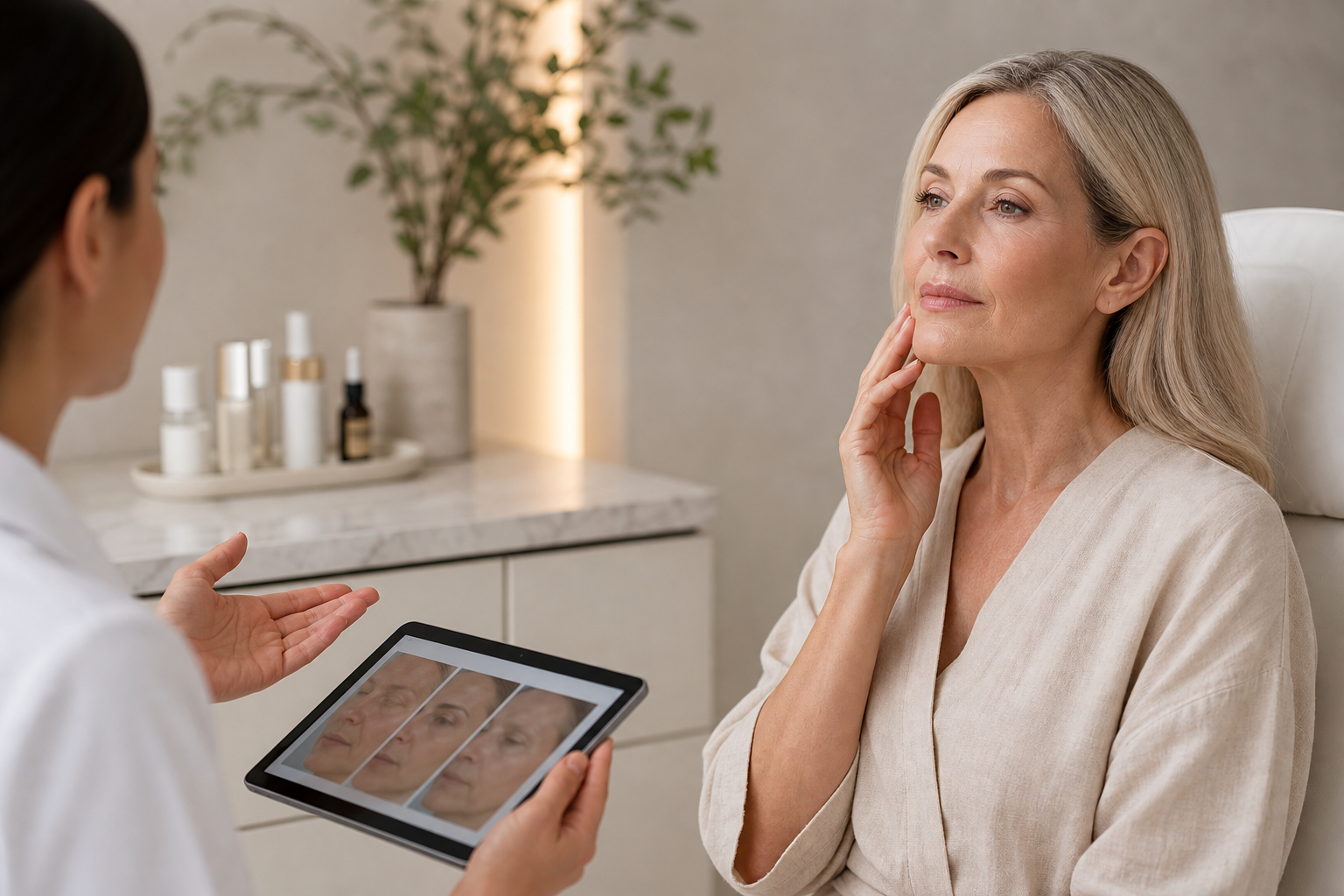
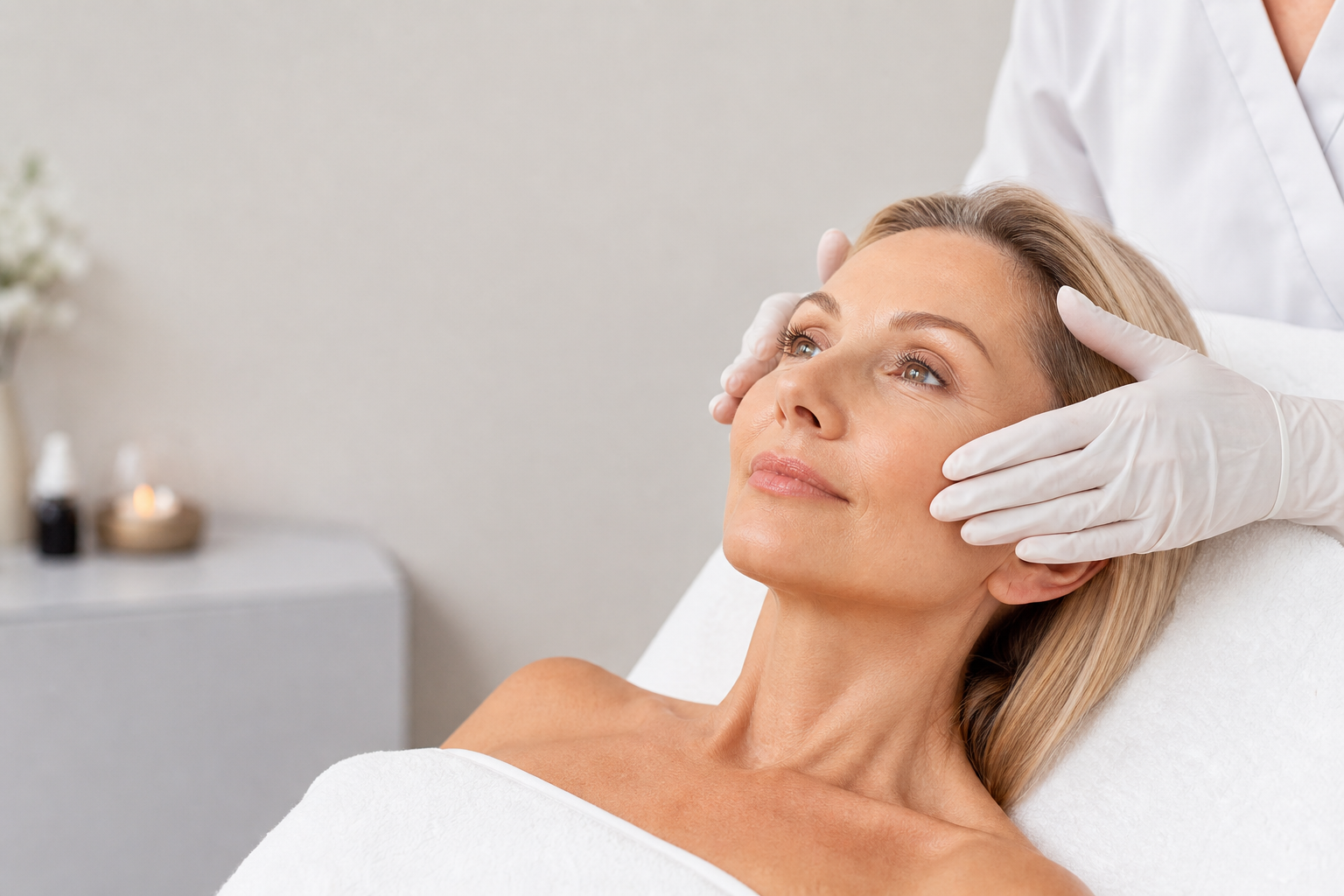
A good consultation does not begin with a recommendation for the most expensive device. The practitioner should first assess the skin, facial anatomy, medical history, previous procedures and the person’s expectations.
A qualified professional should clearly explain:
which concern the treatment may improve;
what the treatment cannot change;
how many sessions may be required;
when the result is expected to appear;
how long the result may last;
what recovery will involve;
the common and serious risks;
what should be done before and after treatment;
who will perform the procedure;
which exact device or injectable product will be used.
Caution is appropriate when someone promises a guaranteed result, complete absence of risk, a replacement for surgical lifting or a dramatic transformation from a treatment that is not capable of producing one.