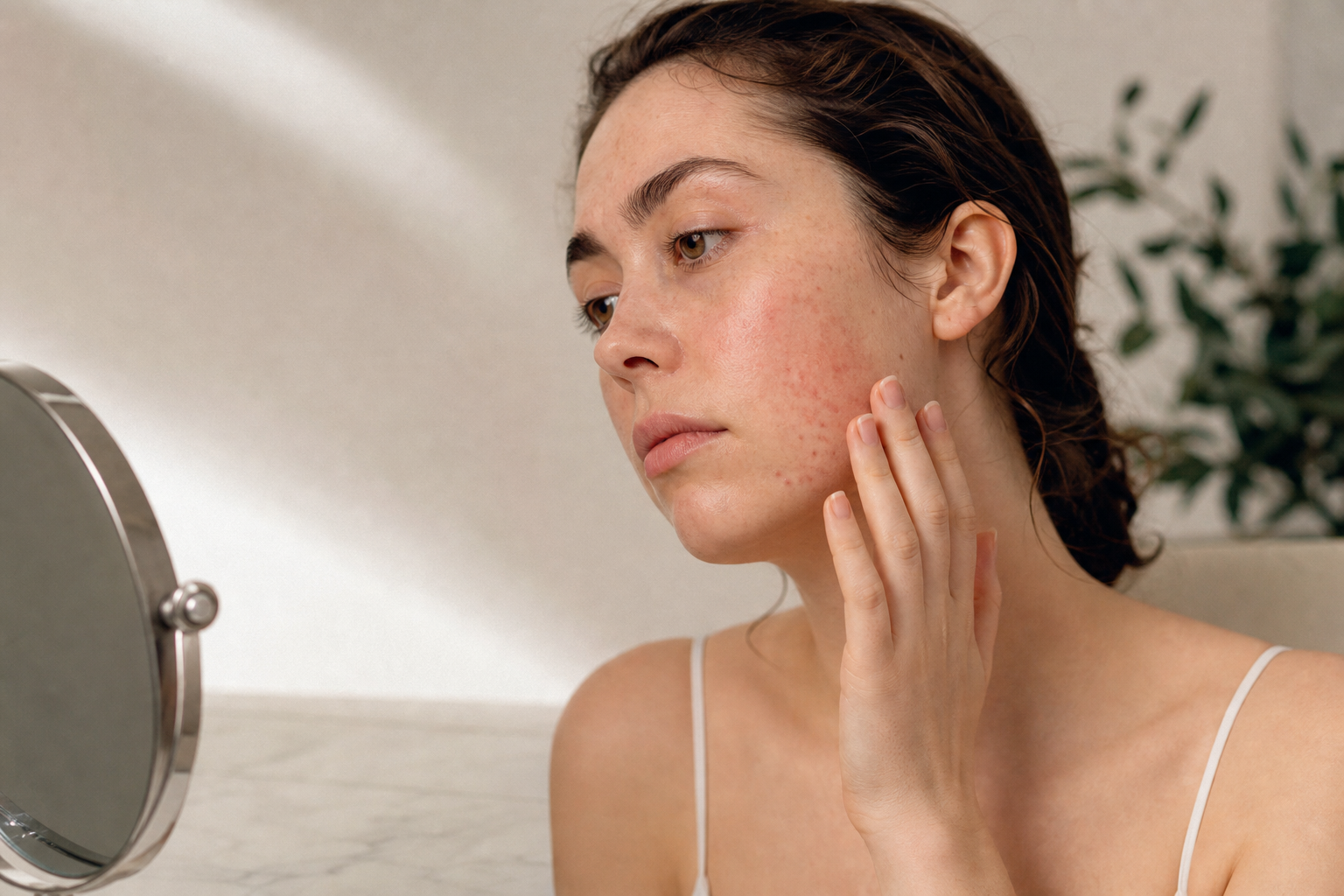
Adult acne in women is a skin concern that transcends the common perception of acne as merely a teenage issue. It represents a multifaceted challenge involving both aesthetic and health aspects, often intertwined with hormonal fluctuations and lifestyle factors unique to adult women. This condition affects many women well beyond adolescence and can carry considerable emotional and psychological impacts, making its proper understanding and management a vital part of comprehensive facial care, especially within anti-aging treatment programs.
This article aims to serve women who face the frustrating experience of adult acne, providing expert, precise, and practical information relevant to their skin concerns. It also speaks to skincare professionals and enthusiasts interested in the intersection of acne treatment and anti-aging facial therapies. Given the complexity and nuances of acne in adulthood, informed approaches that balance effective management with skin rejuvenation are increasingly demanded. Understanding the indications, realistic expectations, safety considerations, and when to pursue specialist consultation is imperative for optimal outcomes. By delving into these areas, readers can appreciate how adult acne fits into the broader context of maintaining youthful, healthy skin.
How Does Adult Acne Differ from Teenage Acne in Women?
Adult acne in women is a chronic skin condition marked by persistent breakouts such as blackheads, whiteheads, papules, and pustules, often accompanied by inflammation. Unlike adolescent acne, which is primarily driven by the surge of androgen hormones activating sebaceous glands during puberty, adult acne has a more complex and varied origin.
Hormonal influences remain central but are modulated by factors unique to adult physiology—menstrual cycles, pregnancy, menopause, and stress all play contributory roles. Additionally, environmental influences such as diet, skincare product choices, medication use, and lifestyle stressors create a multifactorial backdrop for adult acne manifestations.
The characteristic distribution of acne lesions also varies: adult female acne commonly appears around the lower face, including the jawline, chin, and neck, contrasting with teenage acne typically affecting the forehead and cheeks. These distinctions necessitate tailored approaches to both diagnosis and treatment, as protocols effective in adolescence may fall short or exacerbate issues in mature skin.
What Are the Primary Indications for Treating Adult Acne in Women?
Treatment indications extend beyond mere presence of lesions. Persistent acne that does not resolve with basic skincare, recurrent breakouts that cause discomfort or scarring, and acne that negatively affects emotional well-being or self-esteem underscore the need for professional intervention.
Additionally, the appearance or worsening of acne during or following anti-aging facial treatments warrants careful evaluation. This scenario suggests either a reaction to treatment modalities or an underlying dermatologic condition that requires adjustment of the skincare regimen. Other signs prompting consultation include the presence of hyperpigmentation, uneven skin texture, or prolonged inflammatory responses.
Women experiencing irregular menstrual cycles, sudden flare-ups linked to stress, or worsening of acne despite over-the-counter products should seek assessment from qualified dermatologists or skincare specialists. Comprehensive evaluation, potentially including hormonal profiling, is crucial to identify contributing factors and guide appropriate interventions.
What Benefits Can Women Expect from Integrating Acne Treatment within Anti-Aging Regimens?
Incorporating acne management into anti-aging facial treatments offers significant benefits. It promotes reduction of inflammation and redness—key contributors to premature skin aging—and helps normalize sebum production, reducing the potential for new breakouts.
Anti-aging therapies focusing on hydration and skin barrier repair complement acne treatment by improving overall skin resilience. Gentle exfoliation techniques, such as tailored chemical peels or enzymatic masks, help remove dead cells and unclog pores, fostering an even skin tone and refining texture.
Moreover, non-invasive treatments leveraging ultrasonics or light-based therapies can stimulate collagen synthesis, further enhancing skin firmness and elasticity. This integrated approach not only addresses acne symptoms but simultaneously supports skin renewal processes imperative for maintaining a youthful appearance.
How Do Needle-Free Facial Treatments Address Adult Female Acne?
Non-invasive facial procedures are increasingly favored for managing adult acne due to their safety and compatibility with mature, often sensitive skin. Techniques such as low- to medium-strength chemical peels, LED phototherapy, and ultrasonic cleansing provide therapeutic benefits without causing trauma or significant downtime.
These modalities work by targeting multiple acne-related factors: reducing bacterial colonization, diminishing inflammation, regulating lipid production, and facilitating cellular turnover. For instance, blue and red LED light therapy specifically suppress Cutibacterium acnes bacteria and promote anti-inflammatory responses.
Ultrasound-assisted treatments enhance penetration of active ingredients, boosting efficacy while maintaining skin integrity. Such options are particularly advantageous in anti-aging contexts where preserving natural skin layers and avoiding irritation are critical.
When Should Women with Adult Acne Consult a Specialist?
Expert consultation is advisable when acne persists beyond several months despite consistent skincare, especially when accompanied by severe inflammation, pain, or scarring. Sudden deterioration or appearance of lesions resistant to routine treatments also signals a need for professional evaluation.
Additionally, women should seek specialized advice if they notice any adverse reactions following cosmetic procedures or skincare product usage. Those with sensitive or allergy-prone skin must prioritize guidance to avoid exacerbating conditions.
Healthcare professionals may recommend diagnostic investigations such as hormonal assays or microbial cultures to uncover underlying causes. Tailored treatment plans developed collaboratively with a dermatologist or skilled aesthetician ensure safer outcomes and improved long-term management.
What Are Common Misconceptions Surrounding Adult Female Acne?
One prevalent myth is that acne resolves completely after adolescence. On the contrary, many women experience acne well into their forties and fifties, often linked to hormonal transitions like perimenopause and menopause. Recognizing this reality helps dispel stigma and encourages timely care.
Another misconception is the inappropriate use of teenage acne products for adult skin, which can lead to dryness, irritation, or insufficient results. Skincare formulations must be carefully chosen to address adult skin’s unique needs and sensitivities.
Sun exposure is sometimes incorrectly considered a remedy for acne due to its temporary skin-drying effects; however, ultraviolet rays can aggravate pigmentation issues and accelerate aging. Therefore, regular application of broad-spectrum sunscreens is essential in all skincare protocols involving acne.
How to Decide Between Professional and Home-Based Acne Treatments?
Home regimens are valuable for managing mild or intermittent acne cases, emphasizing consistent cleansing, gentle exfoliation, and targeted moisturization. Yet, when lesions are persistent, inflamed, or extensive, professional treatments provide superior outcomes through specialized techniques and customized product applications.
Professional care also enables accurate skin assessment and detection of secondary complications, which may go unnoticed with self-treatment. A hybrid model combining guided clinical procedures with supportive home care often yields the best results.
What Should Women Undergoing Anti-Aging Treatments Expect If They Have Adult Acne?
Anti-aging therapies adapted for women with acne aim to gradually decrease lesion frequency and inflammation while improving skin texture and promoting hydration. Results typically accumulate over multiple sessions, emphasizing the importance of patience and adherence to treatment schedules.
Safety is paramount; thus, treatments avoid aggressive exfoliation or harsh chemicals that could compromise the skin barrier or trigger flare-ups. Instead, they focus on gentle rejuvenation and restoring balance, ensuring the skin remains resilient and radiant.


