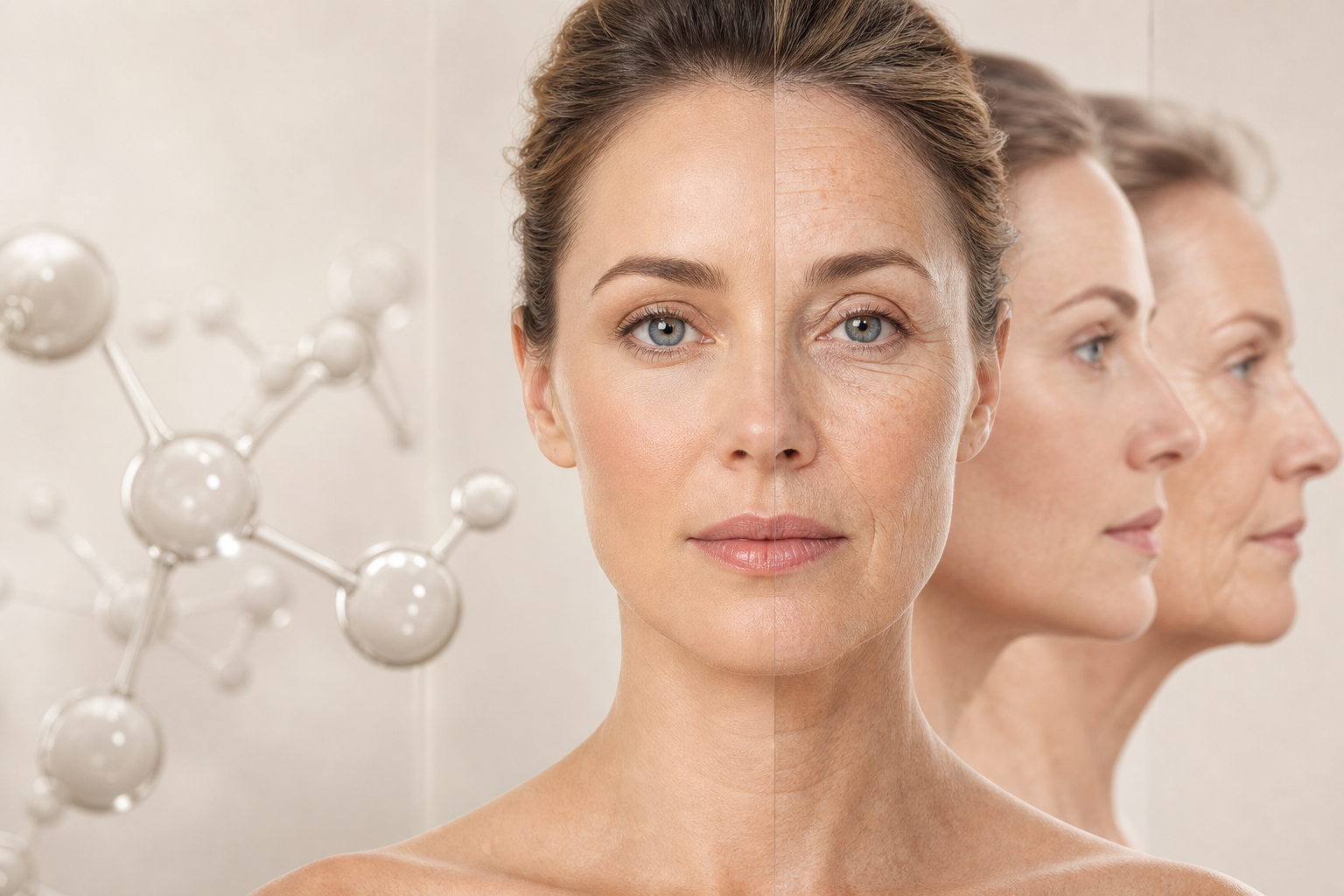
Skin aging is an inevitable biological process that manifests uniquely in every individual. Understanding the distinctions between chronological and premature skin aging is essential for anyone seeking effective skincare, especially within the realm of anti-aging facial treatments. This knowledge empowers informed decisions regarding treatment strategies tailored to the specific nature of one’s skin aging, optimizing outcomes while ensuring safety.
This article is intended for readers who desire a thorough comprehension of the two primary aging processes affecting the skin's appearance and function. It explains the defining characteristics of each aging type, reveals their underlying causes, and discusses suitable anti-aging interventions. By clarifying these differences, individuals and professionals alike can devise more precise, targeted facial care regimens that preserve skin vitality and youthfulness.
The importance of distinguishing chronological from premature skin aging extends beyond aesthetics, as it influences treatment selection, expected results, and safety precautions. Whether you are a skincare enthusiast, a practitioner, or simply an individual attentive to your skin’s health over time, grasping these concepts is a vital step toward achieving and maintaining a radiant complexion.
What Is Chronological Skin Aging and How Does It Present?
Chronological skin aging is the natural, intrinsic aging process driven primarily by genetic and biological factors. Starting approximately in the mid-twenties, the skin undergoes gradual changes reflecting the body’s internal aging mechanisms. This process unfolds at a relatively steady pace and affects the skin’s fundamental properties such as elasticity, hydration, and structural integrity.
At a cellular level, chronological aging involves a decline in the production of collagen and elastin—proteins integral to maintaining skin firmness and suppleness. The capacity to synthesize hyaluronic acid, which contributes to skin moisture and volume, also diminishes progressively. As a result, the skin thins, loses elasticity, and exhibits fine lines that may evolve into more pronounced wrinkles over time.
Visually, the aging face may lose some of its youthful contours due to the decreased volume beneath the skin surface, leading to sagging and less defined features. These changes are considered normal and universal, although the speed and extent can vary widely depending on individual genetics, overall health, and lifestyle. Importantly, chronological aging reflects not just cosmetic changes but also a reduction in the skin's functional capacity, influencing its ability to repair itself and defend against environmental challenges.
What Causes Premature Skin Aging and How Can It Be Identified?
Premature skin aging, often referred to as extrinsic aging or photoaging, is primarily the result of environmental exposures and adverse lifestyle factors that accelerate the natural aging process. The predominant catalyst is ultraviolet (UV) radiation from sunlight, which penetrates the dermal layer, damaging collagen and elastin fibers and generating harmful free radicals that degrade skin cells.
Aside from UV exposure, other contributors to premature aging include chronic smoking, air pollution, poor nutrition, and prolonged psychological stress. These factors collectively exacerbate oxidative stress within skin cells, impairing their function and structure more rapidly than temporal aging alone.
Pigmentation irregularities such as dark spots (hyperpigmentation), rough skin texture, uneven skin tone, and deeper, more extensive wrinkles are hallmark signs of premature aging. Unlike chronological aging, these features tend to appear earlier and are often more pronounced. Recognizing these manifestations promptly is crucial to initiating corrective interventions that can mitigate further damage and restore healthier skin appearance.
Who Should Consider Anti-Aging Facial Treatments and When Are They Appropriate?
Anti-aging facial treatments are suitable for individuals seeking to decelerate visible signs of skin aging or improve existing signs of aging, whether chronological, premature, or a combination of both. Candidates include adults noticing early fine lines or skin dullness, as well as those encountering more advanced wrinkles, pigmentation issues, or loss of firmness.
For chronological aging, interventions typically focus on nourishing and stimulating the skin’s own regenerative pathways—enhancing collagen and elastin production and increasing hydration. Treatments aim to reinforce natural aging progression, preserving and improving the skin’s health and appearance over time.
In contrast, premature aging often requires a multifaceted approach that combines intense skin regeneration with the correction of sun-induced damage. These treatments address pigmentation irregularities, texture disturbances, and oxidative damage while promoting detoxification and barrier restoration.
Regardless of the aging type, consultation with a qualified dermatologist or licensed skincare specialist is imperative. Professional evaluation enables precise diagnosis, ensures treatment suitability, tailors programs to individual skin needs, and minimizes risks from improper or unsuitable procedures.
What Are the Most Effective Non-Invasive Anti-Aging Treatments for Different Types of Skin Aging?
A wide range of non-invasive, non-surgical anti-aging facial treatments is available today, each suited to specific aging profiles and skin conditions. These include chemical peels, microdermabrasion, dermal hydration therapies with hyaluronic acid, topical retinoids, and advanced technologies employing radiofrequency energy or LED light therapy to stimulate collagen remodeling.
For natural, chronological aging, the primary objectives are to restore moisture, strengthen skin elasticity, and revitalize cellular turnover. Hyaluronic acid treatments effectively replenish hydration and volume, while mild chemical peels encourage exfoliation and epidermal renewal. Radiofrequency and light-based therapies promote deeper dermal collagen synthesis, addressing early wrinkles and laxity.
When managing premature aging, treatments prioritize reversing environmental damage and improving texture and pigmentation. Stronger chemical peels or laser therapies may be employed to target sun spots and uneven skin tone, while antioxidant-rich topical formulas protect against further oxidative damage. Combining modalities often yields superior outcomes by addressing multiple aging factors concurrently.
It is important to realize that while these treatments can significantly improve signs of aging and skin health, they do not halt aging entirely. Treatment plans should be realistic, factoring in individual skin characteristics, age, and lifestyle, and always accompanied by ongoing at-home care to maintain results.
What Should Patients Expect Regarding Outcomes, Limitations, and Safety With Anti-Aging Treatments?
Anti-aging treatments can offer visible improvements in skin texture, firmness, and the reduction of fine lines and pigmentation irregularities. However, results typically develop gradually and require multiple sessions combined with consistent maintenance. Immediate transformations are uncommon, and the durability of effects depends on adherence to skincare regimens and lifestyle adjustments.
Limitations inherent to these treatments revolve around the severity of skin aging, genetic factors, and the individual's overall health. More advanced wrinkles or deeper structural changes may require adjunctive or invasive procedures for optimal correction. Importantly, treatments cannot reverse the intrinsic aging clock but can appreciably slow or mask its visual impact.
Safety considerations are paramount, particularly given the variability in individual skin sensitivity and the potential for adverse reactions. Consulting trained professionals ensures that treatments are customized, contraindications are identified, and protocols are followed precisely to minimize complications such as irritation, inflammation, or hyperpigmentation.
Post-treatment care, including diligent use of broad-spectrum sunscreen and appropriate skincare products, is essential to protect skin and preserve treatment benefits. Patients should be informed about realistic expectations, possible side effects, and the importance of ongoing skin health management.
When Is It Crucial to Seek Expert Advice Before Starting Anti-Aging Procedures?
Professional consultation is always advisable before initiating anti-aging interventions, particularly if significant or unexplained changes in the skin’s appearance and texture are present. If you notice deepening wrinkles, persistent dryness, sudden discolorations, or unusual sensitivity without clear causes, a specialist’s evaluation is necessary to rule out underlying medical conditions.
Individuals with pre-existing skin disorders such as eczema, psoriasis, rosacea, or adult-onset acne require specific assessment to avoid exacerbating symptoms. Additionally, experienced advice is crucial for those with histories of allergic reactions or skin sensitivity to ensure safe treatment selection and execution.
Regular dermatological check-ups can also monitor treatment progress, adapt strategies based on skin responses, and provide timely adjustments to care plans, greatly enhancing the effectiveness and safety of anti-aging regimens.


