In recent years, spray tanning has surged in popularity as a convenient and sun-safe alternative for achieving a bronzed glow. For many, the appeal lies in obtaining a tanned look without the damaging ultraviolet (UV) rays that traditional sunbathing or tanning beds impose. However, as more people explore spray tanning to enhance their skin’s appearance, questions naturally arise about its safety profile. Understanding how spray tanning works, particularly the role of dihydroxyacetone (DHA), its protective measures, and potential precautions is crucial for anyone considering this cosmetic procedure.
This comprehensive exploration delves into the science and safety of spray tanning, addressing its suitability for a diverse audience—from those with sensitive skin and specific medical conditions to pregnant individuals. Additionally, it underscores the critical distinction between spray tanning and sun protection, clarifying misconceptions about its effects on UV defense. Equipped with accurate information, readers can make responsible choices about incorporating spray tanning into their beauty routine.
At its core, spray tanning involves applying a fine mist containing DHA—a sugar-based compound that interacts with the skin’s outer layer to produce a temporary tan-like coloration. Unlike sun-induced tans, which are a result of oxidative stress and melanin production deep within the skin, DHA’s effect is purely superficial and fades as the skin naturally exfoliates. This fundamental difference informs many safety considerations discussed herein.
What Is DHA and How Does It Create a Tan?
Dihydroxyacetone, commonly abbreviated as DHA, is the active ingredient in most spray tanning formulations. It is a carbohydrate derived mainly from plant sources like sugar beets and sugar cane. When applied to the skin, DHA chemically reacts with amino acids in the keratin layer of the epidermis to form brown-colored compounds known as melanoidins. This Maillard reaction is responsible for the instant tanning effect seen after application.
Importantly, DHA acts only on the surface stratum corneum—the outermost layer made up of dead skin cells—and does not penetrate into the living layers beneath. Because of this limited skin interaction, the resulting tan is temporary and typically persists for approximately 5 to 10 days, aligning with the natural shedding cycle of skin cells. The depth and intensity of the tan depend on factors such as DHA concentration, skin type, and environmental conditions during application.
This mechanism is in stark contrast to melanotan peptides or UV-induced tanning, which stimulate melanin synthesis internally, thereby affecting skin pigmentation on a biological level. Spray tans do not influence melanin production or confer any enhanced resistance to UV radiation. Recognizing this distinction is fundamental to safely and effectively integrating spray tanning into a skincare regimen.
Who Should Consider Spray Tanning, and Who Needs Caution?
Spray tanning offers a compelling option for individuals seeking a sun-kissed appearance without sun exposure. It is suitable for people of various skin types and tones, those wishing to avoid UV damage, and anyone looking for a quick cosmetic bronze. However, there are groups who should exercise added caution or consult healthcare providers before opting for spray tanning.
Individuals with sensitive skin or a history of allergic reactions to topical products should perform patch tests to detect potential irritation or allergies beforehand. Those diagnosed with skin conditions such as eczema, psoriasis, or dermatitis are advised to seek medical guidance, as the ingredients in spray tan solutions or the mechanical aspects of application might exacerbate their conditions.
Pregnant women represent another group warranting special consideration. While DHA applied topically is not significantly absorbed into systemic circulation, the lack of extensive research on safety during pregnancy prompts recommendations to consult obstetricians before spray tanning. Proper precautions to minimize inhalation and mucosal contact become especially important in these scenarios.
Key Safety Precautions During Spray Tanning
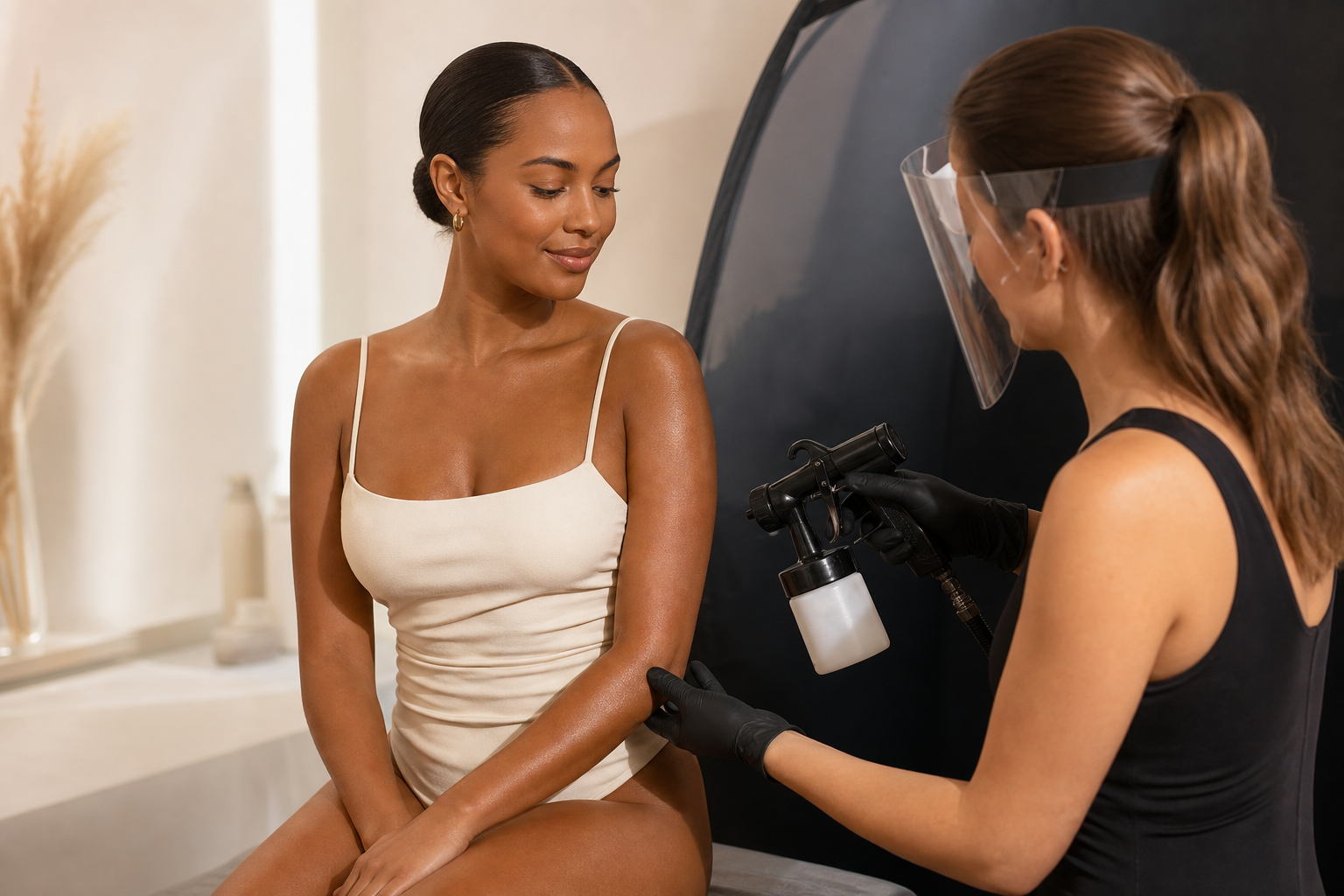
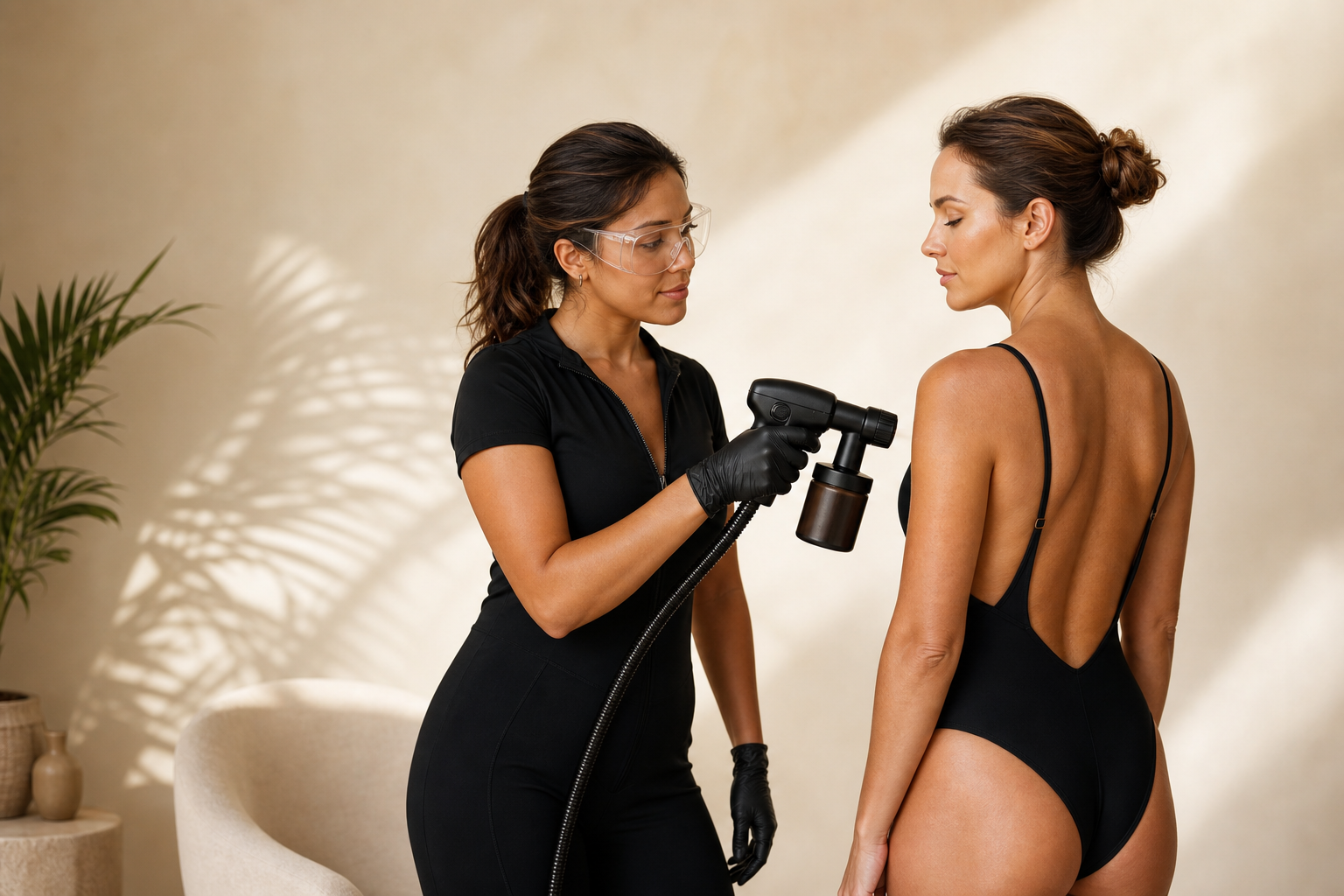
The application process of spray tanning, typically performed in salons or with at-home devices, involves dispersing a fine aerosol mist that contains DHA. This method requires vigilant safety measures to prevent unwanted exposure and subsequent irritation.
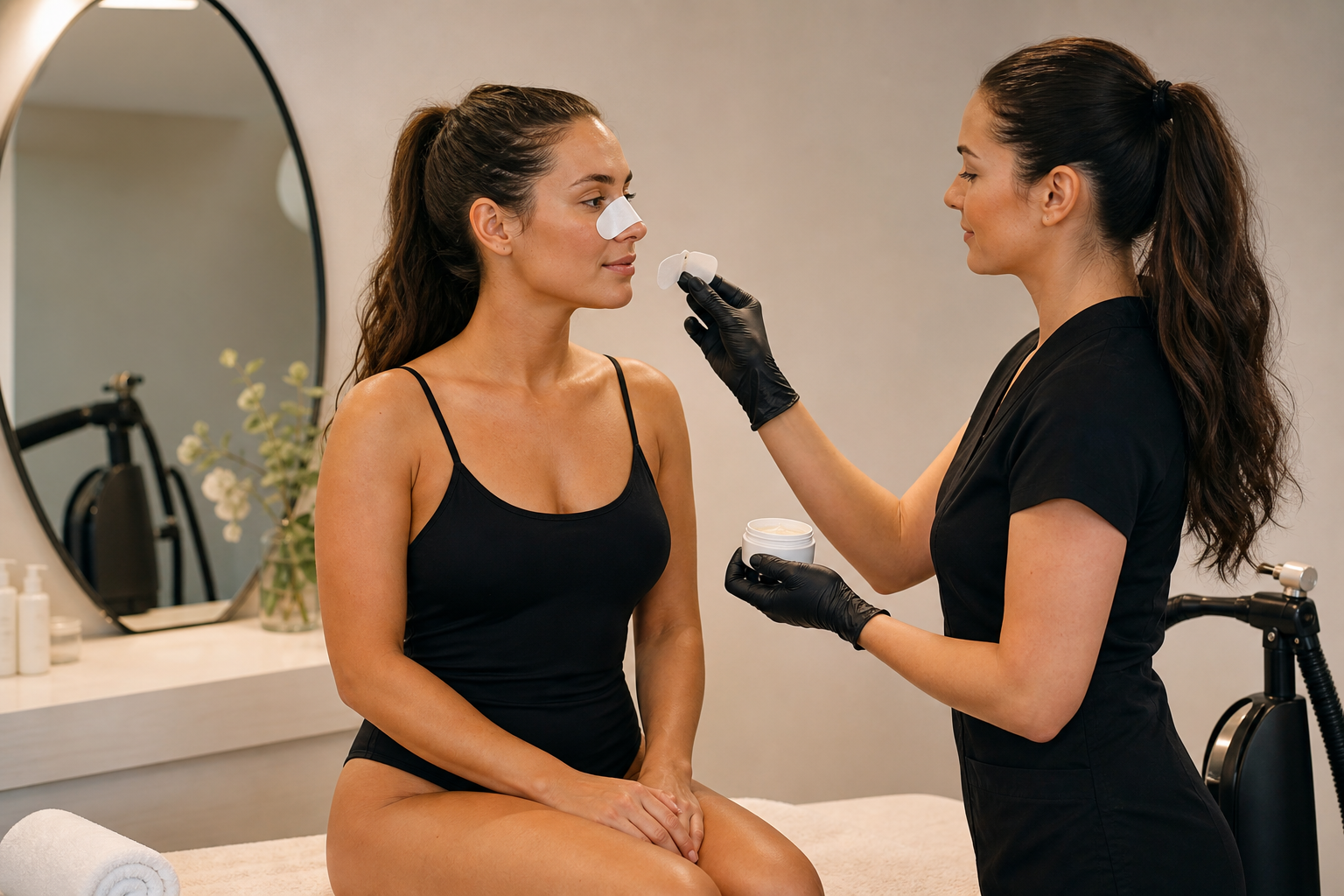
One of the most critical precautions is protecting the eyes, lips, and respiratory tract. Direct contact of DHA mist with eyes can lead to irritation or conjunctivitis. To safeguard these sensitive areas, wearing protective goggles, lip shields, and using nose filters or breathing masks is standard practice. These measures help prevent the inhalation of DHA aerosols, which may cause throat discomfort or respiratory irritation if inhaled in concentrated amounts.
Moreover, it is advisable to avoid washing the sprayed areas for at least 6 to 8 hours post-application to allow the color to fully develop. Harsh scrubbing, swimming, or excessive sweating shortly after treatment can cause uneven fading or spotty results.
Patch testing constitutes an essential step before a full spray tan session, especially for first-time users or those with sensitive skin. A small amount of the tanning solution is applied to a discreet skin patch and observed for adverse reactions over 24 to 48 hours.
Can Spray Tan Cause Irritation or Allergic Reactions?
While spray tanning is generally well-tolerated, cases of irritation and allergic response, though uncommon, have been documented. Irritation symptoms may include redness, itching, dryness, or mild stinging sensations on the treated skin areas.
Such reactions often stem from individual sensitivity to DHA itself, preservatives, fragrance additives, or other ingredients in the tanning formulation. Additionally, applying spray tan to broken, inflamed, or compromised skin heightens the risk of irritation.
Allergic contact dermatitis, manifesting as localized swelling, rash, or blistering, is less frequent but possible. Careful ingredient scrutiny, selecting hypoallergenic formulations, and performing patch tests can mitigate these risks.
Considerations for Sensitive Skin and Skin Conditions
Individuals with naturally reactive or sensitive skin should approach spray tanning with heightened awareness. For some, the chemical reaction of DHA with their skin’s amino acids may produce increased sensitivity or dryness. Using moisturizers before and after spray tanning can help maintain the skin barrier and optimize results.
Those with chronic dermatological conditions such as eczema, psoriasis, rosacea, or dermatitis should consult a dermatologist prior to spray tanning. Certain conditions may be aggravated by the constituents of tanning solutions or by the mechanical friction during application. A medical professional can recommend safer product options or alternative methods to achieve a bronzed look without compromising skin health.
Pregnancy and Spray Tanning Safety
The safety of spray tanning during pregnancy is an often-asked question. Given that DHA acts superficially and is not significantly absorbed systemically, it is generally considered low risk. However, the paucity of comprehensive clinical trials means the recommendation is for expectant mothers to consult with their healthcare providers before undergoing spray tanning.
Pregnant women should also be diligent about protective measures to avoid inhaling mist and minimize exposure to sensitive mucous membranes. Opting for professional services that adhere to strict safety standards or using well-ventilated spaces can further reduce any theoretical risks.
Understanding the Crucial Difference: Spray Tan Is Not Sun Protection
A critical misconception about spray tanning is the belief that it offers any protection from ultraviolet radiation. This notion is false and potentially dangerous. The cosmetic tint resulting from DHA application does not enhance the skin’s defense mechanism against UV rays.
UV radiation continues to pose risks such as premature skin aging, DNA damage, and increased skin cancer risk regardless of spray tan presence. Consequently, applying broad-spectrum sunscreen with at least SPF 30 remains an indispensable practice when spending time outdoors.
Users must remember that a spray tan's primary function is aesthetic. Combining the convenience of a sunless glow with diligent sun protection is essential to preserving long-term skin health.
What to Expect When Using Spray Tan Products
Typical outcomes of spray tanning include an immediate and natural-looking bronze coloration, varying from light golden tones to deeper hues depending on the product’s DHA concentration and individual skin characteristics. The tan progressively develops over several hours as the chemical reaction completes.
Variability in color result arises due to factors such as skin dryness, thickness of the stratum corneum, recent exfoliation, and individual skin chemistry. Thorough exfoliation prior to application promotes even pigment formation and extends the tan’s duration.
Because the effect is temporary, gradual fading occurs as the skin sloughs off dead surface cells. Proper skin hydration and gentle cleansing practices can help maintain the tan's appearance for up to one and a half weeks. Conversely, excessive sweating, swimming, and harsh soaps may accelerate fading.