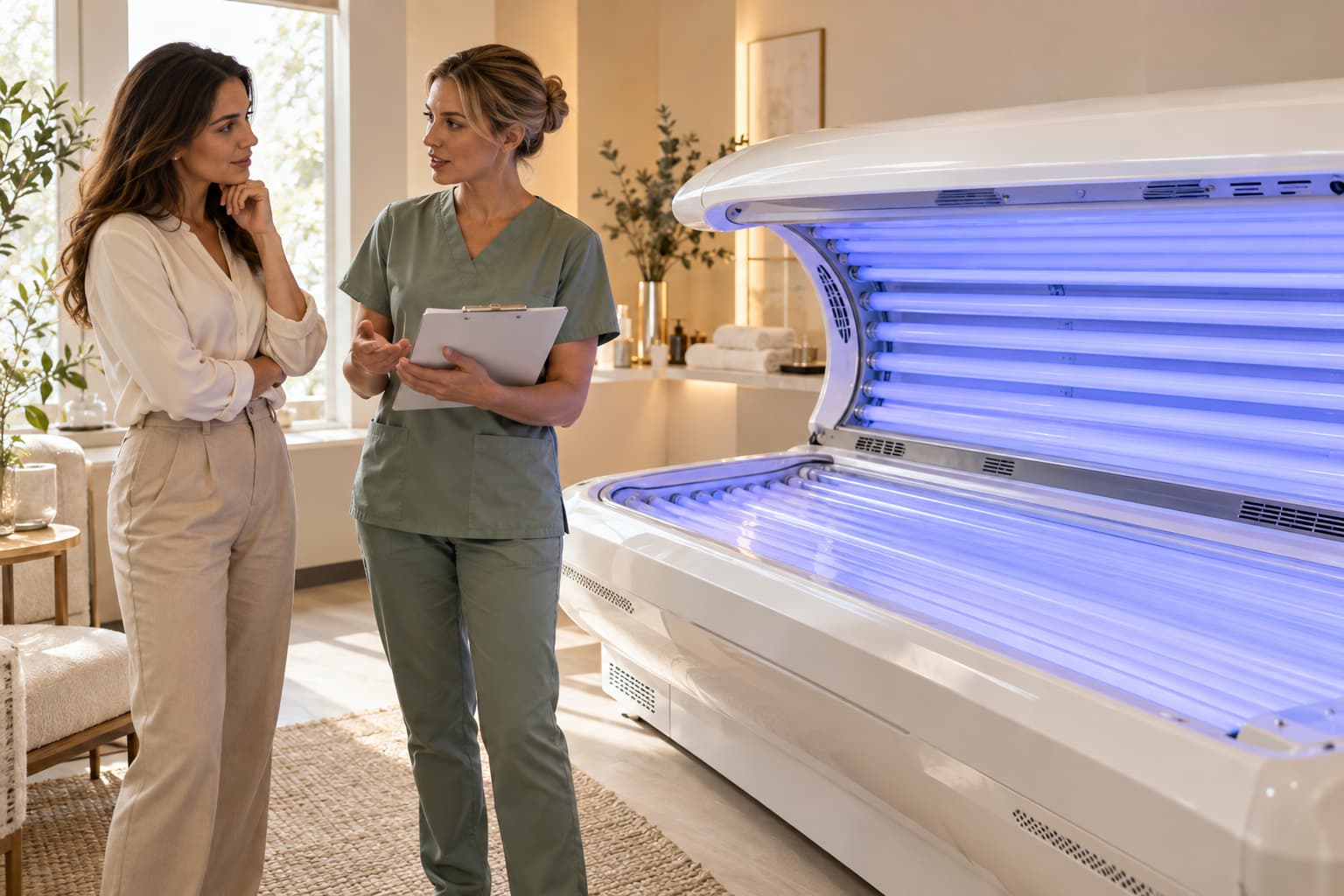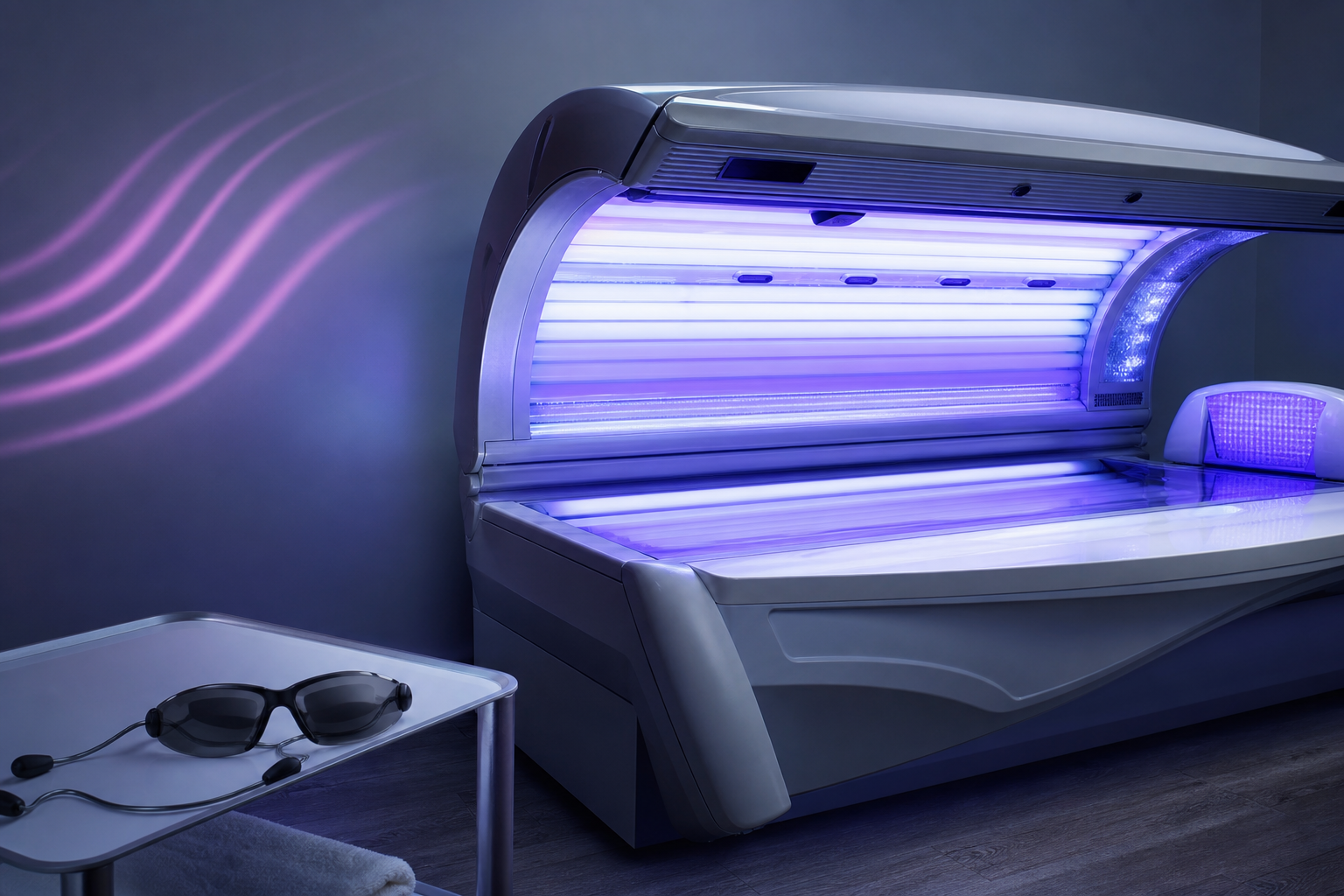
Sunbeds, often also referred to as tanning beds or solariums, are devices designed to emit ultraviolet (UV) radiation to stimulate the skin's pigmentation, creating the appearance of a tan without direct sun exposure. They have gained popularity among individuals seeking a tanned complexion year-round or outside of sunny climates. However, understanding how they function, the health risks they pose, and available alternatives is crucial for anyone considering their use. This comprehensive guide aims to clarify these aspects with evidence-based insights, helping consumers make informed choices about their skin's health and aesthetics.
This article is intended for individuals curious about sunbeds, especially those contemplating their use for cosmetic tanning, as well as healthcare professionals, educators, and anyone interested in skin health. Tanning through artificial means involves complex biological responses and carries substantive health implications, including increased cancer risk. Consequently, knowledge about ultraviolet radiation types, skin biology, related health hazards, and safer alternatives is of paramount importance.
Understanding Sunbeds: The Science Behind Artificial Tanning
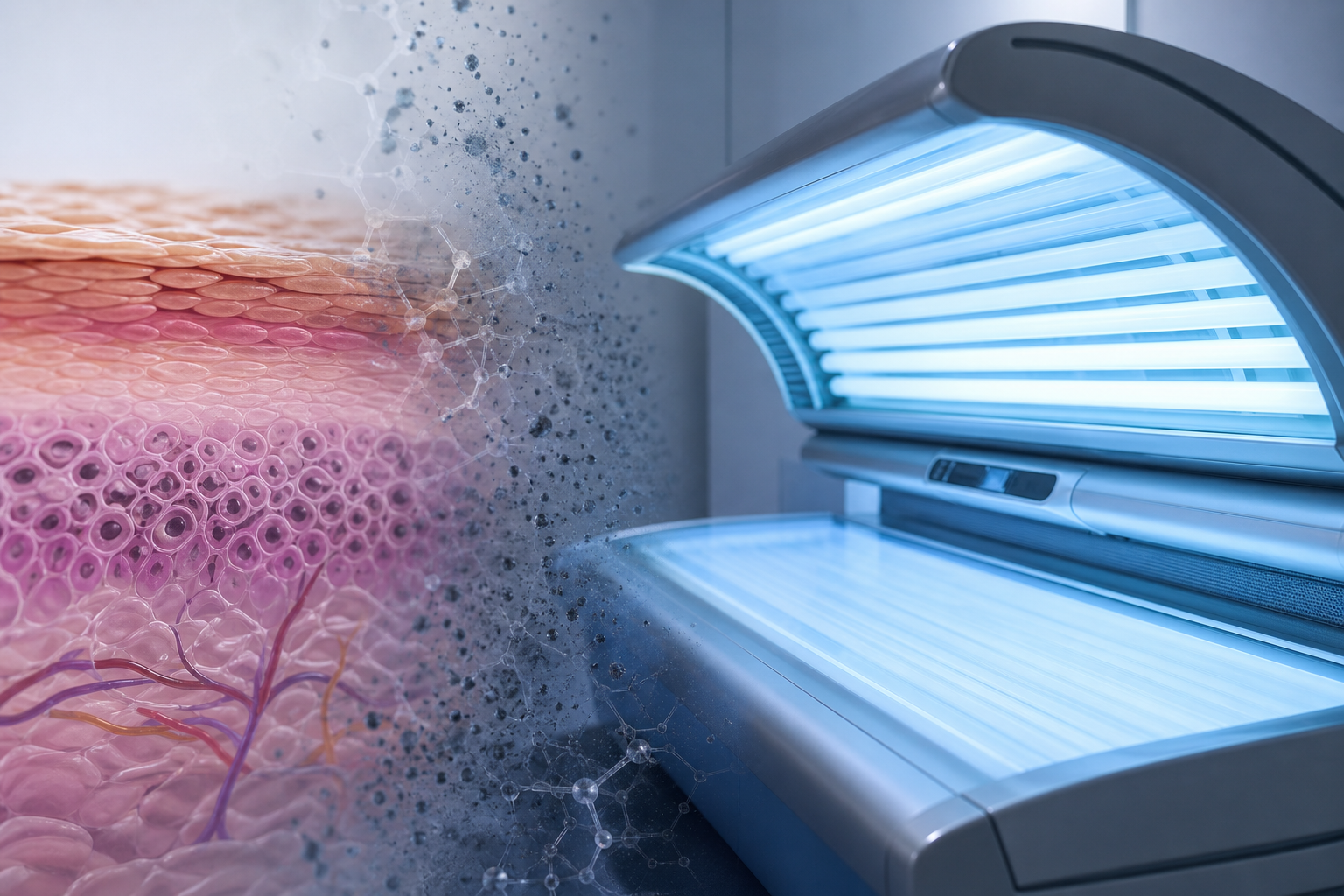
Sunbeds function by emitting ultraviolet (UV) light, principally UVA and UVB wavelengths, to mimic the tanning effects of sunlight on the skin. The equipment typically produces a higher proportion of UVA light, with a smaller component of UVB. These two types of UV radiation interact differently with the skin.
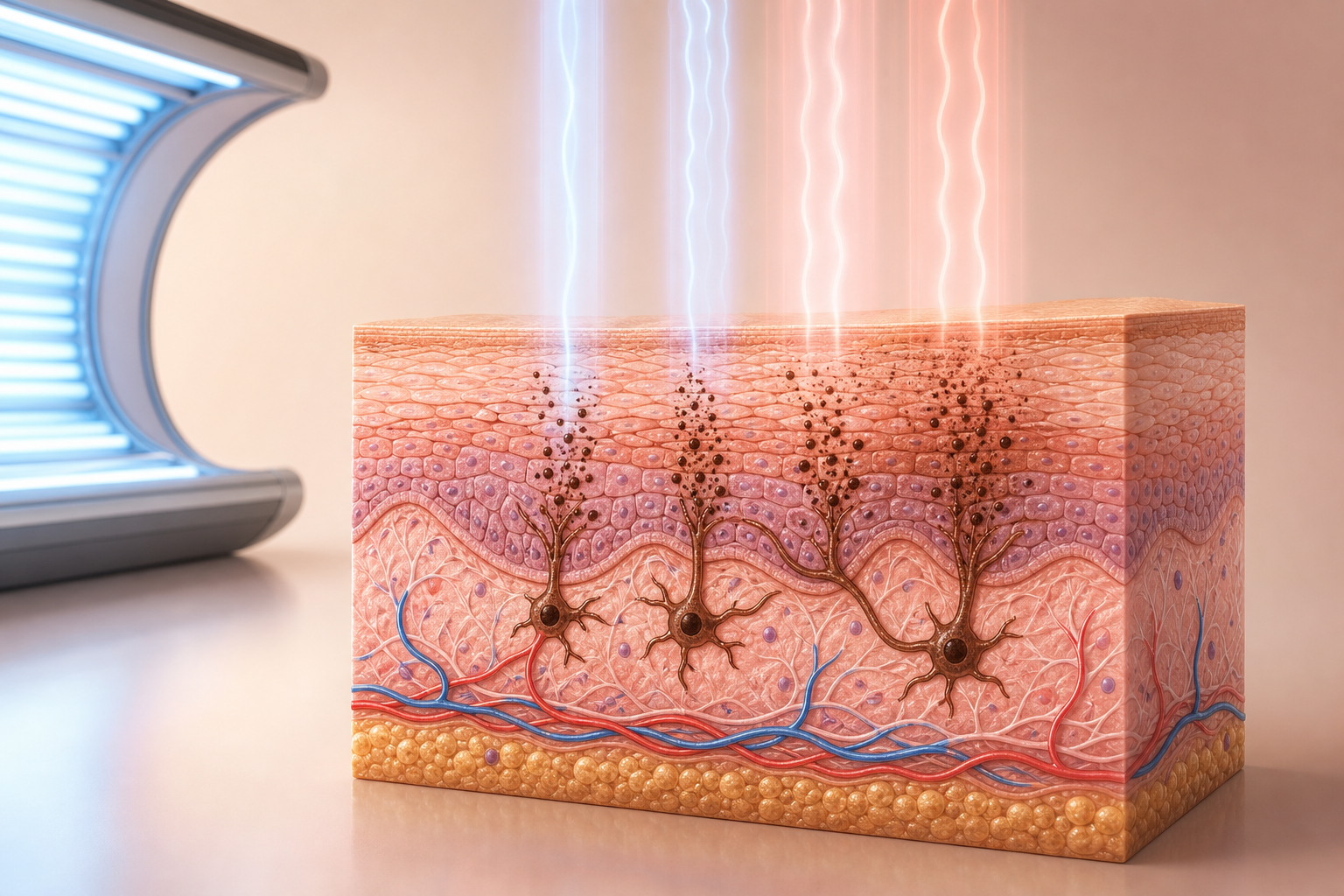
UVA rays, characterized by their longer wavelengths, penetrate deeper into the skin's dermal layers. Their primary effect is stimulating melanocytes—the pigment-producing cells—to increase melanin synthesis, leading to skin darkening. Conversely, UVB rays, with their shorter wavelengths, predominantly affect the superficial epidermal layers. UVB is responsible for generating sunburns and facilitating the synthesis of vitamin D within the skin. The combined action of these rays triggers the tanning process, which is essentially a defensive response by the skin to DNA damage induced by UV exposure.
Each sunbed's emission spectrum can vary, and the precise percentages of UVA and UVB rays influence the tanning outcome as well as the associated risks. Importantly, while UVB produces more visible acute damage like redness, UVA contributes to deeper, often less apparent harm that accumulates over time.
The Biological Process of Skin Pigmentation from UV Exposure
Tanning is the skin's natural protective response to ultraviolet radiation. Upon UV irradiation, melanocytes synthesize melanin, a dark pigment, which is then distributed to the surrounding keratinocytes in the epidermis. This pigmentation serves to absorb and dissipate UV radiation, reducing further DNA damage in skin cells.
This induced pigmentation can present as a quick darkening caused by the oxidation of existing melanin, or a delayed, longer-lasting tan resulting from increased melanin production. Despite the cosmetic appeal of a sunbed tan, this process is not without consequence: it is a sign of cellular injury at the DNA level. The tan does not provide immunity from subsequent UV damage or skin cancer risk. In particular, UVA-induced tanning involves oxidative stress and DNA strand breaks, which do not trigger immediate redness or pain but contribute significantly to cancer development.
Health Risks Linked to Sunbed Exposure: Acute and Long-term Effects
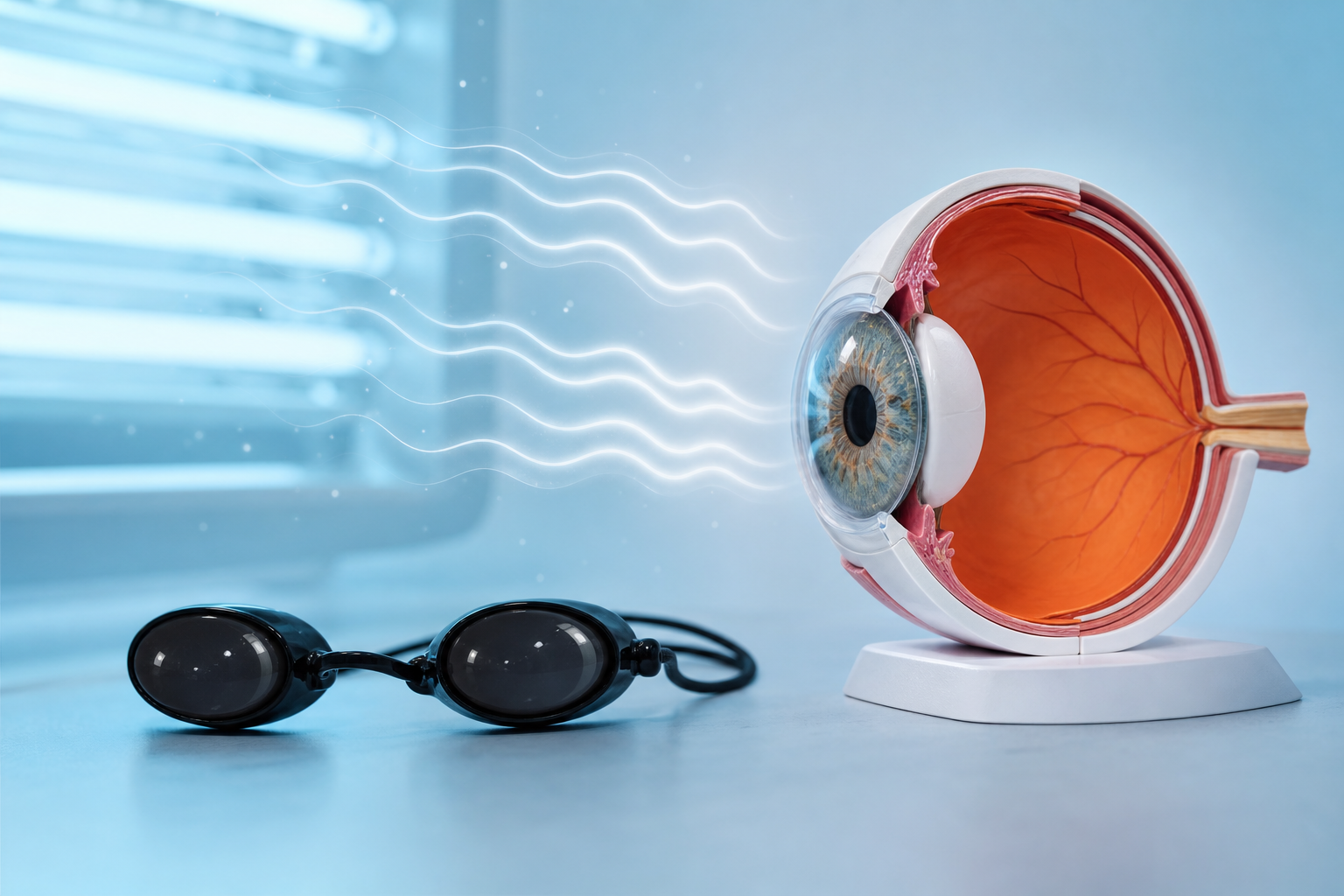
The use of sunbeds carries well-documented health hazards that can be categorized into acute (immediate) and chronic (cumulative) effects. Acutely, users may experience skin erythema, or sunburn, which manifests as painful redness and inflammation. Eye exposure during tanning sessions can lead to photokeratitis, a transient but painful inflammation of the cornea. Protective eyewear is essential to reduce this risk.
Long-term, repeated exposure increases the likelihood of photoaging—premature skin aging characterized by wrinkles, loss of elasticity, and pigmentation irregularities. Most critically, ultraviolet radiation from sunbeds significantly elevates the risk of skin cancers. The International Agency for Research on Cancer (IARC), a branch of the World Health Organization (WHO), classifies UV-emitting tanning devices as Group 1 carcinogens, signifying sufficient evidence of their carcinogenicity in humans.
Studies have shown that sunbed use, especially starting before the age of 35, can increase the risk of melanoma, the deadliest form of skin cancer, by approximately 75%. Furthermore, no safe threshold of UV exposure has been established for tanning devices; even occasional use contributes to cumulative DNA damage. Given these findings, many health authorities strongly recommend avoiding sunbeds entirely, particularly for individuals under 18 years old, whose skin is more susceptible to harm.
Individual Risk Factors That Influence Sunbed-Related Health Outcomes
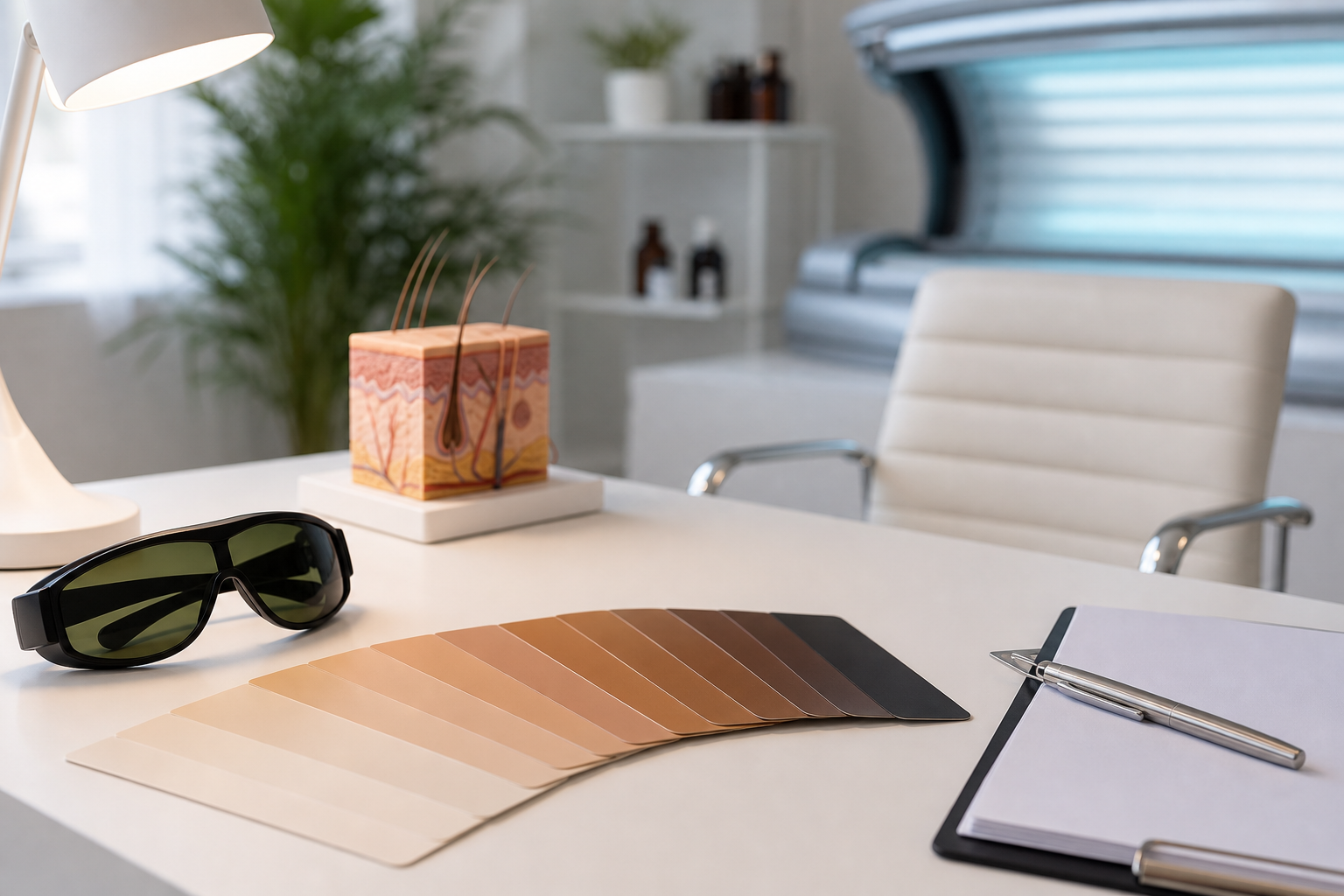
Not all individuals are equally vulnerable to the adverse effects of sunbed UV radiation. Several personal characteristics and conditions modulate risk levels. People with fair skin, light-colored eyes, and red or blonde hair generally possess less melanin and are more susceptible to UV damage. A personal or family history of skin cancer further increases risk.
Certain medications and health conditions that provoke photosensitivity, including some antibiotics, diuretics, and autoimmune diseases, make sunbed use particularly hazardous. It is imperative for users to consult healthcare providers to assess potential interactions or contraindications prior to any UV exposure.
Additionally, the use of sunbeds before or after aesthetic treatments (such as chemical peels or laser therapy) can complicate skin healing and exacerbate damage, underscoring the importance of medical guidance as highlighted in the section on Sunbeds Before and After Aesthetic Treatments.
Debunking the Base-Tan Myth: Why Pre-Tanning Does Not Protect Skin
A persistent misconception is the belief that obtaining a “base tan” through sunbed sessions offers meaningful protection against sunburn or skin damage when subsequently exposed to natural sunlight. This myth encourages some individuals to engage in repeated and prolonged UV exposure with a false sense of security.
In reality, the modest increase in melanin produced by a so-called base tan provides negligible photoprotection—equivalent roughly to an SPF (sun protection factor) of 3 or less, which is insufficient to safeguard the skin. The DNA damage inflicted during base-tanning further compounds long-term risks, negating any claimed benefits. Reliable photoprotection requires the use of broad-spectrum sunscreens, physical barriers, and avoidance of excessive UV exposure rather than reliance on tanning-induced pigmentation.
Vitamin D and Sunbeds: Understanding the Facts and Myths
Vitamin D synthesis in the human body predominantly depends on UVB radiation converting 7-dehydrocholesterol in the skin to previtamin D3. While sunbeds do emit UVB light to varying degrees, the amount is deliberately limited to minimize acute burning risks, rendering them inefficient and unreliable as a vitamin D source.
Moreover, the known risks of carcinogenesis associated with sunbed UV exposure far outweigh potential marginal benefits for vitamin D production. Safer and more consistent alternatives include dietary supplementation and fortified foods. Medical advice should be sought before considering sunbeds as a vitamin D strategy.
Exploring UV-Free Alternatives for Achieving a Tanned Appearance
Given the recognized health risks of sunbeds, many seek safer ways to achieve a bronzed complexion without UV exposure. Modern cosmetic technologies offer excellent alternatives that deliver natural-looking results without damaging DNA.
Among these, Spray Tan stands out as a popular, safe, and effective method. This technique involves the application of dihydroxyacetone (DHA), a colorless sugar that reacts with amino acids in the skin’s surface to produce a temporary brown pigmentation. Spray tans require no UV radiation, carry no carcinogenic risk, and can be customized to desired shades.