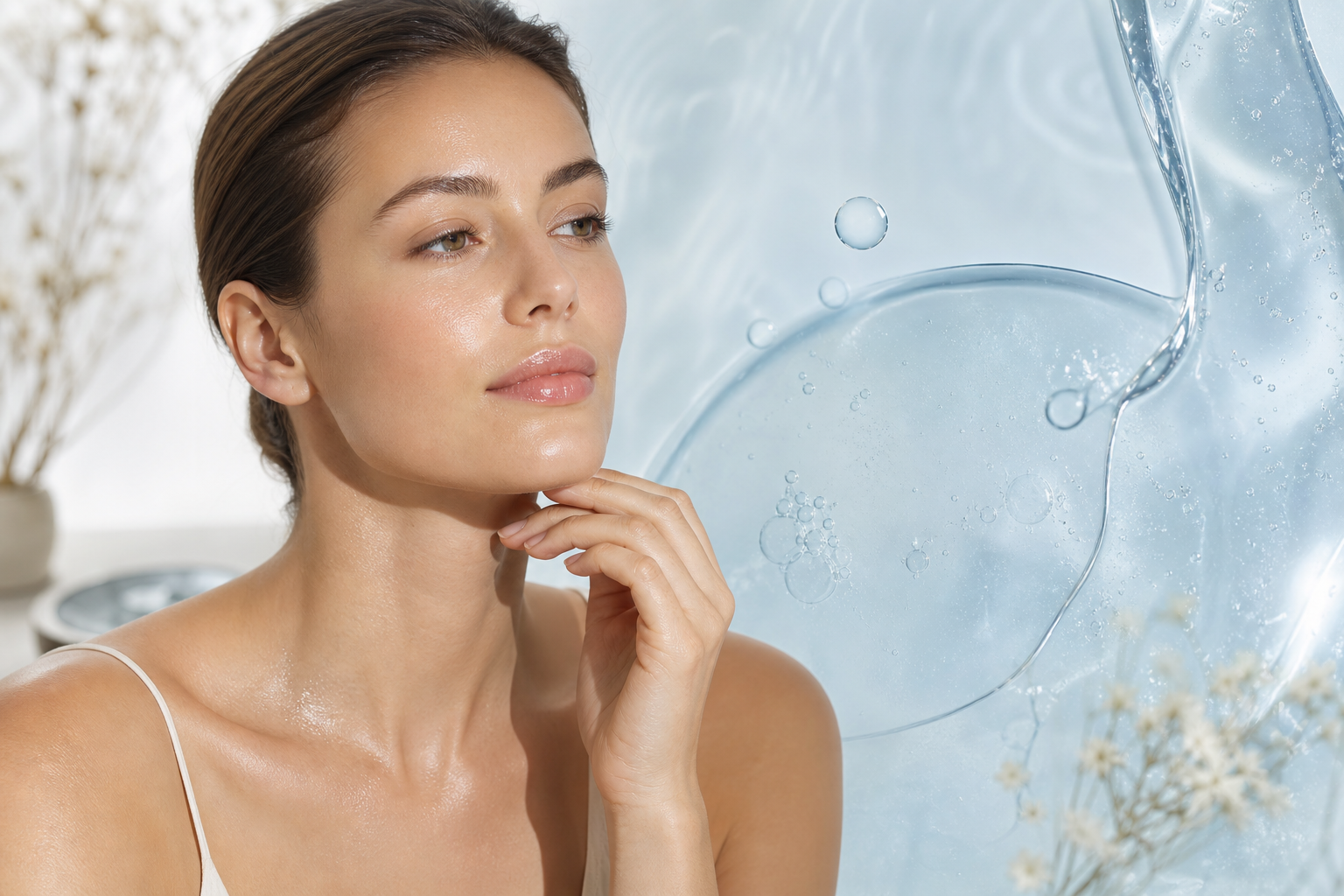
The question of how often one should receive hydrating treatments is central to maintaining both the health and aesthetic appeal of the skin. This inquiry resonates particularly with individuals noticing signs of dryness, decreased elasticity, or other indications of dehydration in their complexion. Hydration transcends mere cosmetic desire; it acts as a crucial pillar for preserving the skin’s barrier function, ensuring protection against environmental aggressors, and maintaining its physiological integrity.
This comprehensive editorial is crafted for a wide audience ranging from skincare enthusiasts eager to deepen their understanding of hydration, to those already engaged in professional treatments, and even beginners seeking guidance on appropriate moisture management for their skin. Our focus is to delineate clear, actionable knowledge concerning the types of hydrating treatments, their mechanisms, recommended frequencies, and how each contributes to skin wellness.
In today's skincare landscape, distinguishing between daily at-home hydration practices and periodic professional procedures is essential. Additionally, understanding the role of specialized therapies — such as Hydrodermabrasion, Oxygen Treatment, or Ultrasound Sonophoresis — in delivering moisture at deeper skin layers can inform personalized regimen choices. This editorial will explore these dynamics, equip readers with cues for when professional advice is warranted, and support the cultivation of an effective, balanced skin hydration strategy.
What Are Hydrating Treatments and Why Do They Matter for Skin Health?
Hydrating treatments encompass a spectrum of methods designed to increase the water content in the skin, thereby combating dehydration that often results from environmental challenges like sun exposure, wind, cold air, and pollution. These external factors disrupt the skin's natural lipid and moisture balance, causing dryness, flaking, redness, and accentuating the formation of fine lines.
The skin, as the body's largest organ, relies on an optimal hydration level to fulfill its protective role effectively. Proper moisture retention promotes elasticity, softness, and a healthy luminous appearance. Hydrating treatments address these needs by restoring moisture at differing skin depths depending on the approach, whether through topical applications in daily care or advanced delivery via professional treatments.
At-home hydrating routines often involve moisturizers enriched with humectants such as hyaluronic acid, serum formulations, and nourishing masks. In contrast, professional treatments utilize innovative technologies and formulations to penetrate beyond superficial layers, offering profound hydration and rejuvenation benefits. These treatments can stimulate natural regenerative processes and reinforce the skin’s barrier, producing noticeable improvements in texture and tone.
Who Can Benefit from Hydrating Treatments and How Should One Choose the Appropriate Approach?
Virtually all skin types benefit from maintaining adequate hydration, though the method and frequency of treatments vary widely based on individual skin physiology and concerns. For example, those with dry or chronically dehydrated skin typically require more frequent and intensive hydration support to prevent worsening symptoms and potential complications.
Individuals with oily or combination skin types still need hydration but may favor lighter, non-comedogenic products and treatments that balance moisture without exacerbating oiliness. People experiencing skin conditions such as rosacea or atopic dermatitis must choose hydration strategies carefully, often under dermatological guidance, to avoid irritation or breakthrough inflammation.
Assessment by skincare professionals can help establish a tailored regimen, discerning whether daily topical care, monthly professional sessions, or a hybrid model serves best. An informed approach maximizes treatment efficacy while minimizing risks like overhydration or impaired skin function.
How Do Professional Hydrating Treatments Work and What Advantages Do They Offer?
Professional hydrating treatments leverage advanced methods and potent active ingredients to restore moisture more effectively than typical home care products. Techniques such as Hydrodermabrasion and Ultrasound Sonophoresis facilitate deeper penetration of moisturizing agents, improving skin’s receptivity and hydration retention.
For instance, Hydrodermabrasion combines exfoliation with simultaneous infusion of hydrating serums, cleansing pores while replenishing moisture in one session. Similarly, Oxygen Treatments introduce oxygenated serums that refresh dull, dehydrated skin and support cellular repair.
Procedures like the HydraFacial: Advanced Hydration Treatment for Radiant Skin also integrate cleansing, exfoliation, and hydration with technology-driven delivery systems, providing visible results often after a single treatment. The benefits include enhanced skin smoothness, reduced dryness-related irritation, and a rejuvenated appearance, especially important for skin showing signs of aging or sun damage.
Moreover, professional treatments enable customized care aligned with specific skin conditions, allowing practitioners to adjust formulations and intensities appropriately. This precision contributes to safer, more effective outcomes compared to one-size-fits-all home remedies.
Determining the Optimal Frequency for Professional Hydrating Treatments
The frequency of professional hydrating treatments is guided by several variables including skin type, condition severity, treatment modality, and individual response. For general maintenance in healthy skin, monthly sessions or treatments every four to six weeks strike a balance between allowing skin regeneration and preserving hydration levels.
Individuals confronting particular challenges—such as notable dehydration, photodamage, or early signs of aging—may benefit from closer intervals in the initial phase, such as treatments every two to three weeks. This intensive regimen aims to boost skin recovery and moisture reservoirs swiftly. After achieving desired results, the schedule is often spaced out to a maintenance phase where regular monthly visits suffice.
It is critical to avoid excessive treatment frequency, as hyperhydration or over-manipulation of the skin barrier can induce sensitivities, increased irritation, or diminished natural moisture control. Consultations with skincare professionals ensure adaptations adhere to skin tolerance and treatment goals.
How to Effectively Support Hydration with At-Home Skincare Between Professional Visits?
Professional treatments yield their best results when coupled with diligent home care routines. Daily hydration practices should include twice-daily application of moisturizers containing humectants like hyaluronic acid and glycerin, emollients such as ceramides or squalane, and occlusive agents to lock in moisture.
Addition of hydrating serums and occasional use of soothing masks can reinforce skin moisture barriers. It is equally important to maintain gentle cleansing habits and diligent sun protection to prevent dehydration and barrier breakdown. Individuals with sensitive or acne-prone skin must select products tailored to their needs, avoiding pore-clogging or irritating ingredients.
Listening to skin's feedback guides product adjustments. If signs of irritation or dryness persist, consulting a professional for regimen refinements is advisable. Moderation and consistency animate successful hydration strategies.
What Benefits Should One Expect from Regular Hydration Treatments?
Consistent and proper hydration treatments enhance skin elasticity, suppleness, and brightness. They can diminish the appearance of fine lines and dryness-related flaking, contributing to a smoother, more youthful complexion. Furthermore, optimal hydration maintains the skin’s protective function, mitigating sensitivity to environmental irritants.
Through advanced professional treatments, deeper skin layers receive moisture and nutrients, facilitating repair and strengthening natural defenses. Alongside improved texture and tone, many individuals report a calming effect on inflamed or stressed skin.
It is realistic to recognize that hydration is one vital component of skincare and does not substitute for comprehensive management of skin disorders. Results also depend on lifestyle, diet, and environmental exposures.
Are Hydrating Treatments Safe and What Are Potential Precautions?
Hydrating treatments, particularly when administered by trained professionals, generally hold a strong safety profile. Proper assessment and customization minimize risks of adverse reactions. Nevertheless, individuals with pre-existing skin conditions, allergies, or compromised barriers should engage dermatological consultation before initiating new treatment regimens.
Overuse of treatments or inappropriate product selection can disrupt the skin’s natural barrier, leading to irritation or inflammation. Professional guidance ensures a balance between therapeutic benefit and tolerance.
When Should You Seek Dermatological Advice for Skin Hydration Concerns?
If skin hydration efforts do not yield improvement or worsen symptoms such as redness, scaling, or discomfort, it is imperative to obtain dermatological evaluation. Chronic dryness or unusual skin changes may signal underlying conditions requiring medical intervention beyond routine hydration.
Specialists provide diagnostic acumen and access to targeted therapies, including prescription topical agents or systemic treatments if warranted. This expert counsel safeguards skin health and optimizes treatment outcomes.


