Understanding the nuances between dry and dehydrated skin is essential for anyone seeking to improve their skin health and optimize hydration strategies. While these terms are often used interchangeably, they represent fundamentally different conditions that require distinct approaches to skincare. This comprehensive guide is designed to clarify these differences, helping individuals—from skincare novices to seasoned enthusiasts—recognize symptoms, select appropriate treatments, and know when professional consultation is warranted.
Identifying whether your skin is dry or dehydrated can transform the way you care for it, preventing common pitfalls such as using incompatible products that exacerbate issues instead of resolving them. In a world where skincare options abound, having a refined understanding empowers you to tailor your daily routine effectively. This is particularly vital because the health and appearance of your skin are closely tied to these underlying conditions, influencing comfort, texture, and long-term resilience.
For those experiencing persistent tightness, flakiness, or dullness, distinguishing between dry and dehydrated skin is a crucial first step. This article offers clear explanations of each skin condition, outlines the key differences, discusses the causes and symptoms to watch for, and provides actionable advice for treatment. Moreover, it highlights the importance of informed skincare, noting when dermatological guidance becomes a necessary component of care.
What Is Dry Skin and How Does It Differ from Dehydrated Skin?
Dry skin is fundamentally a skin type characterized by a reduced production of sebum, the natural oils that maintain the skin's lipid barrier. This lack of oils leads to a dry texture, roughness, and sometimes visible flaking. Because it is largely genetic or influenced by long-term skin barrier function, dry skin tends to be a persistent condition that is more pronounced during colder months or in arid environments. The primary issue here is insufficient oil production, which impacts the skin’s capacity to lock in moisture.
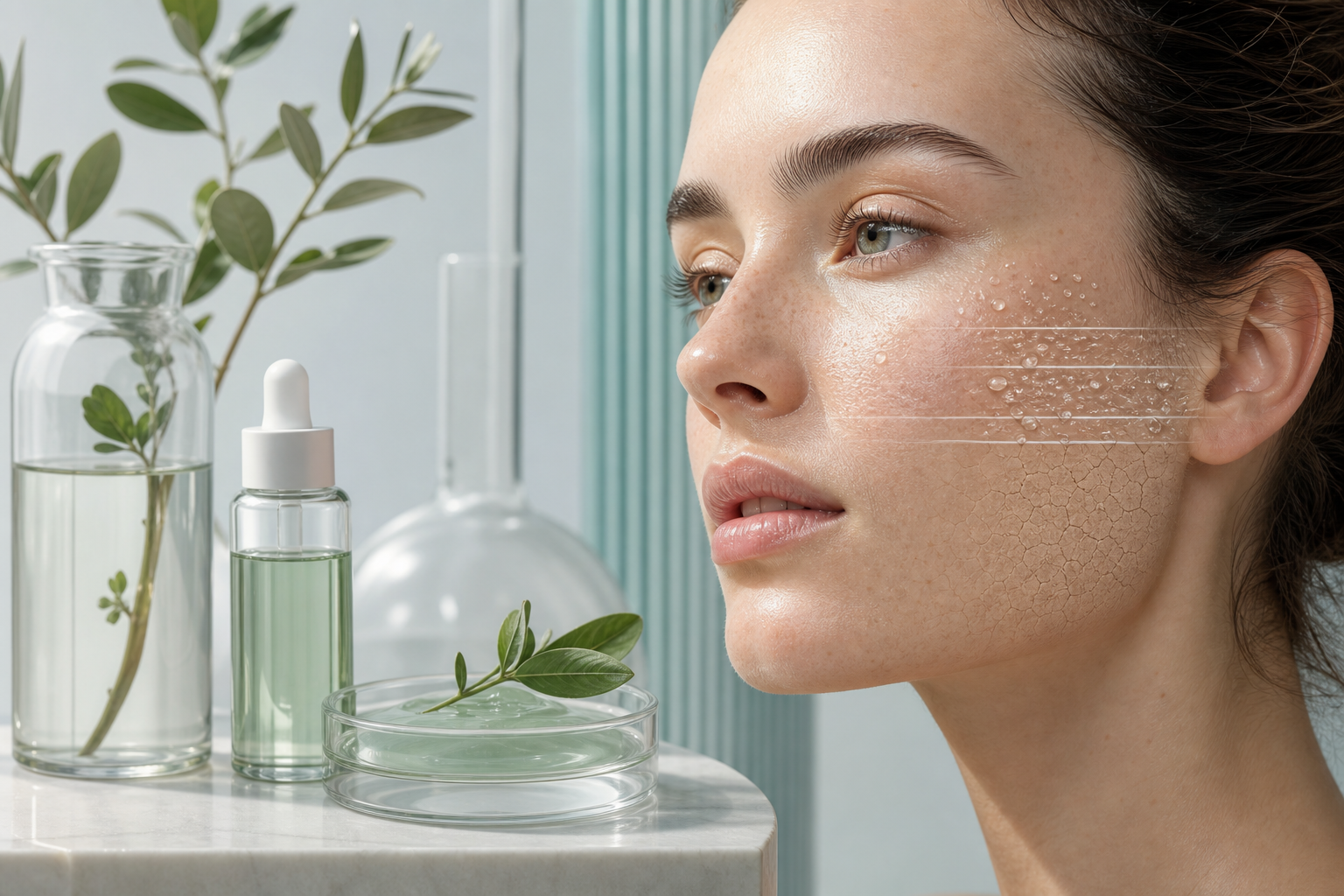
On the other hand, dehydrated skin is a temporary condition affecting the skin’s moisture balance—specifically, a deficit in water content within the epidermis. Unlike dry skin, dehydration can affect any skin type, including oily and combination skin. It commonly results from external aggressors like harsh weather, over-cleansing, or inappropriate skincare products, as well as internal influences such as diet and hydration habits. The key distinction is that dehydrated skin lacks water, while dry skin lacks oil.
Recognizing this fundamental difference is vital because it guides how we approach skincare. Dry skin benefits from nourishing, oil-rich products that help rebuild and protect the skin's natural barrier, while dehydrated skin requires hydration-focused ingredients to replenish water content without necessarily increasing oiliness.
How to Recognize the Symptoms of Dry Skin
Dry skin typically presents with a set of recognizable characteristics. These include tightness, roughness, and sometimes a visibly flaky or scaly surface. You may notice fine lines that appear more pronounced due to the skin’s lack of elasticity and diminished natural oils. As a result, dry skin often feels uncomfortable, particularly after washing or exposure to environmental factors.
Individuals with dry skin often find that common cleansers and tap water exacerbate the sensation of dryness, necessitating the use of gentle, non-stripping products. Additionally, this skin type tends to be more sensitive and prone to irritation or redness, given the weakened protective lipid barrier. Observing these symptoms over time, especially if a richer skincare regimen alleviates discomfort, strongly indicates dry skin as your baseline skin type.
What Are the Signs and Causes of Dehydrated Skin?
Dehydrated skin, signifying a shortage of water, manifests primarily as a feeling of tightness, especially after cleansing, and the appearance of fine lines or wrinkles that are not necessarily permanent but rather a temporary result of low hydration levels. You might also observe dullness, lack of radiance, flaky patches, or mild redness. Unlike dry skin, dehydrated skin can sometimes feel oily due to an overproduction of sebum meant to compensate for water loss.
Common causes of dehydration include exposure to harsh weather conditions like cold winds or dry heat, frequent washing with aggressive cleansers, inadequate skincare routines lacking hydrating components, and lifestyle factors such as insufficient water intake, excessive caffeine or alcohol consumption, and stress. Dehydration can be transient and corrected with targeted hydration and lifestyle changes, making the recognition of these signs critical.
Why Understanding the Difference Between Dry and Dehydrated Skin Matters
Misdiagnosing your skin condition can lead to ineffective treatment, frustration, and even worsening skin health. For example, treating dry skin with only water-based moisturizers that lack oils will not restore the lipid barrier adequately, leaving the skin vulnerable to further moisture loss. Conversely, treating dehydrated skin with heavy emollients can clog pores and exacerbate breakouts, particularly in oily or combination skin types.
Moreover, each condition demands different ingredients and formulations. Dry skin benefits from ceramides, fatty acids, and occlusive agents that reinforce the skin barrier, whereas dehydrated skin requires humectants like hyaluronic acid and glycerin to attract and retain moisture. Thus, personalized skincare not only improves comfort and appearance but also supports the skin’s resilience in the face of environmental and internal stressors.
By clearly differentiating between these two skin concerns, you are better equipped to select effective products and routines that promote long-term skin vitality and prevent unnecessary irritation or dryness.
Adapting Your Daily Skincare Routine to Dry Skin
When addressing dry skin, the emphasis should be on nourishing and restoring the skin’s lipid layer. Choose gentle, sulfate-free cleansers that cleanse without stripping natural oils. Follow cleansing with rich moisturizers containing ingredients such as jojoba oil, almond oil, ceramides, and shea butter to replenish lipids and protect the barrier.
Incorporate creams or balms that create an occlusive layer to prevent water evaporation and support skin repair. Avoid over-exfoliating, as this can aggravate dryness. Additionally, consider incorporating barrier-repair serums with ingredients proven to support skin resilience.
Protection is equally important; daily use of broad-spectrum sunscreen shields the delicate dry skin from ultraviolet damage that can accelerate moisture loss and sensitivity.
Tailoring Skincare for Dehydrated Skin
For dehydrated skin, the goal is replenishing moisture without overwhelming the skin’s natural balance. Lightweight, water-based serums containing hyaluronic acid, glycerin, and panthenol effectively attract and lock in hydration. Layer these with non-comedogenic moisturizers that maintain hydration without adding excess oils.
Avoid harsh cleansers with sulfates or alcohol, which exacerbate moisture loss. Instead, opt for hydrating cleansers that maintain the skin’s pH and support moisture retention. Limiting the frequency of washing and avoiding hot water can also help preserve the skin’s hydration.
Hydration is complemented by internal factors; thus, maintaining adequate water intake and managing stress contribute significantly to skin recovery. In addition, the incorporation of serums with antioxidants can help protect skin cells from environmental stress that can dehydrate the skin further.
When to Consult a Dermatologist About Dry or Dehydrated Skin
If your skin remains persistently tight, flaky, or irritated despite consistent and appropriate care, or if you experience redness, itching, or pain, it may be time to seek professional advice. Dermatologists can offer precise diagnostics to distinguish whether your condition relates to dry or dehydrated skin or if another skin disorder is involved, such as eczema or psoriasis.
Special attention is recommended when symptoms complicate routine care or affect areas beyond the typical presentation of dryness or dehydration. Additionally, those with underlying health conditions, expectant mothers, or individuals with sensitive skin should consult a dermatologist for tailored recommendations and possible medical treatments.
Can Oily Skin Also Be Dehydrated and How Does This Affect Care?
It is a common misconception that oily skin cannot be dehydrated. In reality, dehydration is a hydration deficiency affecting the skin's water content, and it can indeed occur in oily, combination, or even acne-prone skin. When dehydrated, oily skin may paradoxically produce excess sebum to compensate for the lack of moisture, potentially intensifying oiliness and acne breakouts.
Proper care involves using lightweight, non-comedogenic products formulated to hydrate without clogging pores. Ingredients like hyaluronic acid can provide essential moisture without increasing oiliness, while avoiding heavy creams that can exacerbate pore congestion is crucial. Understanding that oily skin types can also suffer from dehydration underscores the need for individualized skincare approaches to restore balance effectively.
Practical Daily Tips to Maintain Balanced Skin Hydration
Maintaining optimal skin hydration is a holistic effort involving both external care and internal wellness. Use mild, hydrating cleansers and apply moisturizers that suit your skin's unique needs. Avoid overly hot water during cleansing, and limit exposure to harsh environmental conditions without protective measures such as sunscreen or appropriate clothing.
Incorporate antioxidants and barrier-supporting ingredients to defend against pollutants and UV damage, which can deplete moisture levels. Prioritize consistent hydration by drinking ample water throughout the day, and support your skin health further with a balanced diet rich in essential fatty acids, vitamins, and minerals.
Routine reassessment of your skin’s condition, possibly supported by consultations with skincare professionals, helps ensure your regimen adapts effectively to seasonal changes and the natural aging process.
What Results Can You Expect from Hydrating Treatments and Skincare Routines?
Modern skincare offers a range of products and treatments formulated to improve skin hydration and restore a healthy appearance. Expect to see gradual improvements such as increased softness, diminished tightness, enhanced glow, and the reduction of fine lines associated with dehydration.
Topical serums rich in hyaluronic acid and treatments targeting skin renewal can deliver noticeable benefits when integrated consistently into your regimen. However, it is important to maintain realistic expectations—skin repair and hydration balance evolve over time and require ongoing care. Skincare is a journey rather than an immediate fix.
Combining professional advice, quality products, and a thoughtful daily routine forms the cornerstone of effective management for both dry and dehydrated skin types.