Ultraviolet (UV) radiation represents a specific segment of the electromagnetic spectrum emitted by the sun and artificial sources like tanning beds. Its high-energy photons have the capacity to induce significant changes in the cells that make up human skin. Understanding precisely how UV radiation damages skin cells is essential for anyone exposed to sunlight or considering the use of sunbeds, as it equips them with the knowledge needed to appreciate both the immediate and long-term health implications. This article delves into the complex interactions between UV radiation and skin cells, elucidating the biological mechanisms underlying cellular damage, the absence of a safe exposure threshold, and the associated health risks recognized by international authorities.
Designed for individuals seeking an in-depth, scientifically grounded explanation of UV-induced skin damage, this article also serves dermatologists, researchers, and healthcare professionals looking for a detailed synthesis of current understanding without promotional bias. Given the widespread use of artificial tanning devices and substantial time people spend outdoors, heightened awareness of the molecular and cellular impacts of UV radiation supports informed decisions about skin protection and health monitoring.
Why does this topic matter? Skin acts as the primary interface between the external environment and the body, and its exposure to UV rays can trigger cellular alterations that accumulate over time, increasing risks for photoaging, pigmentation disorders, and notably, various forms of skin cancer. Importantly, the International Agency for Research on Cancer (IARC) classifies UV radiation as a Group 1 carcinogen, meaning there is unequivocal evidence of its cancer-causing potential, emphasizing the critical nature of understanding these mechanisms and the significance of preventive strategies.
What Types of UV Radiation Affect the Skin and How?
UV radiation is segmented into three categories based on wavelength: UVA (320-400 nm), UVB (280-320 nm), and UVC (100-280 nm). While the atmosphere almost entirely absorbs UVC, making it negligible in natural settings, UVA and UVB rays reach the earth's surface and interact extensively with skin tissue.
UVA rays have longer wavelengths, enabling them to penetrate deeper into the dermis, the skin’s thick inner layer. This penetration leads to indirect cellular damage primarily through oxidative stress mechanisms. UVA is chiefly responsible for photoaging, characterized by loss of skin elasticity, wrinkle formation, and uneven pigmentation due to degradation of collagen and elastin fibers.
Conversely, UVB rays, possessing shorter wavelengths, predominantly affect the epidermis, the skin’s outer layer. UVB photons directly absorb into cellular components such as DNA, causing molecular lesions and acute effects like sunburn. Furthermore, UVB plays a more prominent role in initiating skin cancers by inducing mutagenic changes in keratinocytes and melanocytes.
Exposure to both UVA and UVB contributes to a broad spectrum of skin alterations, from short-term inflammatory responses to cumulative cellular mutations, emphasizing the multifactorial nature of UV-induced skin injury.
How Does UV Radiation Cause Molecular and Cellular Damage?
At the cellular level, UV radiation inflicts damage primarily through two pathways: direct DNA interaction and indirect oxidative stress.
Direct damage arises mostly from UVB radiation. UVB photons are absorbed by DNA bases, leading to the formation of abnormal covalent bonds between adjacent pyrimidine bases, especially thymine. These abnormal structures, known as cyclobutane pyrimidine dimers (CPDs), distort the DNA double helix, hindering proper replication and transcription. If left unrepaired, CPDs cause mutations that may activate oncogenes or disable tumor suppressor genes, setting the stage for carcinogenesis.
Indirect damage predominantly originates from UVA radiation triggering the generation of reactive oxygen species (ROS) within skin cells. These highly reactive molecules induce oxidative stress, attacking vital cellular macromolecules such as lipids in membranes, proteins, and nucleic acids. The resulting biochemical disruptions impair cellular integrity and can lead to apoptosis or dysfunctional cell signaling.
The skin possesses endogenous repair mechanisms, including nucleotide excision repair pathways capable of correcting UV-induced DNA damage. However, these systems have finite capacity and their efficiency diminishes with chronic UV exposure, genetic predispositions, or age, enabling accumulated mutations over time to contribute to skin diseases.
What Are the Recognizable Signs and Symptoms of UV-Induced Skin Damage?
Immediately following excessive UV exposure, the most evident clinical manifestation is sunburn, characterized by erythema (redness), swelling, pain, and in some cases, blistering. This acute inflammation reflects an immune response to cellular injury, particularly damage to basal keratinocytes in the epidermis and associated vasodilation.
Over longer periods, chronic UV exposure induces subtler but underlying modifications. These include premature aging signs such as fine and deep wrinkles, loss of skin firmness, and leathery texture attributable to dermal connective tissue breakdown. Uneven pigmentation patterns, including solar lentigines (age spots) and melasma, can also develop.
Significantly, many UV-induced changes are not immediately visible. DNA damage within surviving skin cells can accumulate silently, increasing the risk of malignant transformations without overt symptoms. Thus, the absence of acute signs does not imply harmlessness.
Why Is There No Safe Threshold for UV Exposure?
Scientific consensus, as reflected by IARC's classification of UV radiation as a Group 1 carcinogen, stresses that there is no completely safe dose of UV radiation. Every instance of UV exposure causes some degree of cellular and DNA damage, which may or may not be efficiently repaired depending on multiple factors.
This absence of a safe threshold implies that even minimal or incidental UV exposure contributes incrementally to cumulative harm. For example, short daily periods outdoors or infrequent indoor tanning sessions still inflict molecular damage at the cellular level. While particular factors like skin pigmentation and genetic mutations can modulate vulnerability, no individual is entirely immune.
This understanding is particularly vital concerning artificial UV sources such as sunbeds, which can deliver high-intensity UV radiation in controlled settings but nonetheless raise cancer risk pertinently. Early initiation of sunbed use and frequent sessions amplify this hazard, prompting many health authorities to recommend strict regulation or avoidance.
How Does UV-Induced Damage Relate to Skin Cancer Risk?
UV radiation’s carcinogenic potential arises predominantly from its ability to induce DNA mutations in replication-critical genes within skin cells. Mutagenesis triggered by unrepaired CPDs or oxidative lesions can facilitate oncogenic transformations, as exemplified in melanoma and non-melanoma skin cancers such as basal cell carcinoma and squamous cell carcinoma.
Melanoma, the deadliest form of skin cancer, is strongly associated not only with intermittent intense UV exposure leading to sunburns but also with cumulative sun damage. Non-melanoma cancers, common in chronically sun-exposed regions, reflect persistent injury and cellular proliferation stimulated by UV-induced DNA damage and inflammation.
Photoaging and uneven pigmentation, while often regarded as cosmetic concerns, also mirror underlying molecular derangements related to UV exposure and may serve as visible markers of heightened carcinogenic risk.
What Preventive Measures Can Minimize UV Radiation’s Impact on Skin Cells?
Given that no UV exposure is entirely risk-free, emphasis must be on minimization and protection. Practical steps include limiting time in direct sunlight during peak UV radiation periods and utilizing broad-spectrum sunscreens that protect against both UVA and UVB radiation. Physical barriers such as protective clothing and hats further reduce exposure.
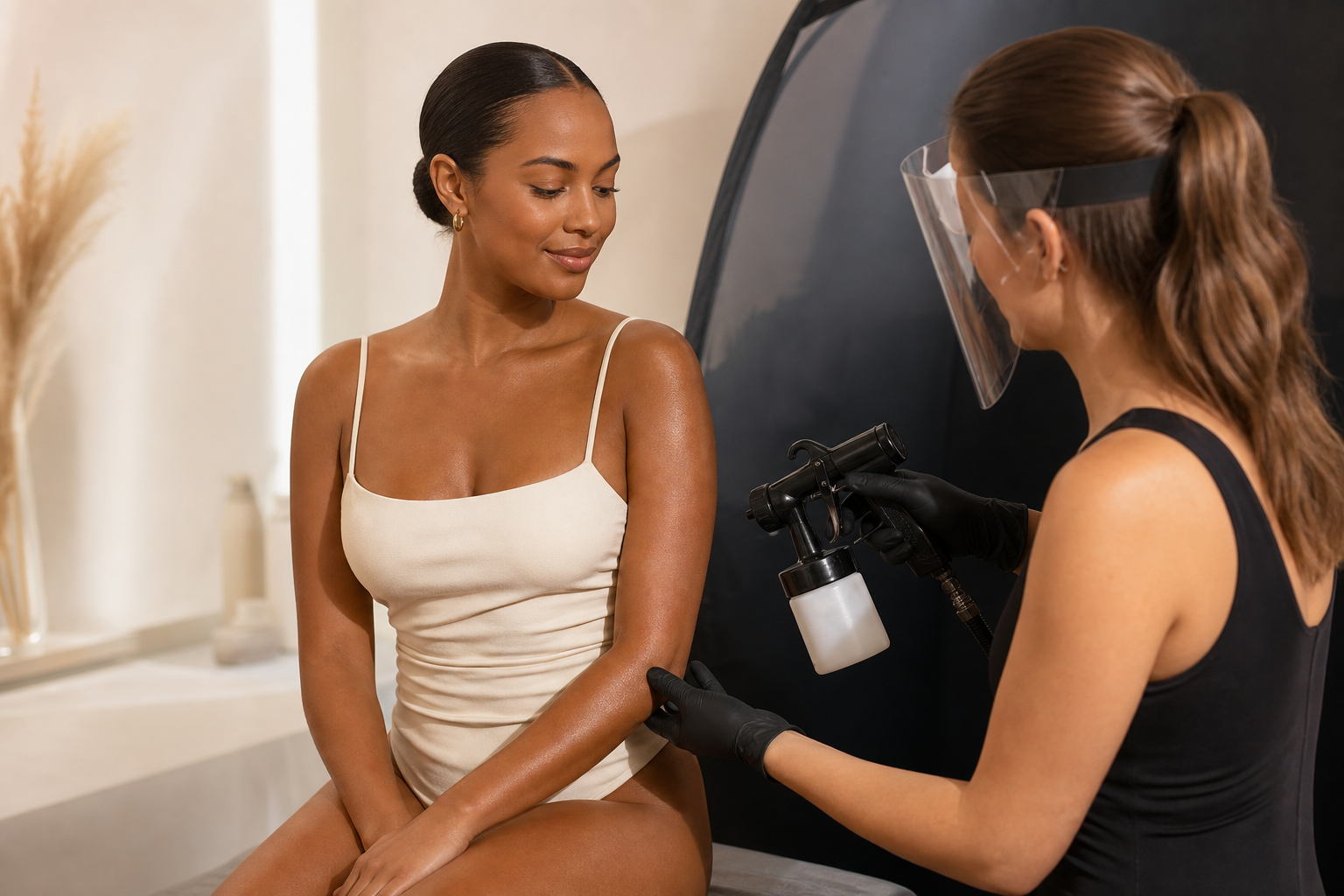
Specific caution is warranted for individuals using sunbeds, as these devices subject skin to targeted high-dose UV radiation. Alternatives such as UV-free tanning products can provide cosmetic benefits without cellular damage.
Regular dermatological assessments help detect early signs of skin damage or malignancy. Additionally, consultation with healthcare professionals is essential when using medications that increase photosensitivity, ensuring safe management.
What Role Do Healthcare Professionals Play in Managing UV-Related Skin Health?
Dermatologists and pharmacists are pivotal in educating the public about UV risks and proper skin protection strategies. They provide personalized guidance based on skin type, history, and lifestyle. Early intervention upon detection of suspicious skin lesions significantly improves outcomes for UV-induced skin cancers.
In clinical practice, emphasis is placed on prevention, monitoring, and evidence-based treatment options. Although some therapeutic measures exist to mitigate UV damage effects, none fully reverse long-term cellular harm, underscoring prevention importance.
Professional consultation is imperative when skin changes arise or when individuals are on therapies that heighten UV sensitivity.