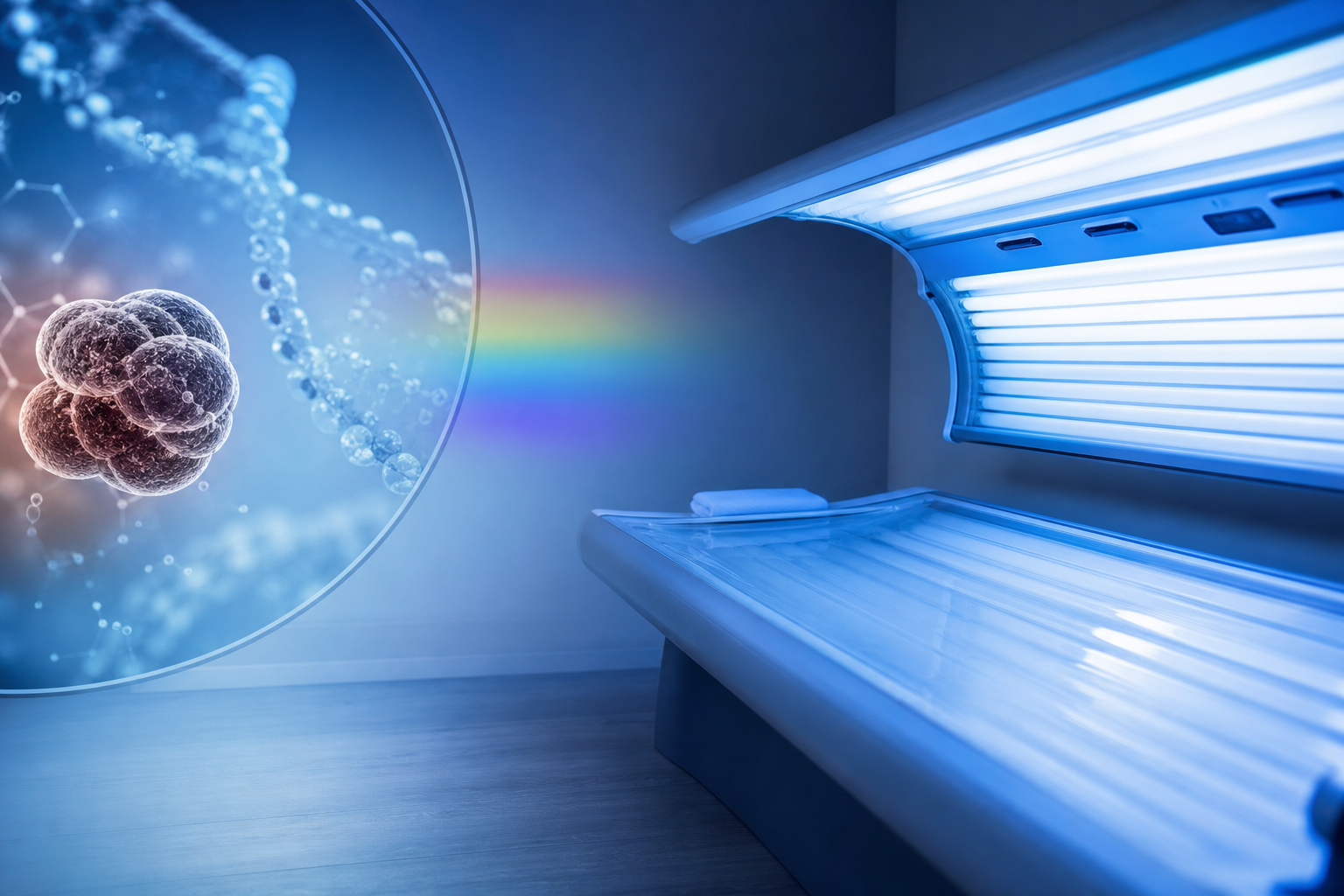
Sunbeds, also known as tanning beds, have become a popular method for achieving a bronzed complexion all year round. These devices emit ultraviolet (UV) radiation, which stimulates the production of melanin, the pigment responsible for darker skin tones. While some individuals use sunbeds to enhance their appearance or prepare their skin for sun exposure, it is essential to understand the significant health risks associated with their use. Among these risks, melanoma—a severe and potentially life-threatening form of skin cancer—stands out as a critical concern.
This article aims to provide a comprehensive, evidence-based overview of the relationship between sunbed use and melanoma risk. It is intended for individuals considering or currently using sunbeds, healthcare professionals advising patients on skin health, and the broader public seeking accurate information about UV exposure from artificial sources. Understanding this connection is vital because melanoma incidence has been rising globally, and artificial tanning practices contribute substantially to this trend.
Recognizing the lack of any safe threshold for UV radiation exposure, the article will reference authoritative sources such as the International Agency for Research on Cancer (IARC), which categorizes UV radiation from sunbeds as a Group 1 carcinogen—the highest level of cancer risk classification. We will also outline the biological mechanisms by which UV radiation damages skin cells, increasing melanoma risk, and discuss preventive measures and alternatives to sunbed use. Readers are encouraged to consult medical professionals in the event of suspicious skin changes or other health concerns.
What Is Melanoma and Why Is Its Link with Sunbeds Particularly Concerning?
Melanoma is the most dangerous form of skin cancer, originating from melanocytes—the cells that produce melanin and give skin its pigment. Unlike other skin cancers, melanoma has a higher tendency to metastasize rapidly, which can lead to severe health complications or death if not detected and treated early. Worldwide, melanoma incidence has been increasing, a trend linked in part to lifestyle factors that increase UV exposure.
The primary cause of melanoma is DNA damage induced by ultraviolet radiation, which can come from natural sunlight or artificial sources like sunbeds. Sunbeds emit both UVA and UVB rays; although the spectrum differs slightly from natural sun exposure, the intensity and nature of the radiation can cause similar or even greater DNA damage in skin cells. Epidemiological studies consistently show that sunbed use, particularly when begun at a young age, significantly elevates melanoma risk. This finding raises critical concerns about the safety of such tanning devices.
Why Does No Safe UV Radiation Threshold Exist for Sunbed Exposure?
A common question among sunbed users is whether there is a safe level or duration of UV exposure that does not increase melanoma risk. Unfortunately, the scientific consensus is clear: no minimal safe dose of UV radiation has been established for carcinogenic effects. This insight is supported by the International Agency for Research on Cancer (IARC), which classifies UV radiation from sunbeds in Group 1—the most definitive category—which means there is sufficient evidence that it is carcinogenic to humans.
This classification places sunbed UV radiation alongside other known serious carcinogens like tobacco smoke and asbestos. Consequently, even brief or infrequent sunbed exposure carries an inherent melanoma risk, making it impossible to define a “safe” usage threshold. Public health authorities globally advocate minimizing or avoiding sunbed use because any exposure contributes cumulatively to skin DNA damage and subsequent cancer risk.
How Does UV Radiation from Sunbeds Damage Skin Cells and Lead to Melanoma?
Sunbed-emitted ultraviolet rays penetrate different layers of the skin, causing molecular alterations that may initiate melanoma development. UVB radiation predominantly causes direct DNA damage by creating specific mutational lesions such as cyclobutane pyrimidine dimers, which interfere with normal gene function. UVA radiation, which penetrates deeper, generates reactive oxygen species, leading to oxidative stress and indirect DNA damage.
This damage accumulates over time and can disrupt genes responsible for regulating cell growth and repair mechanisms. When DNA repair is insufficient or faulty, mutations can accumulate in melanocytes, potentially transforming them into malignant cells. Moreover, UV radiation suppresses the skin’s local immune surveillance capabilities, allowing mutated cells to proliferate unchecked. Together, these mechanisms explain the increased melanoma incidence among sunbed users.
Which Groups Are Most Vulnerable to Melanoma Risk from Sunbed Use?
Not everyone is equally susceptible to the harmful effects of sunbed radiation. Individuals with fair skin, light-colored eyes, and blonde or red hair have less natural melanin and are more prone to UV-induced skin damage. People with numerous moles or a family history of melanoma also carry elevated risk. Particularly concerning is sunbed use before the age of 35, with early exposure linked to significantly higher lifetime melanoma risk.
Certain medications that cause photosensitivity can exacerbate vulnerability, as they render skin more susceptible to UV damage. Users should consult healthcare providers about their medications and any skin symptoms. Recognizing these risk factors can guide individuals in making safer choices regarding tanning practices.
What Are the Symptoms and Warning Signs of Melanoma or UV-Induced Skin Damage?
Early detection of melanoma improves treatment outcomes, so awareness of skin changes is critical. Key warning signs include the development of new or changing moles exhibiting asymmetry, irregular borders, uneven color, or rapid growth. Other concerning symptoms include itching, bleeding, and the formation of sores that do not heal.
Prolonged redness, persistent irritation, or changes in skin texture can indicate sunbed-related damage. If any of these symptoms occur, immediate consultation with a dermatologist or pharmacist is recommended for evaluation. Self-monitoring and professional skin examinations form essential components of melanoma prevention.
How Does Melanoma Risk Differ from Other Skin Conditions Linked to Sunbed Use?
While melanoma is the most severe consequence, sunbed UV exposure also contributes to non-melanoma skin cancers, such as basal cell carcinoma and squamous cell carcinoma. These forms generally have better prognoses but still represent significant health concerns. Sunbed use also accelerates photoaging, manifested by wrinkles, loss of skin elasticity, uneven pigmentation, and dryness, further degrading skin quality over time.
Moreover, frequent sunbed exposure can cause painful burns and compromise the skin’s protective barrier. These cumulative effects underscore the broader spectrum of harms beyond melanoma alone, emphasizing the need for caution.
What Alternatives Exist for Achieving a Tan Without UV Radiation Risk?
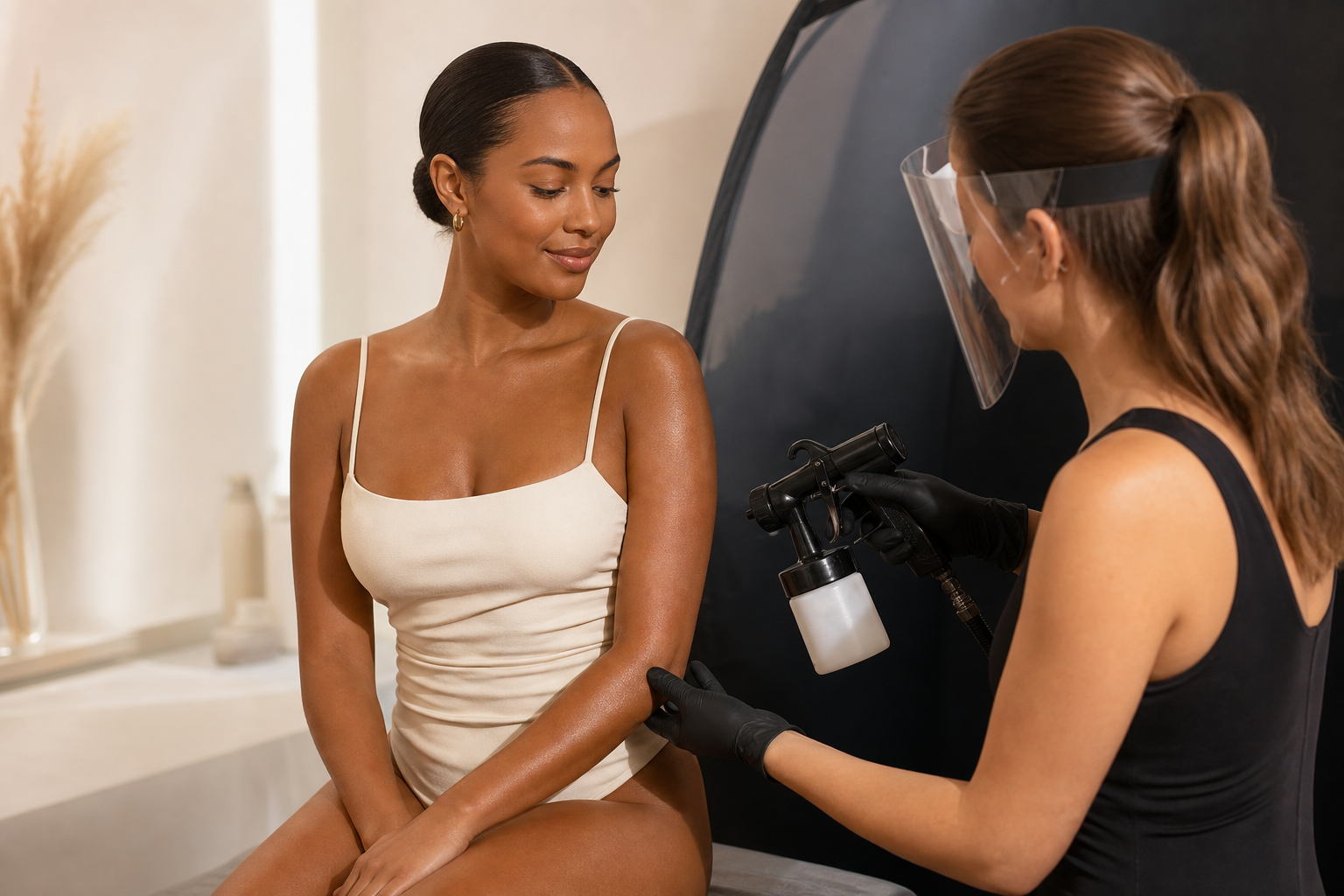
For those seeking the aesthetic of tanned skin without the dangers of UV exposure, several safe options exist. Sunless tanning products, such as those containing dihydroxyacetone (DHA), darken the skin temporarily by reacting with the outer skin layer. These methods avoid DNA damage entirely and do not increase melanoma or skin cancer risk.
Alternatives also include cosmetic bronzers and gradual tanning lotions designed for prolonged but safe color enhancement. Combining these with diligent skin care and sun protection maintains skin health while achieving the desired appearance.
Why Is Public Awareness About Sunbed Risks Vital for Skin Cancer Prevention?
Public health campaigns and healthcare providers play a crucial role in disseminating information about sunbed hazards. Educating individuals—especially young people—about the irreversible risks associated with artificial UV radiation is essential to curbing melanoma incidence rates. Enhanced awareness helps reduce sunbed prevalence, lessens healthcare burdens, and ultimately saves lives.
Accurate communication grounded in scientific evidence allows individuals to make informed decisions regarding tanning practices and skin care. It also promotes early detection efforts when skin abnormalities emerge.