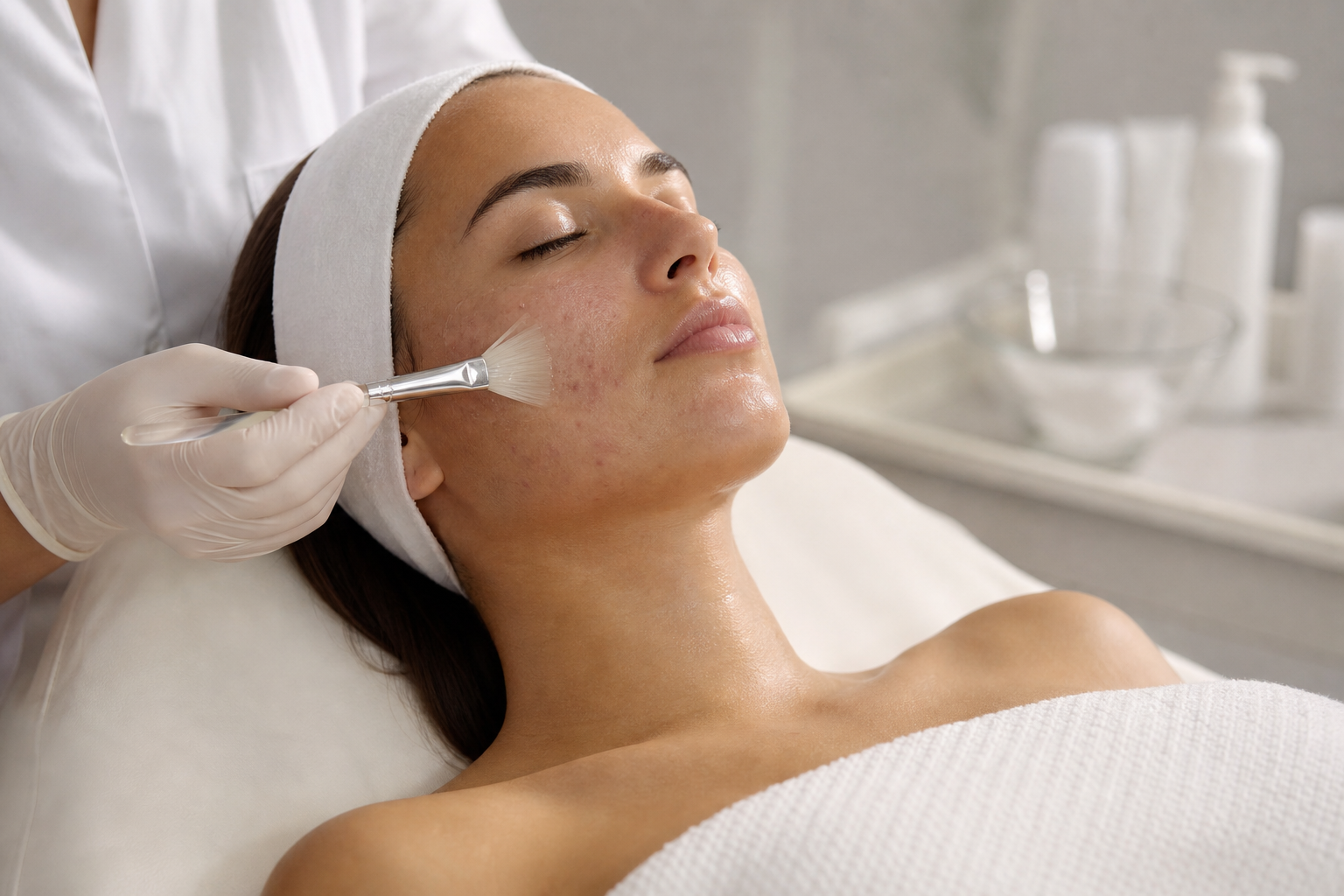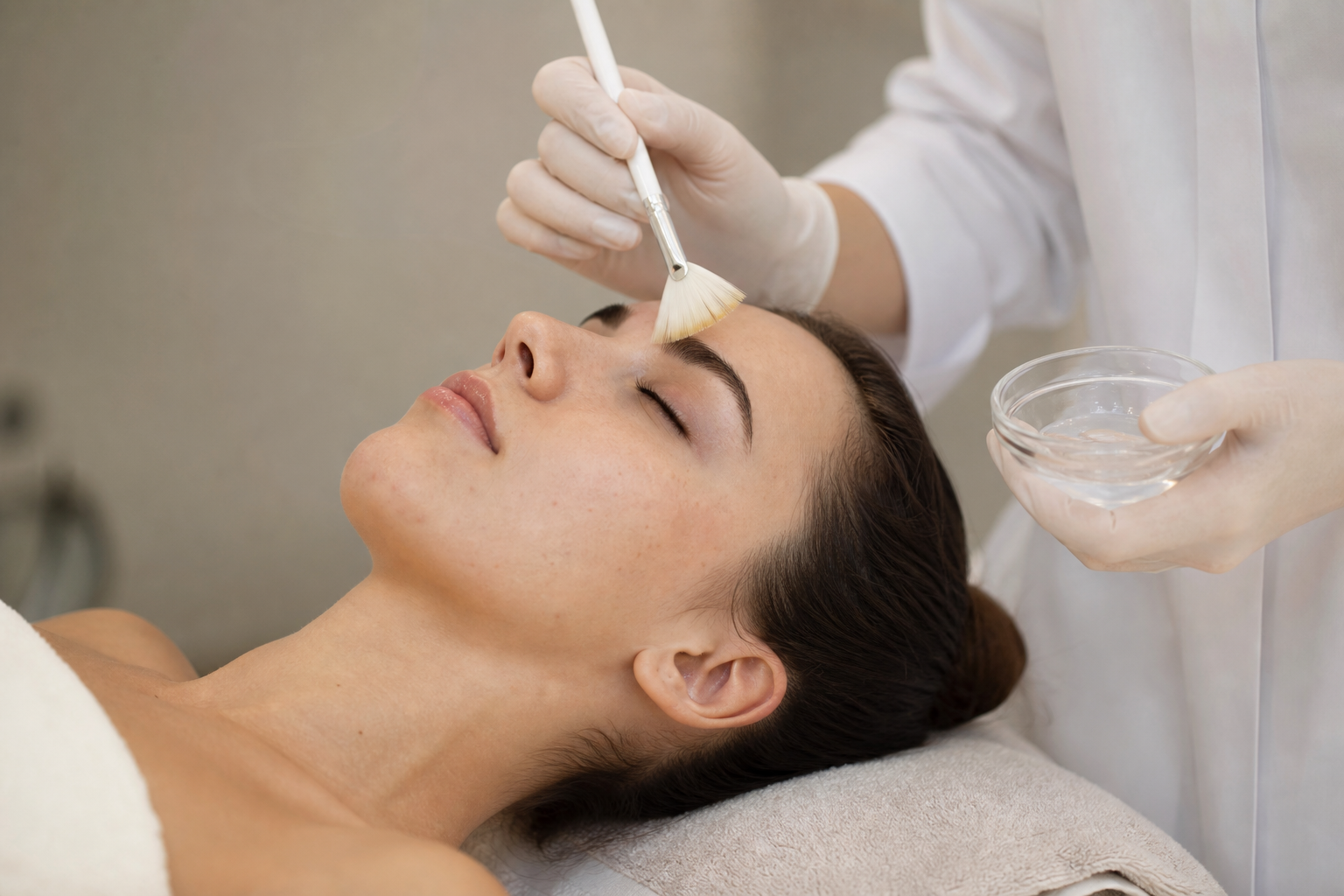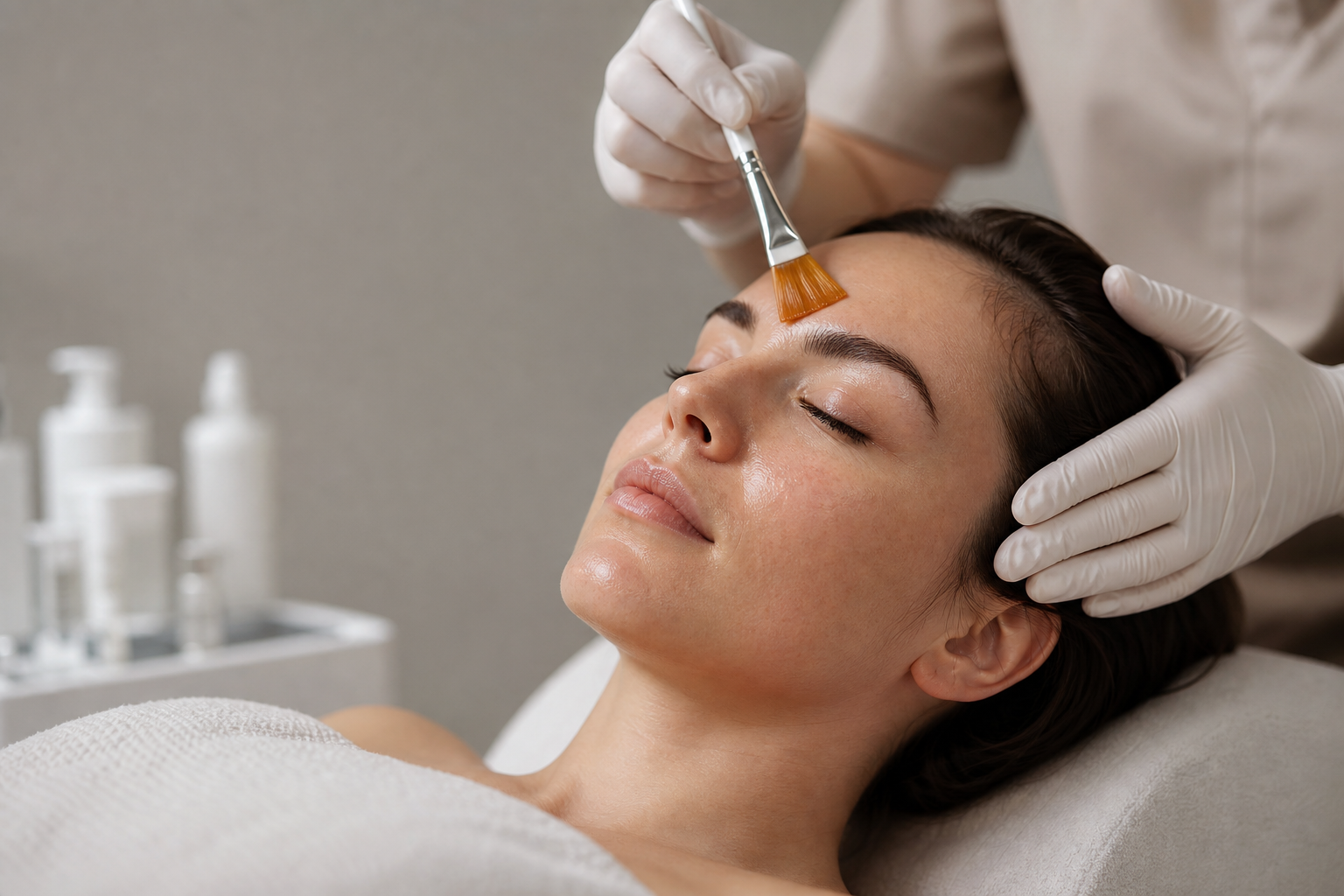
Chemical peels have emerged as a prominent and effective intervention in the management of acne, offering noteworthy improvements in skin clarity, texture, and overall health. These procedures employ the targeted application of chemical agents to exfoliate the skin, uncover fresh layers, and modulate inflammatory pathways associated with acne. For individuals with mild to moderate acne or those contending with residual post-acne marks and pigmentation, chemical peels can provide a valuable adjunct to conventional treatments, enhancing therapeutic outcomes when integrated thoughtfully into a comprehensive skincare regimen.
This article aims to provide a balanced, medically informed overview of chemical peels for acne. It is designed for a broad audience including patients exploring options beyond topical creams, estheticians seeking to deepen their understanding of professional treatments, and those who wish to comprehend the potential benefits and risks associated with these procedures. Importantly, this guide does not replace personalized medical advice but encourages consultation with dermatology professionals prior to initiating any treatment.
Understanding the intricacies of chemical peels is essential because acne—a multifactorial skin condition—demands tailored interventions. Chemical peels can address some acne-related concerns, such as clogged pores, surface inflammation, and post-inflammatory hyperpigmentation, but must be selected with precision to match skin type, acne severity, and individual tolerance. The following sections dissect the types of chemical peels commonly used for acne, their mechanisms of action, expected outcomes, contraindications, and the necessary precautions to ensure safe and effective application.
What Are Chemical Peels and How Do They Affect Acne-Prone Skin?
Chemical peels involve the controlled application of acidic solutions to the skin, prompting exfoliation of the epidermis and sometimes the upper dermis. This deliberate injury stimulates the skin's natural regenerative processes, promoting cell turnover and repairing the skin barrier. For individuals with acne, this can translate into several targeted benefits.
Primarily, chemical peels help remove dead skin cells that obstruct pilosebaceous units, thus reducing the formation of comedones—blackheads and whiteheads. Many peeling agents also possess anti-inflammatory properties, mitigating redness, swelling, and irritation commonly seen in acne. Additionally, these treatments can diminish the accumulation of sebum by accelerating its extrusion from pores, indirectly suppressing the overgrowth of Cutibacterium acnes, the bacteria implicated in acne pathogenesis.
Beyond active acne lesions, chemical peels promote even skin tone by addressing hyperpigmentation and post-inflammatory marks, which often linger after lesion resolution and can be psychologically distressing. The extent to which these effects manifest depends on the type and depth of the peel, concentration of active ingredients, and individual skin response.
Who Benefits Most from Chemical Peels for Acne?
Chemical peels are most suitable for individuals with mild to moderate acne presentations, characterized primarily by comedones, papules, and occasional pustules. Patients with oily or combination skin types who struggle with clogged pores and recurrent breakouts may find these treatments particularly advantageous. Furthermore, those experiencing post-inflammatory hyperpigmentation or superficial scarring from previous acne episodes can experience aesthetic improvements through peel treatments.
Conversely, patients with severe nodulocystic acne, extensive scarring, or active infections should approach chemical peels cautiously and typically require a dermatological consultation to design an appropriate treatment protocol. Certain physiological states like pregnancy and breastfeeding present contraindications for many peels, especially those containing retinoids or high concentrations of acids, necessitating medical oversight.
It is also critical to recognize that chemical peels do not replace systemic or prescription topical therapies in managing inflammatory acne but serve as complementary procedures that can optimize outcomes when used judiciously.
What Types of Chemical Peels Are Used in Acne Treatment, and How Do They Differ?
The spectrum of chemical peels for acne management ranges from superficial to medium-depth treatments, differentiated by their constituent acids, concentrations, and intended depth of penetration.
1. Salicylic Acid Peels (BHA): Salicylic acid is a beta-hydroxy acid that possesses both lipophilic and anti-inflammatory properties. It is particularly adept at penetrating and exfoliating sebaceous follicles laden with sebum, making it highly effective for oily, acne-prone skin. Salon-grade salicylic peels often employ 20% to 30% concentrations, whereas home-care formulations use much lower doses. Its keratolytic action helps clear pores, while its anti-inflammatory effect reduces erythema and swelling.
2. Glycolic Acid Peels (AHA): As a small-molecule alpha-hydroxy acid derived from sugar cane, glycolic acid excels in promoting epidermal exfoliation and stimulating collagen production. It softens surface roughness, diminishes mild acne lesions, and lightens hyperpigmentation. While effective for acne-prone skin, glycolic acid peels tend to be more suitable for individuals without excessive skin sensitivity.
3. Mandelic Acid Peels: Mandelic acid, another member of the AHA family, offers a gentler alternative. Its larger molecular structure slows penetration, reducing irritation risk. It also exhibits mild antibacterial properties, enhancing its utility in sensitive or reactive skin with acne. This peel is especially advantageous for patients who cannot tolerate more aggressive treatments.
4. Jessner’s Peel: This combination peel contains salicylic acid, lactic acid, and resorcinol. It is a medium-depth peel that targets acne lesions and pigmentation more aggressively. Due to potential irritation, it demands professional administration and pre-treatment skin conditioning.
5. Trichloroacetic Acid (TCA) Peels: TCA peels vary in concentration, with lower concentrations used for superficial peeling and higher for medium depth. TCA can address moderate acne scarring and pigmentary changes but typically requires pre- and post-procedure care to mitigate risks such as prolonged erythema or post-inflammatory hyperpigmentation. This peel is reserved for patients with more significant skin concerns and should always be performed under medical supervision.
What Realistic Outcomes Can Patients Expect from Chemical Peels for Acne?
Chemical peels can significantly improve the clinical appearance of acne-prone skin by reducing comedones, smoothing texture, and evening skin tone. For many individuals, results become apparent after multiple sessions, often spaced weeks apart to allow the skin to heal and regenerate fully. Typically, a series of four to six treatments yields appreciable improvement, though this can vary based on individual factors and peeling depth.
It is crucial for patients to understand that chemical peels are not a standalone cure for acne. They work best as part of a multifaceted approach that may include topical medications, hormonal modulation, or lifestyle adjustments. Patients dealing with active inflammation or nodulocystic acne may require systemic therapies in conjunction with peels for long-term management.
Moreover, peels can enhance the skin’s receptiveness to other treatments by restoring a healthier epidermal barrier and reducing physical obstructions within pores.
What Are the Risks and Side Effects Associated with Chemical Peels for Acne?
While chemical peels are generally well-tolerated, they carry inherent risks, especially when not performed under professional guidance. Common side effects include temporary redness, mild swelling, and exfoliation or flaking of treated skin. These effects usually resolve within days to a week depending on peel intensity.
More severe adverse reactions may include post-inflammatory hyperpigmentation (PIH), particularly in individuals with darker skin phototypes, and allergic or irritant dermatitis. Infections, although rare, may occur if post-procedure care is inadequate or if the skin barrier is compromised.
Signs warranting immediate medical evaluation include persistent redness beyond one week, severe pain, blistering, oozing, or signs of bacterial superinfection. Preventative measures include careful patient selection, proper skin preparation before peeling, adherence to post-care instructions, and avoidance of sun exposure during recovery.
The use of high-concentration peels in home-care settings is discouraged to minimize complications; professional supervision remains the cornerstone of safety and efficacy.
How Should One Prepare for a Chemical Peel and What is the Post-Treatment Care?
Preparation for chemical peeling often involves a pre-treatment phase designed to optimize skin condition and reduce sensitivity. This can include the use of gentle exfoliants, topical retinoids, or bleaching agents to even out pigmentation and enhance peel uniformity. Sun avoidance and the use of broad-spectrum sunscreens commencing weeks before treatment are vital to reduce risks of pigmentation alterations.
Following the peel, maintaining skin hydration, avoiding mechanical irritation, and strict photoprotection are imperative. The skin may undergo peeling or flaking, which should not be forcibly removed to prevent scarring or infection. Use of gentle cleansers, moisturizers, and products recommended by the treating professional supports barrier repair.
Routine follow-ups enable monitoring of healing and timely management of any complications.
What Distinguishes Cosmetic from Dermatological Chemical Peels in Acne Management?
Chemical peels administered in cosmetic or salon settings generally involve superficial agents at low concentrations aimed at improving skin texture and appearance with minimal downtime. These treatments are typically safe for general skin maintenance and mild acne but have limited efficacy for moderate to severe acne or scarring.
Dermatological peels are more potent, often medium-depth, requiring clinical expertise for application and patient selection. They allow for deeper skin remodeling and can significantly improve acne-related pigmentation and scarring but necessitate medical oversight to manage potential adverse effects and optimize outcomes.
Deciding between cosmetic and medical-grade peels should be informed by acne severity, skin type, and individual patient goals, with dermatologists playing a key role in assessment and recommendation.