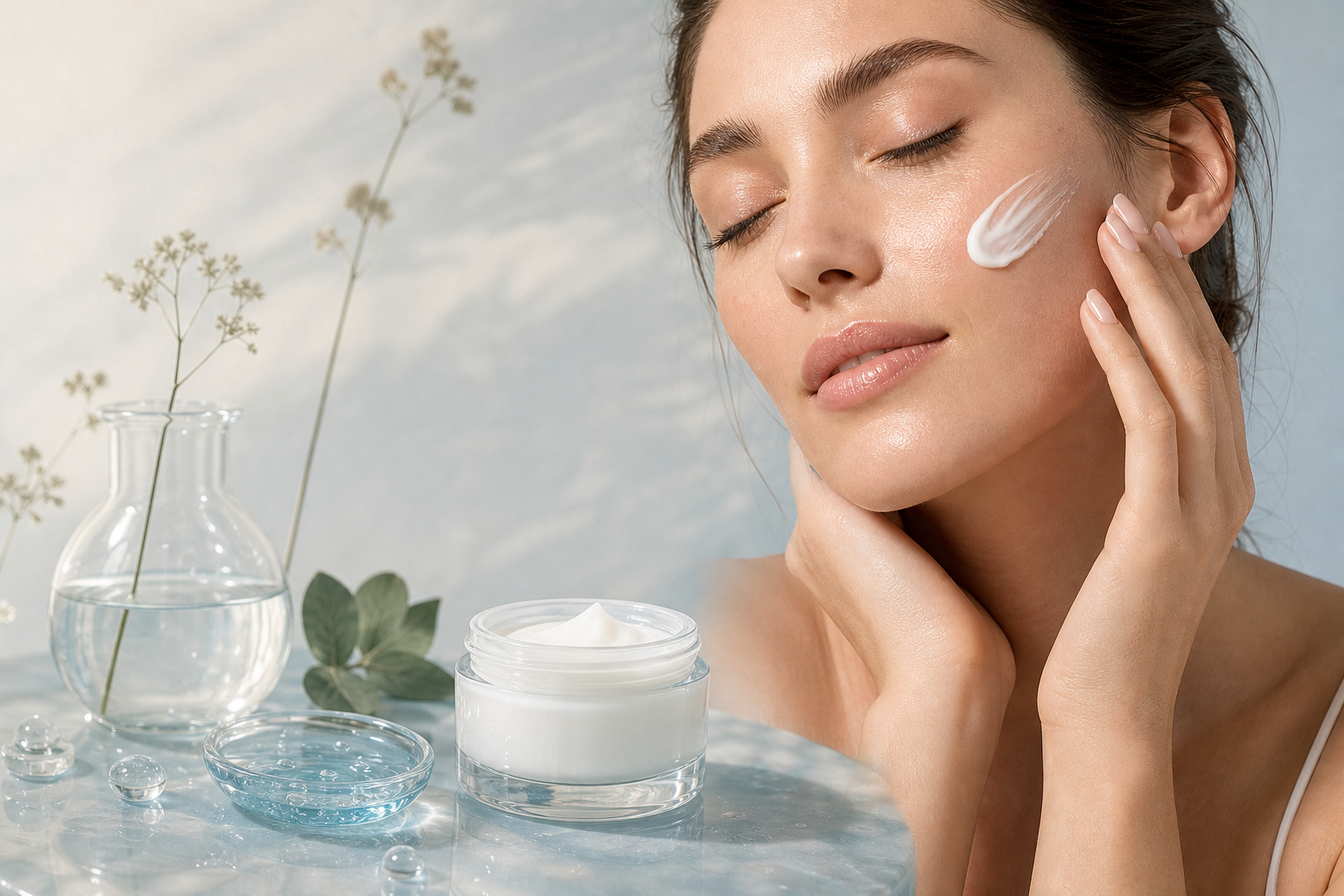
In the realm of skincare, choosing the right moisturizer is both an art and a science. While countless products promise hydration and skin renewal, understanding their composition is essential for selecting a moisturizer that truly benefits your skin. This article dissects the key ingredients your moisturizer should have and explains their roles in maintaining skin health, catering to various skin types and concerns.
Whether you are new to skincare, managing specific skin challenges, or a professional seeking a deeper knowledge of product formulation, grasping which components are most effective is indispensable. A well-formulated moisturizer not only replenishes moisture but also supports the skin’s natural barrier, aids in repair mechanisms, and protects against environmental stressors.
This editorial draws on the latest insights into skin hydration and renewal, guiding you through the crucial ingredients found in quality moisturizers, helping you make informed choices tailored to your unique skin needs.
What Constitutes a Good Moisturizer? Understanding Core Ingredients and Their Functions
A moisturizer's primary goal is to maintain or restore the skin's hydration levels. To accomplish this, formulations focus on three cornerstone categories of ingredients: humectants, emollients, and occlusives. Each serves distinct yet complementary purposes in skin hydration and barrier function.
Humectants attract water molecules either from the environment or from deeper layers of the skin to the surface, increasing hydration. Common humectants include hyaluronic acid, glycerin, urea, and propylene glycol. These ingredients are prized for their ability to bind water within the skin, promoting suppleness and elasticity.
Emollients function by filling the gaps between skin cells with lipids, smoothing and softening the skin surface. Ingredients such as natural oils (like jojoba or squalane), shea butter, ceramides, and certain silicones are typical emollients. They help restore the skin’s lipid layer, which is vital for retaining moisture and shielding the skin from external irritants.
Occlusives form a physical barrier on the skin to slow water evaporation, preserving hydration. Petrolatum, mineral oils, and various waxes are examples of occlusive agents. Their use is crucial for very dry or compromised skin but requires careful selection to avoid heaviness or pore clogging.
Why Balancing Humectants, Emollients, and Occlusives Is Key in Effective Hydration
While each category of ingredient plays its own role, the true effectiveness of a moisturizer comes from their thoughtful combination. An imbalance can undermine the intended results or even exacerbate dryness.
For instance, plentiful humectants without sufficient occlusive or emollient support might draw moisture to the skin's surface only to have it evaporate quickly, potentially leaving the skin drier than before. Conversely, a moisturizer heavy in occlusives and emollients but lacking humectants may feel greasy and not sufficiently hydrate deeper skin layers, especially in humid conditions.
Therefore, a well-balanced moisturizer features humectants to attract moisture, emollients to improve texture and lipid content, and occlusives to lock the moisture in. The precise ratio depends heavily on individual skin type and environmental factors. For example, winter formulations for dry skin favor richer occlusive content, whereas lightweight, oil-free creams with more humectants suit oily or acne-prone skin types in warmer seasons.
Which Additional Ingredients Enhance Skin Renewal and Long-Term Health in Moisturizers?
Beyond the hydration triad, superior moisturizers often include components that actively support skin regeneration, barrier repair, and protection from oxidative damage.
Ceramides are naturally occurring lipids crucial for the structure and function of the skin barrier. Incorporating ceramides into moisturizers helps replenish the skin’s protective layer, effectively reducing transepidermal water loss and reinforcing resilience against irritants.
Antioxidants such as vitamins E and C, green tea extract, and botanical polyphenols help neutralize free radicals caused by UV exposure and pollution. These molecules play a vital role in preserving skin cell integrity and mitigating inflammation, which can improve the skin’s appearance and slow premature aging.
Peptides and niacinamide (vitamin B3) are also commonly featured for their ability to boost collagen synthesis, enhance skin tone uniformity, and reduce redness or irritation. These ingredients are particularly valuable in formulations targeting mature skin or those recovering from professional treatments.
How to Select a Moisturizer Tailored to Your Skin Type and Needs
No single moisturizer fits all. Your choice must factor in your skin’s characteristics and underlying conditions.
Dry and dehydrated skin benefits from rich creams containing substantial emollients and occlusives, along with humectants like hyaluronic acid and ceramides. Such formulations provide deep nourishment and barrier repair.
Oily and combination skin usually prefers lightweight, non-comedogenic moisturizers that include humectants and soothing agents such as niacinamide, without heavy oils or waxes that might clog pores.
Sensitive skin types require fragrance-free, gentle formulas with calming botanical extracts like chamomile or aloe vera and minimal irritants, ensuring hydration without triggering inflammation or redness.
How Do Professional Treatments and Dermatological Evaluations Complement Everyday Hydration?
While daily moisturizers are the cornerstone of skin hydration, professional interventions can offer enhanced or targeted benefits.
Salon or clinical treatments such as medical-grade peels, microneedling, or light therapies can deeply improve skin texture and moisture retention beyond what topical products achieve alone. These methods stimulate skin regeneration and can be tailored to address acute dryness or barrier impairment.
In cases of chronic dryness, eczema, or other skin disorders, consultation with a dermatologist is crucial. They can prescribe therapeutic moisturizers or adjunct treatments suited to complex needs, ensuring safe and effective skin restoration.
Reading Ingredient Lists: Making Informed Choices About Your Moisturizer
Decoding product labels empowers you to identify beneficial components and avoid those potentially harmful or ineffective for your skin.
Focus on the presence and order of key ingredients—humectants like glycerin or hyaluronic acid should appear near the beginning of the list for effective concentration. Watch for potential allergens or irritants and confirm claims such as “non-comedogenic” if you are prone to breakouts.
If you desire a deeper understanding, resources such as "How to Read the Ingredients of a Moisturizing Cream" can provide detailed guidance on interpreting cosmetic ingredient listings accurately.
Understanding Differences Between Over-The-Counter and Professional Skincare Products
Moisturizers vary widely in formulation intensity and regulatory oversight depending on their intended use.
Pharmaceutical or apothecary skincare products tend to include clinically tested ingredients at concentrations optimized for safety and efficacy, often geared toward sensitive or medically compromised skin.
Professional skincare products used in salons or prescribed by dermatologists may contain higher doses of active agents or specialized delivery systems, designed for in-office application or as part of tailored treatment protocols. Some brands extend professional lines to consumer products for maintenance between treatments.
Be Aware of Limitations and Risks When Using Moisturizers
Moisturizers are fundamental in skin care but have limitations. They do not cure underlying skin diseases, nor can they reverse extensive skin damage alone.
Individual reactions vary; even formulations with beneficial ingredients may cause irritation or allergic responses in some users. Patch testing new products and consulting healthcare professionals for persistent skin concerns is advisable.
Moreover, environmental factors and lifestyle habits significantly impact skin hydration. Thus, moisturizers should be part of a comprehensive skincare strategy rather than relied upon exclusively.


